When consensus builds trust and helps manage risk
Texte Philippe Selke Photos PROCERTUS
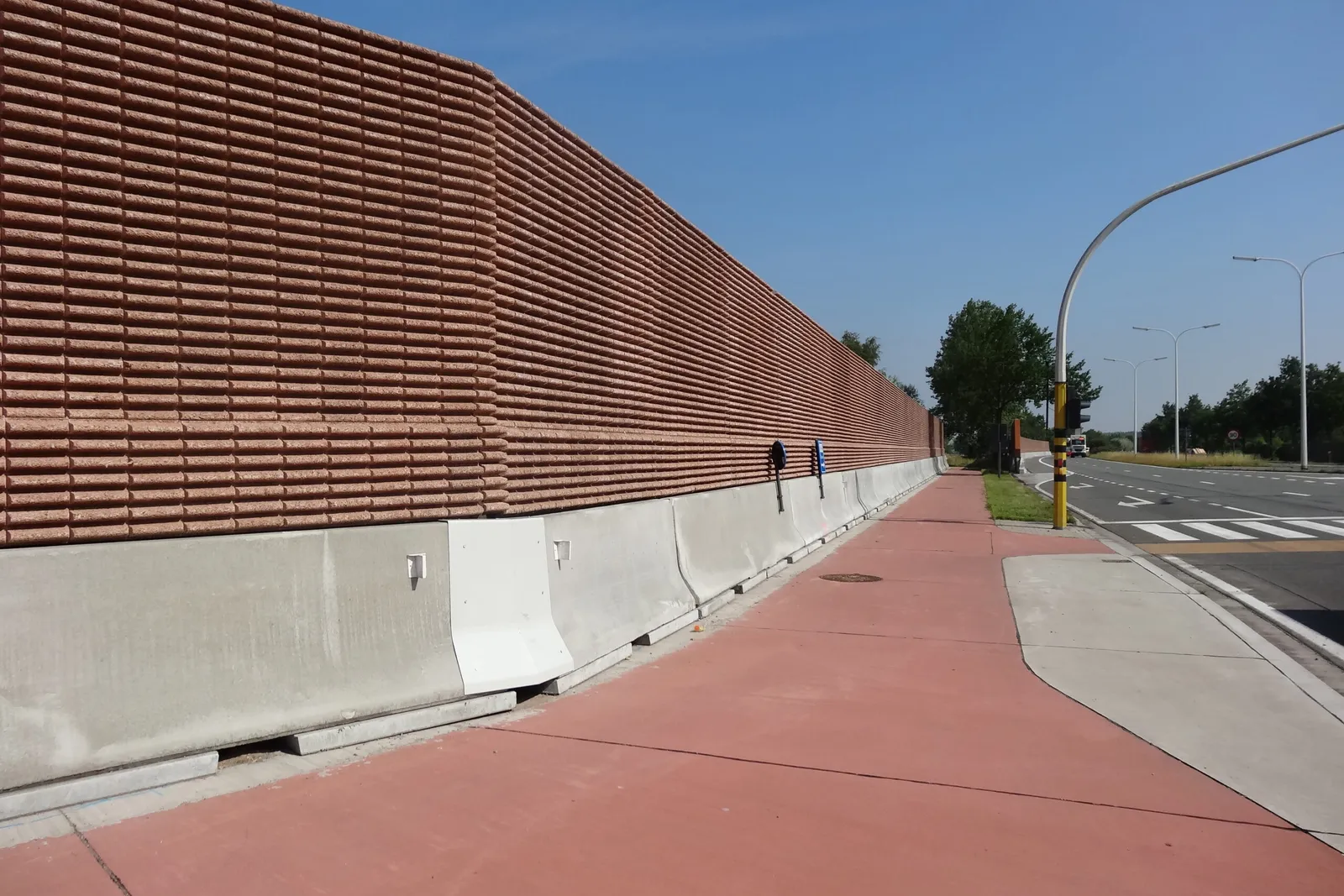
In the construction sector, certification does more than verify that a product complies with requirements. It also builds trust between manufacturers, specifiers and end users. PROCERTUS is involved in CE marking and BENOR certification for concrete, its raw materials and construction steel. The two schemes complement each other, as Claude Ployaert, Certification Cluster Manager and Certification Expert at PROCERTUS, explains.
CE marking is mandatory for construction products covered by a harmonised European standard. It allows them to circulate freely on the European market and indicates that they meet the performance levels declared by the manufacturer for their essential characteristics. Depending on the applicable assessment system, a notified body may also need to be involved. PROCERTUS fulfils this role in its areas of activity.
BENOR certification, by contrast, is voluntary. “The two systems should not be seen as competing with each other: they are complementary,” says Claude Ployaert. BENOR adds value by covering all normative documents applicable in Belgium, including European and Belgian standards, as well as technical prescriptions (PTV).

A framework developed by and for the sector
BENOR certification is based on consultation between all stakeholders in the construction sector. Together, they define certification rules that meet the needs of the Belgian market.
This sector-wide approach is essential to building trust. “BENOR is a mark of conformity with all local Belgian specifications,” says Claude Ployaert.
Less risk for specifiers and contractors
PROCERTUS then implements the rules in its areas of activity. This includes independent external checks. For specifiers, this external verification is first and foremost a risk management tool. Specifying certified products means relying on compliance with technical specifications that has been checked. Otherwise, preliminary technical acceptance procedures may be necessary. However, these require time and resources from both the client and the contractor.
“BENOR certification can avoid preliminary technical acceptance procedures and testing before installation, which can be complicated and costly,” explains Claude Ployaert. For contractors, the added value also lies in making it simpler to check products intended for use on site.
Greater confidence for manufacturers and clients
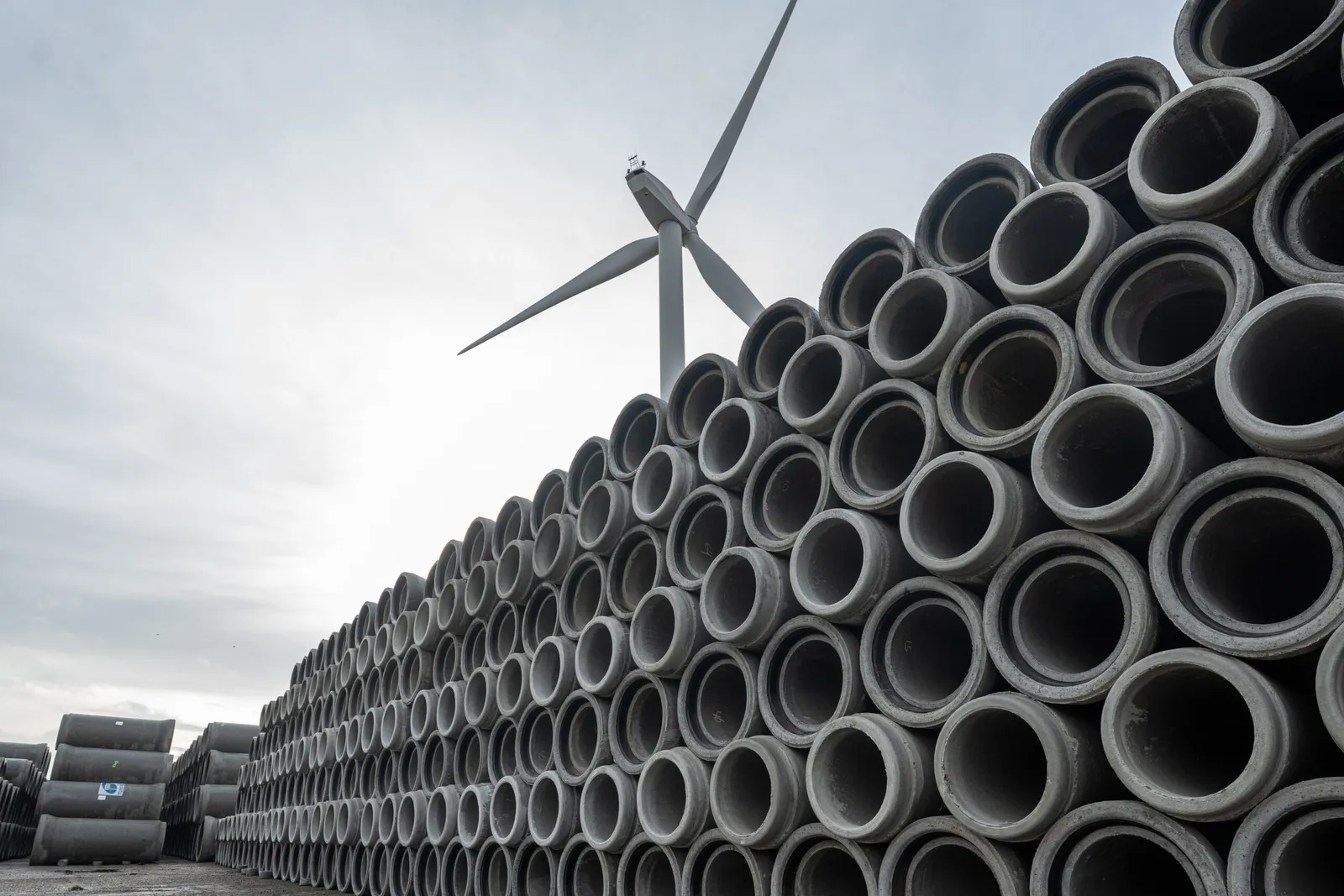
For manufacturers, certification provides an independent assessment of compliance and ongoing monitoring of the quality process. It therefore strengthens customer confidence and can facilitate access to markets where tender specifications require or make provision for certified products.
This role is particularly important as the sector sees a growing number of innovations involving circularity, recycled materials and reduced carbon footprints. Certification helps verify that these developments remain compatible with expected performance and fitness for use. “In just over 30 years in the concrete industry, I’ve never seen as much innovation as in recent years,” says Claude Ployaert. In a changing technical landscape, certification thus provides a common reference point for the entire construction supply chain.
A workshop to open up the debate
PROCERTUS, working with the non-profit organisations COPRO, FEBE and BENOR and with the support of the public authorities and the federations ADEB-VBA, EMBUILD, FEGC, MOBIWALL and VLAWEBO, is reaching out to professionals with a webinar on the added value of BENOR in the infrastructure sector.
Een zakelijke vraag aan PROCERTUS? Get in touch
Companies in this story
Keep following this
Get an email when a new story is published. No account needed.
- ThemeManaging construction projects
- SubjectConstruction
- CompanyPROCERTUS
- CompanyCOPRO