Drainage, buried ducts, surfacing, …: a metro is also defined by its external works
Texte Philippe Selke Photos Tarnarii srl
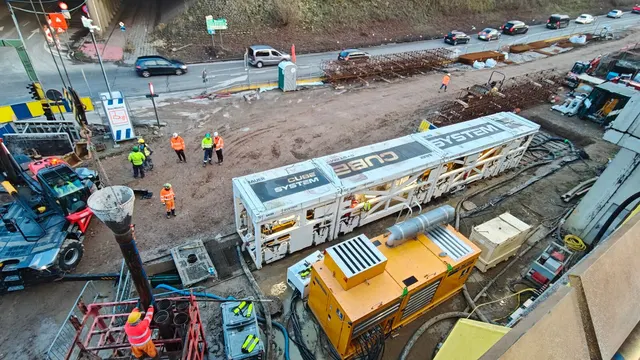
As part of the extension of the Charleroi light metro to the Grand Hôpital de Charleroi, Tarnarii worked as a subcontractor to Duchêne in three areas of the new section: Corbeau station, the technical substation and Les Viviers terminus. Drainage, surfacing, utility ducts and measures to support the natterjack toad: works focused mainly on external infrastructure.
Tarnarii’s work took place mainly between November 2025 and January 2026. “These projects did not present any major technical challenges in themselves, as they involved work we know well. The main challenge was managing the schedule and coordinating the different trades working on site,” explains Pietro Gelosa, director of Tarnarii.
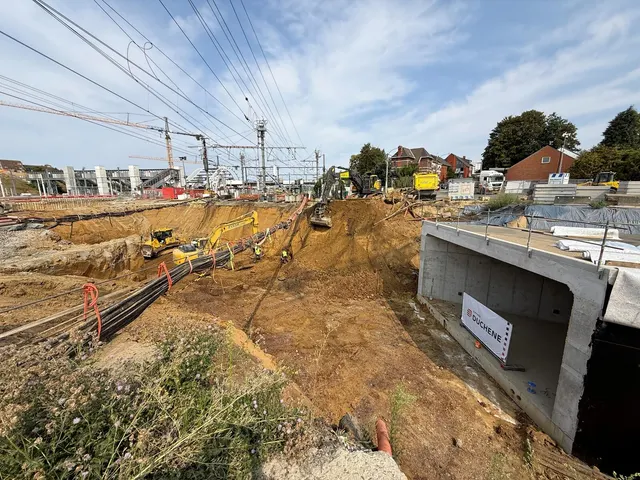
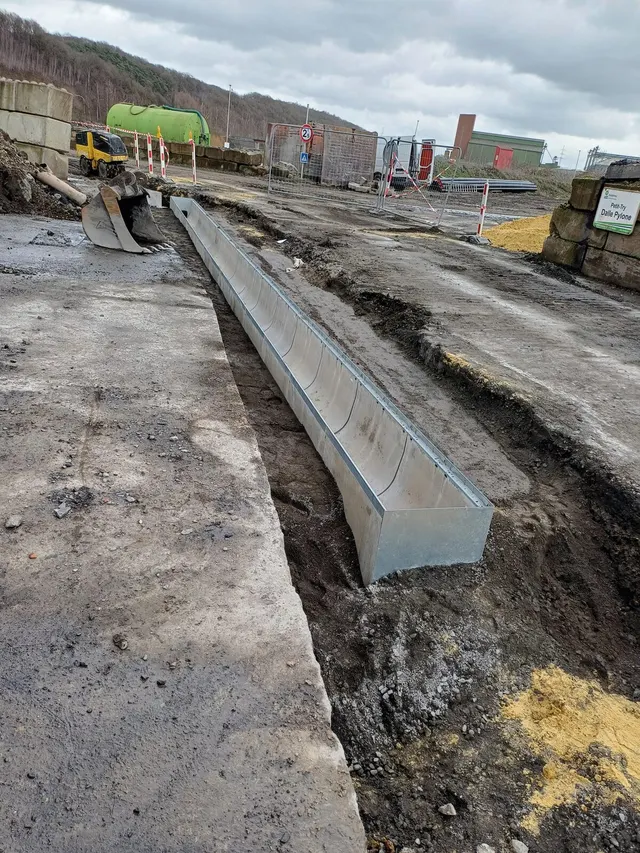
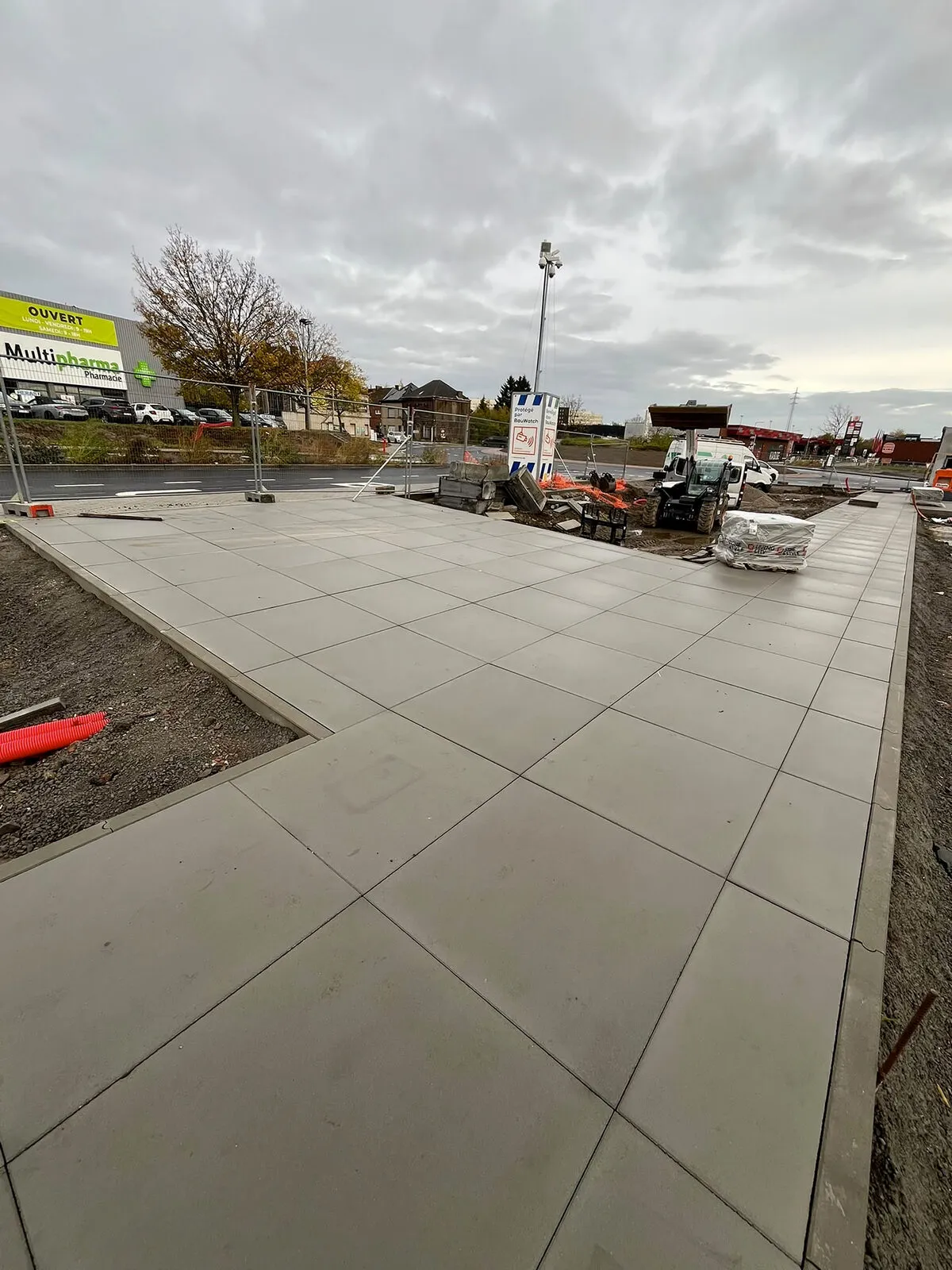
At Corbeau, a new fully underground station, the company carried out the surface works. These included drainage and connecting the structures to the existing networks, as well as linear features: kerbs, channels, gullies and inspection chambers. Tarnarii also installed the surfacing, including paving made up of one-metre-by-one-metre slabs and an asphalt cycle path.
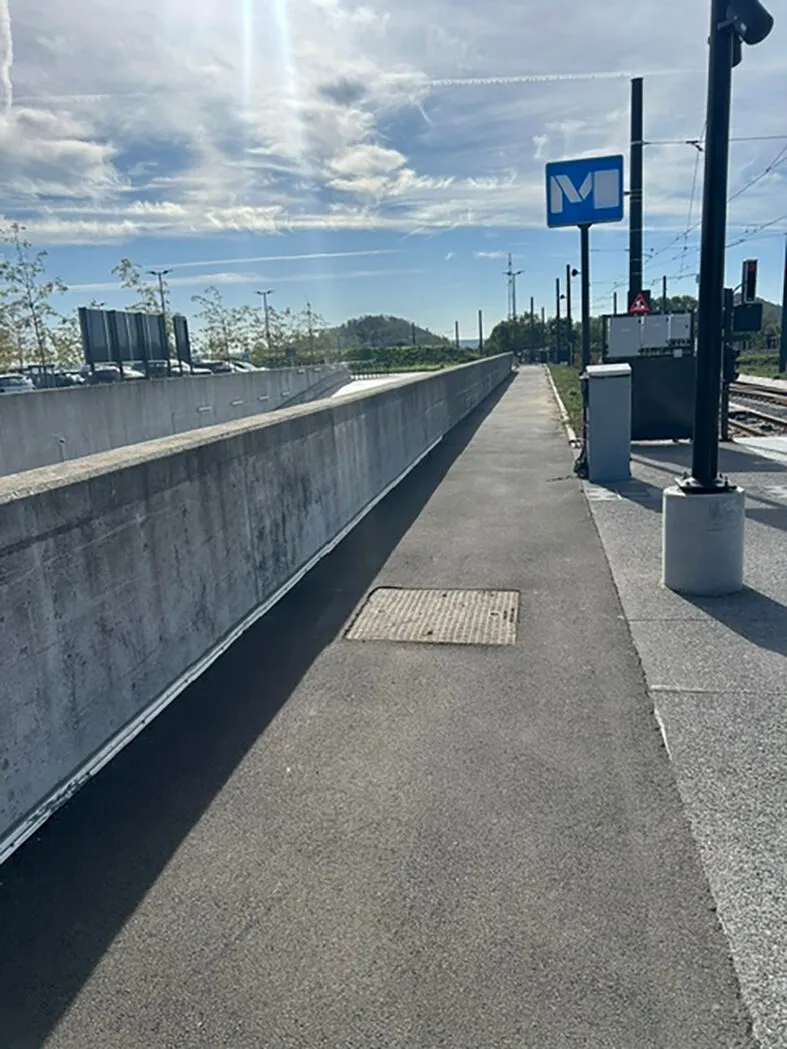
Kilometres of ducts for electrical equipment
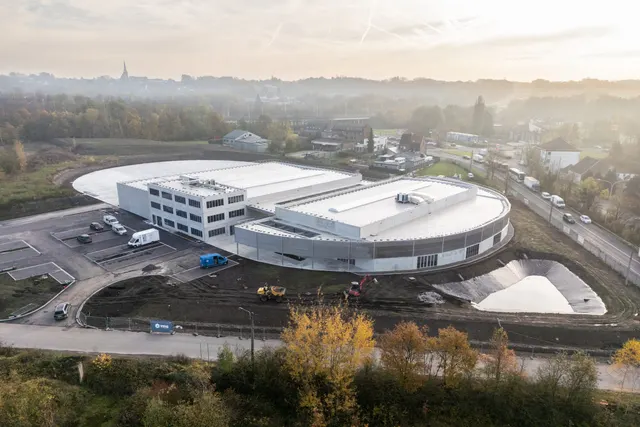
The company also worked around the technical substation on the Les Viviers site. This above-ground building houses the electrical installations needed to power the extension, including equipment for traction and the medium- and low-voltage networks.
Tarnarii installed the paving and kerbs there, but also carried out a substantial part of the underground infrastructure for the technical equipment. “We laid thousands of linear metres of ducts underground to allow the various cables to be installed,” says Pietro Gelosa.
The chambers providing access to these networks were also fitted with fourteen security covers. This solution was intended to reduce the risk of unauthorised access to the infrastructure and cable theft.
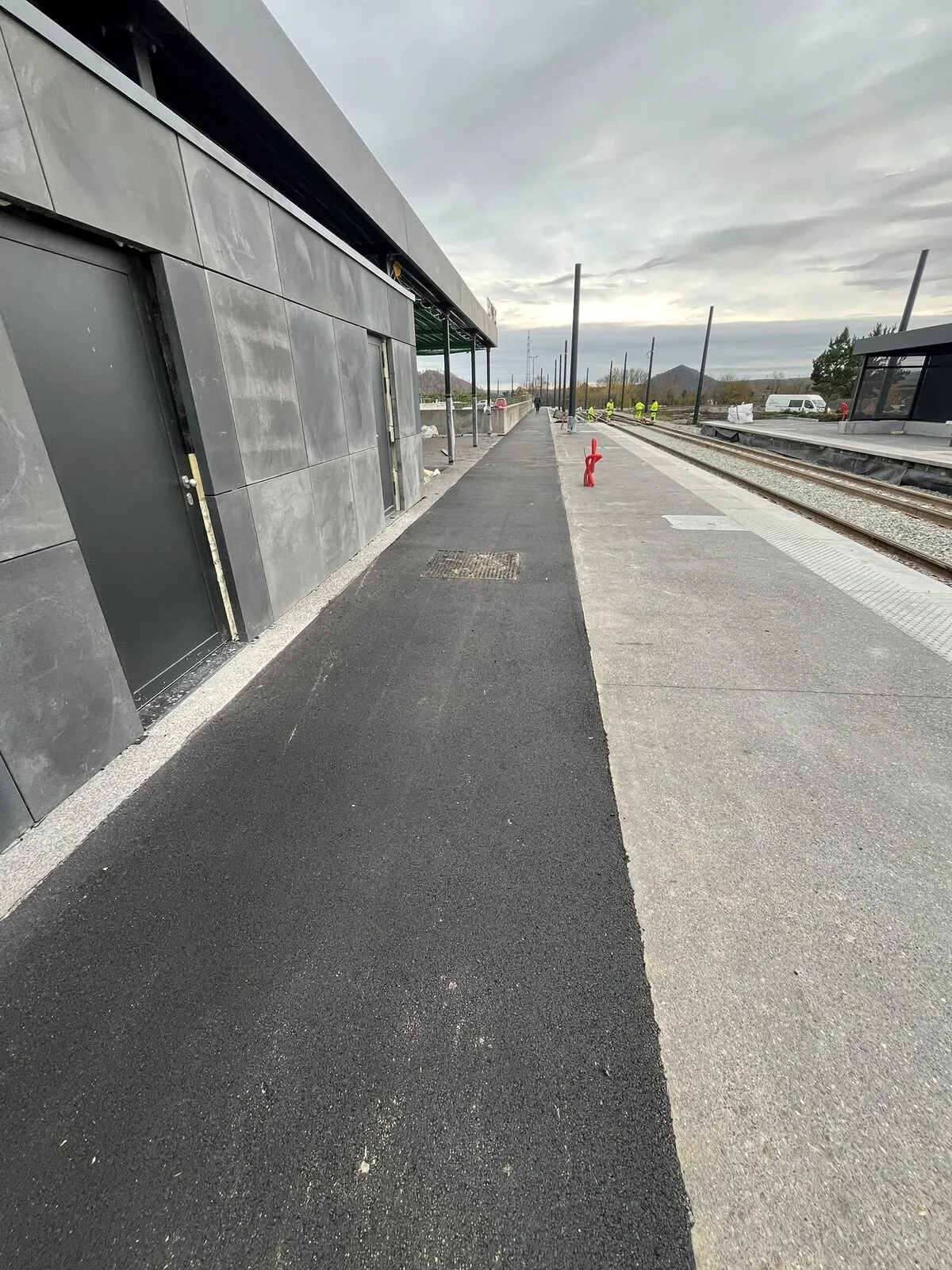
At Les Viviers, working around hospital operations
Initially asked to carry out the external works at Corbeau, Tarnarii subsequently saw its work extended to the substation and Les Viviers to support progress against the overall schedule.
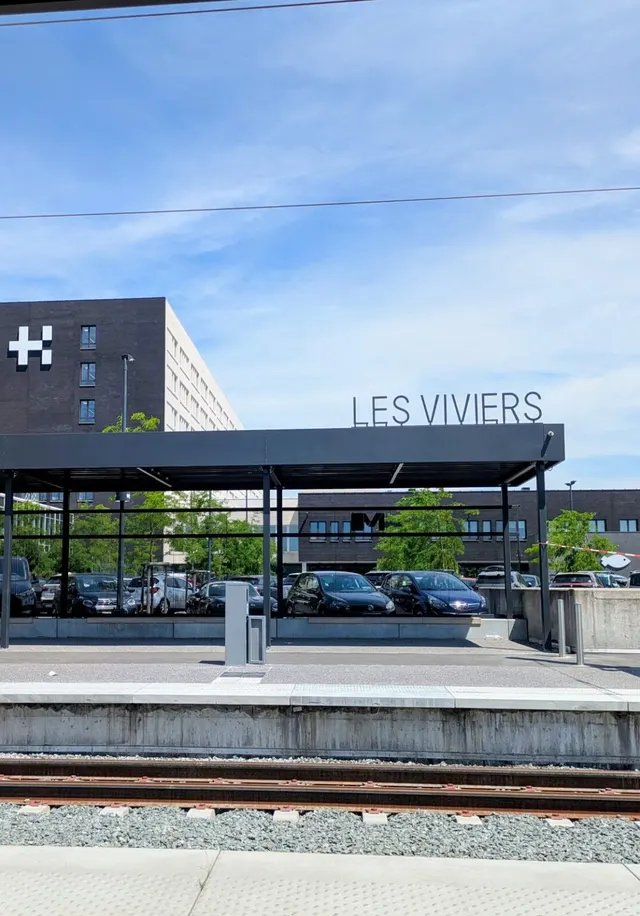
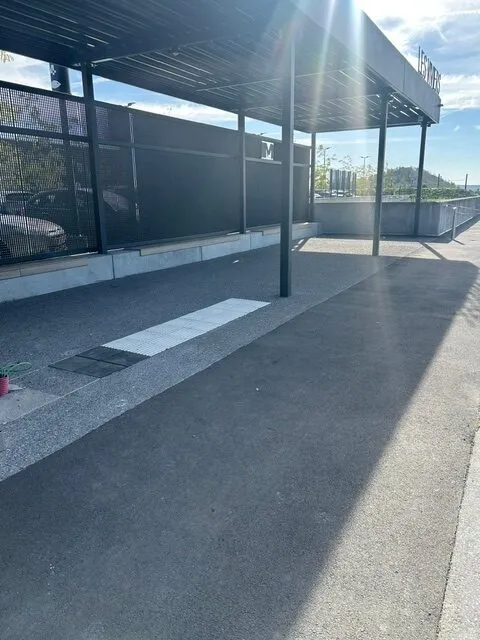
At Les Viviers terminus, opposite the Grand Hôpital de Charleroi, Tarnarii carried out the asphalt cycle path and a small structure made from L-shaped concrete elements at the track crossing.
However, the hospital’s immediate proximity imposed particular logistical constraints. Keeping access routes open and minimising disruption were constant considerations on site. “The hospital obviously wanted to minimise disruption for patients and keep the ambulance route clear. This required close coordination, particularly for removing excavated material and delivering materials,” notes Pietro Gelosa.
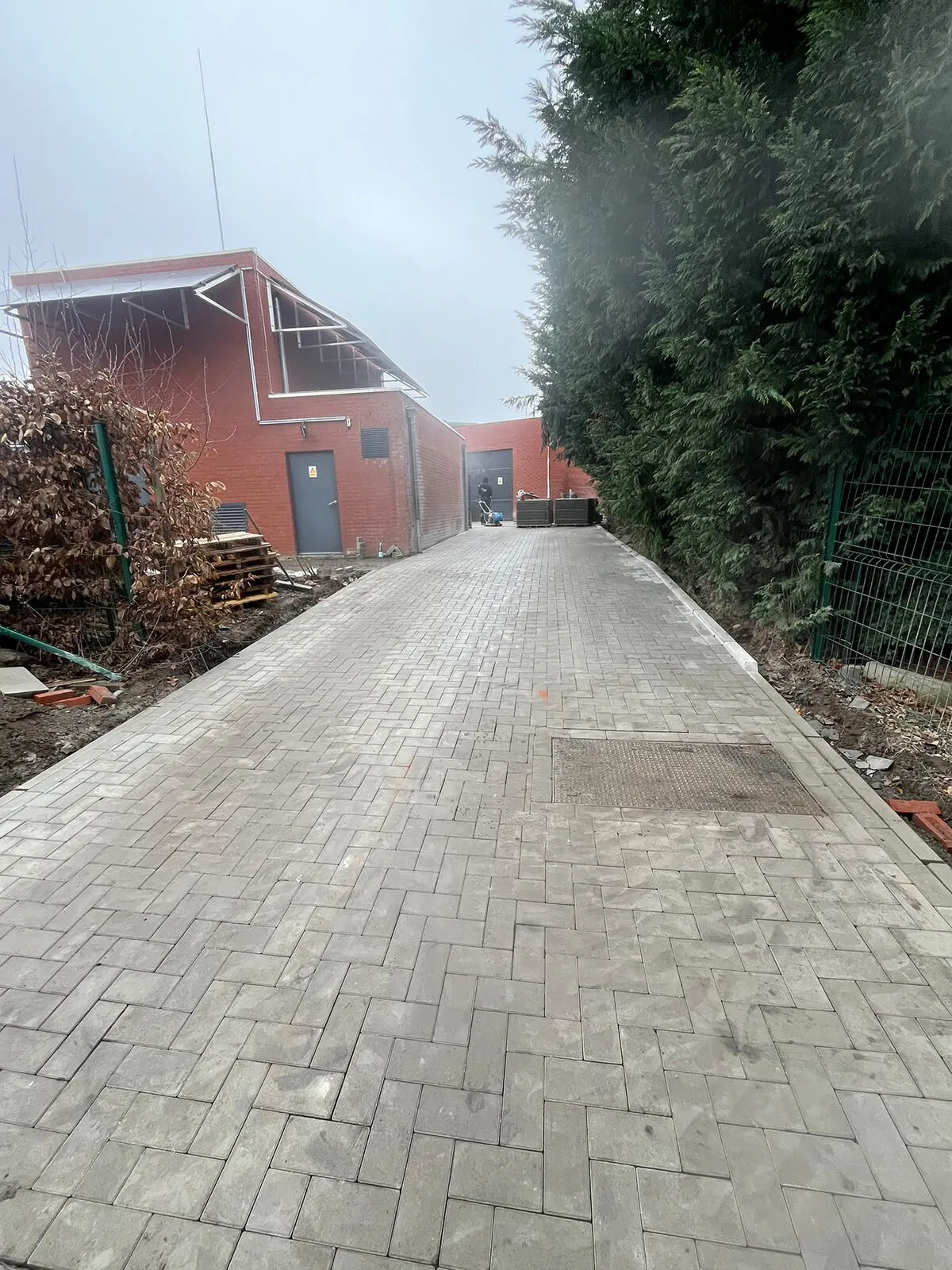
Ponds incorporated into the landscaping
The work at Les Viviers also had a particular environmental dimension. The site is home to a population of natterjack toads, a protected species already present at the former Terril des Viviers site. The landscaping around the GHdC includes six shallow ponds and open areas that support the species’ reproduction.
Tarnarii carried out the earthworks required to create the ponds and installed rock armouring to form refuge areas. “The entire area around the station was shaped to preserve the habitat of these amphibians,” says Pietro Gelosa.
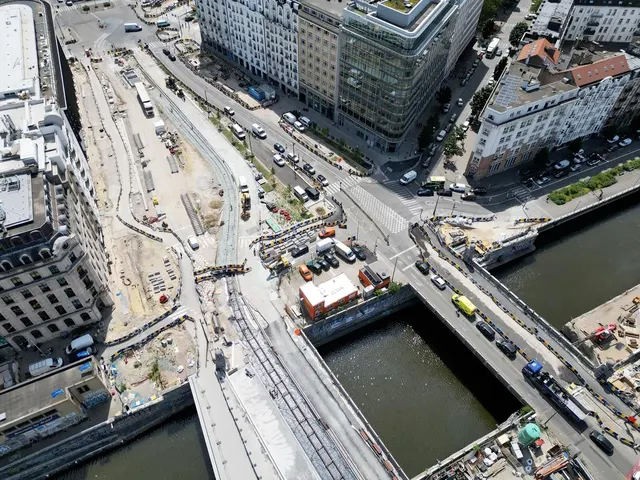
At first glance, this work seems quite removed from railway infrastructure. Yet it illustrates the range of works involved in building a new metro line: beyond the tracks and stations, it also requires underground networks, roads, routes for pedestrians and cyclists, technical structures and integration of the constraints specific to each site.
Question about this story? Ask your question
Keep following this
Get an email when a new story is published. No account needed.
- ThemeTransforming infrastructure and territories
- SubjectCharleroi