From construction site to construction site, closing the circular loop
Texte Philippe Selke Photos Groupe Jean Nonet
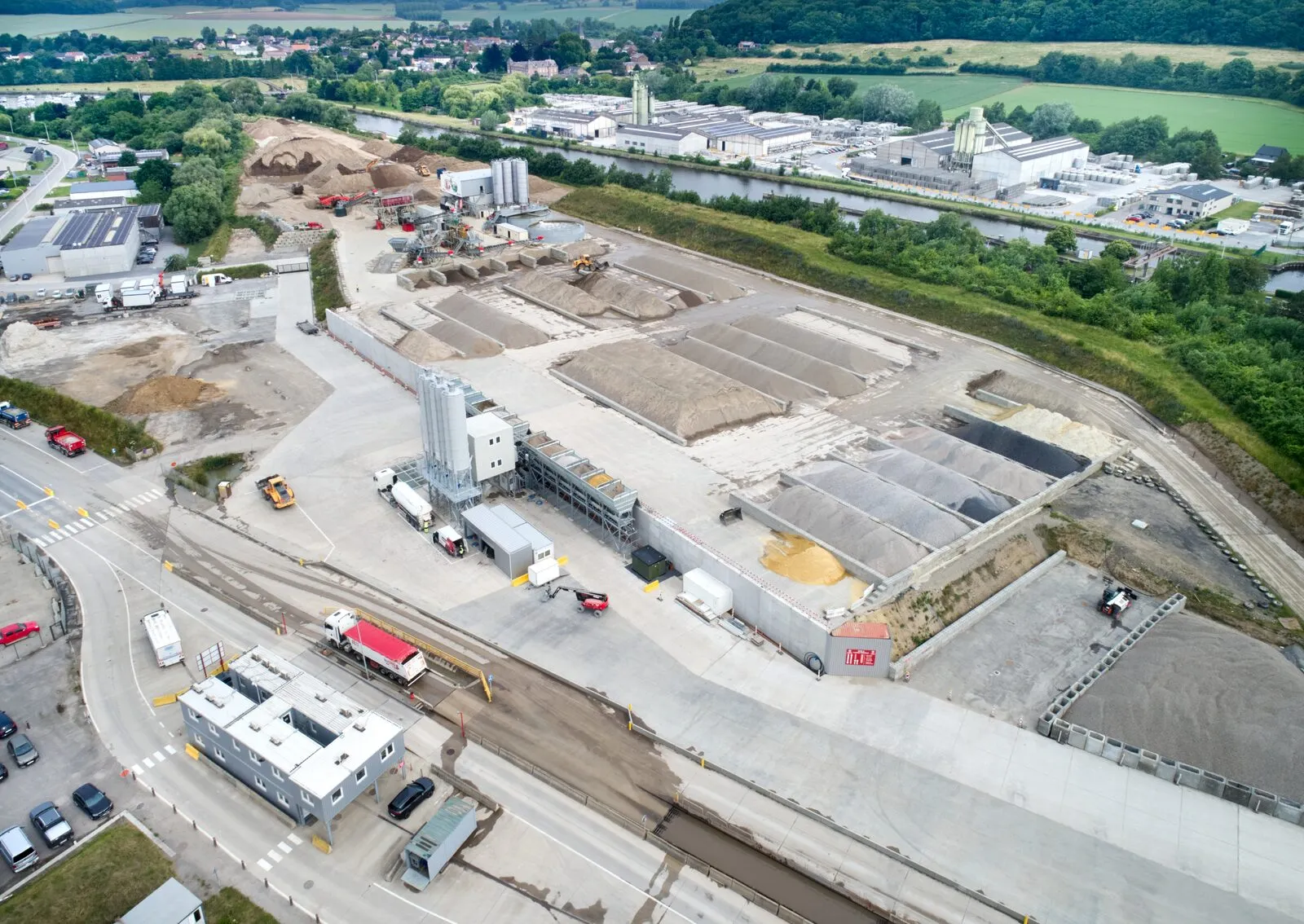
At Groupe Jean Nonet, the circular economy now takes the form of a chain directly linking on-site sorting, the recycling of inert waste, aggregate production and the incorporation of those aggregates into new concrete placed on site. At the heart of this operation is the washing plant at Floreffe, which makes it possible to recover fractions that were once largely destined for landfill.
From recycling to “upcycling”
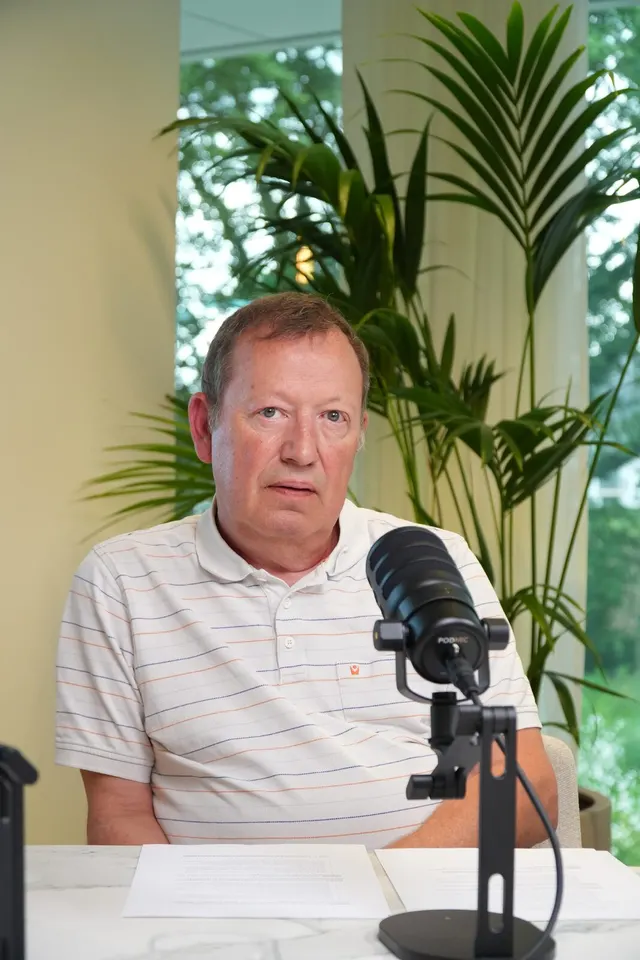
When Groupe Jean Nonet took over Hublet in 2003, recycling relied mainly on dry processes: crushing and screening turned concrete, asphalt and mixed waste into hardcore. However, one limitation remained with soil-contaminated mixed waste from roadworks, among other sources. “In this stream, we were recovering only around 30% of the materials,” explains Richard Marchand, Director of the Recycling, Concrete and Transport division.
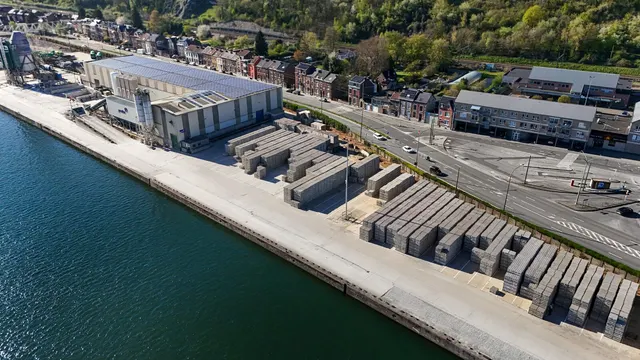
The washing plant commissioned at Floreffe in 2024 changed the picture. It separates and washes the different fractions to produce sand and 4/8 and 8/20 aggregates, among other materials. These can then be reused directly on site or incorporated into concrete. The water from the process is recovered and fed back into the system.
Making concrete with washed materials
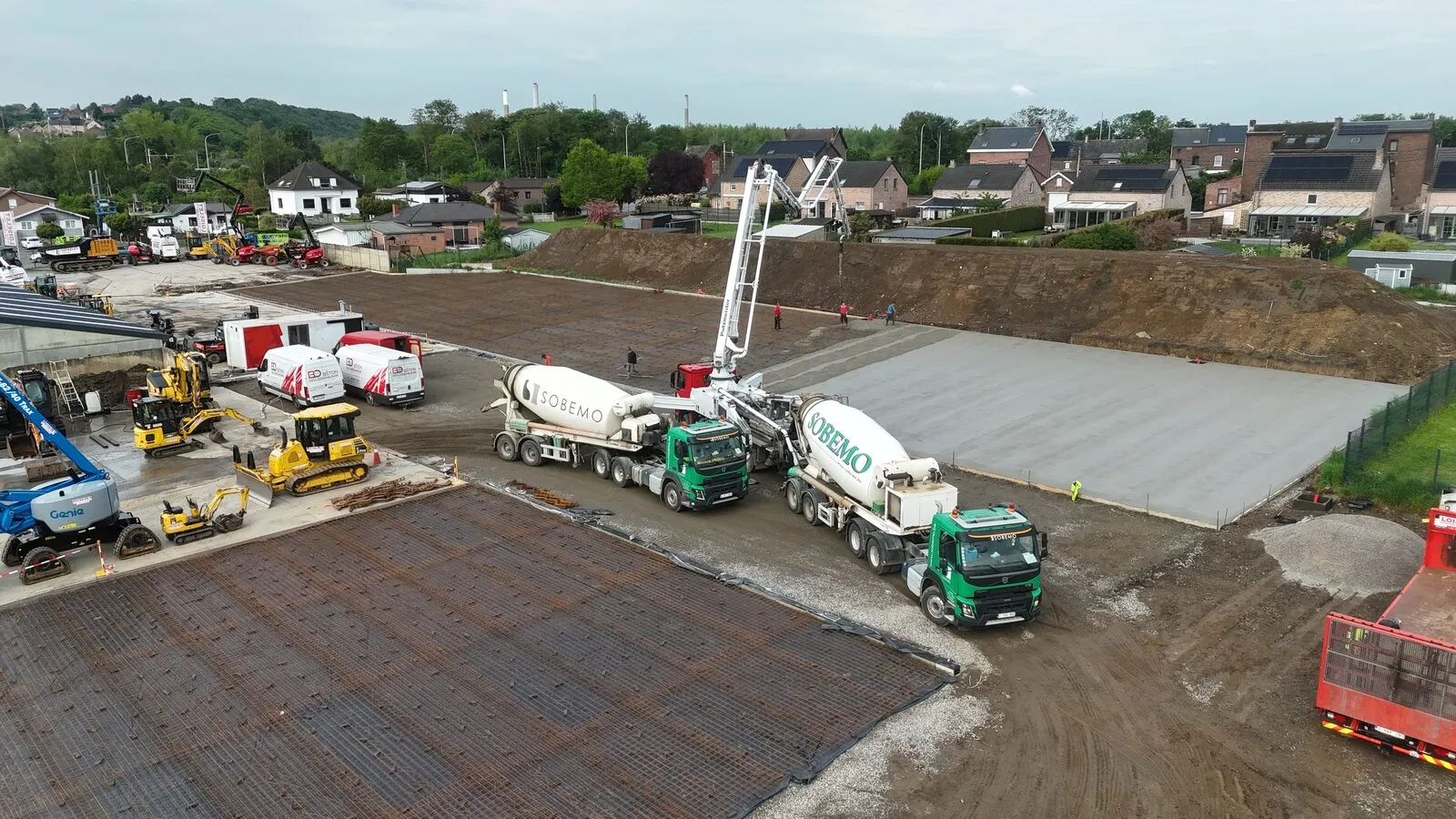
This development logically led to the installation of a new concrete batching plant at Floreffe. Operational since 2025, it makes it possible to turn washed aggregates on site into lean concrete, as well as richer concrete mixes for uses including the construction of external slabs.
Laboratory trials have gradually given way to on-site applications. At Mornimont, on the Loiselet site, around 810 m³ of concrete incorporating materials recycled at Floreffe was placed to create approximately 4,000 m² of external slabs.
The products undergo laboratory testing and production controls, followed by on-site tests. “For the applications we are targeting, we are achieving strength results comparable to those of concrete made with limestone aggregates,” says Richard Marchand. However, Groupe Jean Nonet remains focused on external works, particularly roads and storage slabs, and is not currently targeting structural applications such as beams or other structural building elements.
Circularity starts on site
Technology alone is not enough to close the loop. For Johan Marchand, site manager at Nonet, the quality of source separation remains crucial. “We need to keep sorting waste properly on site and choosing the right recovery routes.”
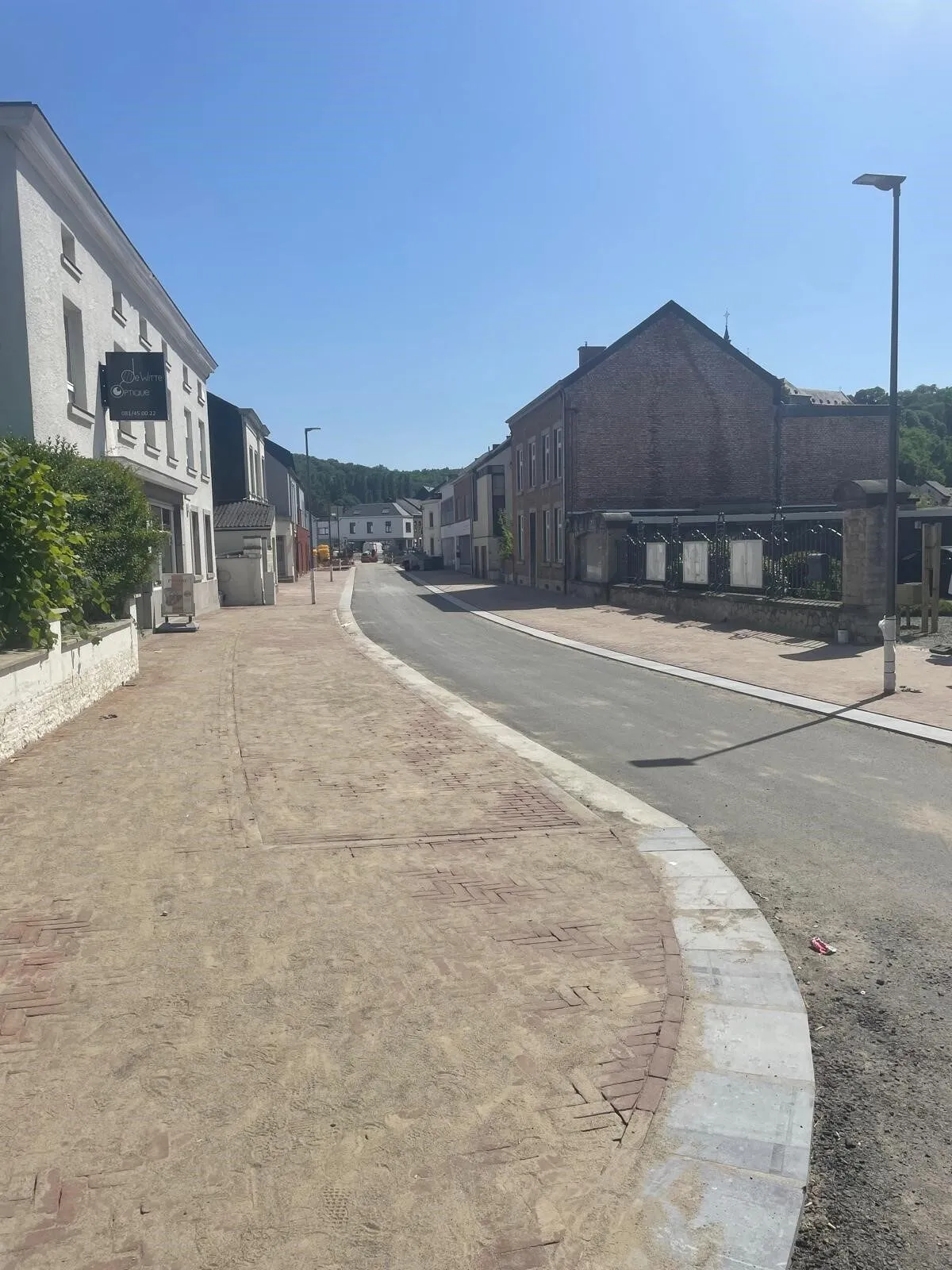
This also applies to using recycled materials. The teams have adapted their methods, particularly for laying linear elements, managing delivery quantities and using compaction equipment. “To get good results, the product has to be good, but the work on site also has to be done properly,” Johan Marchand stresses.
Preserving natural resources wherever possible
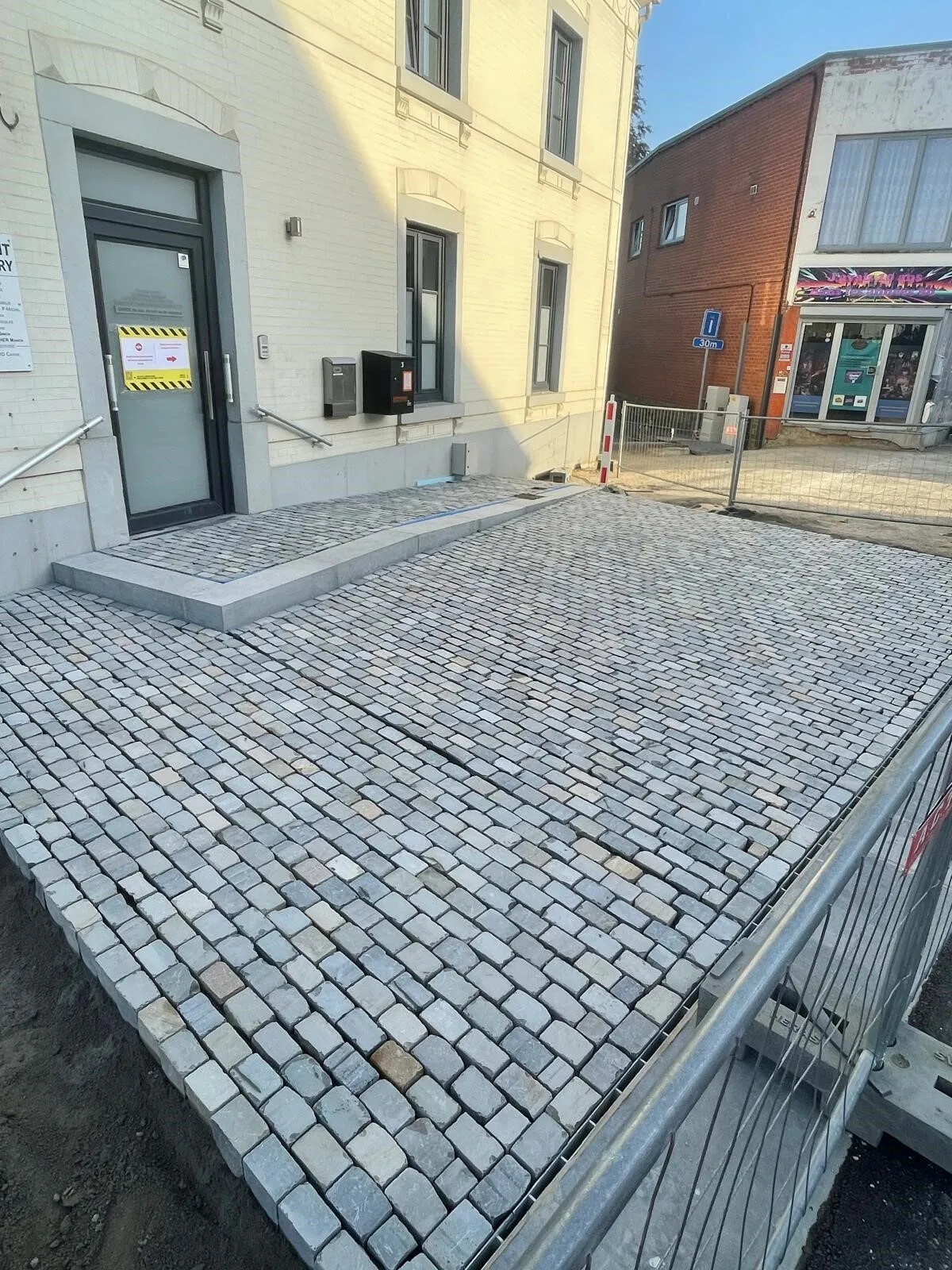
The proximity of the recycling centre, concrete batching plant and construction sites adds a logistical dimension to this circularity: waste can be transported to Floreffe, and lorries can leave with recovered materials, reducing empty runs and the need to bring in quarry aggregates.
For Richard Marchand, the main challenge is to reserve natural resources for uses where they are still needed: “When we know how to use recycled materials in lean concrete or external slabs, we should use them for those applications and save quarry materials for where we cannot yet replace them.”
A pragmatic approach to circularity: sort better, recover more and reintegrate recovered materials into new construction projects.
Question about this story? Ask your question
Keep following this
Get an email when a new story is published. No account needed.
- ThemeBuilding with less carbon
- SubjectSustainable construction