“Quality solar shading is about more than products”
Texte Tim Janssens | Photos STOBAG, Pexels
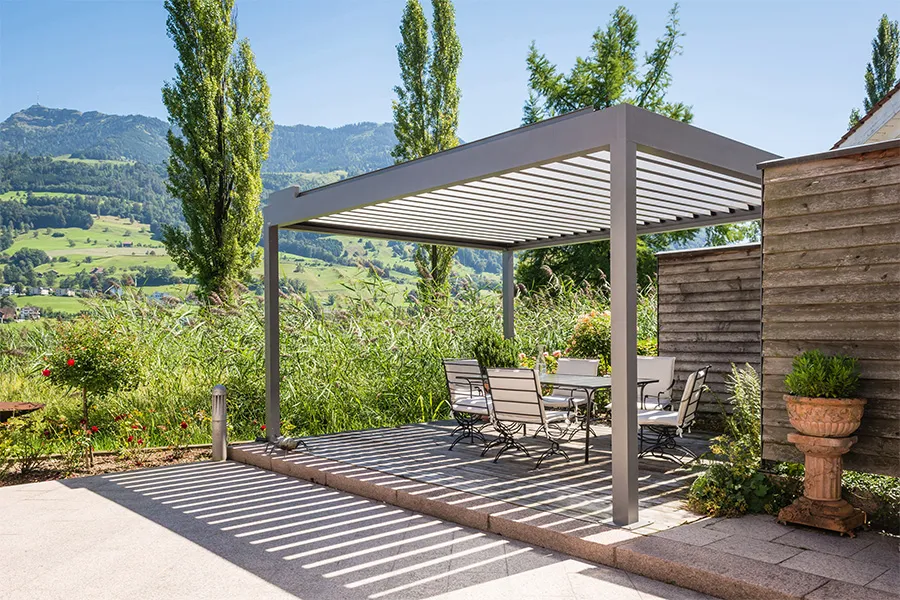
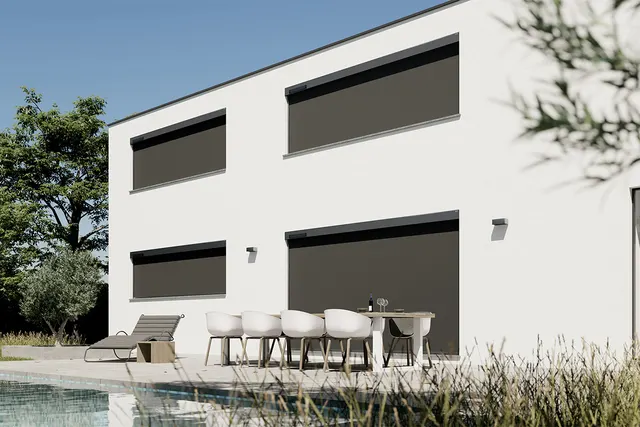
Scientific studies and forecasts show that staying cool will become increasingly difficult in the years and decades ahead. Solar shading is essential to limit the impact of climate change on our homes and quality of life, but there are many other options beyond screens and awnings. “Now more than ever, we need to take an integrated approach to design,” stressed Luc Eeckhout (evr-architects) and Els Vanden Berghe (Pixii) at the seminar “How to design for CO2 and the climate?”, organised by the Flemish Council of the Order of Architects in collaboration with Palindroom during the first edition of ARCHITECT@WORK Brussels.
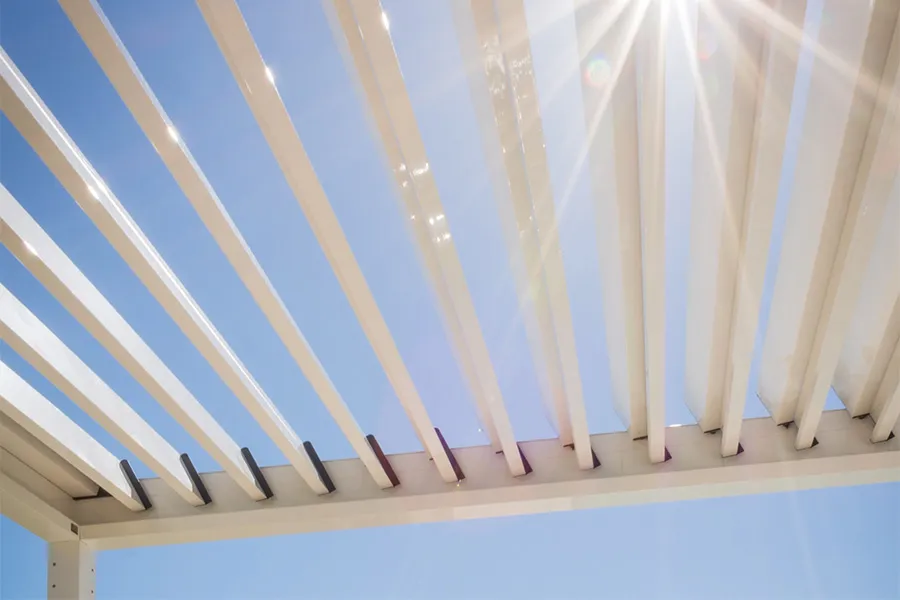
How severely will climate change affect our region? Luc Eeckhout of evr-architects, who teaches, among other subjects, on the postgraduate programme in human- and environmentally friendly construction as a guest professor at KU Leuven, painted a discouraging picture of how the climate in our country is changing. “By the end of the century, Belgium will face ten times as many hot days as it does today. Spain is moving closer to us, while our climate is moving away from us at a rate of 4 metres per hour and will never return, at least not in our lifetime. By 2050, Belgium will have the climate currently found in the south of France, while Spain will be desert. It is therefore high time to design buildings and homes that protect us from this phenomenon. Protection from the sun has become essential in this regard. Otherwise, we’ll all be cooked.”
Making smart use of the surroundings
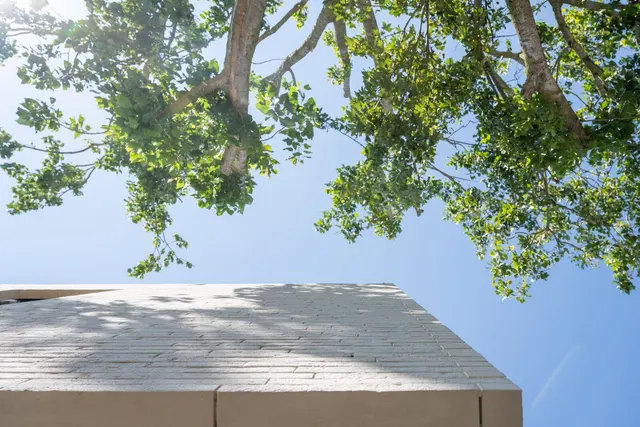
In other words, managing heat is one of the biggest challenges in climate-adapted design. Pixii, the Flemish knowledge platform for carbon-neutral construction, is also aware of this. “That’s why we no longer talk about solar shading, but about protection from the sun,” explains Els Vanden Berghe. “When people hear the term ‘solar shading’, they immediately think of particular products such as screens or awnings, whereas there are other ways to protect against summer heat. This includes making smart use of the surroundings, which are inseparable from the home or building. Planting is a good example. Planting trees or a vine in front of a south-facing window, for instance, provides the necessary shade and creates a cooling effect around the home or building, which helps enormously to keep indoor temperatures under control.”
Take a broader view
This strong case for protection from the sun fits perfectly with climate-adapted, carbon-neutral design and construction, the theme at the heart of the ARCHITECT@WORK Bruxelles seminar. “Climate adaptation means proactively considering the future and how our climate is going to change,” explain Luc Eeckhout and Els Vanden Berghe. “Given that average temperatures and extreme weather conditions in our region will continue to rise in the years and decades ahead, active and passive measures to combat overheating are essential, including in the pursuit of carbon neutrality. The more intelligently and effectively we keep the sun out, the lower the cooling load and the associated energy consumption. It is therefore important to take a broader view and look beyond energy efficiency alone when discussing climate adaptation and carbon neutrality. Now more than ever, we need an integrated approach to design, with solar shading as one of its considerations.”
Question about this story? Ask your question
Keep following this
Get an email when a new story is published. No account needed.
- ThemeFaçades and building comfort
- SubjectSolar shading