Flexible, sustainable and holistically ergonomic interior design solutions
Texte Tim Janssens Photos Kinnarps
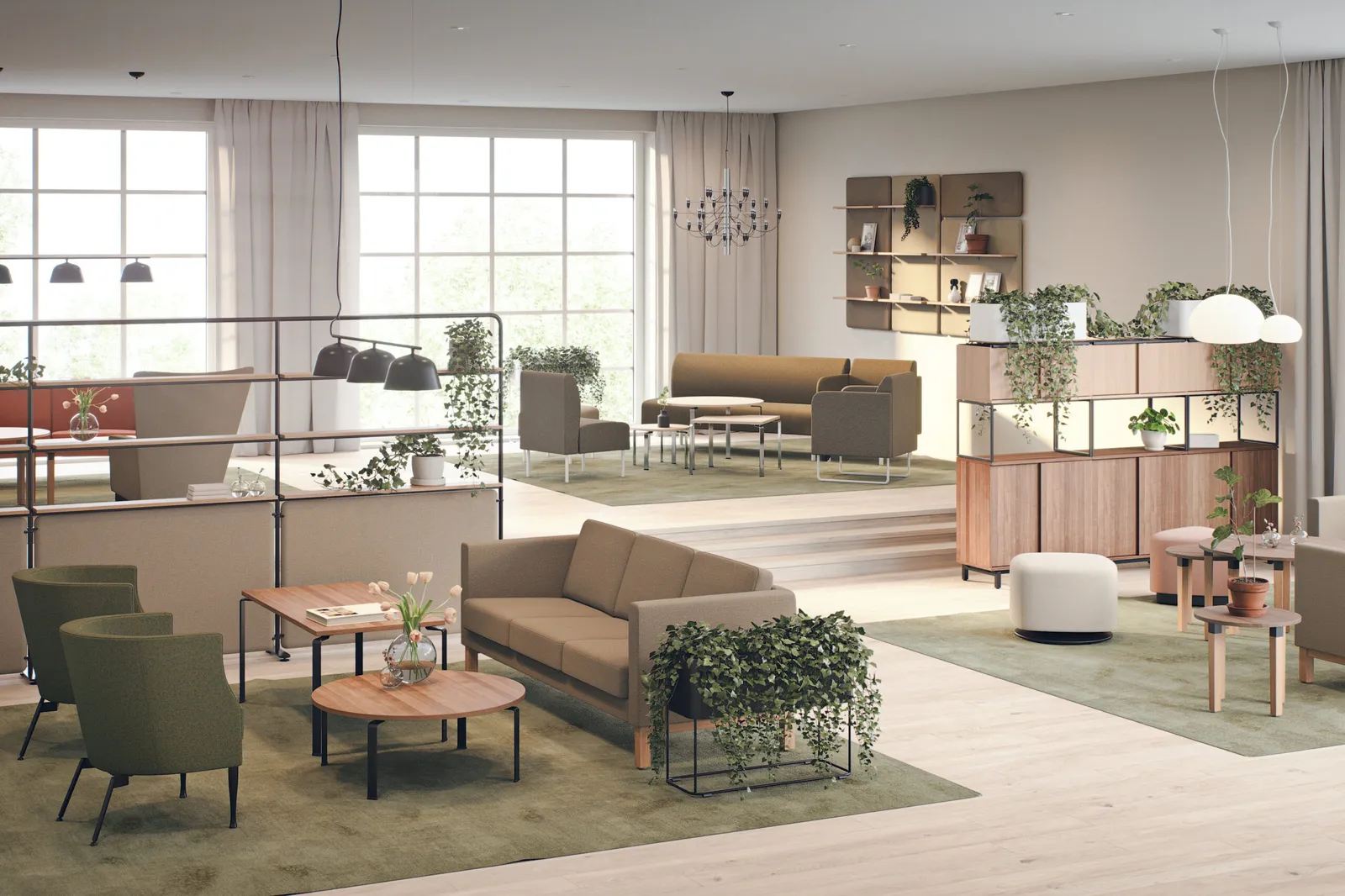
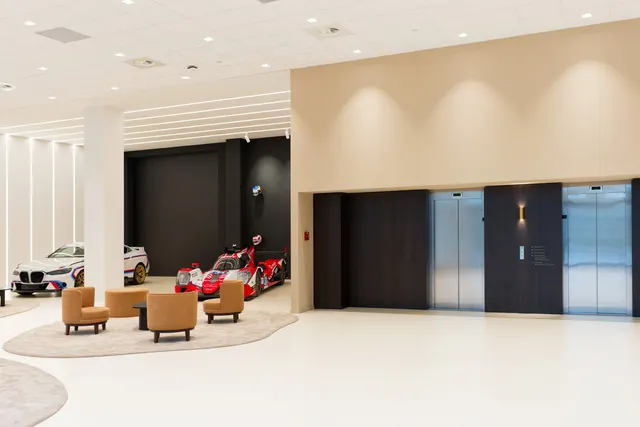
As a versatile provider of interior design solutions and office furniture, Kinnarps specialises in creating pleasant working environments that are perfectly suited to the culture of the company or organisation. The company places particular emphasis on sustainability, circularity and holistic ergonomics. The results speak for themselves: less stress and fewer health problems on the one hand, and greater wellbeing, motivation and productivity on the other.
With more than two hundred sales outlets in over forty countries and more than 1,650 employees, the Kinnarps Group has been one of Europe’s largest suppliers of ergonomic office furniture since 1942. The company also stands out for its comprehensive solutions for work, learning, living and care environments. “Of course, the furniture itself is crucial, but how spaces are used and laid out is just as important. Acoustics, for example, are a sensitive issue for many organisations. We are also moving towards increasingly diverse workspaces that combine different layouts: office clusters, individual offices, quiet and focus areas, …”, Kinnarps points out.
Holistic ergonomics
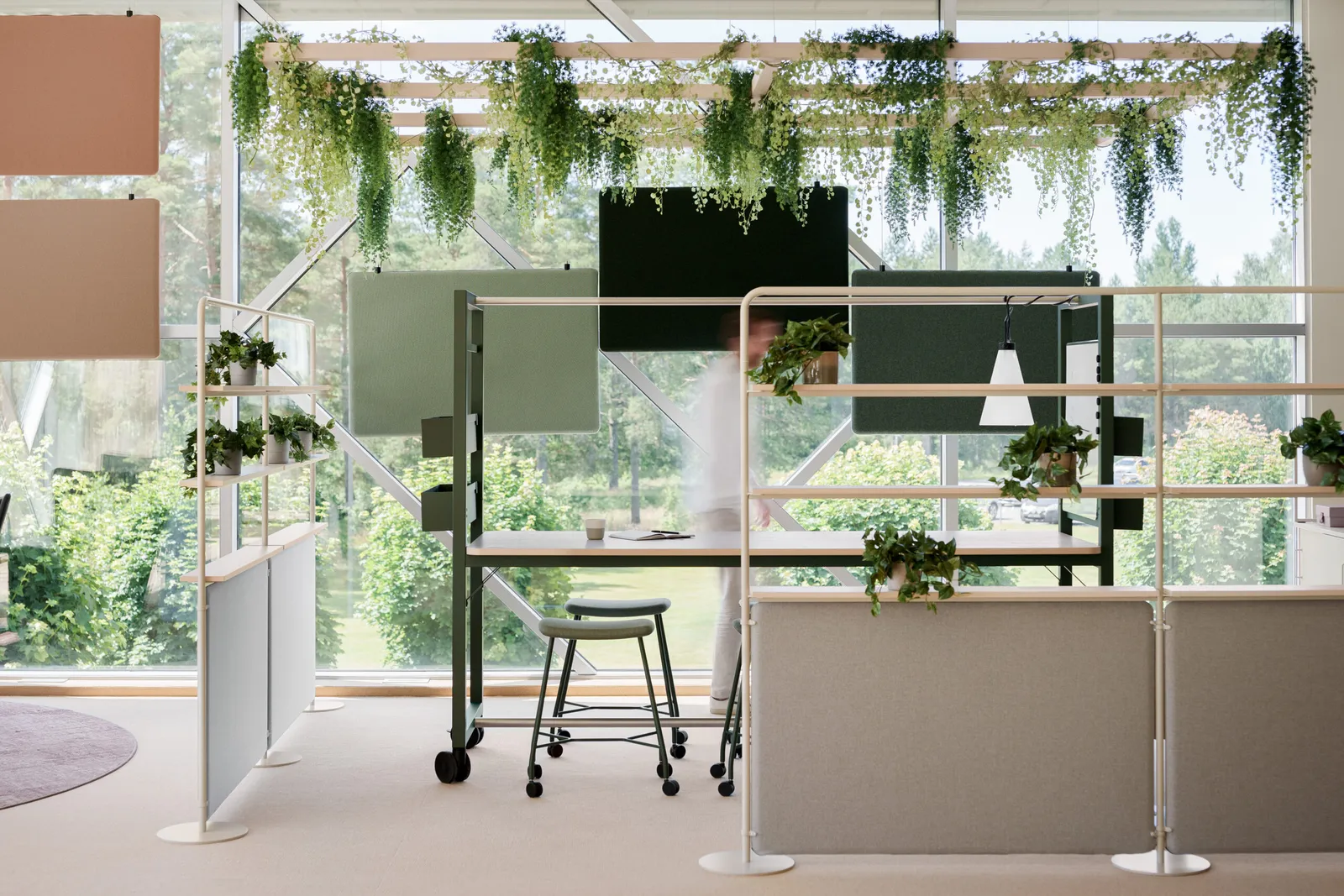
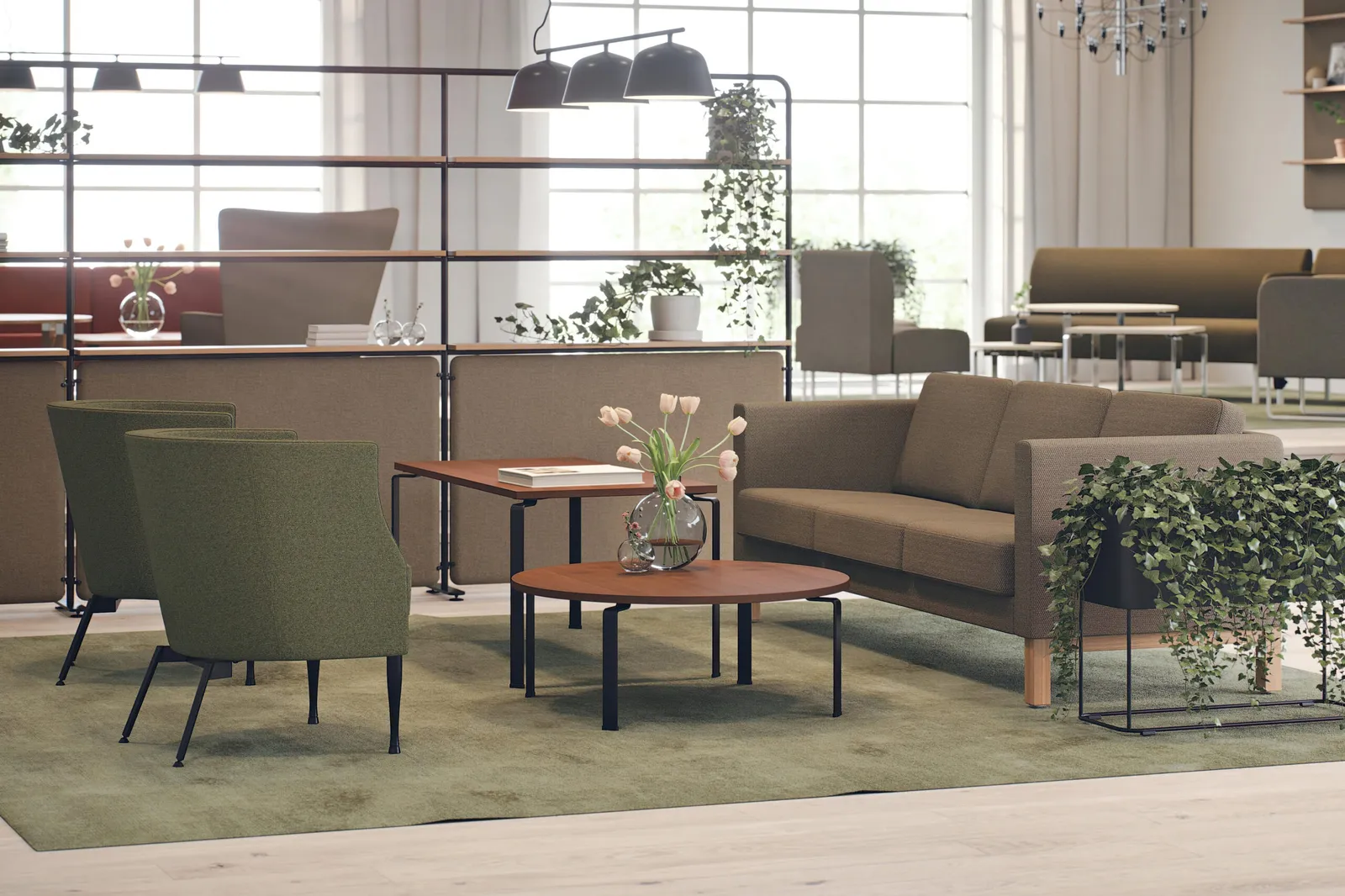
Kinnarps’ solutions are built around one fundamental principle: holistic ergonomics. This approach focuses on the overall experience of a space, in which furniture, layout, materials, colour choices and natural light all play a part. A notable trend in this context is the rise of biophilic design, which connects interiors with nature through architecture and design, benefiting human health and overall wellbeing. This is reflected, among other things, in the use of green and earthy tones, natural shapes and patterns, and the inclusion of plants and other touches of greenery. “These elements are no longer finishing touches: they need to be considered from the design stage onwards,” Kinnarps’ experts point out.
Social and mental factors, in other words how people feel in a given environment, are also essential considerations. That is why Kinnarps systematically analyses the culture and vision of a company or organisation before carrying out interior design work, to ensure a harmonious result.
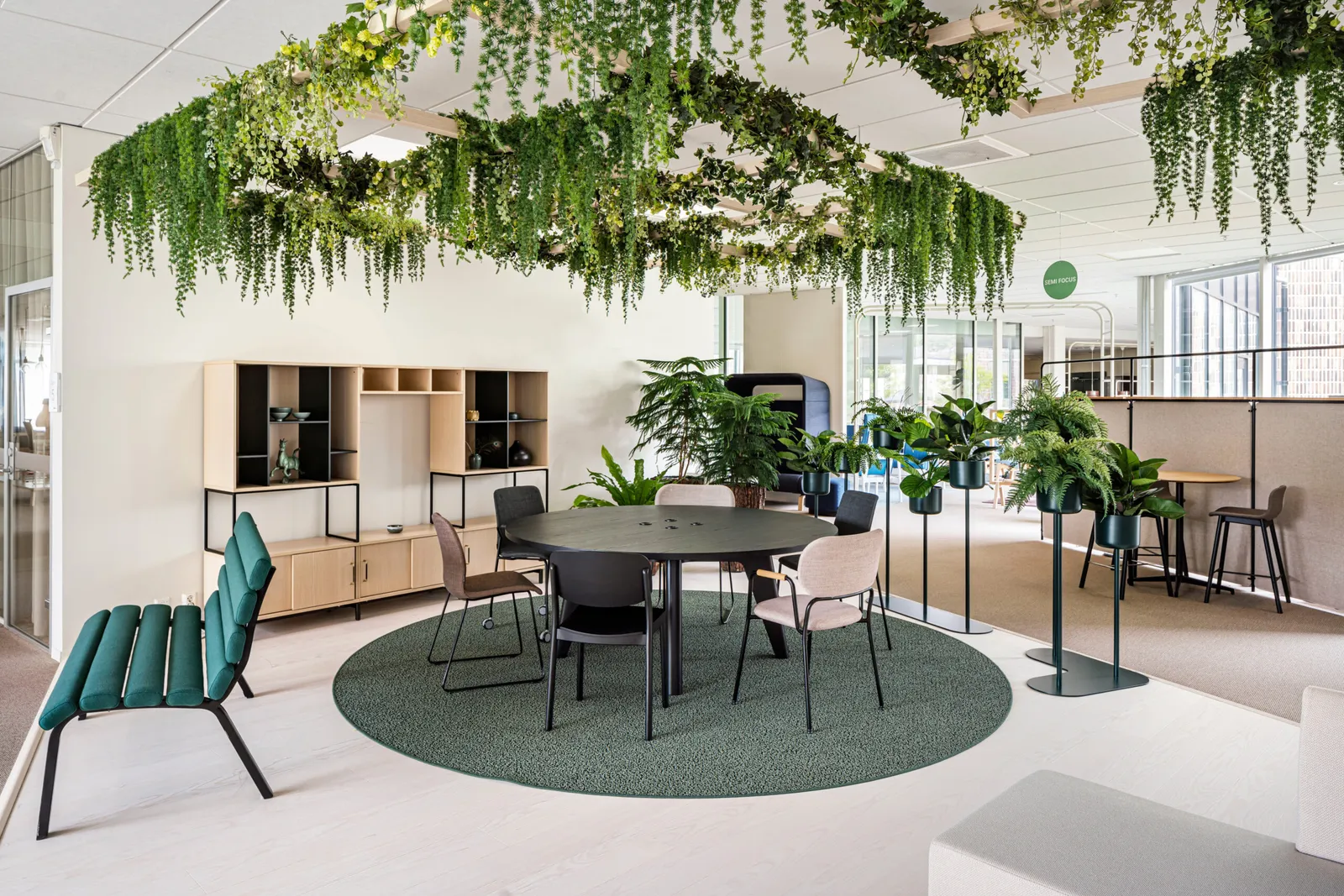
Sustainable circularity and inclusive design
Sustainable circularity is also a key priority for the Scandinavian multinational. It starts with choosing ergonomic, durable furniture. Flexibility is also essential, so that furniture and interior layouts can be easily adapted as circumstances and needs change. Furniture and interior fittings that have reached the end of their service life are reused elsewhere or dismantled and recycled.
As well as being sustainable and ergonomic, Kinnarps furniture is designed to be attractive, functional and suitable for as many employees as possible. Inclusive design is therefore a fundamental principle in developing new products, alongside co-creation. “We aim for designs that reflect the DNA of companies or organisations, rather than being swayed by fashionable design trends that will already be out of date in a few years. By working closely with our clients, we tailor our extensive expertise to their needs and ambitions. The result is meaningful design,” Kinnarps concludes.
Question about this story? Ask your question
Keep following this
Get an email when a new story is published. No account needed.
- ThemeBuilding with less carbon
- SubjectDirectory