Small country, big projects: every area of construction under the microscope
Texte Philippe Selke Photos www.photo-daylight.com
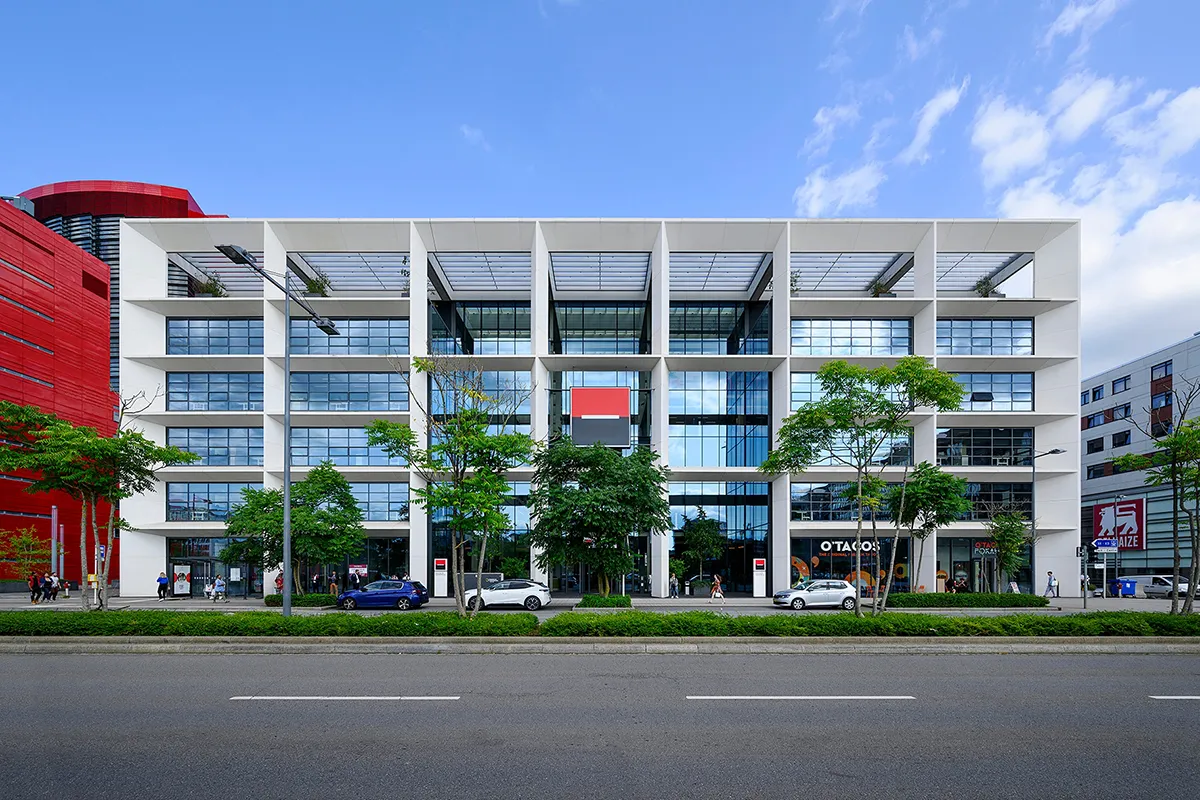
Founded by René Greisch in Liège in 1959, greisch is now a consulting and engineering firm based in the Cité Ardente, Brussels and Luxembourg, where 300 engineers, modellers and architects apply their skills to building and infrastructure projects. greisch is ideally placed to share its 65 years of experience in every area of construction with its neighbour Luxembourg, while learning from the Grand Duchy’s particular characteristics.
With a board made up exclusively of people who work at the firm, greisch has teams spread across three locations, including nearly 20 people in Capellen. Philippe Closset, director: “The areas of expertise of our staff across the three locations are determined by the types of market present at each site. In Luxembourg, we focus more on buildings, while we develop our civil engineering expertise from Liège. We have been established in Luxembourg since 2015. The 2008 crisis showed that operating in just one market was risky. We therefore decided to invest in Luxembourg because our small neighbouring country was investing heavily in housing, schools, and so on. The government is currently also investing heavily in infrastructure.”
Local opportunities and constraints
Axel Rémont, engineer in charge of the Luxembourg office, continues: “After working at the Liège site for 10 years, I joined the Luxembourg team in 2019. There were five of us at the time. While greisch was already well known here for its bridge projects, the same was less true of its building design work, particularly structural engineering. We still have to fight to establish ourselves in a market where structural optimisation is less sought after than in Belgium, as concrete costs make up a smaller share of a building’s sale price per square metre. In building services engineering, the country’s small size means there are not enough local resources available, so the market is more open to us. What is more, the public funding invested here makes it possible to consider technologies that we can only dream of in Wallonia. This is notably the case with district heating networks on a very large scale (see article on pages 20 & 21). There is clearly a vision for the future, and our studies are fully aligned with it.”
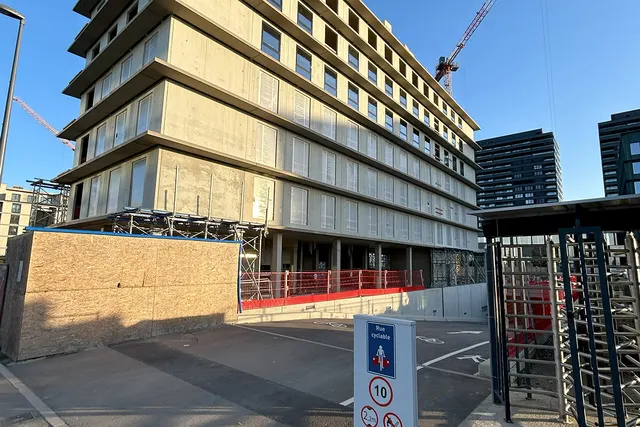
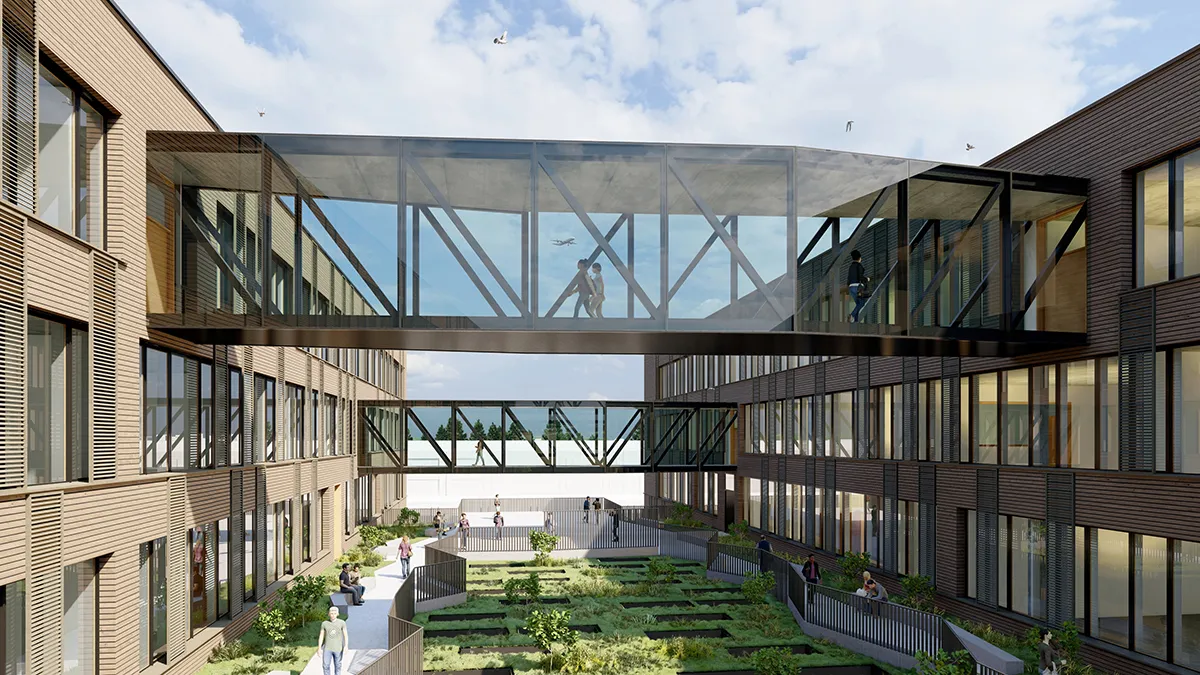
More money available means not only more projects, but also more ambitious ones. The firm’s first major timber-structure projects are in the Grand Duchy. “Roots”, a mixed-use development in Belval with timber structures on a concrete base (ArtBuild architectes for BPI and Unibra), drew on greisch’s structural engineering expertise (as well as its building services expertise) to maximise usable floor area while providing structural solutions suited to the different uses (housing, offices). Construction has begun on this project, which is expected to set an example in terms of sustainability, innovation and wellbeing.
Public initiatives
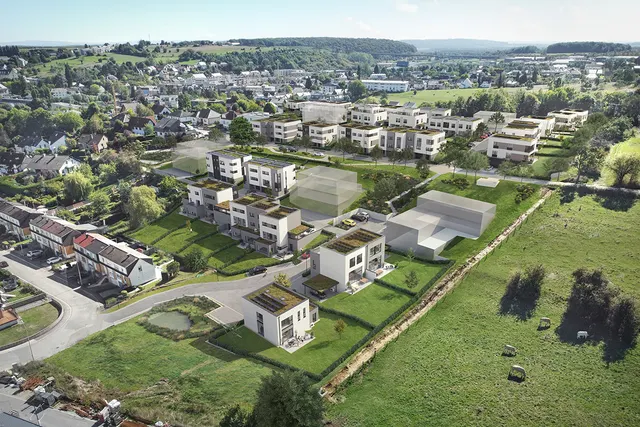
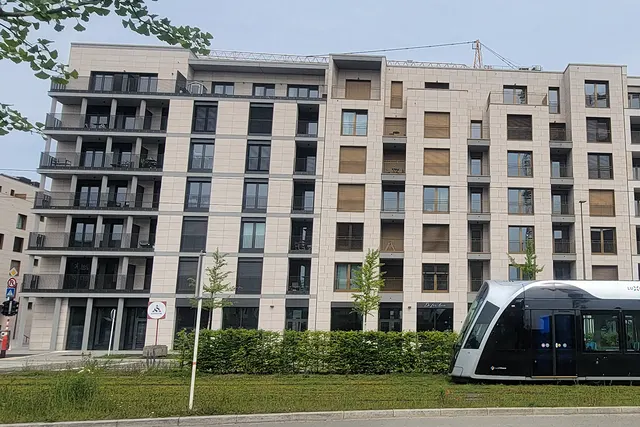
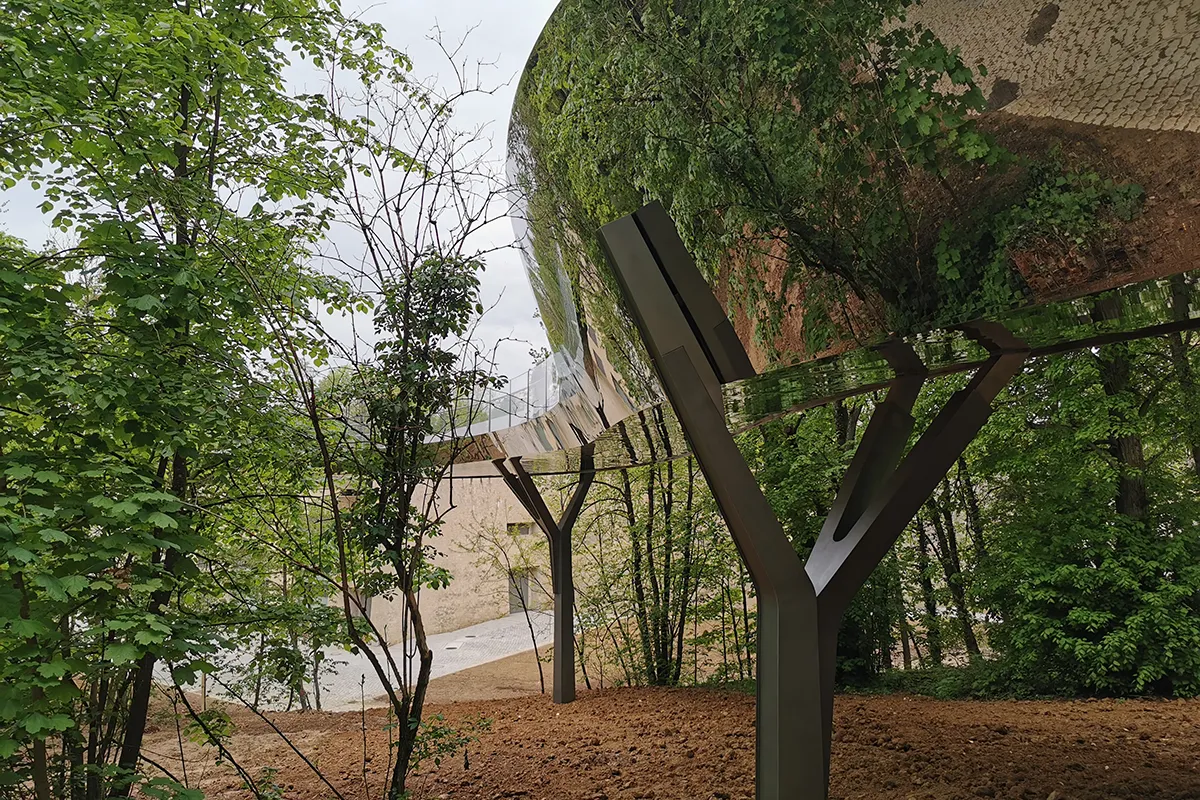
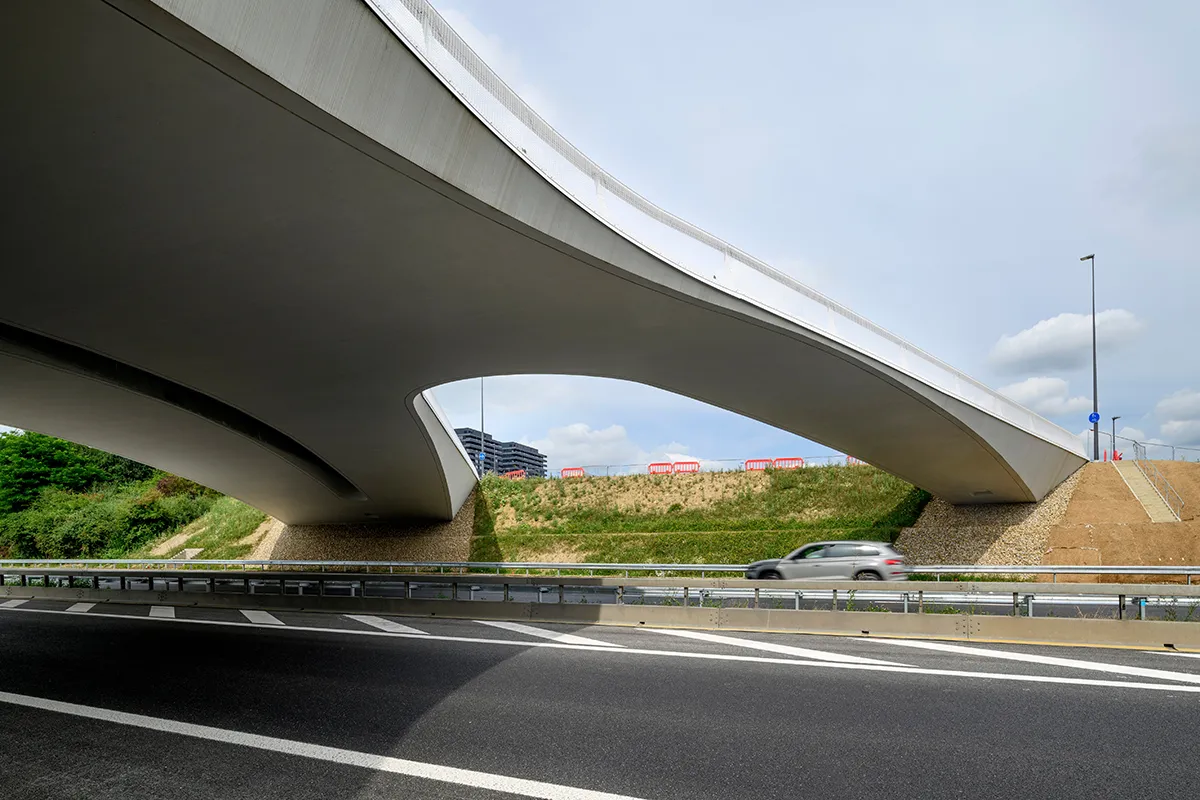
The property crisis has closed off Luxembourg’s development market. Projects such as “Icone”, an office building with retail units designed by Foster + Partners on the Belval site, for which greisch designed all the building services, are now just a fond memory. Public authorities such as the Fonds du Logement and the SNHBM, meanwhile, continue to invest to tackle the housing shortage. The Lycée Technique de Bonnevoie, which will accommodate 2,200 pupils and 200 teachers, is another major project, both complex and comprehensive. greisch was commissioned to design all the HVAC systems, a particularly demanding task given the diversity of facilities on the site (classrooms and workshops, swimming pool, sports hall, and so on). The Passerelle des Arts on the Kirchberg Plateau and the Y bridge crossing the A3 at Gasperich are two landmark bridge projects, with the latter also benefiting from greisch’s architectural expertise.
Five-legged sheep
Given the diversity of projects greisch takes on, one might wonder what the consulting and engineering firm does not do. Philippe Closset explains: “We are not interested in projects where the added value of engineering is not recognised. If there is no need to reinvent the wheel, even partially, it is not for us. We are more interested in the five-legged sheep… Environmental challenges motivate us, as they do the young people who join us. We are all looking for a sense of purpose in our work.”
Question about this story? Ask your question
Keep following this
Get an email when a new story is published. No account needed.
- SubjectLuxembourg