From window frames to construction sites
Texte Philippe Selke Photos Menuiserie Riche
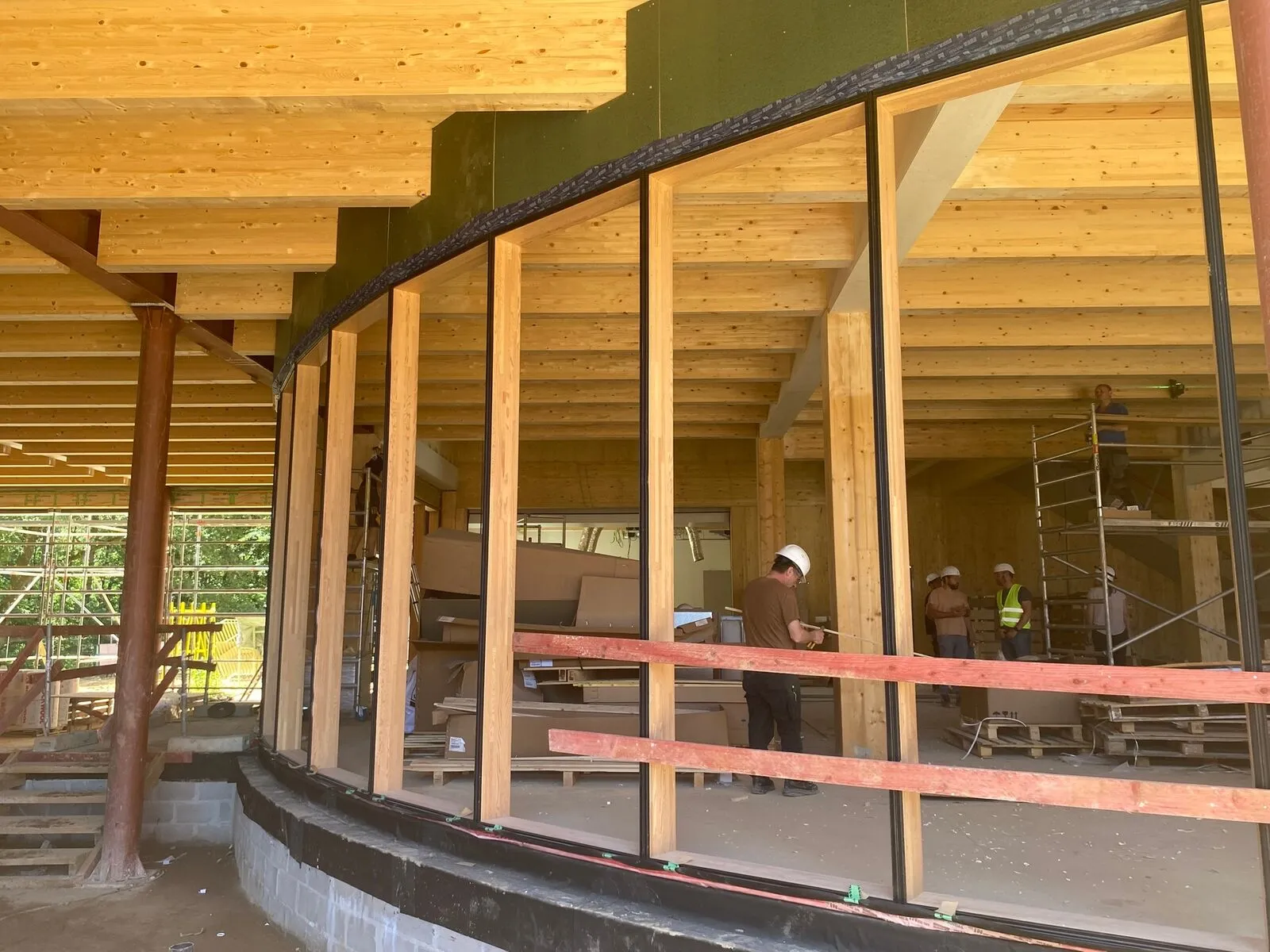
Long established in renovation and heritage work, Menuiserie Riche is now looking to showcase another aspect of its expertise: its ability to manufacture for large-scale projects. The creation of a dedicated project team within the Mariembourg-based (large) SME is intended to help it meet the specific demands of these projects, where the challenge goes beyond manufacturing. Technical studies, planning, BIM and installation coordination are now all part of the equation.
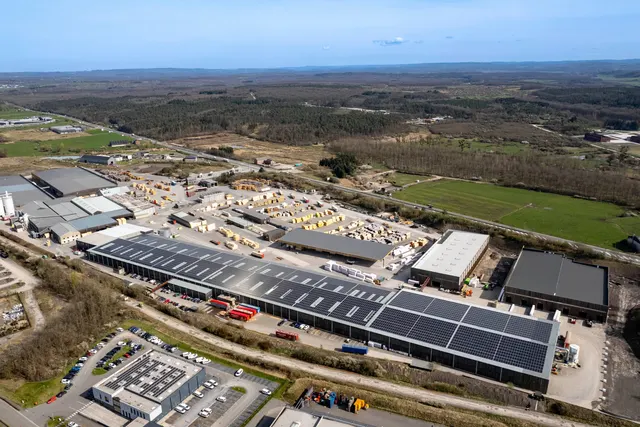
In the 1980s, Menuiserie Riche was already geared towards volume production. As PVC and aluminium gained ground over the following decades, the company gradually refocused on markets where timber retained a special place: renovation, heritage, grand residences and bespoke joinery. It supplied these markets through a partner network, which remains in place today across Belgium, Luxembourg and northern France.
The production facilities, however, remained. Alongside them, the company developed new solutions for contemporary construction: timber-aluminium window frames, triple glazing, 90 mm profiles and curtain walls.
“We have the industrial capacity, innovative profiles and products we have developed, but we were not reaching enough of the large-project market,” explains CEO Bruno Riche. This realisation recently led to the creation of a dedicated team.
Site work, a complementary skill
Scaling up does not simply mean producing more. Large buildings require specific management: reviewing specifications, preparing detailed plans, developing bespoke installation and airtightness solutions, coordinating with other trades and planning meticulously.
“Main contractors want technical answers, with plans and details. The vast majority of our customers, joiners and long-standing partners, were not active in this large-volume market, often because they feared the administrative and financial risks,” says Bruno Riche.
The new team currently brings together three people working on project management, quotations and administrative follow-up. Its structure will evolve as contract volumes grow, particularly by strengthening site management. Menuiserie Riche is therefore looking to work more as a subcontractor to main contractors, while retaining the option of working directly on some large-scale renovation projects.
Significant volumes already
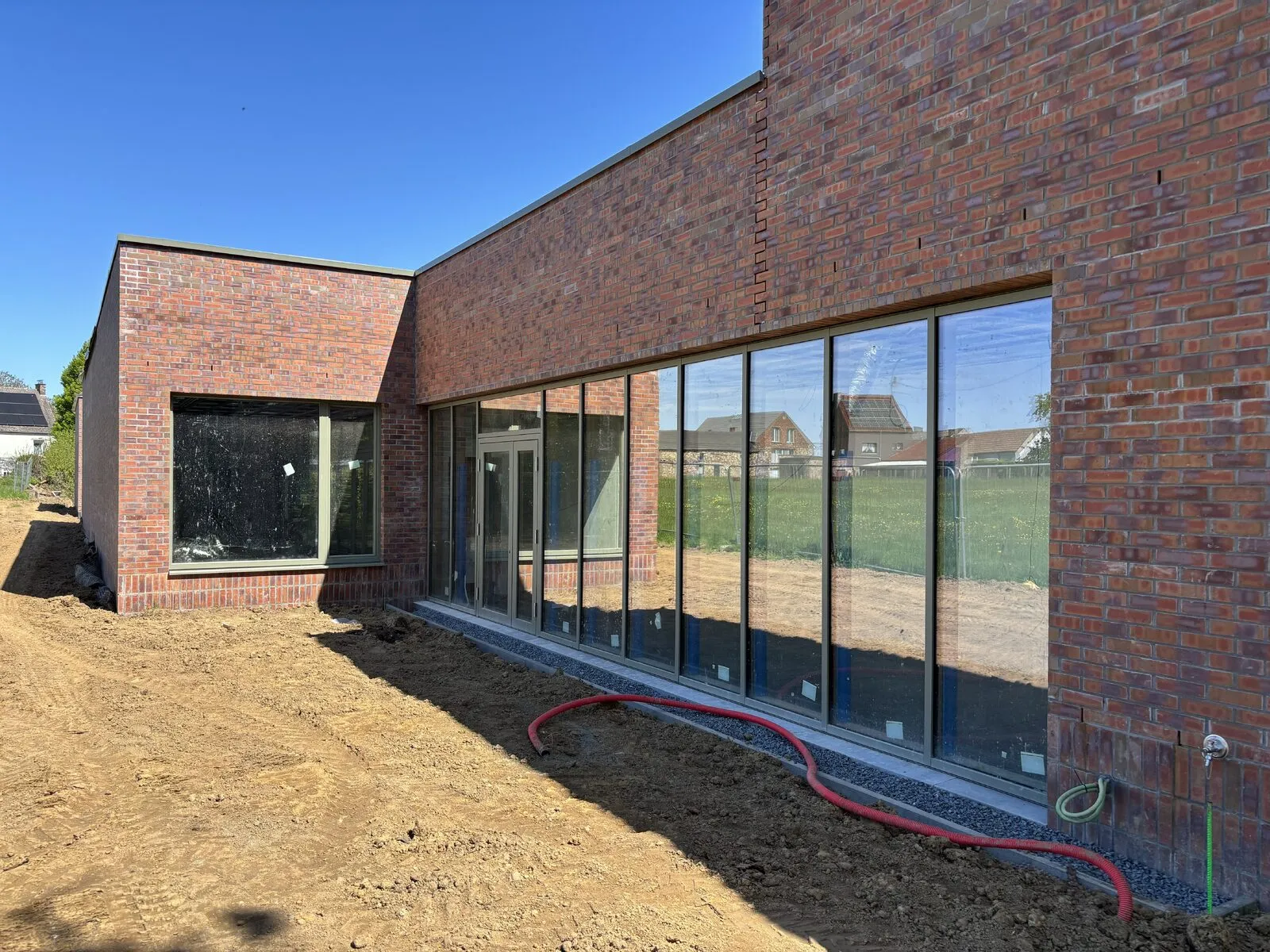
Several recent projects illustrate the change in scale. One project, for example, carried out with a Liège-based main contractor for the Société wallonne du logement, involved around 240 timber-aluminium window frames. Other projects included 120 and 370 m² of curtain walling respectively.
This approach is not entirely new, however. The company manufactured certain large projects every year, but supplied the products only. As far back as 2009, for instance, it manufactured 609 passive window units for a single project, including 80 90 mm lift-and-slide units developed specifically for the occasion.
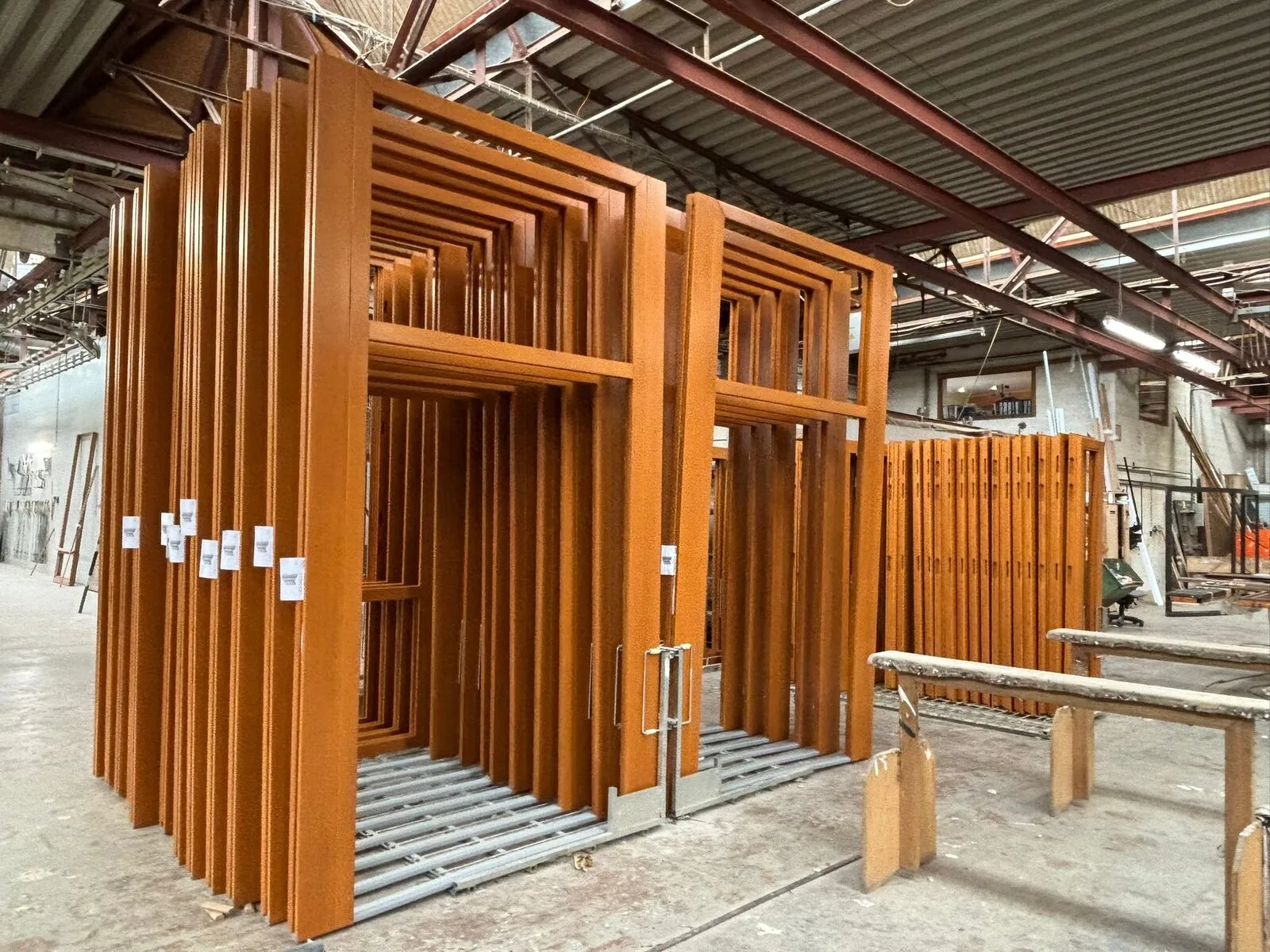
The challenge, then, lies less in the machinery than in the organisation. “We have significant spare production capacity. Growth needs to come mainly through staffing, not investment,” says Bruno Riche. Depending on the type of joinery, output can range from around 60 to 70 units a day for highly bespoke products to 100 or even 110 for more standardised window frames.
BIM and environmental data
Large projects also require structured technical information. The company works in BIM using Cadwork and can exchange open IFC files. It has also been working on environmental data for several years.
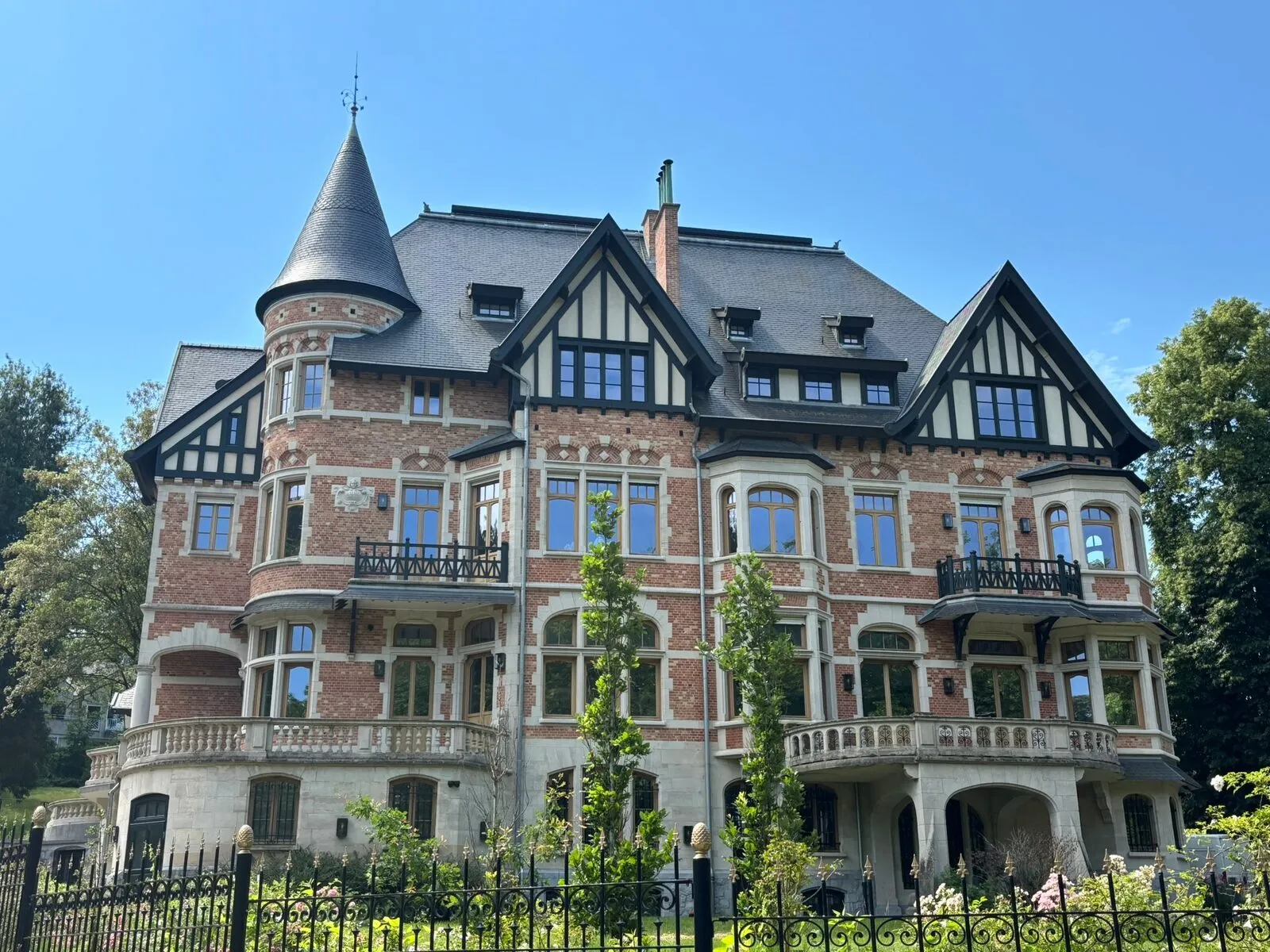
The first environmental product declarations (EPDs) for its window frames date back to 2016. Their inclusion in databases now makes the products more visible to specifiers and clients. “A major private client found us through Totem,” says Sustainability Manager Nathalie Lebrun. This connection led to renovation contracts in Louvain-la-Neuve, with an additional constraint: carrying out work in occupied buildings.
Coordinating installation and passing on skills
One essential link remains: installation. To handle projects of varying sizes, the company is developing partnerships with external installation teams, supervised by the project team.
This increase in volume also raises questions about in-house skills. It creates opportunities to bring young employees into the company alongside experienced workers and to gradually pass on expertise.
Question about this story? Ask your question
Keep following this
Get an email when a new story is published. No account needed.
- ThemeRenovating existing buildings
- SubjectTimber construction