Handmade bricks for the restoration of a historic landmark
Texte Philippe Selke Photo Briqueterie Houlé
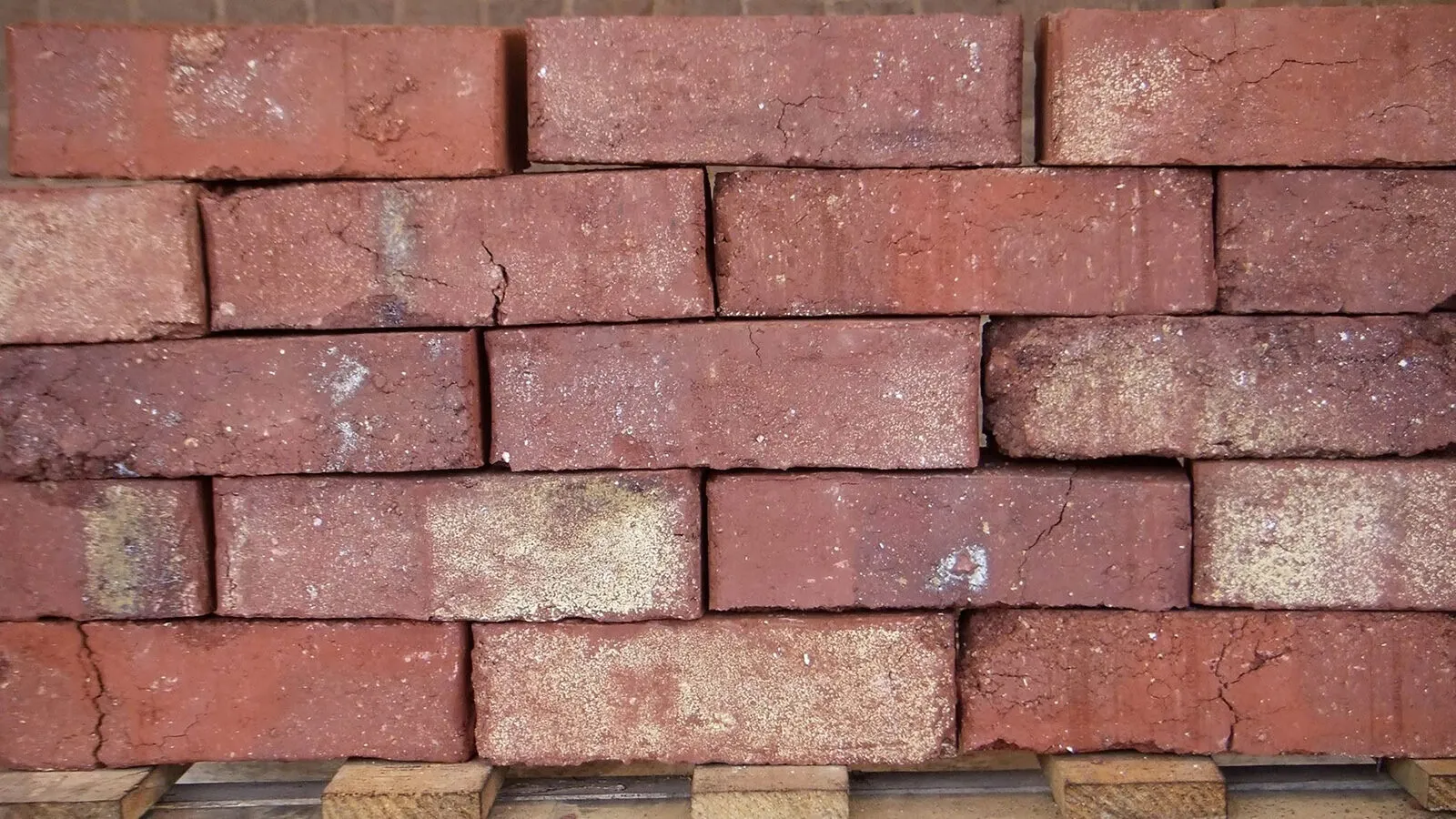
Restoring Mons Town Hall and its outbuildings means working with historic materials whose characteristics do not necessarily meet today’s standards. For the masonry work, the search for bricks compatible with the existing fabric led general contractor Galère to Briqueterie Houlé, based in Wanze.
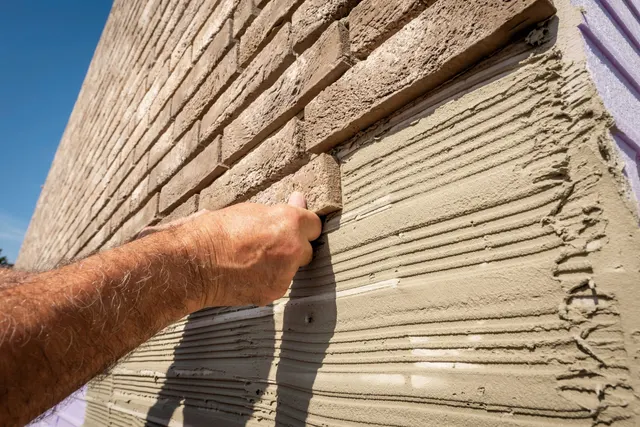
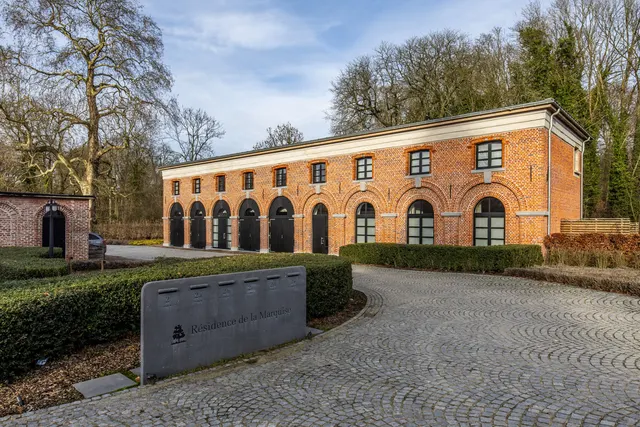
When replacing a brick in a historic building, it is not simply a matter of finding one with similar dimensions. The colour, size and appearance must allow the repair to blend into masonry that has stood for centuries.
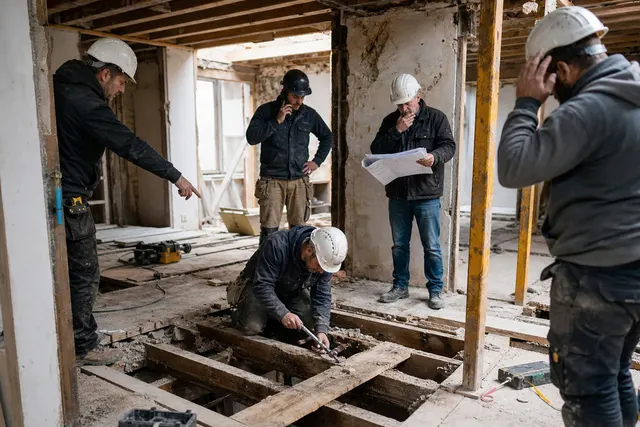
Galère therefore compared the options before making its choice. “We may have put forward ten or fifteen different suppliers, each with their own characteristics, colours and sizes,” explains Bertrand Bonmariage, head of Galère’s restoration department. Samples were then examined on site with all the stakeholders present, to identify the option that came closest to the existing bricks.
This process led to the selection of bricks made by hand at Briqueterie Houlé, among others. According to its manager, Mathieu Guitoun, the requested red colour was already part of the brickworks’ regular production. There was therefore no need to develop a special firing process for the project. “The main constraint was the size,” he explains.
Two sizes to match the existing masonry
Samples were produced before two sizes were approved. Some of the bricks were thinner, while retaining the same length. The deliveries were then split across several lorries, with the first arriving around March 2022 and another between late 2022 and early 2023.
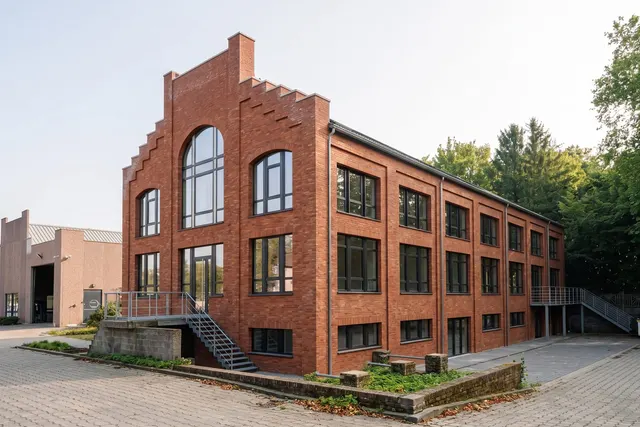
The bricks were used mainly to repair the rear façades of the town hall, restore the large brick gables and repair the internal eaves walls in the roof space.
Part of a wider restoration project
The supply formed part of a project in which the choice of materials depended largely on trials and samples. For Bertrand Bonmariage, this research is an integral part of working on historic buildings: the aim is to select “the brick that comes closest to the original or existing colour, or to the original size”.
Briqueterie Houlé’s contribution highlights a discreet but essential aspect of restoration: adapting production to the characteristics of historic masonry without trying to erase the marks left by time.
Question about this story? Ask your question
Keep following this
Get an email when a new story is published. No account needed.
- ThemeRenovating existing buildings
- SubjectRenovation