











COPRO in Wallonia: certification, safety and sustainability in road infrastructure
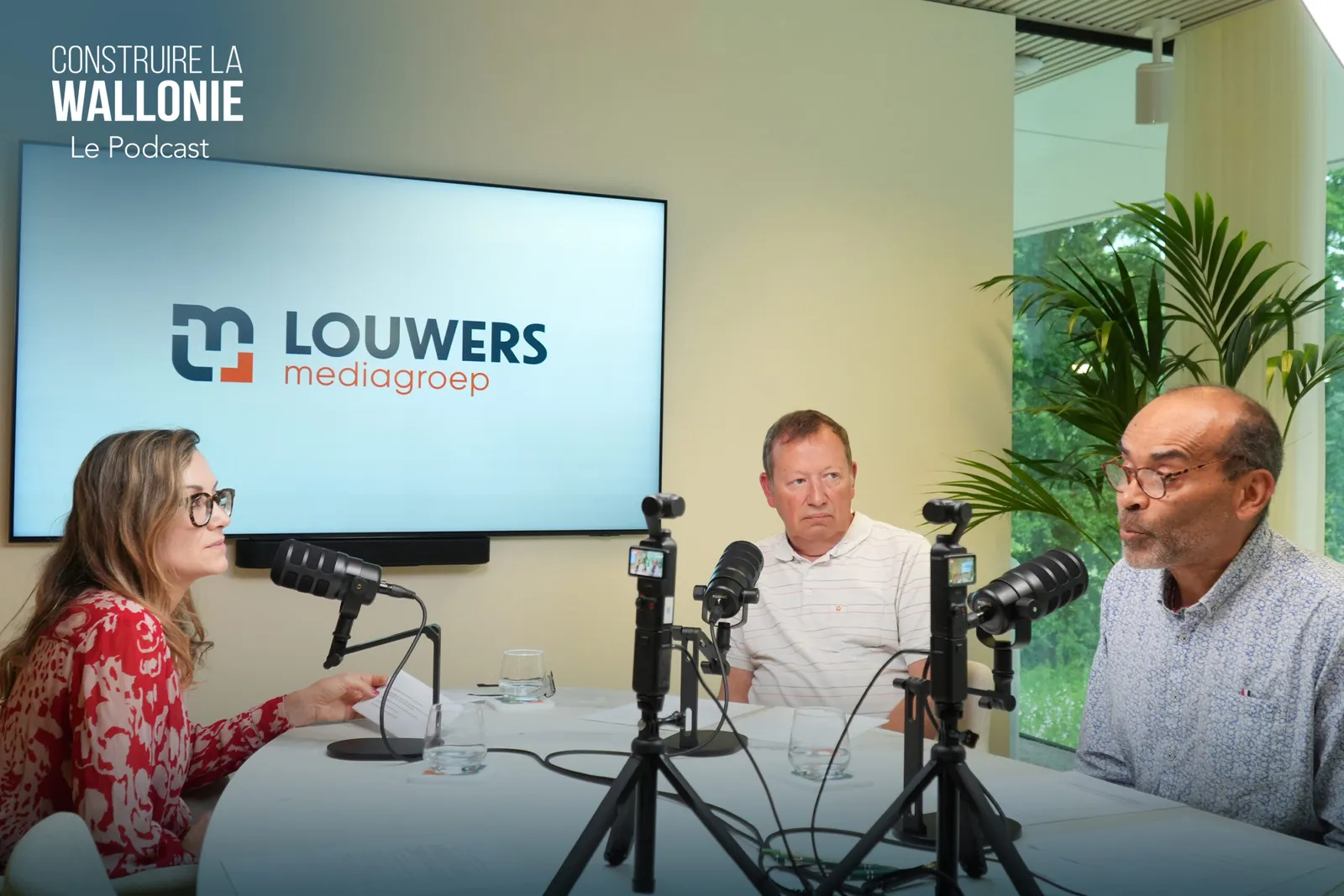
How can we ensure safer, more sustainable and higher-quality road infrastructure in Wallonia? In this episode of Construire la Wallonie, Stéphanie Diaz Cuenca talks to Bernard Cornet and Stéphane Baguet from COPRO. They explain the role of certification and independent inspection in the construction sector, from the quality of road markings to recycled aggregates, and including the reduction of CO2 emissions, traceability of excavated soil and digital transformation. The episode also looks at the DIGILAB and MYCOPRO tools, the use of artificial intelligence and COPRO’s role in harmonising practices and building trust between producers, contractors, public authorities and citizens.
Een zakelijke vraag aan COPRO? Get in touch
Full transcript
Alle hoofdstukken (116)
- Welcome and the state of the roads in Wallonia
- The quality chain
- Introducing COPRO
- The origins of COPRO
- The challenges of inspection
- Production control
- An independent organisation
- The importance of independence
- Impartiality, neutrality and independence
- Compliance with the rules
- Confirmation
- Checking specifications
- A record of what is delivered
- Quality control
- Checks carried out under a framework
- Validating the results
- The trust of public authorities
- The infrastructure being built
- Activities in Wallonia
- The construction sector
- Road markings
- Marking visibility
- Testing at Baillonville
- Road restraint systems
- Infrastructure safety
- The contribution of certification
- An objective assessment
- Methodologies and reference frameworks
- An objective snapshot
- Environmental challenges
- The sector’s emissions
- New indicators
- Monitoring environmental targets
- End-of-waste status
- Environmental compliance
- Criteria for end-of-waste status
- From waste to product
- Recycled aggregates
- COPRO’s expertise
- The CO2 Performance Ladder
- Structuring emissions reductions
- Energy management
- Reduction targets
- Incorporation into tender documents
- Sustainability in public procurement
- COPRO’s role with Walterre
- The partnership with Walterre
- Informing the public
- New practices for the sector
- Oversight of Walterre
- Digital transformation
- Reliable, validated data
- Understanding digital transformation
- The abundance of data
- The scale of AI
- AI-generated information
- Ten years of transformation
- The quality of data exchanged
- Thinking critically about information
- BIM and data quality
- COPRO’s contribution
- COPRO’s digital tools
- DIGILAB
- Processing the results
- Centralising information
- Digital communication
- MYCOPRO
- A platform between COPRO and its clients
- Artificial intelligence
- The role of AI
- A large volume of data
- Detecting quality issues
- Predictive AI
- Risk analysis
- AI as a support tool
- Administrative tasks
- Certifying AI
- A future possibility
- The near future
- A possibility
- Dialogue across the sector
- Working groups
- Technical and environmental aspects
- The Qualiroutes reference framework
- SPW working groups
- Bridging technical and environmental concerns
- Bridging the gap
- Finding consensus
- Finding compromises on site
- On-site audits
- Putting it into practice
- Feedback for the working groups
- Consistency between regions
- Harmonisation across the country
- Environmental responsibilities devolved to the regions
- A presence in all three regions
- The benefits for producers
- Supporting producers
- The benefits for contractors
- Building trust
- Bringing stakeholders together
- Consensus among stakeholders
- The sector’s transition
- Supporting the transition
- Digital and environmental transitions
- Final thoughts
- Complex challenges
- Putting it into practice
- Explaining things in plain language on the ground
- Independence and listening to people on the ground
- Making the issues accessible
- COPRO serving the sector
- Certification as a tool for trust
- The various stakeholders
- End of the episode
- Thanks
Welcome and the state of the roads in Wallonia
Stéphanie Diaz Cuenca Hello everyone, and welcome to Construire la Wallonie and this new podcast produced with the support of COPRO. As you know, the state of the roads in Wallonia is regularly the subject of debate. Citizens have high expectations, and rightly so, when it comes to the quality, safety and sustainability of the infrastructure they use every day.
The quality chain
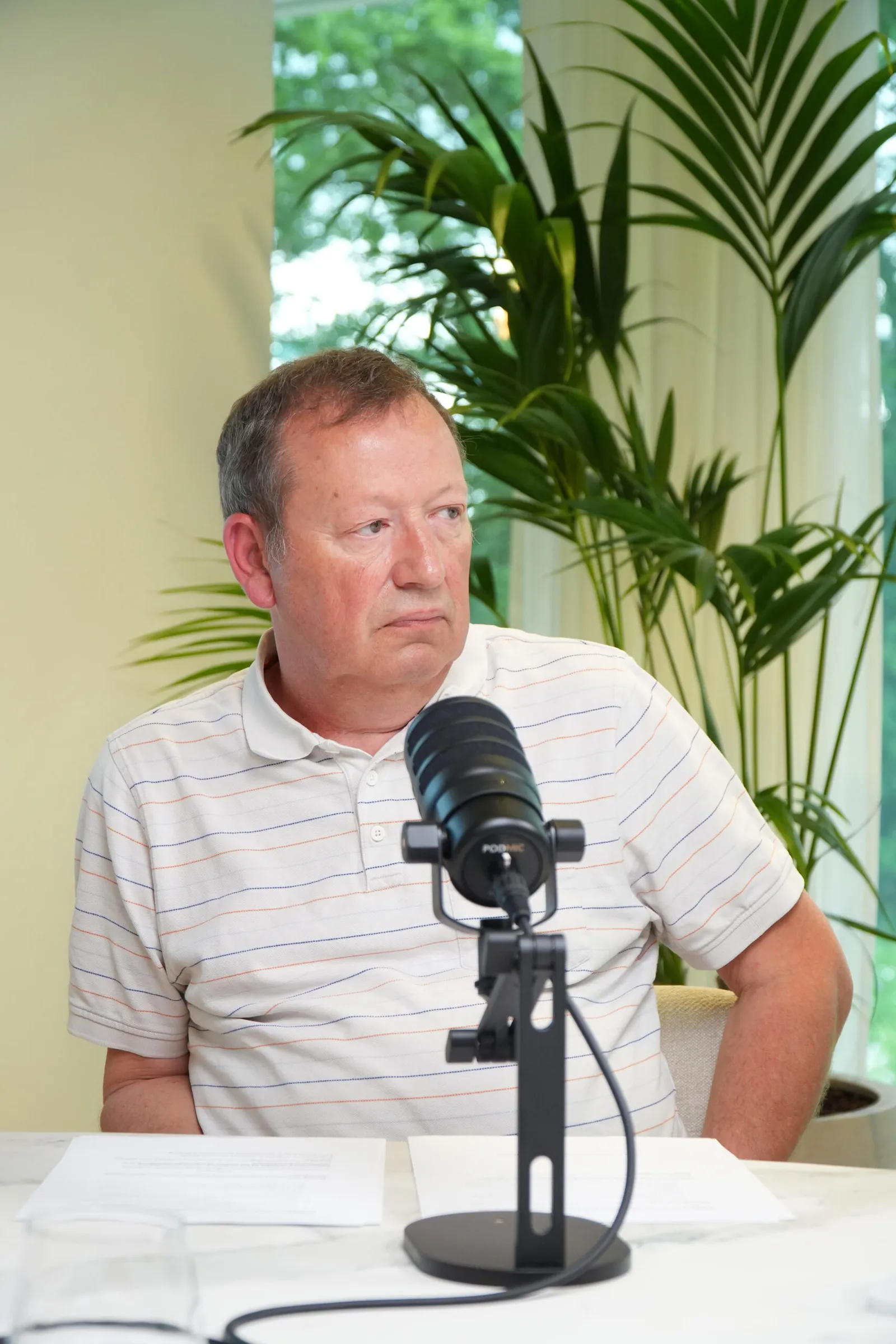
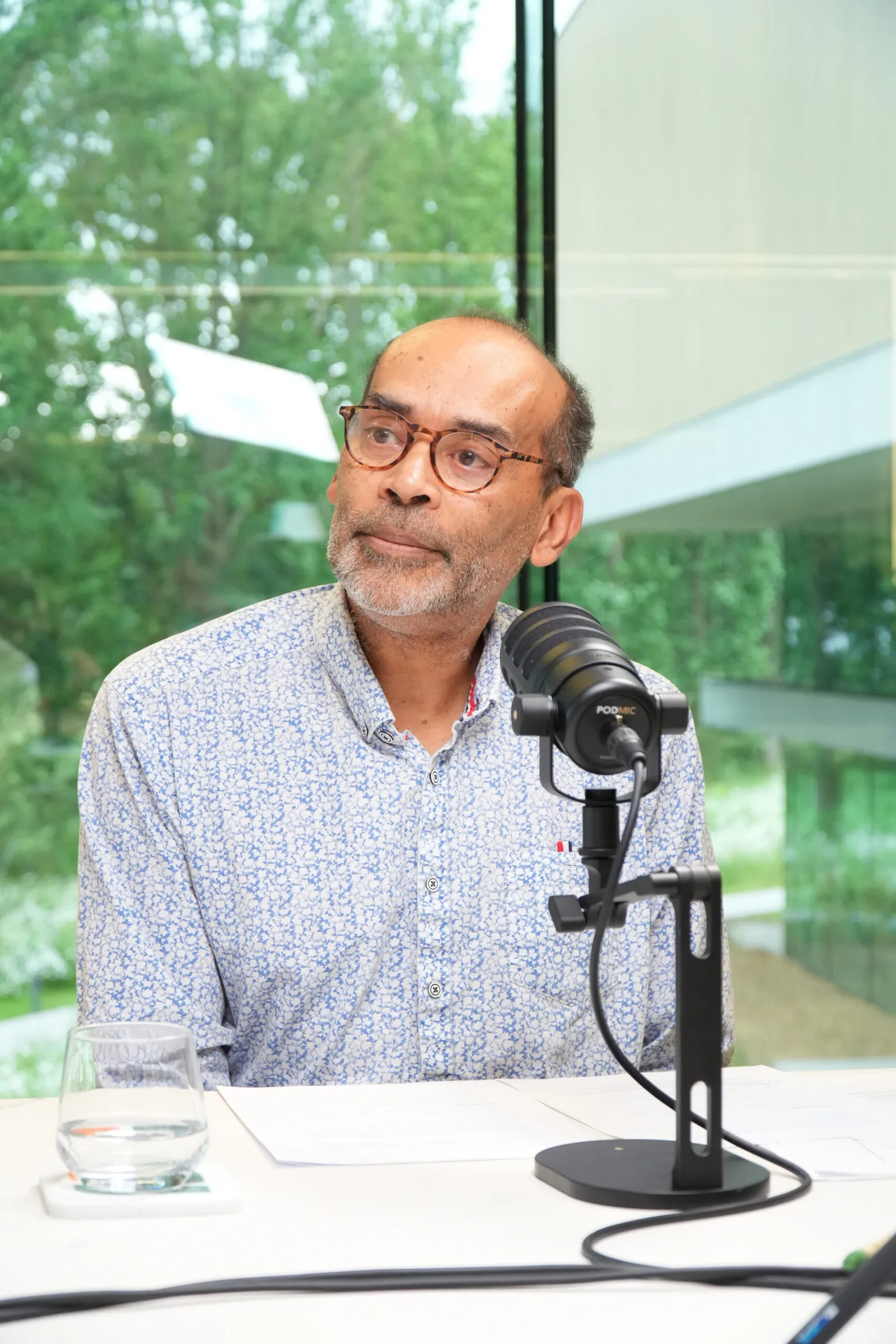
Stéphanie Diaz Cuenca Behind this infrastructure lies an entire quality chain. And COPRO works precisely at this level. To discuss this, I’m delighted to welcome Bernard Cornet, Business Development Brussels/Wallonia, and Stéphane Baguet, Certification & Inspection Manager at COPRO.
Introducing COPRO
Stéphanie Diaz Cuenca So, forgive my English accent, I hope I pronounced that correctly. My first question is for you, Bernard. Could you briefly introduce COPRO? What is its mission? How did the organisation come about?
The origins of COPRO
Bernard Cornet Well, COPRO was founded more than 40 years ago in response to a practical need arising from public procurement. It’s worth noting that, under public procurement rules, contracting authorities are required to check the quality of products delivered to construction sites and used in the works.
The challenges of inspection
Bernard Cornet And we realised that this was not always straightforward, depending on the type of product and the various conditions involved. There were also a number of practical aspects that needed to be reviewed.
Production control
Bernard Cornet That led to the idea of carrying out checks during production, as part of the production chain, to ensure that the products delivered to the site were of the right quality.
An independent organisation
Stéphanie Diaz Cuenca So, as I understand it, we’re talking about an independent organisation.
Read the full transcriptCollapse transcriptnog 109 hoofdstukken
The importance of independence
Stéphanie Diaz Cuenca Stéphane, why is the assessment of an independent and impartial organisation so important in building trust in the infrastructure we use every day?
Impartiality, neutrality and independence
Stéphane Baguet […] key pillars: impartiality, neutrality and independence. So we consider it essential to check the quality of products on the basis of these three key pillars.
Compliance with the rules
Stéphane Baguet We don’t set the rules of the game, but we check that they are followed.
Confirmation
Stéphanie Diaz Cuenca Exactly.
Checking specifications
Stéphane Baguet Exactly. We check that the specifications and objective criteria set by the authorities, or the specifiers, for what constitutes a good product for road infrastructure have actually been met.
A record of what is delivered
Stéphane Baguet So we try to provide an assessment, a snapshot of what is actually delivered or what should have been expected.
Quality control
Stéphanie Diaz Cuenca Would it be fair to call this quality control?
Checks carried out under a framework
Stéphane Baguet It is quality control, yes. These checks aren’t carried out just any old way. There are defined rules and standards to be followed.
Validating the results
Stéphane Baguet They must be followed in particular for the results to be validated. So the process isn’t disorderly or, I would say, inconsistent. There is coherence and structure behind what we can […].
The trust of public authorities
Stéphane Baguet The expected outcomes for public services, or rather the authorities, are a check that their specifications have been met, in which they can have confidence.
The infrastructure being built
Stéphane Baguet That is being built today.
Activities in Wallonia
Stéphanie Diaz Cuenca And Bernard, what areas are you active in today in Wallonia?
The construction sector
Bernard Cornet COPRO is mainly active in the construction sector. It’s worth noting that quality in infrastructure encompasses several aspects.
Road markings
Bernard Cornet We focus on the quality of the products used in the works, and so on. It’s very much a specialist area. Among our activities in Wallonia is the certification of road markings to check their visibility and retroreflectivity.
Marking visibility
Bernard Cornet That’s very important. Absolutely. All drivers know that you only need the chance to drive on a road without markings once to realise how effective the system is.
Testing at Baillonville
Bernard Cornet It’s always quite striking. Another interesting point is that we also carry out road tests at Baillonville, on the N63 between Marche-en-Famenne and Liège.
Road restraint systems
Bernard Cornet There, we test markings in real-life conditions, with actual traffic. It’s a real open-air laboratory. We also certify road restraint systems, including safety barriers, safety systems along roads and crash cushions.
Infrastructure safety
Bernard Cornet This is also very important for safety across all our infrastructure. In this way, COPRO helps build confidence in the infrastructure across our country and region.
The contribution of certification
Stéphanie Diaz Cuenca Absolutely. Stéphane, we can say that this certification directly helps improve the safety, quality and sustainability of infrastructure. Without you, none of this would be possible.
An objective assessment
Stéphane Baguet Absolutely. You haven’t said otherwise […]. Carrying out an objective assessment against predefined criteria means following a consistent methodology from the project’s development through to its completion.
Methodologies and reference frameworks
Stéphane Baguet These aren’t things that are improvised. They are controlled and carried out according to specific methodologies and reference frameworks. We try to provide the most objective and neutral assessment possible because, I would say, we have no vested economic interests.
An objective snapshot
Stéphane Baguet Our only role is to provide an objective, qualitative snapshot of what is expected or what has actually been achieved.
Environmental challenges
Stéphanie Diaz Cuenca In any case, it’s essential. Bernard, construction is facing major environmental challenges today. That’s no secret. How does certification help drive the shift towards greater sustainability?
The sector’s emissions
Bernard Cornet The construction sector is one of the largest contributors to global CO2 emissions. […] of emissions come from the construction sector.
New indicators
Bernard Cornet In the face of this reality, action is needed. The construction sector itself has already taken quite a few initiatives in this area. But that also means introducing new monitoring indicators and incorporating new elements.
Monitoring environmental targets
Bernard Cornet In this context, certification can play a neutral role, as Stéphane mentioned earlier, by checking that the new indicators being used as benchmarks are being met and that the targets set are achieved, in terms of reducing CO2 emissions, greenhouse gas emissions and energy consumption.
End-of-waste status
Stéphanie Diaz Cuenca Stéphane, while we’re on the subject of the environment, we’re hearing more and more about end-of-waste status, or, to use your jargon, […]. Could you explain in simple terms what it means and why it has become an important issue for the sector?
Environmental compliance
Stéphane Baguet This is indeed a new issue, or at least a new topic, because until now we only checked technical compliance, generally the technical compliance of construction products. But we are now seeing increasing environmental pressure for products to meet requirements relating to environmental safety and their harmful effects on people.
Criteria for end-of-waste status
Stéphane Baguet End-of-waste status simply involves starting with, I would say, a waste material and establishing criteria. These criteria are predefined: they were drawn up by the Walloon legislator and translated into an executive order by the government.
From waste to product
Stéphane Baguet Subject to certain conditions, which are defined, a waste material becomes a product. The main benefit of end-of-waste status is that we are no longer recovering waste, but products.
Recycled aggregates
Stéphane Baguet So why are we hearing so much about it in Wallonia now? Because end-of-waste status has become mandatory for recycled aggregates. And everyone knows that recycled aggregates are among the materials most widely used in road infrastructure.
COPRO’s expertise
Stéphane Baguet So it made sense for our technical and environmental expertise to be called upon in this sector too.
The CO2 Performance Ladder
Stéphanie Diaz Cuenca Of course. Bernard, reducing CO2 emissions is becoming a criterion. Stéphane and I have just discussed this. In public procurement, people are talking in particular about the CO2 Performance Ladder. What is it?
Structuring emissions reductions
Bernard Cornet So, the CO2 Performance Ladder is a tool that helps companies structure their efforts to reduce carbon emissions. It requires them to gain a better understanding of their consumption and identify the main sources of emissions.
Energy management
Bernard Cornet It puts a system in place that enables them to manage their energy use and understand what types of energy they are using.
Reduction targets
Bernard Cornet They take action to meet the reduction targets they have set themselves. Recently, Minister François Desquesnes highlighted the particular importance of this approach in Wallonia.
Incorporation into tender documents
Bernard Cornet And from 2027, Wallonia will gradually incorporate the Performance Ladder into all its tender documents. Environmental concerns will therefore also become an important criterion.
Sustainability in public procurement
Bernard Cornet This applies to all the tender documents used by SPW Mobilité et Infrastructures and SOFICO. This is an important development because, following the adoption of the Performance Ladder and other measures, sustainability is becoming a tangible criterion in public procurement.
COPRO’s role with Walterre
Stéphanie Diaz Cuenca Stéphane, you are also involved with Walterre. What role does COPRO play in this traceability system for excavated soil?
The partnership with Walterre
Stéphane Baguet […] of the environment, we became known mainly in Wallonia through our partnership with the non-profit organisation Walterre. What I would highlight about our work with Walterre, for example, is the roadshows we held in Wallonia’s five provinces.
Informing the public
Stéphane Baguet Why? Because one of Walterre’s aims was to inform the general public, in particular, as well as the participants. It is also a matter of finding the right approach.
New practices for the sector
Stéphane Baguet It is not always easy to get messages or new ideas across to a sector that is not used to working in these ways.
Oversight of Walterre
Stéphane Baguet Now, I would say we are still involved with the non-profit organisation, overseeing its work by carrying out annual audits of its operations to check that it continues to comply with the terms of its remit.
Digital transformation
Stéphanie Diaz Cuenca So, having discussed sustainability and environmental issues, we’re now going to talk about the sector’s digital transformation. Bernard, as we know, the construction sector is undergoing a profound digital transformation.
Reliable, validated data
Stéphanie Diaz Cuenca Why has it become essential to have reliable, validated data?
Understanding digital transformation
Bernard Cornet Digital transformation is indeed becoming increasingly visible. We need to understand it properly. The aim is to make our lives easier, not more complicated.
The abundance of data
Bernard Cornet Data is everywhere. In your car, you’re overwhelmed with information, and with the arrival of AI in particular, it’s really taking on a…
The scale of AI
Stéphanie Diaz Cuenca A huge scale.
AI-generated information
Bernard Cornet A very significant proportion. But AI also generates a lot of information.
Ten years of transformation
Stéphanie Diaz Cuenca And you’ve been working at COPRO for ten years now, so you’ve seen this transformation for yourself and experience it every day.
The quality of data exchanged
Bernard Cornet We do indeed experience it every day. We’re being asked for more and more information, and we’re realising that the quality of the data being exchanged is crucial.
Thinking critically about information
Bernard Cornet And often, as when working with AI, we have a lot of information, but we also need to think critically about what we receive. This is one of COPRO’s roles: to check the validity of all the data we receive through the tests and examinations we carry out and the reports we write.
BIM and data quality
Bernard Cornet And we realise that, for example, most models, including Building Information Modelling, or BIM, require a huge amount of data. The quality of that data is essential for producing a robust model that can support project development.
COPRO’s contribution
Bernard Cornet And we can see that this is a clear trend at COPRO, and one to which we can certainly make a contribution.
COPRO’s digital tools
Stéphanie Diaz Cuenca And Stéphane, what digital tools has COPRO developed to meet the needs of the sector that Bernard has just mentioned?
DIGILAB
Stéphane Baguet There are several, but if we had to pick two, and I expect there will be more as we are in the midst of this transformation, as we said, I would pick DIGILAB. DIGILAB is a centralised database of information relating to tests, which can also, of course, be used to process the results afterwards.
Processing the results
Stéphane Baguet So, when we talk about something, we can ask whether it is really significant and has an impact. These databases let us assess whether it is, using dashboards and other tools.
Centralising information
Stéphane Baguet It also gives us access to information in one central location, and things like that. And, I would say, it also helps us gradually eliminate paper.
Digital communication
Stéphane Baguet Communication between laboratories and certification bodies like ours is digital. And, in some cases, part of the conformity assessment can even be carried out using scripts and so on.
MYCOPRO
Stéphane Baguet Well, that’s a bit of IT jargon, but yes, yes. And another one I would mention is MYCOPRO. MYCOPRO is a tool we developed recently, a communication platform.
A platform between COPRO and its clients
Stéphane Baguet I would say it is a platform between our clients, the licence holders, and us, for sharing all the relevant information available to them and to us, such as audit reports, our contracts with them and things like that.
Artificial intelligence
Stéphanie Diaz Cuenca And earlier, Stéphane mentioned the digital tools developed at COPRO.
The role of AI
Stéphanie Diaz Cuenca Bernard, does artificial intelligence also have a role in this digital transformation?
A large volume of data
Bernard Cornet […] huge volume of data. Every year, we carry out 10 000 inspections and audits in nearly twenty different countries, involving 1 000 producers. We also take thousands of samples in the process.
Detecting quality issues
Bernard Cornet AI helps us identify patterns that are difficult for people to spot. This means we can flag quality issues early, before they even arise on site.
Predictive AI
Stéphanie Diaz Cuenca Ah, right, so this is really AI being used for prediction.
Risk analysis
Bernard Cornet Yes, exactly. This AI analyses the risks we may face before we encounter them on site.
AI as a support tool
Bernard Cornet AI’s ability to handle this kind of information is certainly remarkable. It will also help producers and inspectors with their administrative tasks, allowing them to focus again on their core activities.
Administrative tasks
Bernard Cornet For example, carrying out audits at the client’s premises. Another thing to bear in mind is that, as we mentioned earlier, we may have questions about the reliability of AI.
Certifying AI
Bernard Cornet And so we realise that, in time, AI will need to be certified to check that it works properly and produces results we can rely on.
A future possibility
Bernard Cornet Perhaps in the future.
The near future
Stéphanie Diaz Cuenca The near future, given how quickly AI is developing. So that would mean one more certification.
A possibility
Bernard Cornet Who knows, who knows.
Dialogue across the sector
Stéphanie Diaz Cuenca Well, there we are. Stéphane, beyond certification, COPRO also facilitates dialogue between the sector’s various stakeholders. What does that mean in practice?
Working groups
Stéphane Baguet Mainly through our participation in working groups. There are various expert working groups.
Technical and environmental aspects
Stéphane Baguet There are representatives on both sides. I mean, there is the technical side, as we mentioned earlier, where structures need to be durable, and there is also the environmental side, where we try to reduce the impact.
The Qualiroutes reference framework
Stéphane Baguet For example, to give you a current example, the Service public de Wallonie Mobilité et Infrastructures is currently revising its Qualiroutes reference framework, which forms the basis for the technical certification of civil engineering structures and road infrastructure.
SPW working groups
Stéphane Baguet We also take part in the working groups of SPW Agriculture, Ressources naturelles et Environnement, where environmental aspects are discussed.
Bridging technical and environmental concerns
Stéphane Baguet So, in a way, we act as an arbiter between technical and environmental considerations and try to reconcile the different expectations.
Bridging the gap
Stéphanie Diaz Cuenca You are a bit of a bridge between the two.
Finding consensus
Stéphane Baguet Yes, we try to reconcile everyone’s expectations. I would compare it to acting as an arbiter on the field, with the reference frameworks we are working towards in the background, because getting there always requires consensus.
Finding compromises on site
Stéphane Baguet So it is never 100% one way or the other, never black and white. We do our best, saying: yes, but be careful, this part is rather tricky, where […], where this is going to cause problems on site.
On-site audits
Stéphane Baguet We are indeed present on site. We carry out site audits every day, or, I would say, every week, to explain this information in accessible terms.
Putting it into practice
Stéphane Baguet With people working on the ground, which also allows us to put ourselves in their shoes and see how complex legislation translates into operational practices in the field.
Feedback for the working groups
Stéphane Baguet It also allows us to feed this information back to the working groups. We can say: “We’ve seen this or observed that, and it is indeed causing problems”, so that the decision-makers or stakeholders can discuss it with the sector and then say: “OK, we’ll try to correct this or improve it.”
Consistency between regions
Stéphanie Diaz Cuenca Exactly. Bernard, in a country where regulations can vary from one region to another, as is so characteristic of Belgium, what role can COPRO play in promoting consistency and effectiveness in the systems that are put in place?
Harmonisation across the country
Bernard Cornet Stéphane has just talked about consistency in two typical areas: technical activities and environmental activities, including environmental protection. We can also achieve this consistency and harmonisation across the country as a whole.
Environmental responsibilities devolved to the regions
Bernard Cornet In practical terms, environmental matters are devolved to the regions in Belgium, so they fall under the responsibility of the three regions. It is therefore important to ensure a degree of harmonisation in the laws and decisions made in each region.
A presence in all three regions
Bernard Cornet Being present in all three regions means we can work to ensure that the laws and decisions made in each region are harmonised.
The benefits for producers
Bernard Cornet So, what is the advantage? For a Belgian producer, the niche market is obviously the local market. So it is in their interests to develop products that can be used throughout the country.
Supporting producers
Bernard Cornet To comply with all the requirements in place. COPRO can step in, or at least support producers in this kind of approach. The same applies to contractors.
The benefits for contractors
Bernard Cornet For contractors, it is useful to know, in the end, what kind of treatment they can expect, so to speak, in the north or south of the country. So I see this as a very important role for COPRO, and I believe it is one of great importance.
Building trust
Bernard Cornet Another role, of course, is building trust. The inspections we carry out as a third party enable users and citizens, as we’ve discussed, to have confidence in the infrastructure they use.
Bringing stakeholders together
Bernard Cornet We’ve also talked about our role in bringing stakeholders together.
Consensus among stakeholders
Bernard Cornet Contractors, public authorities, experts and manufacturers: decisions are always made by consensus. The idea is for us all to work towards the same goal, quality, with everyone involved on board.
The sector’s transition
Bernard Cornet And we also talked about the sector’s transition.
Supporting the transition
Bernard Cornet The idea is to help the sector successfully navigate this transition.
Digital and environmental transitions
Stéphanie Diaz Cuenca Absolutely.
Bernard Cornet The digital transition and the environmental transition. Our role is to lead by example and to facilitate both.
Final thoughts
Stéphanie Diaz Cuenca So, Stéphane, what would you like to say to wrap up our discussion today?
Complex challenges
Stéphane Baguet Based on my experience, and on all the years I’ve spent in the certification sector, I’ve realised that many issues, environmental matters for example, are dealt with by lawyers and others.
Putting it into practice
Stéphane Baguet These are very complex issues, and we have to try to make them operational. Moving from highly complex issues to practical implementation is not straightforward.
Explaining things in plain language on the ground
Stéphane Baguet Getting this message across every day to people working on the ground is not always easy. So we also try to provide support. We are not consultants, and that is not our ambition.
Independence and listening to people on the ground
Stéphane Baguet We must always maintain our independence, neutrality and impartiality. But, at the same time, we also need to listen to people on the ground. When someone says, “I don’t understand any of this”, we need to be able to explain things in plain language.
Making the issues accessible
Stéphane Baguet That is really a message I wanted to get across. Through our role as an arbiter and, I hope, in explaining things in plain language, these complex issues become a little easier to understand and more accessible to the general public.
COPRO serving the sector
Bernard Cornet I’d like to add to what Stéphane said: COPRO was created by the sector, for the sector, and we are always available to the sector to develop new solutions and make things easier. That is very much one of our missions.
Certification as a tool for trust
Stéphanie Diaz Cuenca I’ve certainly learnt a lot today. Thank you very much, Bernard and Stéphane. Certification now goes well beyond simply checking compliance. It is a genuine tool for building trust, supporting infrastructure quality, public safety, project sustainability and business competitiveness.
The various stakeholders
Stéphanie Diaz Cuenca On top of all that, you bring the various stakeholders together. Bernard Cornet, Stéphane Baguet, thank you very much for sharing your expertise with us today. And thank you, dear listeners, for tuning in.
End of the episode
Stéphanie Diaz Cuenca See you very soon in a new episode of Construire la Wallonie.
Thanks
Bernard Cornet Thank you. There we are.
Companies in this story
Keep following this
Get an email when a new story is published. No account needed.
- ThemeTransforming infrastructure and territories
- SubjectNews
- CompanyCOPRO







