Lighting Design: a discipline for more sustainable and enjoyable construction projects
Texte Joaquim Dupont
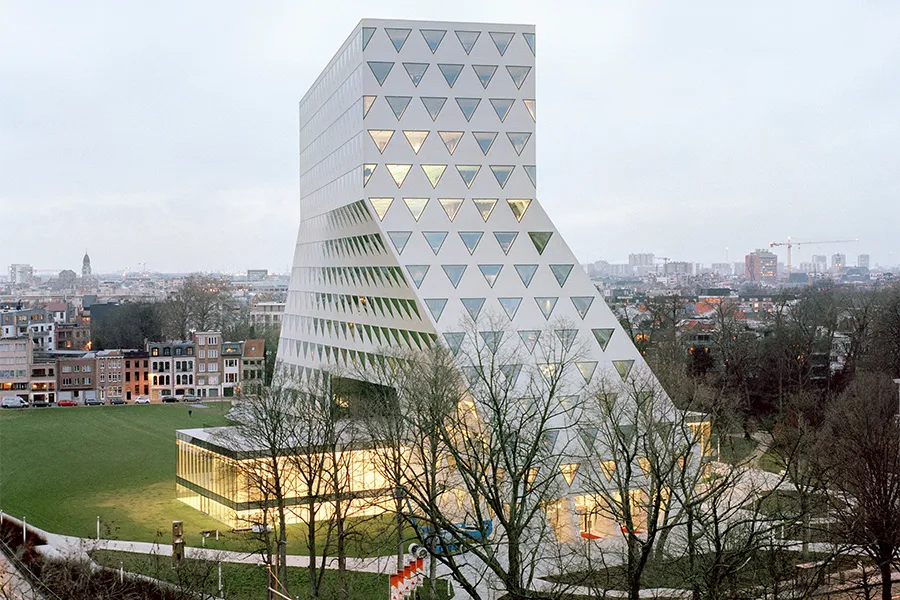
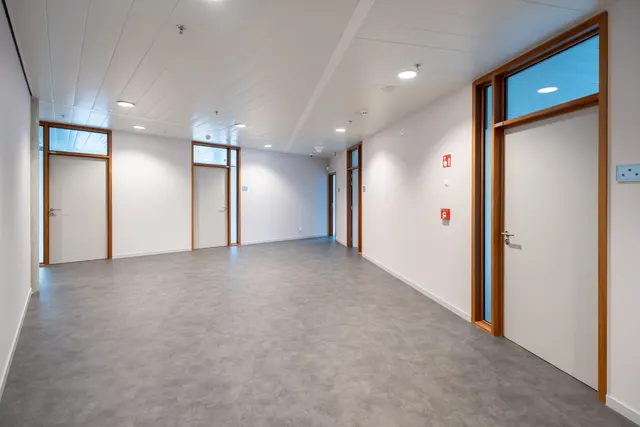
Lighting accounts for 15 to 20% of global electricity consumption in buildings. That is why construction companies and building professionals have every reason to consider Lighting Design from the earliest stages of a project: the discipline combines energy efficiency, lighting and building technology, and calls for an expert to bring out a project’s architectural features, improve its atmosphere and enhance both visual comfort and safety. With Lighting Design, engineering and architecture consultancy Sweco is extending its expertise and positioning itself as a full-service partner for creating high-quality living and working spaces.

Lighting Design, an aspect that makes all the difference
According to Jonathon Penn, Senior Expert Lighting Design at Sweco, lighting affects our daily lives to an extent we do not always realise: “By day and by night, natural or artificial lighting influences how we see a building and how we live or work in it. This may seem insignificant to many, but prolonged exposure to lighting that is too bright or, conversely, insufficient can have a serious impact on our physical and mental health.”
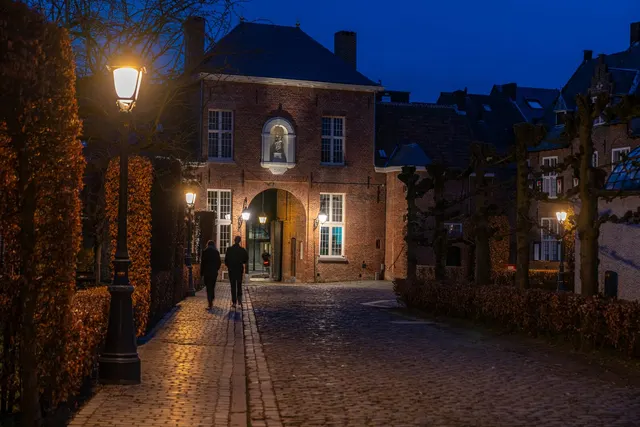
Likewise, an architectural concept that does not take lighting into account may have some or all of its finest features concealed. “As with a photograph or a painting, lighting can enhance or detract from the overall appearance of a building,” confirms Jonathon Penn. “For this reason, we take a holistic approach to every project, aiming to best convey the stories of the people behind the building, within its architectural context and surroundings. The artistic element is just as important as the scientific and architectural principles.”
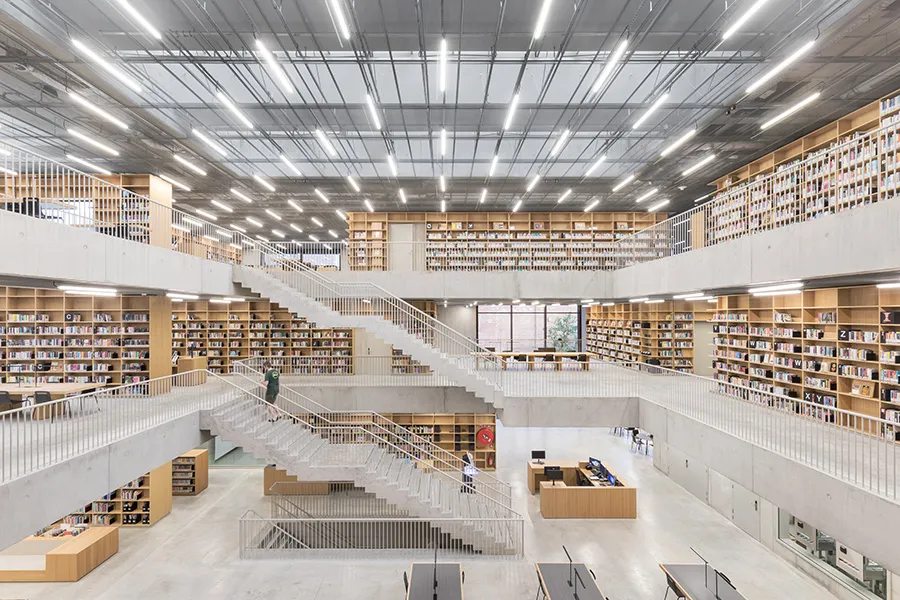
Total independence
According to Jonathon Penn, “our greatest advantage as independent Lighting Designers is that we are not tied to any manufacturer. We can choose the luminaires best suited to the project, and combine equipment from different suppliers if we wish, to achieve the best possible result. This independence gives us complete artistic freedom and allows us to put our clients’ requirements and expectations first, treating them as the sole guiding principles throughout the design process.”
To best meet clients’ expectations, Sweco offers Lighting Design as a dedicated service to all its clients (architects, interior designers, developers, construction companies and property developers), or as part of a larger project with support from its other divisions. While the company can get involved at any stage of a project, it stresses that sooner is better than later, for one simple reason: “The earlier Lighting Design is considered, the easier it is for us to collaborate with colleagues in other disciplines and all the project stakeholders, and tailor our design to their vision.”
A number of prestigious projects already completed
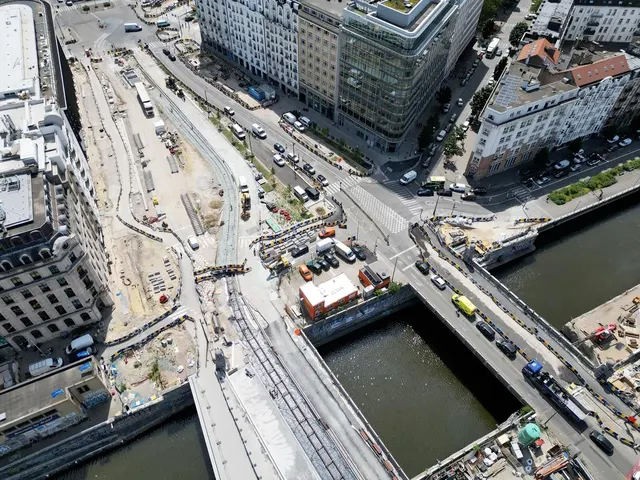
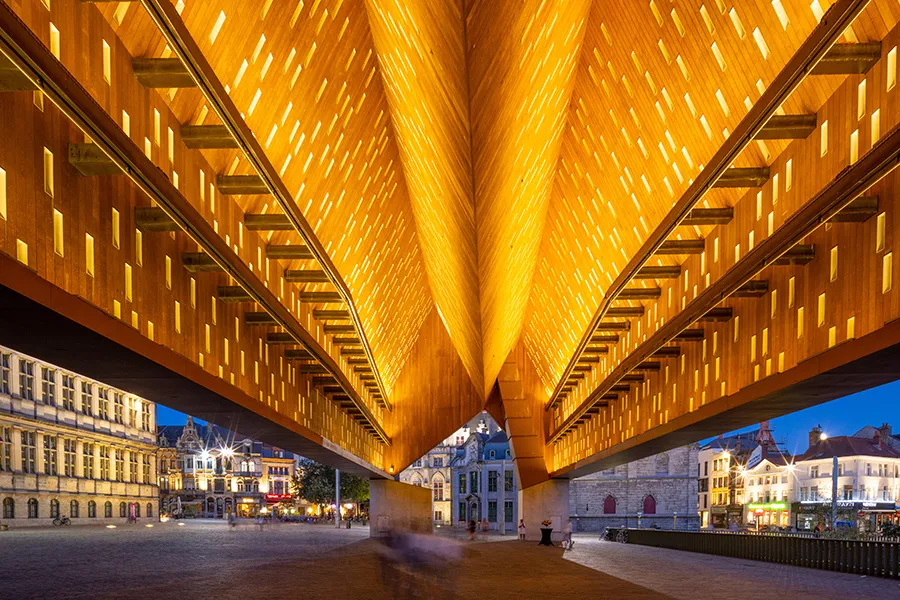
Since launching our Lighting Design service, our experts have already delivered several major projects that differ in scale, building type and location, demonstrating its added value and wide range of applications. To name just a few examples in Belgium, Sweco designed the lighting for projects including the House of Theatre and Culture in Ostend, the Provincial House in Antwerp and the famous Place Rogier in central Brussels.
Sustainability remains central to the debate
In keeping with the company’s DNA, sustainability is inseparable from construction as a whole and from every aspect of it. “This is even more true of Lighting Design, because lighting unfortunately accounts for one of the largest shares of energy consumption in most projects,” explains Jonathon Penn. “But this also gives us extra motivation, because a technology-led approach can have a positive impact on a building’s energy consumption through the selection of the best luminaires and, of course, their optimal positioning,” he adds.
Sweco has long incorporated fundamental aspects of sustainable development, such as the full life cycle, design for disassembly and the reuse of construction materials. “We incorporate these elements into our thinking as early as possible and discuss them with the other project stakeholders, in order to reduce the overall carbon footprint. Wherever possible, our aim is to design and construct fossil fuel-free buildings and help society move forward together,” concludes the Lighting Expert.
Een zakelijke vraag aan Sweco Belgium? Get in touch
Companies in this story

Keep following this
Get an email when a new story is published. No account needed.
- SubjectLighting
- CompanySweco Belgium