Access control 3.0: the future of biometrics
Texte Tim Janssens Photos AI
Biometric access control has long since ceased to be a novelty. Fingerprint scanning and iris recognition have appeared in many office buildings, airports, data centres and other facilities in recent years. Yet these seemingly ultra-reliable security systems are not 100% foolproof, as they rely on a visual feature that can, in theory, be reproduced. Although it takes considerable ingenuity to bypass them, misuse cannot be ruled out entirely. That is why there is so much focus on developing biometric techniques that go even further. The idea is this: what matters is not what you show, but who you really are…
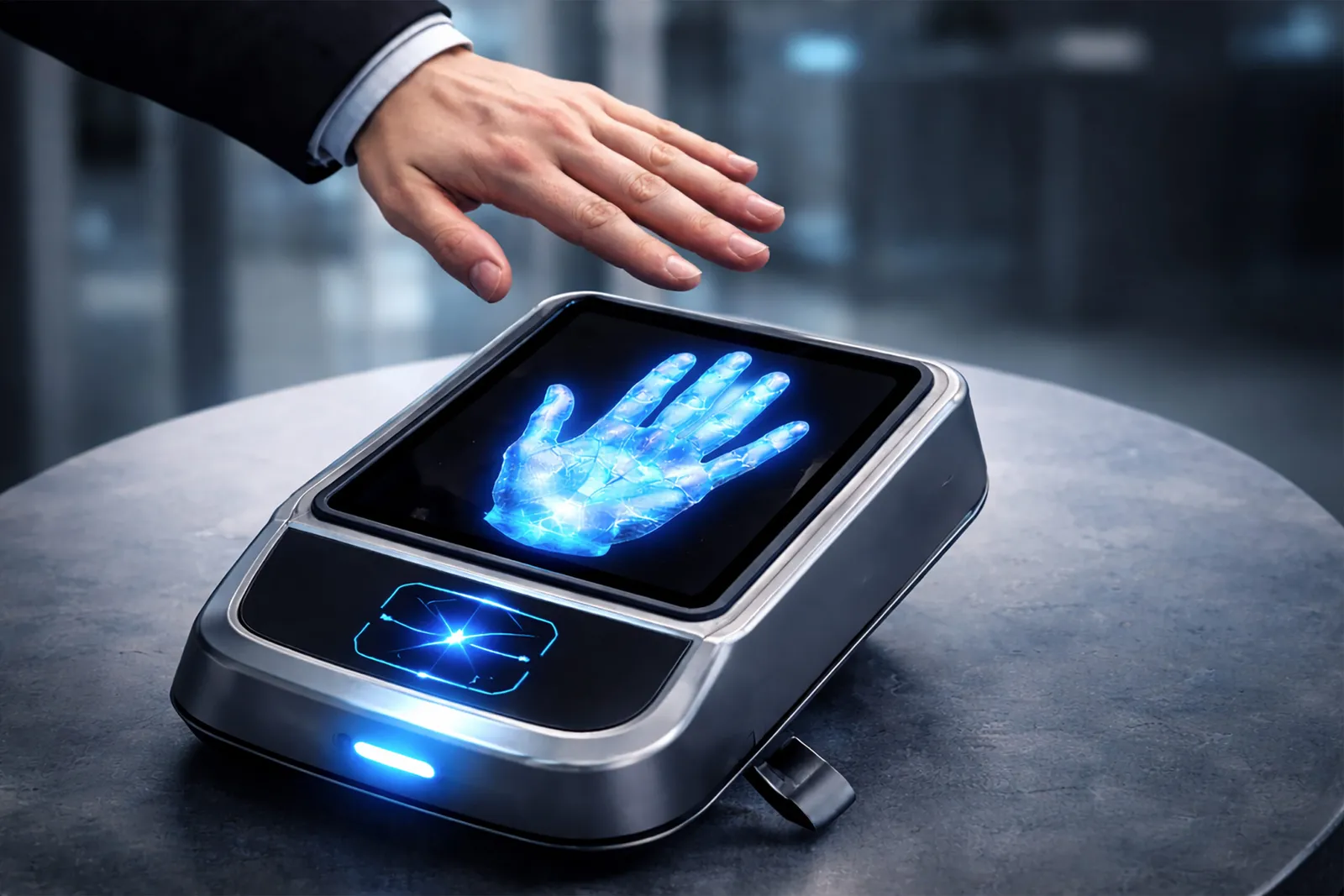
Those who visit Corda Campus in Hasselt may already be used to it, but for many of us, this kind of access control still feels like science fiction. It uses an infrared scan of the blood vessels and nerves inside the palm of the hand, which is converted into a unique identification key using 3D technology and the triangular geometry of 5 million reference points. While most recognition systems focus on external physical features and are therefore superficial by definition, this innovative concept literally goes deeper to verify a person’s identity. Ultra-secure, ultra-fast, contactless and hygienic! A pilot project is also under way to allow people to pay using only their palm, which could be a game-changer at large venues or mass events such as festivals and concerts.
Promising innovations
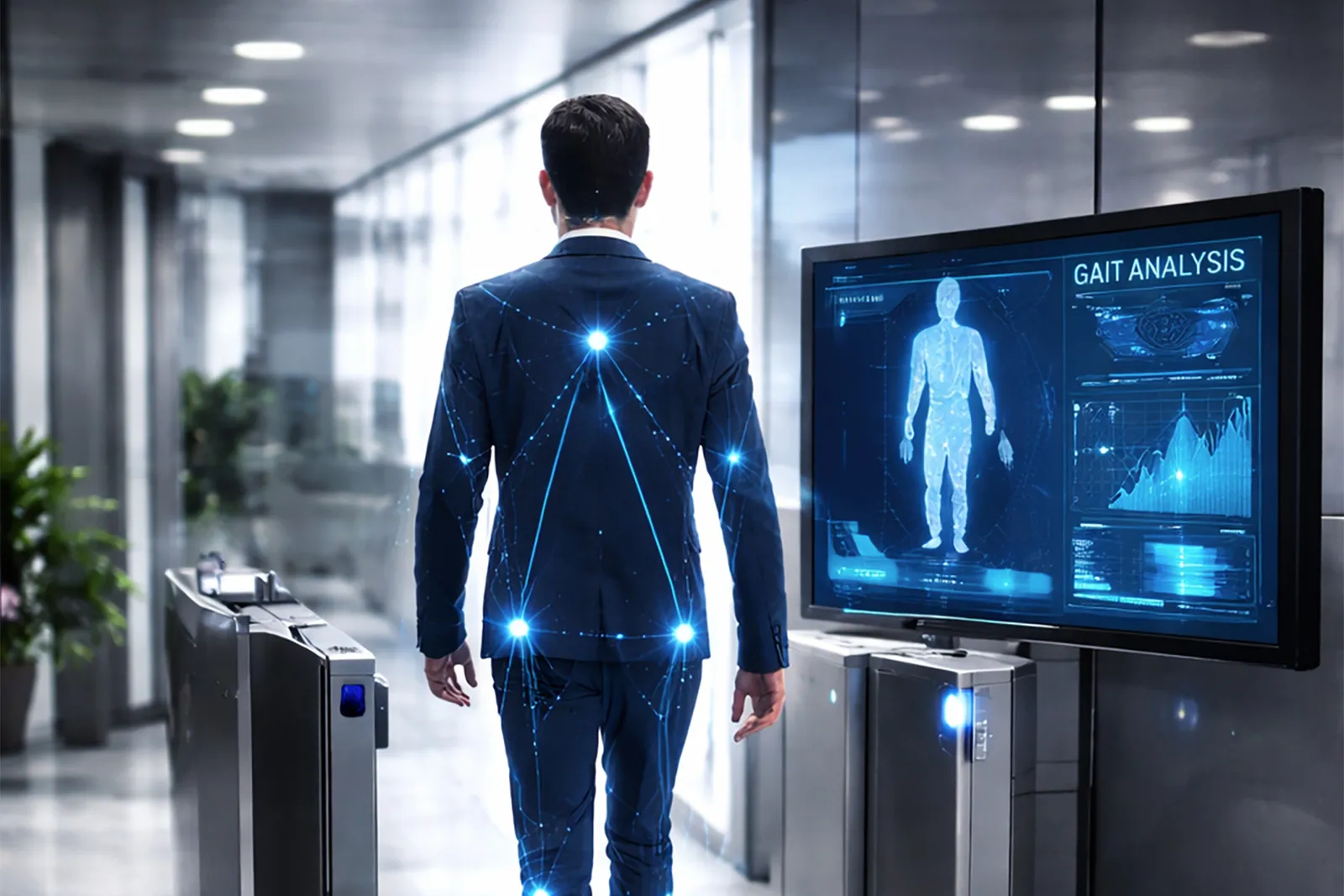
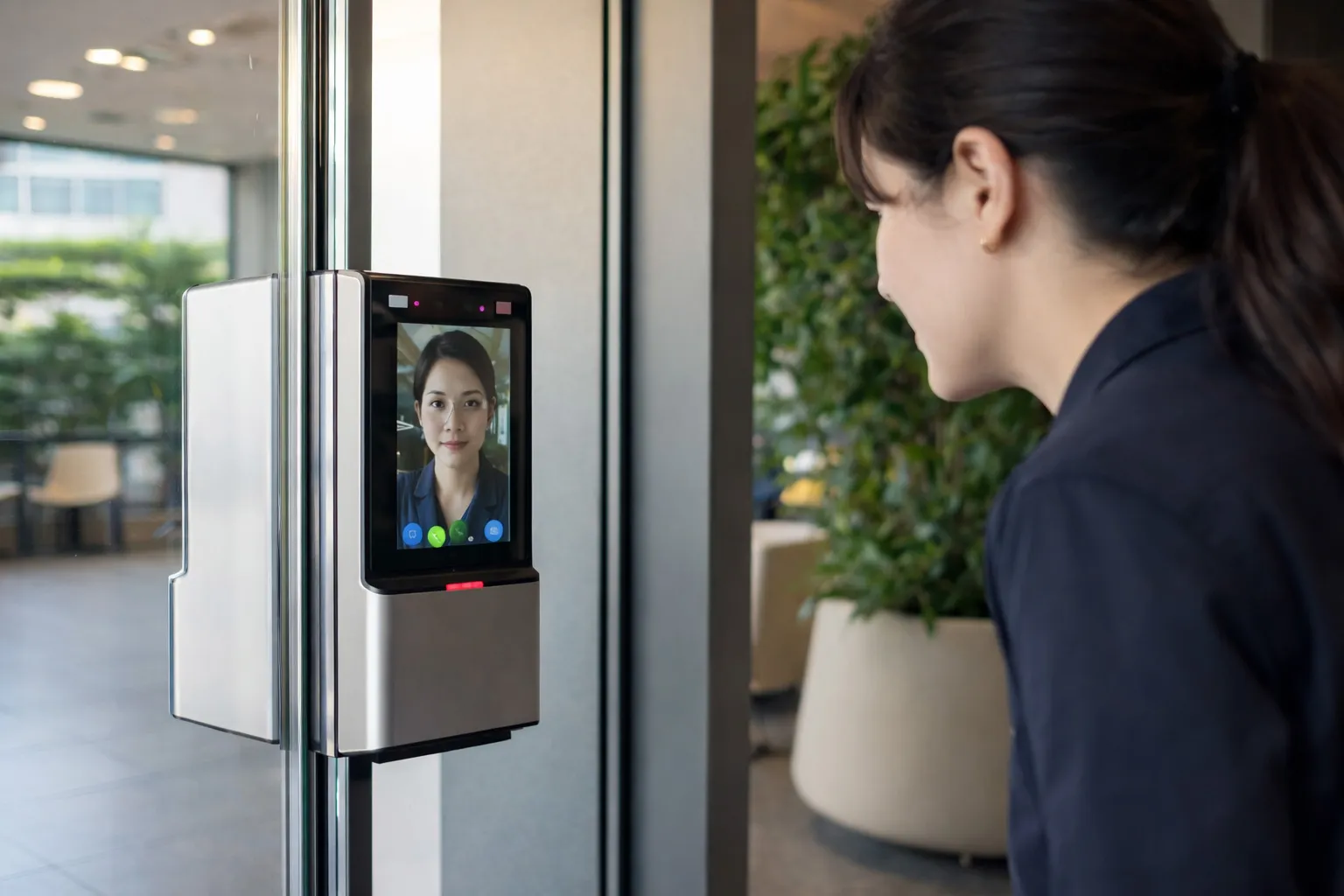
This is part of a broader trend: vascular biometrics. Recognition of the veins in the fingers or wrist is also gaining ground, particularly in settings where security is the top priority: laboratories, healthcare facilities, military bases, critical infrastructure… Because infrared scanners read internal patterns, they are more resistant to spoofing. Another promising innovation is advanced facial recognition with what is known as “liveness detection”. This uses a 3D facial scan with depth measurement, combined with the detection of micro-movements (blinking, skin texture, body heat…). Behavioural biometrics is even more subtle. Identification is based, for example, on a person’s walking style or movement patterns. Cardiac or ECG biometrics are also emerging in research settings. The heart’s electrical signature is proving to be as unique as a fingerprint. And who knows, perhaps in the future we will move on to DNA matching using saliva or skin cells?
What many of these potential new developments have in common is their multimodal nature. The future of access control lies more in combining different methods than in relying on a single infallible technology, while keeping ease of use in mind. These systems must not only make buildings and environments safer, but also easier to access. That is why they should ideally be invisible and contactless, or even frictionless.
More than a gimmick
However, it is not as simple as it may seem, and there are concerns to consider. The underlying technical complexity is enormous and raises several important questions (substantial IT infrastructure, integration with existing access control systems, fire safety, evacuation procedures, scenarios involving power cuts or network problems, etc.). In addition, robust cybersecurity is crucial, as data breaches can have disastrous consequences. You can change a password, but not a palm or vein scan. Finally, there is the human factor: none of this should feel too intrusive, or it risks provoking resistance and aversion.
It remains to be seen whether, and to what extent, the innovations mentioned above will be put into practice. But one thing already seems certain: in the future, access control will no longer mean simply installing a reader or scanner beside the door. Advanced biometrics has a direct impact on design and subsequent operation (circulation routes, entrance areas, data networks, technical rooms, etc.). Anyone planning future-oriented projects today would therefore be wise to treat it not as a gimmick, but as an integral part of the building or environment project.
Question about this story? Ask your question
Keep following this
Get an email when a new story is published. No account needed.
- ThemeBuilding and site safety and security
- SubjectSoftware