From isolated initiatives to a structured value chain
Texte Philippe Selke Photos Olivier Bourgi
Solutions that reduce the environmental impact of buildings are becoming more widespread. Yet deploying them on a large scale remains difficult. Cost, standards, risk-taking, project organisation, … Behind these different aspects lies the same need: to better integrate the value chain from the design stage.
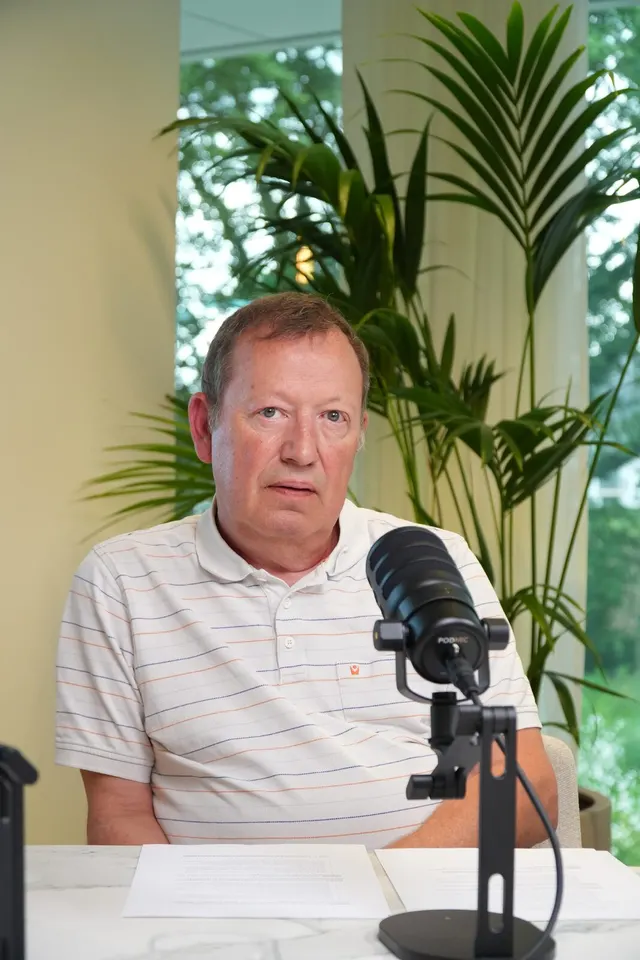
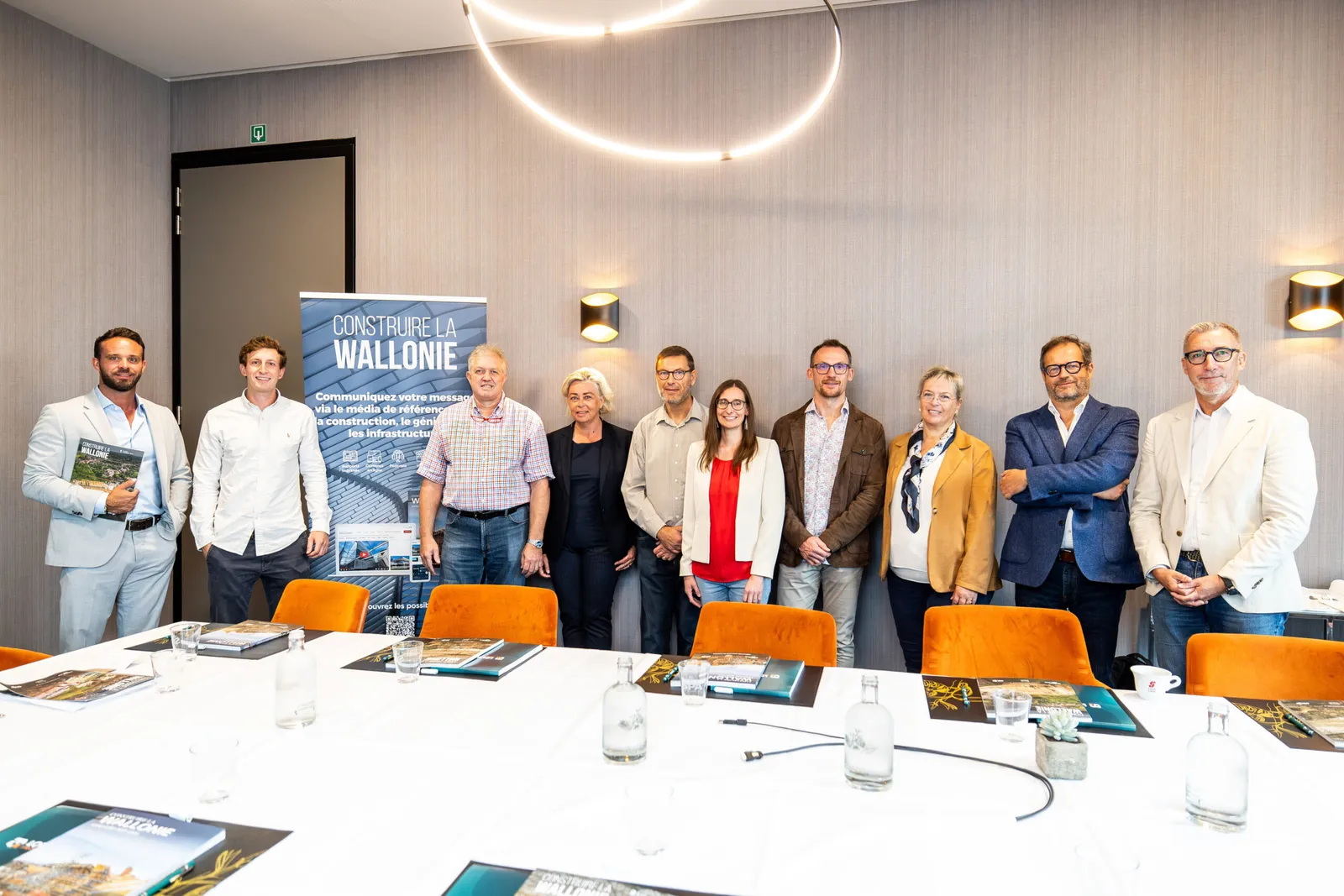
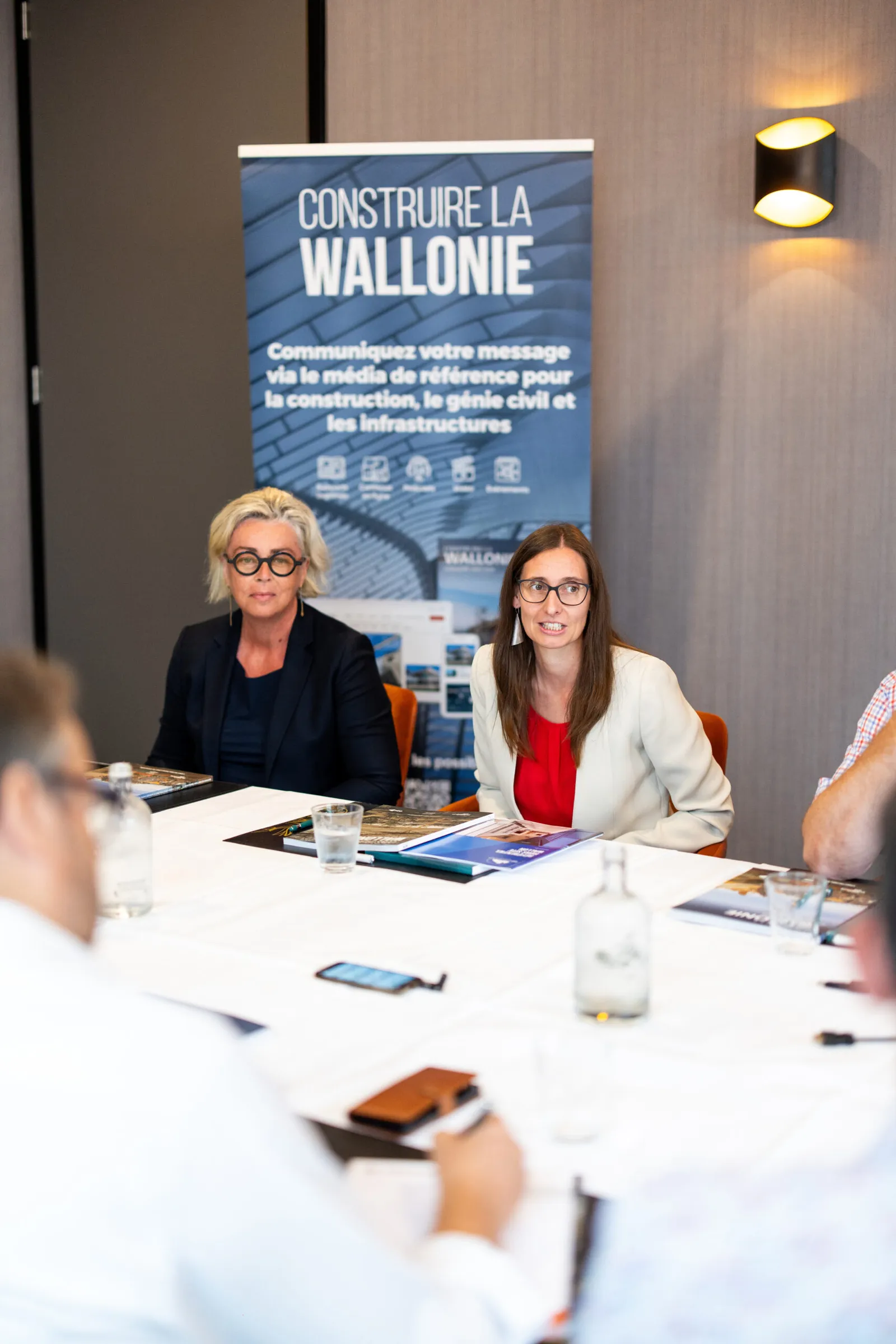
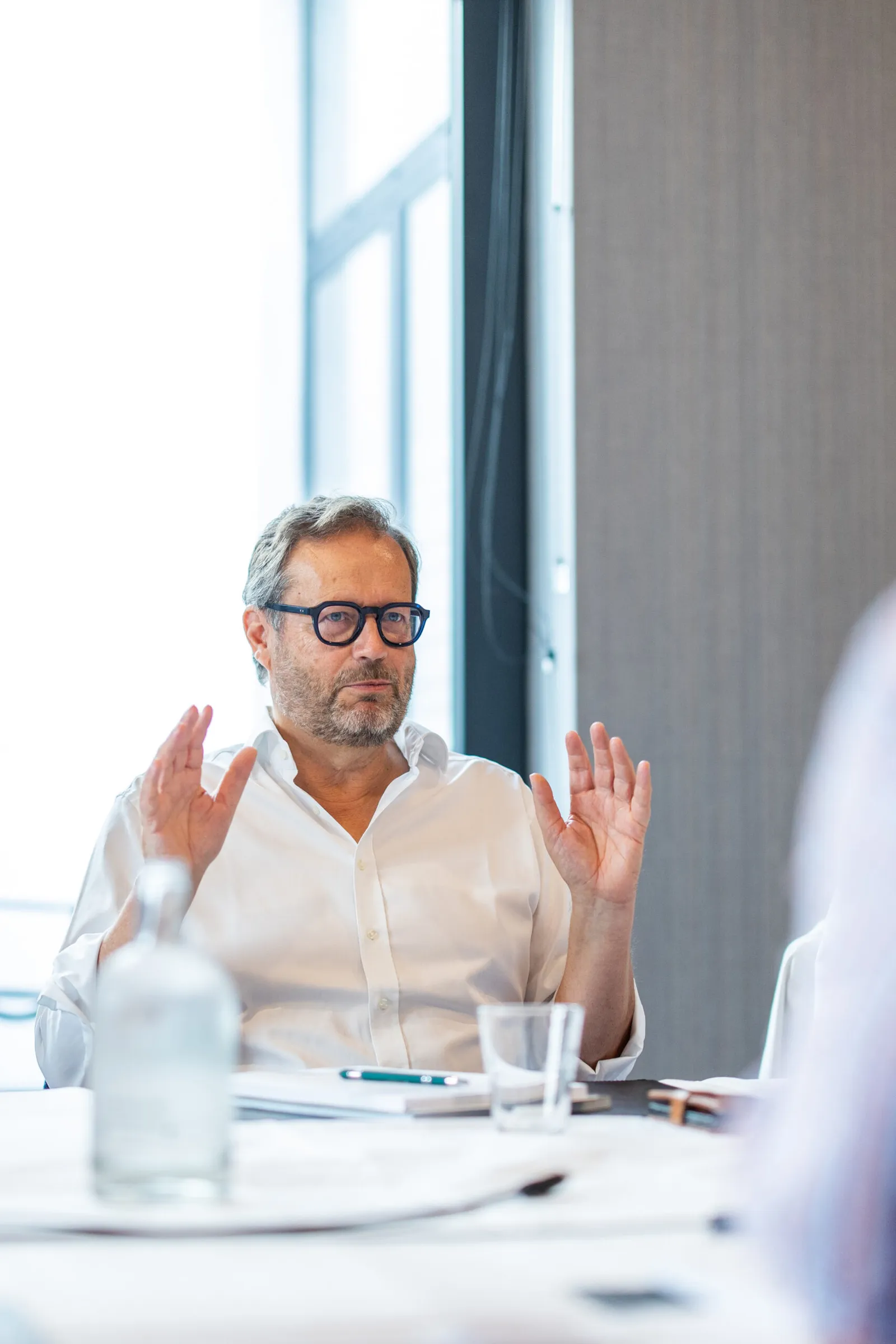
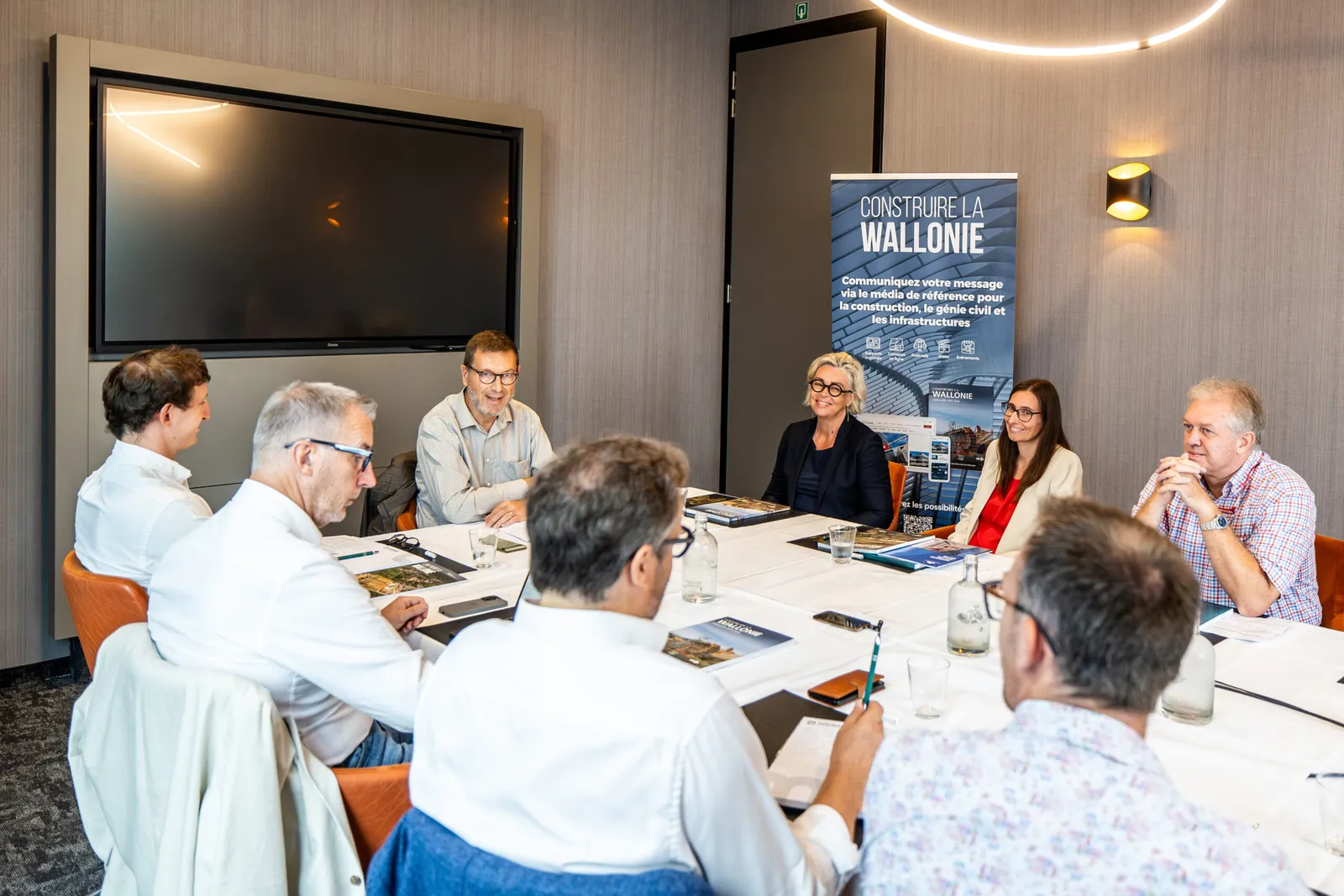
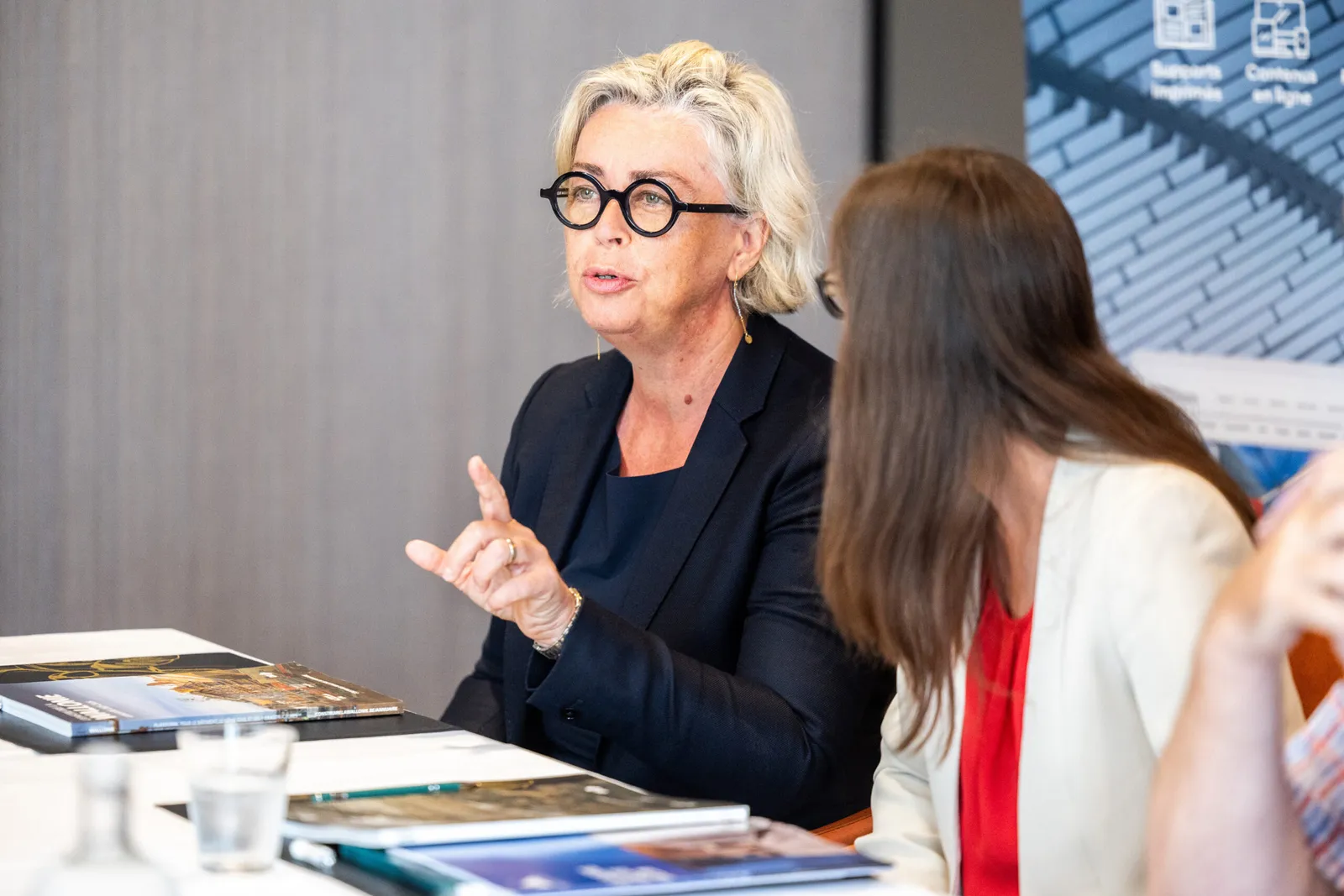
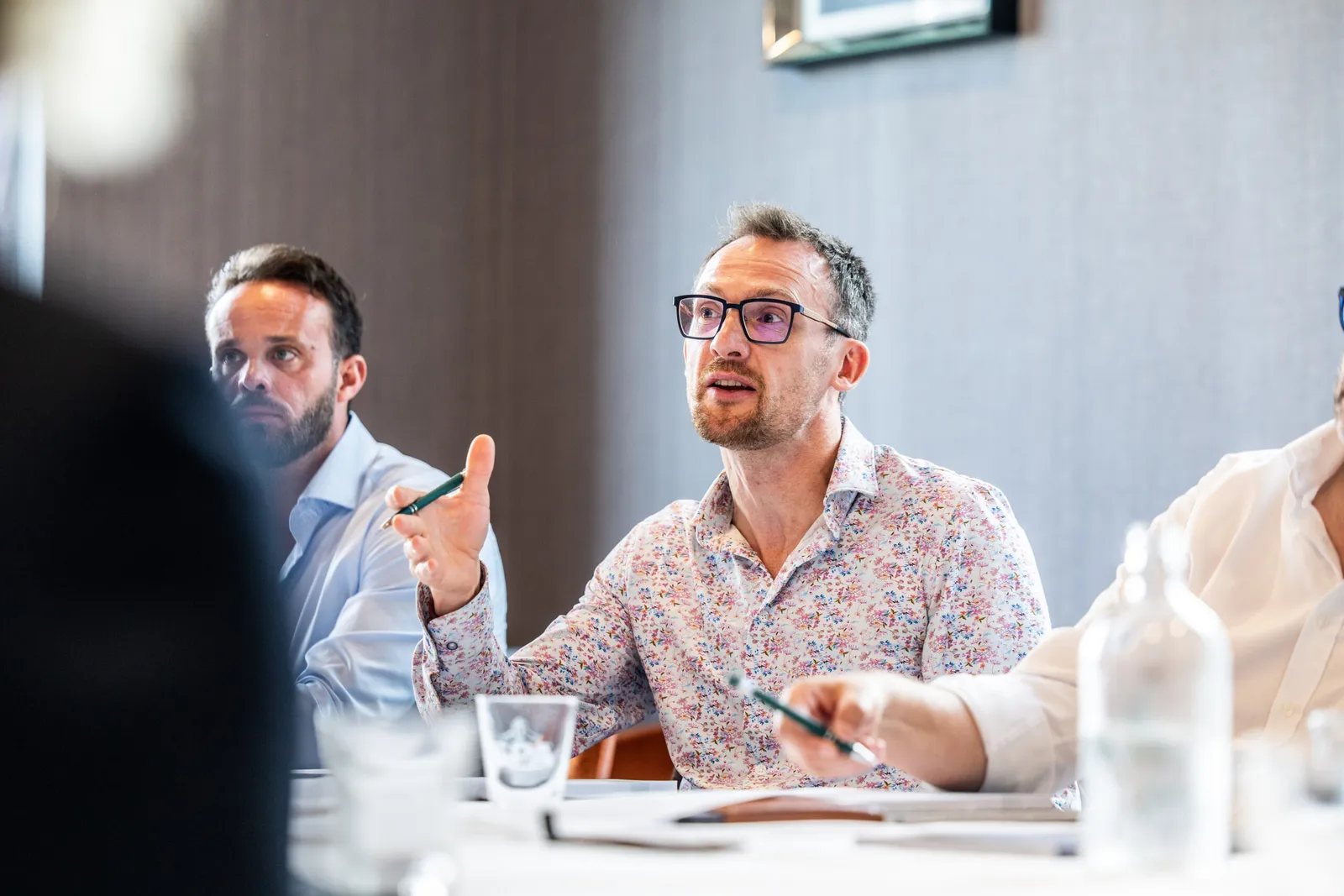
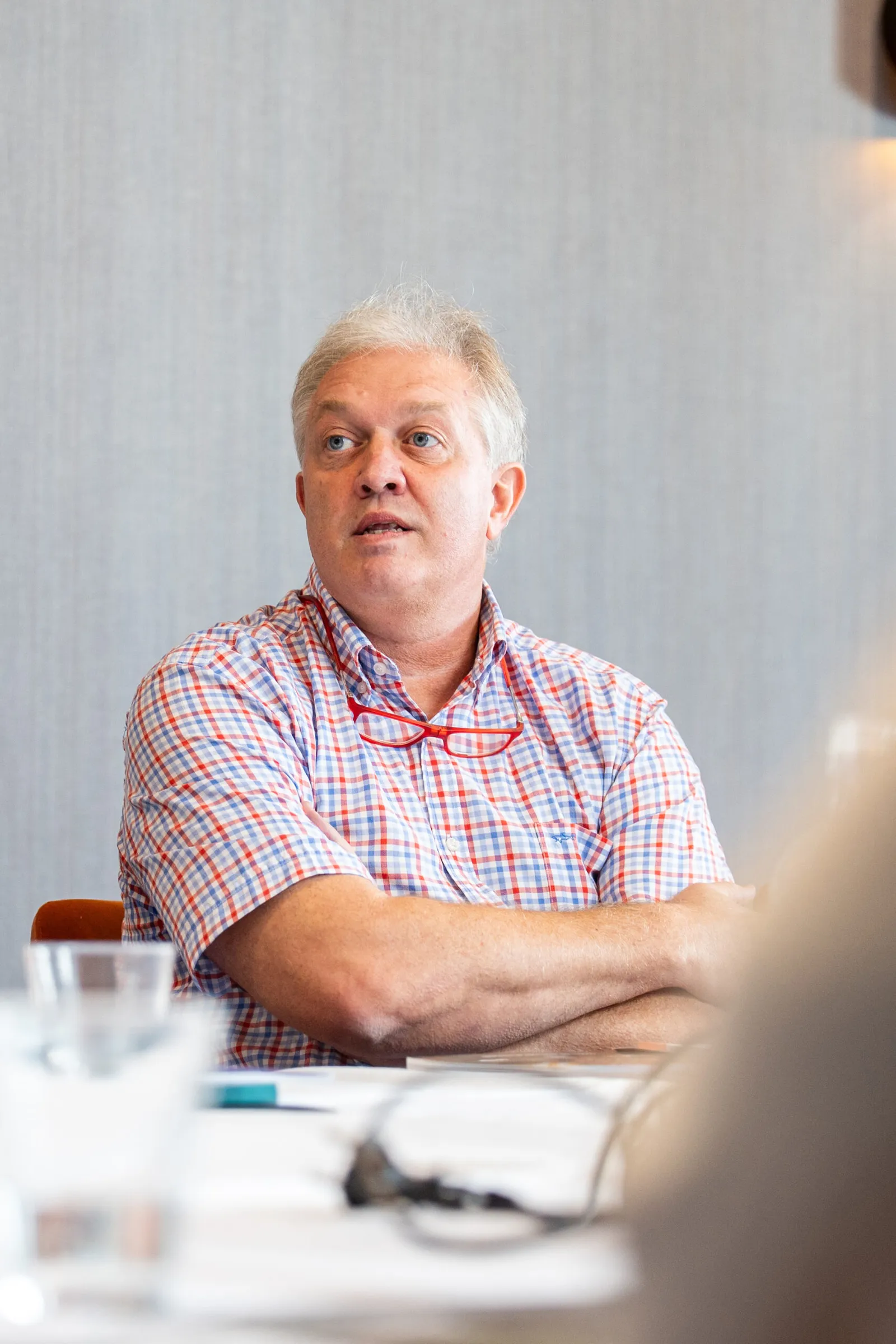
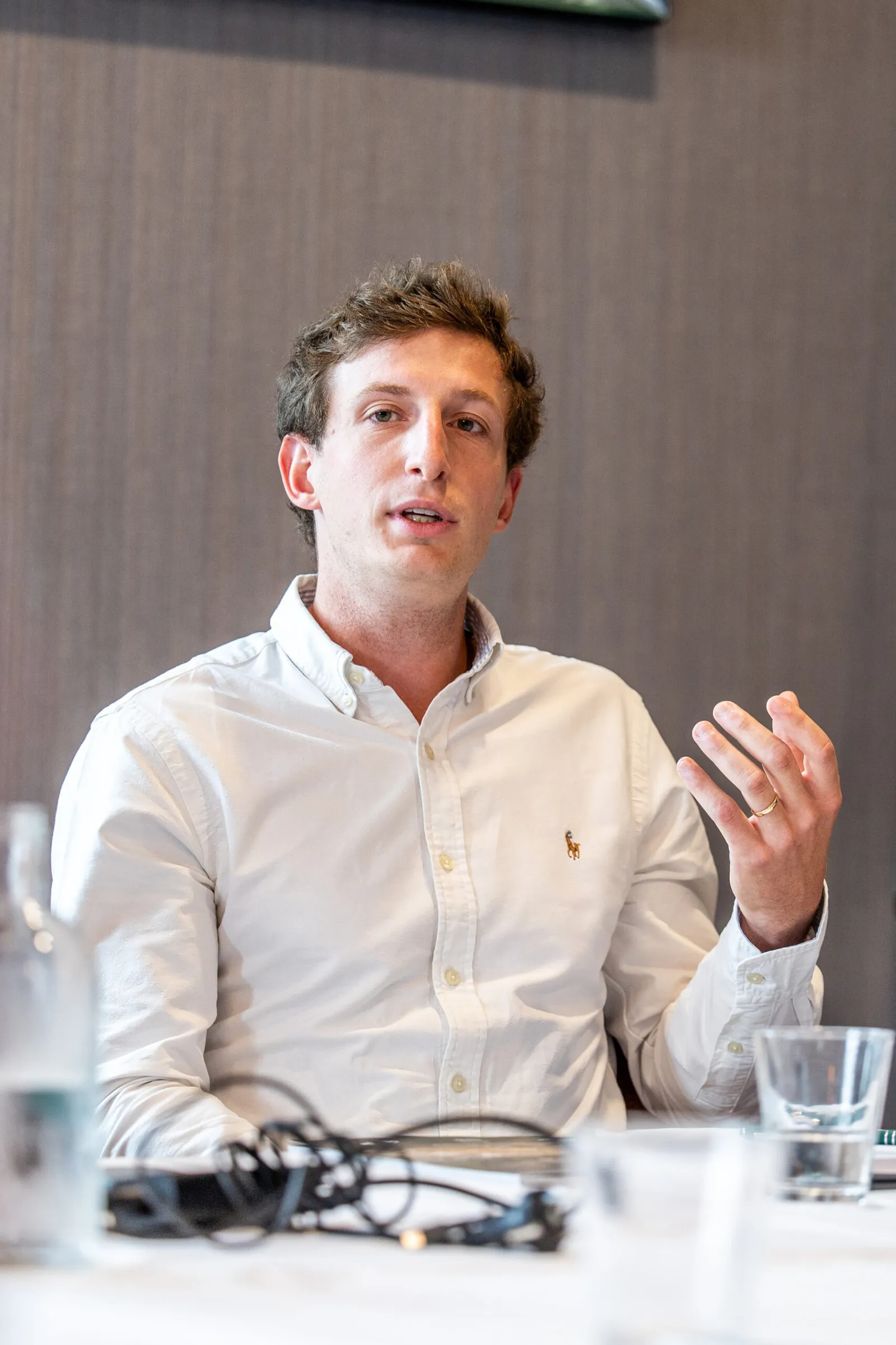
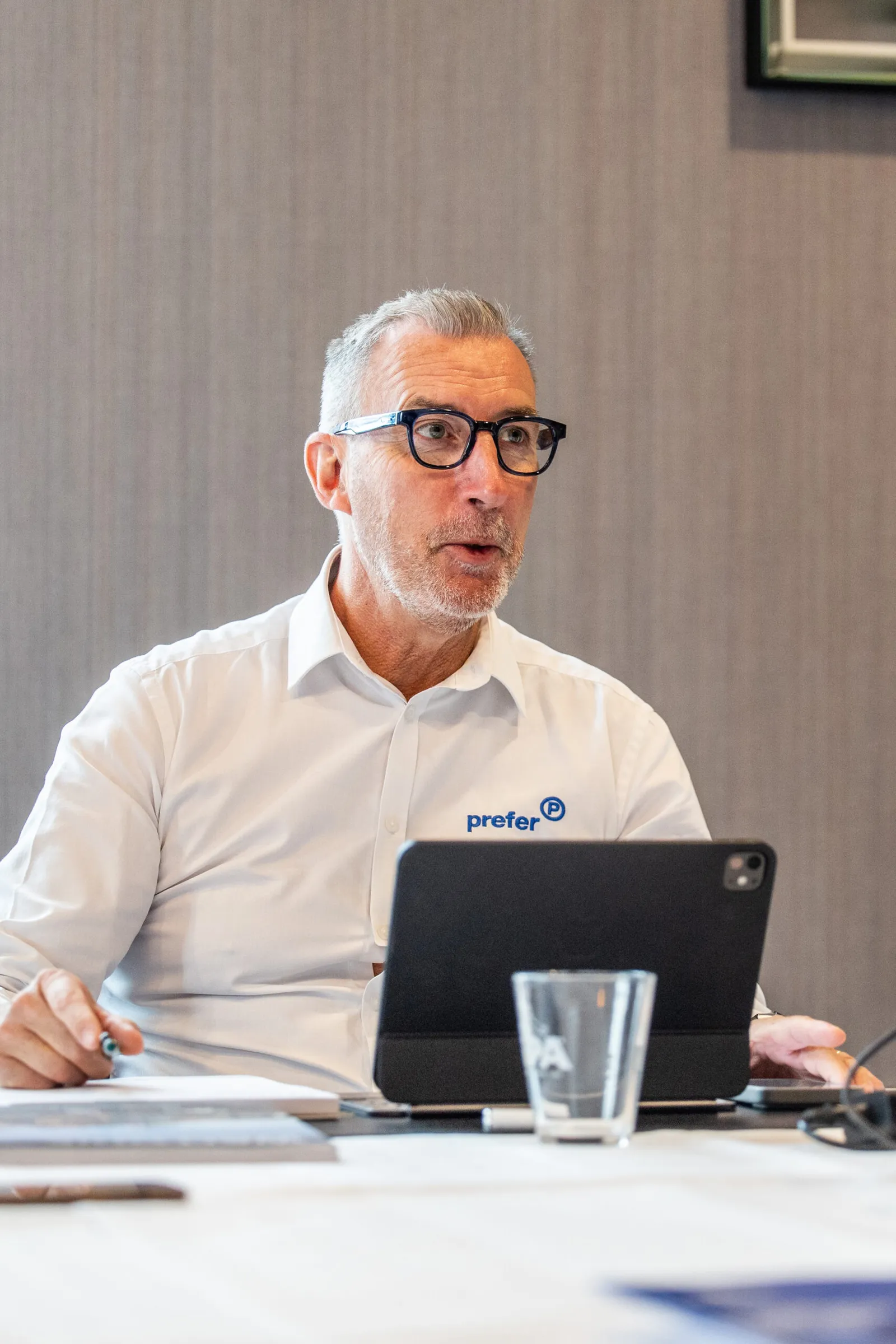
Construire la Wallonie brought together an impressive line-up of construction professionals and experts in Nivelles in early September to discuss a topic that is both essential and often overused: sustainable construction. Around the table were architect and studio director Guy Standaert (Assar, Part of Sweco); Loïc Hannard, Sustainability Officer at general contractor BPC; window manufacturers Pierret and Menuiserie Riche, represented respectively by Vincent Havart, R&D Engineer and Certifications Manager, and Bruno Riche, Managing Director; concrete element prefabricator Prefer, represented by David Nigot, Sales and Methods Director; and finally the Walloon clusters Eco-construction and CAP construction, represented respectively by director Anne-Michèle Janssen and R&D projects coordinator Pauline Bruge. The discussion was moderated by your correspondent.
A problem that is more organisational than technical
There was rapid agreement on one point: sustainable construction is no longer held back primarily by a lack of solutions. Low-carbon materials, and even carbon-negative ones, bio-based insulation, reuse, environmental assessment tools and new construction methods already exist. The greater challenge lies in integrating them into standard practice.
Architect Guy Standaert places the first obstacle even before any technical considerations: “The main obstacle is human. We all find it hard to look beyond ourselves.” This is compounded by a society that is reluctant to accept risk, even though innovation necessarily involves accepting a degree of uncertainty.
Projects are also organised in a highly sequential way. The architect draws up the design, a planning application is submitted, the studies are refined, contractors get involved and the project is adjusted to fit the budget. Yet key decisions have often already been made by the time specialists in materials, construction or sustainability actually enter the process.
For Pauline Bruge (CAP Construction), this way of working is reaching its limits: “We’re reaching the end of an organisational process that has run out of steam: all too often, by the time we get involved, the key decisions have already been made and it’s too late to bring our expertise to the table.” The challenge, then, is to move from treating every building as a prototype to developing repeatable solutions shared across the entire industry.
Designing with sustainable materials
Planning ahead becomes particularly important when it comes to alternative materials. Replacing conventional insulation with a thicker bio-based alternative at the end of the design process can affect foundations, construction details and even the floor area available.
Anne-Michèle Janssen (Cluster Eco-construction) sums up the challenge with a simple principle: “We need to get back to common sense: the right material in the right place for the right purpose.”
The issue goes beyond choosing a product. It affects the architecture, structure, grids, orientation, weather protection, maintenance and end of life. Bruno Riche (Menuiserie Riche) highlights the relationship between design and construction: “The materials we use can inform the design of the architecture.”
Considering construction methods from the design stage also helps limit late changes which, under budget pressure, can sometimes strip the original project of some of its environmental ambitions.
Standards are essential, but need to be more flexible
Standards and certifications featured prominently in the discussion. No one disputed their importance: they ensure quality, clarify responsibilities and build the trust needed to adopt new solutions. But they can also become a barrier when they demand excessive performance levels or when an innovation does not fit any existing category.
David Nigot (Prefer) cited the example of masonry blocks for which some specifications call for strengths of 15 or 20 MPa, although 10 MPa would be sufficient for many applications. Sometimes, the best is the enemy of the good, and such escalation can hinder the development of certain products. “All these little excesses of zeal, perhaps, add up and ultimately make it much harder to get products that break the mould accepted,” he says.
The issue takes on another dimension at European level. A test carried out in Belgium is not necessarily recognised in France or Germany. Even the assumptions used in life cycle assessments can differ, for example in the service life attributed to a product.
For Vincent Havart (Pierret), the aim is therefore not to lower requirements, but to improve mutual recognition: “What’s missing is a smoother, easier process for getting new approaches approved.” Harmonisation would, in particular, spare SMEs from having to bear the cost of the same tests multiple times.
Look beyond upfront costs
Another recurring theme was price. In practice, direct construction costs are still often the deciding factor. Yet this approach ignores service life, maintenance, repairability, recyclability and the residual value of components.
Buildings are designed to last for several decades. A more expensive solution at the outset may prove worthwhile if it needs replacing less often or retains more of its value. Conversely, the initial premium remains difficult for some clients to absorb.
That is why participants believe action is also needed on financing. Environmental tools such as Totem could gradually provide a basis for mechanisms comparable to the energy performance certificate (PEB). A building with a better environmental assessment could, for example, qualify for tailored financing terms.
Experience from other countries also informed the discussion. France’s RE2020, which incorporates carbon footprint and life cycle assessment, was cited several times. However, the principle advocated around the table was not one of abrupt regulatory change: requirements should increase gradually, giving manufacturers the certainty they need to adapt their investments.
From design for disassembly to reuse
Reuse probably illustrates better than any other topic the gap between intention and practice. Recovering an existing component avoids producing a new one, but immediately raises questions about storage, logistics, traceability, certification and liability.
At BPC, the Bazaar platform already makes it possible to identify and offer materials from construction sites. But putting them back into use can still be complicated. Fire doors, for example, were successfully reused at low cost after recertification. By contrast, reusing standard doors cost more than buying new ones. Fortunately, that was not the case for raised access floors.
Loïc Hannard (BPC) draws an operational conclusion: “On paper, everyone agrees that reuse is a good thing, but the sector isn’t logistically ready.”
This challenge makes it all the more important to shift the focus to the design of future buildings. To make reuse easier in the future, we first need to build buildings that can be taken apart. That means separable construction layers, reversible connections and structures capable of accommodating several successive uses. The building then becomes less of a fixed object and more of a stock of components and materials that can evolve over time.
Making sustainable construction standard practice
No single solution emerged from the discussion. Regulation can steer the market, but must be introduced gradually. Standards are essential, but must do more to support innovation. Low-carbon and carbon-negative materials already exist, but need to be considered from the design stage. Reuse has significant potential, but requires new supply chains and new safeguards. And cost must increasingly be assessed over the entire life cycle.
Ultimately, collaboration is the common thread. Architects, engineers, manufacturers, contractors, clients, certifiers, insurers and financiers still too often get involved in succession, even though environmental performance depends precisely on how they work together. That is also the main lesson Loïc Hannard takes from his experience on site: “What works best is when everyone talks to each other from the start. To me, that’s the key.”
Scaling up therefore means less about accumulating exemplary projects and more about turning their lessons into repeatable practices. Technical solutions are one part of the equation. The next step is to create the organisational, regulatory and economic framework that will enable them to be used as a matter of course.
Question about this story? Ask your question
Companies in this story
Keep following this
Get an email when a new story is published. No account needed.
- SubjectSustainable construction
- CompanyPrefer