Taveirne and Railco Group combine expertise, workforce and machinery
Texte Joris Hendrickx Photos Taveirne
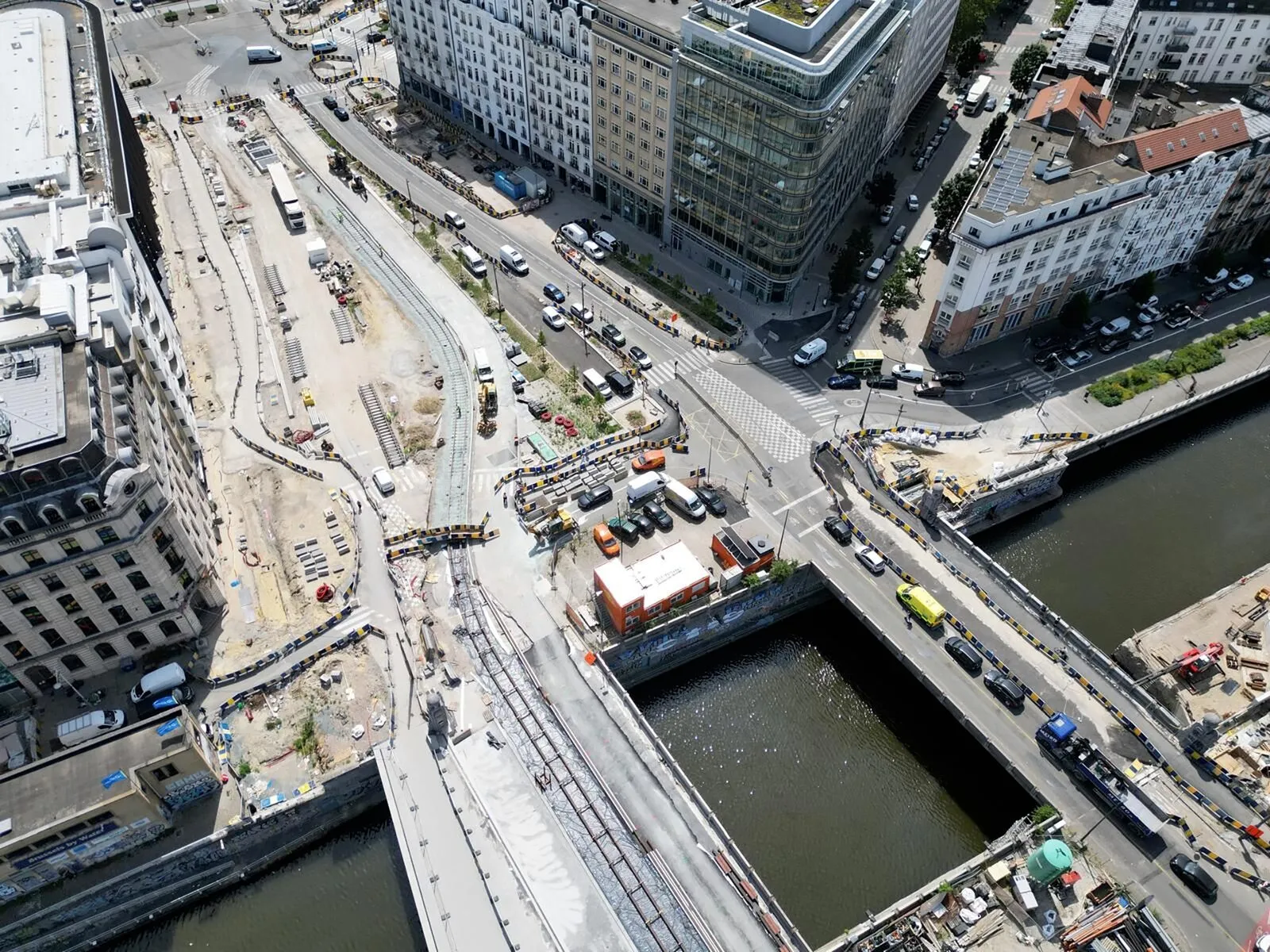
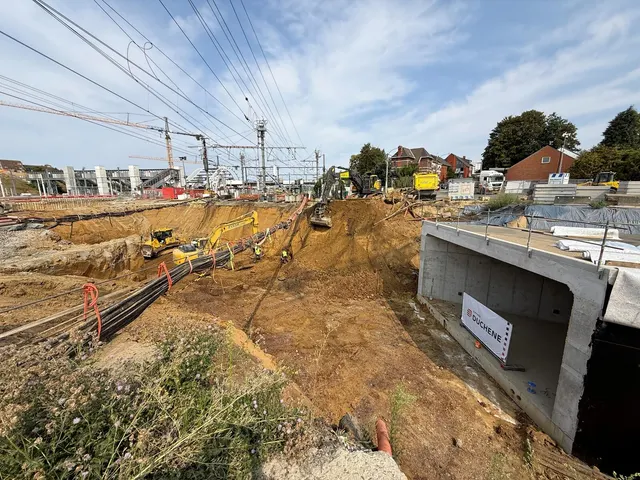
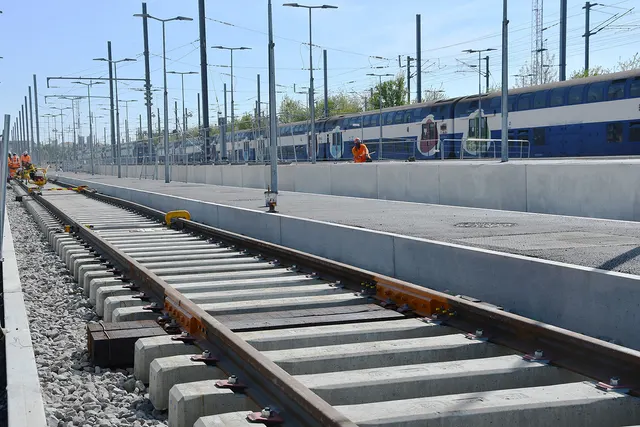
With the acquisition of Vanormelingen-Stas and Spoorwerken Peeters, and in collaboration with Railco Group, Taveirne has reached an important milestone. These three companies now form one of Belgium’s leading specialist rail construction groups. Their complementary expertise, geographical coverage and extensive fleets of machinery reinforce one another and enable them to respond more effectively to market developments.
“For 70 years, Taveirne has played a part in developing Belgium’s rail infrastructure,” explains its CEO, Steven Becaus. “From high-speed lines to the stations at Antwerpen-Centraal, Bruxelles-Midi, Leuven and Gent-Sint-Pieters, we have built a solid reputation over the years. For several decades, Taveirne has also been a leading name in tramway construction in Flanders, Brussels and northern France. At the same time, we have always chosen to retain the spirit of an independent family business, with a large in-house fleet of machinery and employees who often have several decades of experience.”
Railco Group shares this vision. The two companies had worked together many times, and for managing director Geert Peeters, their complementary strengths paved the way for the logical next step: bringing the two businesses together. “My father initially focused on general earthworks and hiring out railway cranes. Later, we acquired Vanormelingen-Stas and, together with my sister Ellen, continued to develop the business. However, we found that some of the challenges facing the sector were too complex to tackle alone. By joining forces with Taveirne, we are stronger.”
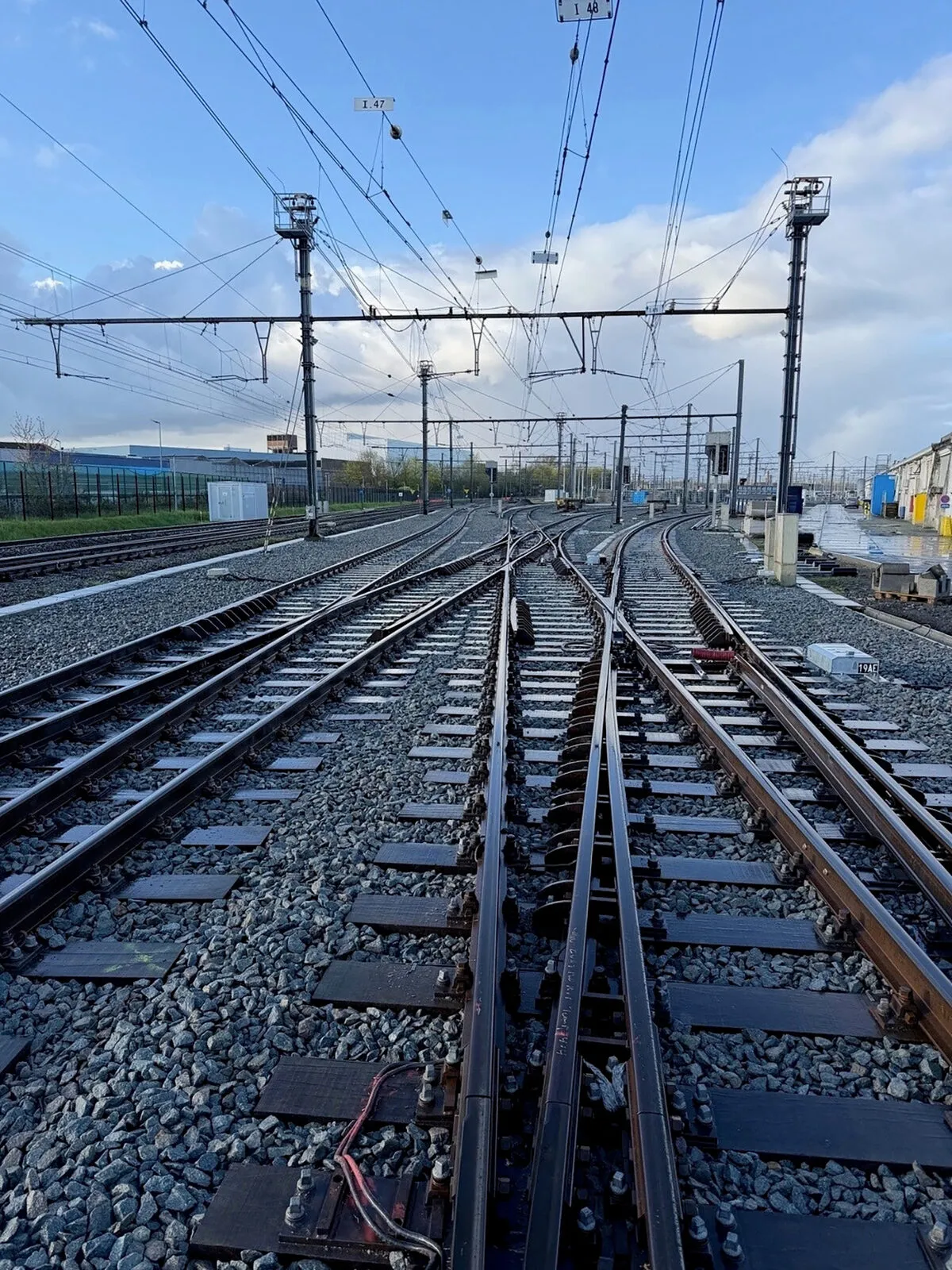
Complementary strengths
According to Steven Becaus, the value added by the acquisition goes well beyond simple expansion. “We are not aiming to be the biggest, but to become the strongest specialist in rail construction. Both companies focus exclusively on rail construction for mainline rail, tramways and the industrial sector. Together, we therefore have a wealth of experience, from standard works to the most complex rail projects.” The two companies also complement each other in terms of geographical coverage. Taveirne has a strong presence in West and East Flanders and the Brussels region, while Railco Group is mainly active in Antwerp, Limburg and Liège. The collaboration also gives them access to an impressive fleet of machinery. “Both our companies have ample equipment in-house, ensuring maximum autonomy and flexibility,” Steven Becaus continues. “Railco Group has also invested heavily in specialist tamping machines, which are also used by other rail contractors.” This consolidation supports the growing capital-intensive investment and operational resources required in the rail sector.
Sharing knowledge while retaining independence
Although the companies now belong to the same group, each retains its own identity. “Geert and Ellen continue to manage day-to-day operations and remain responsible for decisions relating to their public tenders,” says Steven Becaus. “At the same time, we are constantly sharing knowledge. Initially, we review the most important projects together, but pooling the expertise and knowledge of both companies also helps us make informed choices and improve delivery efficiency. Sharing procedures, certifications and practical working methods strengthens professional standards and ensures quality execution. This cross-fertilisation is already delivering tangible benefits.”
New operational opportunities are also emerging. “Large public contracts divided into lots often cover a much wider area,” explains Geert Peeters. “Thanks to our geographical coverage, our employees spend less time travelling and more time on site. We can also lend each other a hand on very large projects.”
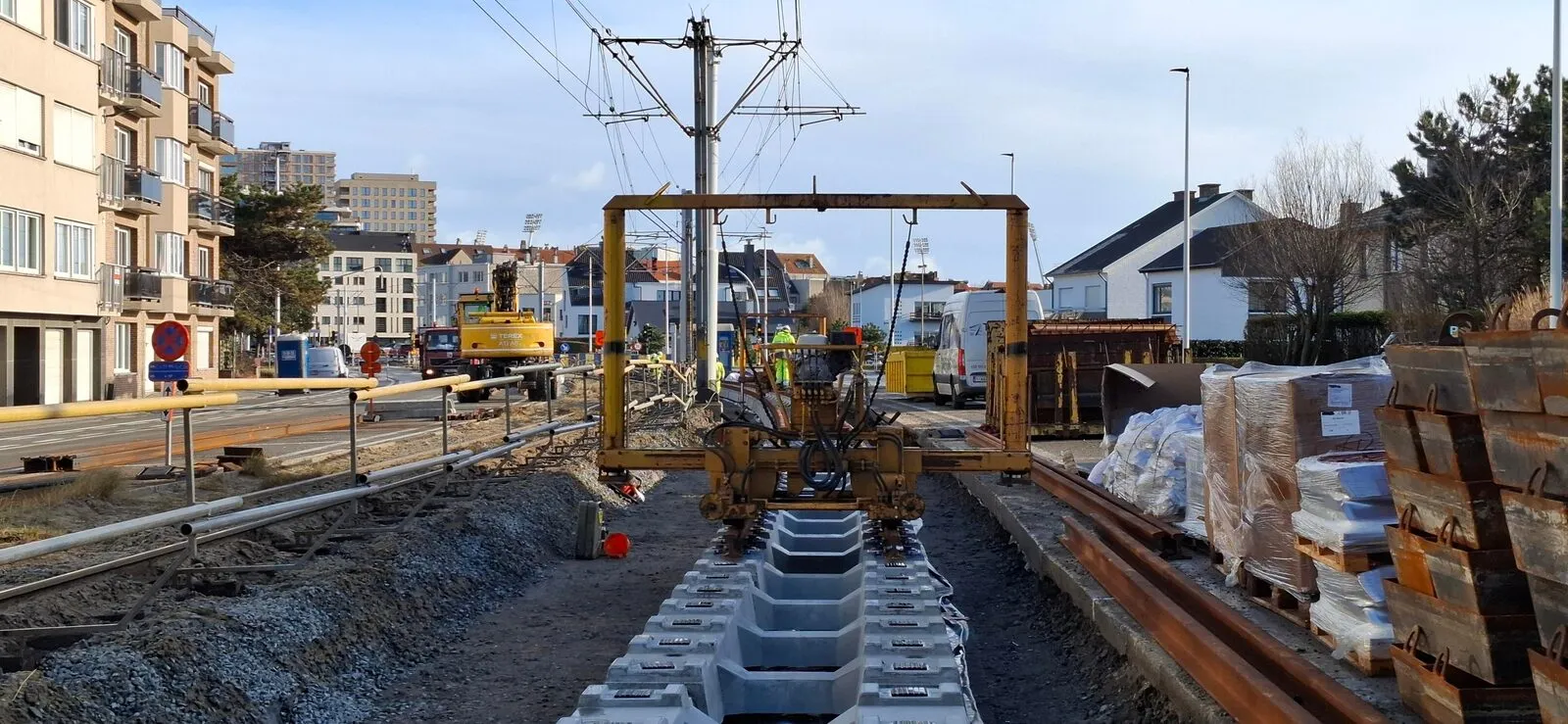
Ready for the future
The rail sector is changing rapidly. Infrabel is increasingly using large framework contracts covering several regions. The flexibility required and ever-shorter delivery times call for thorough preparation, exceptional performance from employees and professional digital management systems. In addition, administrative obligations, certification rules and sustainability requirements are becoming increasingly stringent.
“By joining forces, we now hold a class 8 contractor accreditation within the group,” Steven Becaus points out. “This means we can independently tender for the largest public contracts. We are also centralising the organisation of support processes, while the sister companies continue to focus on their own projects.” Ultimately, Steven Becaus says, the group’s greatest strength is its shared family-business philosophy: “Our dedicated, experienced employees must be able to deliver every project successfully in the demanding context of the rail sector. That is precisely where our group makes the difference.”
Question about this story? Ask your question
Keep following this
Get an email when a new story is published. No account needed.
- ThemeTransforming infrastructure and territories
- SubjectRailway works