Masonry blocks that clean up pollution
Texte Philippe Selke Photos Prefer
After several years of R&D, the Carbstone technology developed by Orbix has reached industrial production at Prefer. It has also received a technical approval (ATG), B-EPD certification and a listing in TOTEM. Production of cement-free blocks in Flémalle will more than double by the end of the year. At the same time, Carbstone technology is now also being applied to floor infill blocks. Specifiers and contractors now have access to familiar products that have been used for many years, but with a negative carbon footprint: a revolution for the planet that does not disrupt bricklayers’ working practices.
From pilot project to industrial production
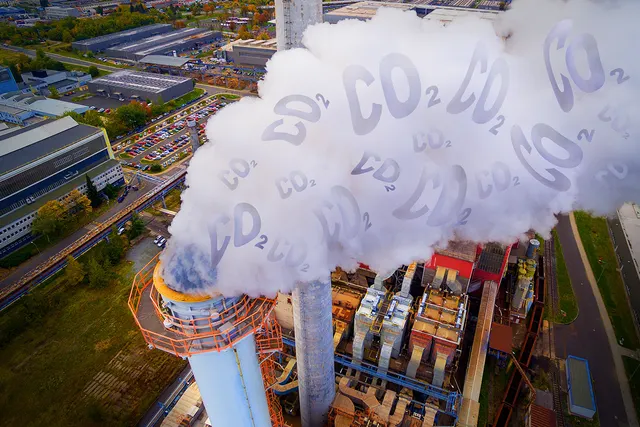
Carbstone technology is based on a natural chemical reaction called ‘carbonation’, in which CO2 is combined in solid form with by-products from the steel industry. Under specific curing conditions, the material hardens to form high-quality, high-strength construction materials.
The resulting blocks have properties comparable to those of traditional masonry blocks, but a different composition, as they contain neither cement nor natural aggregates.
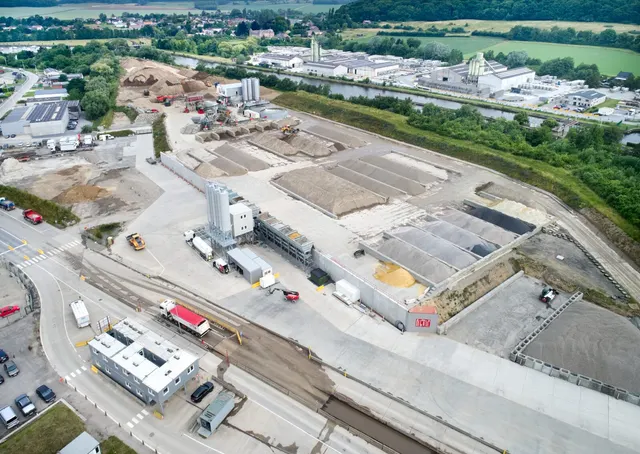
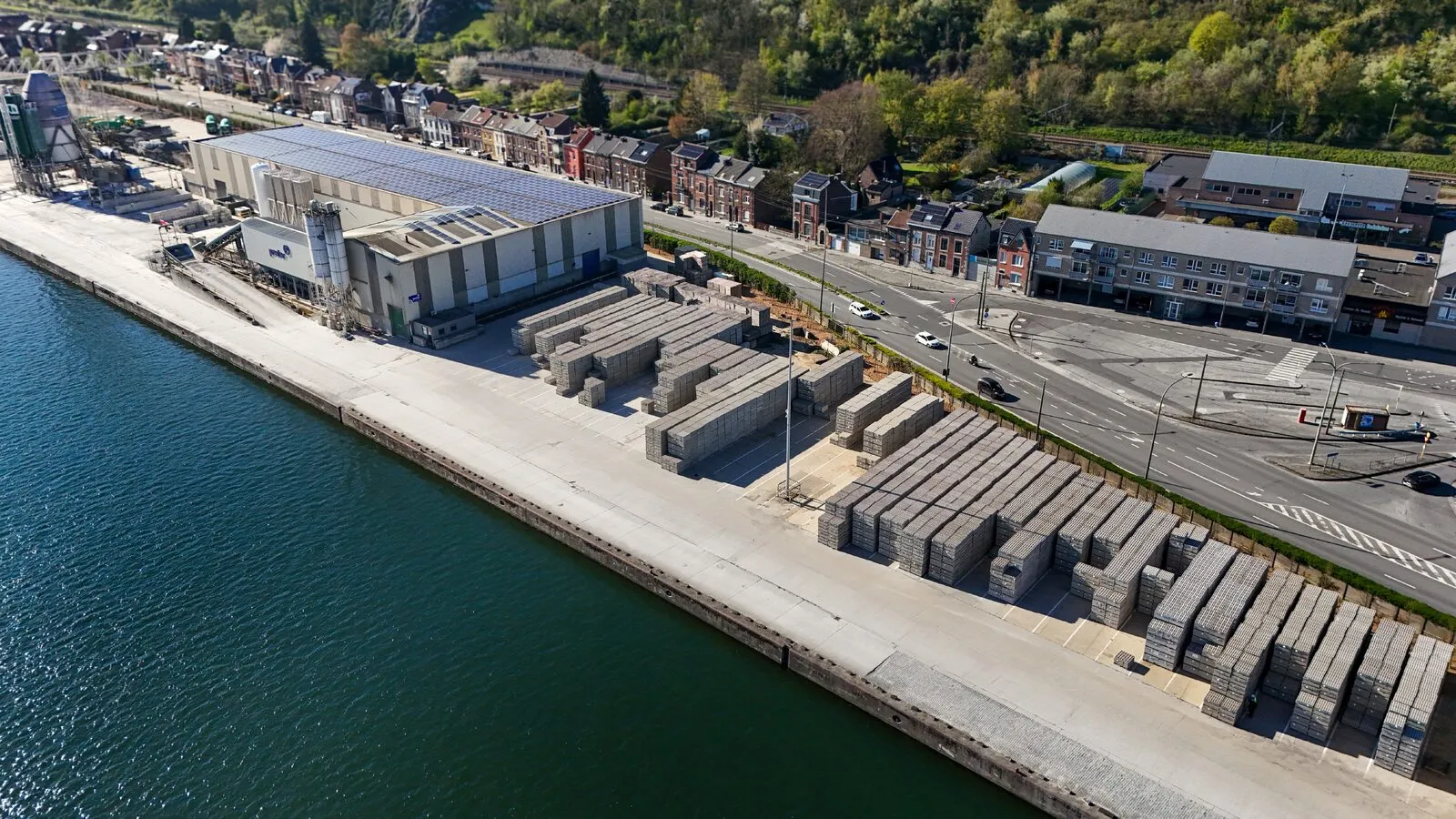
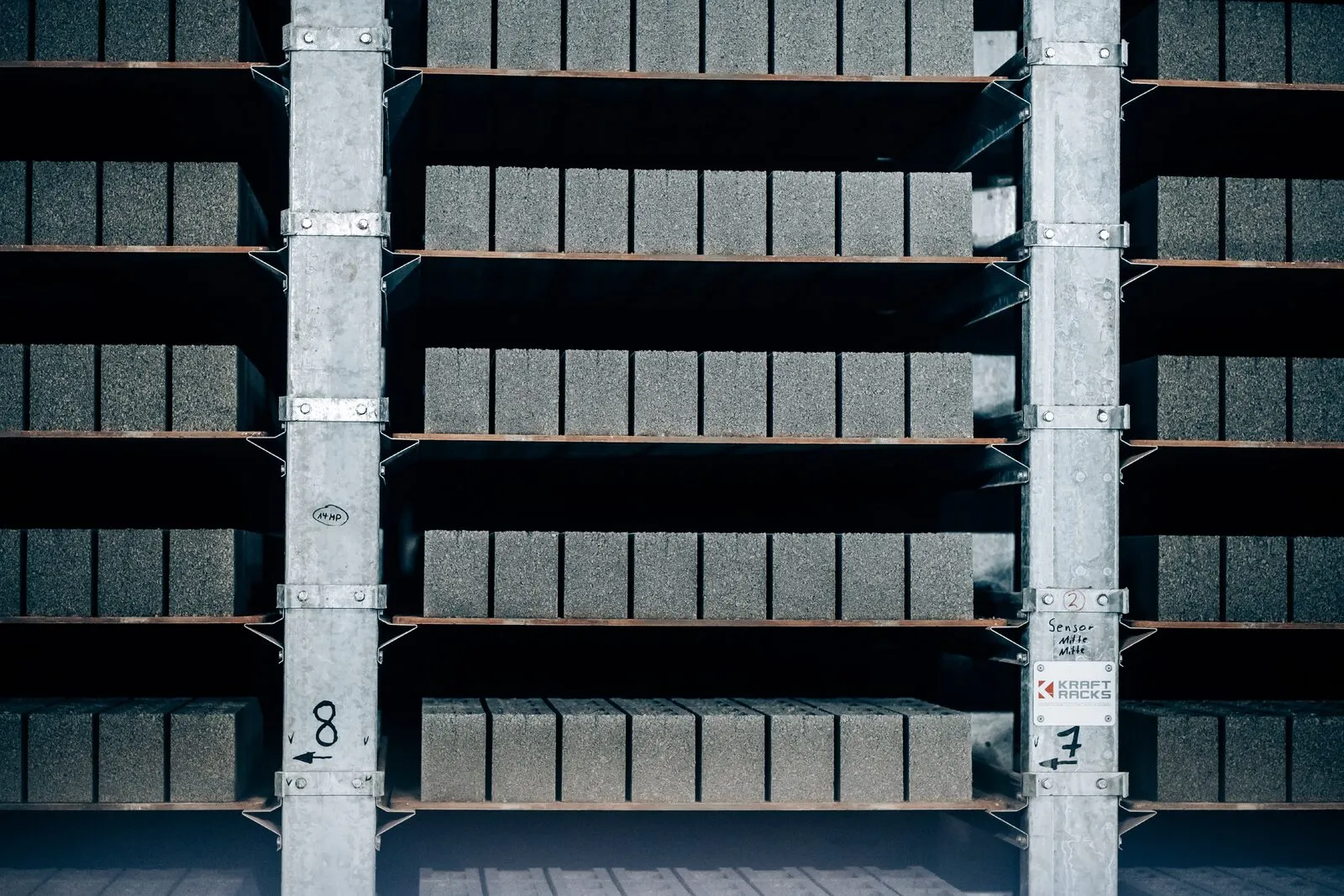
At its Flémalle site, Prefer currently produces around 10 000 Carbstone blocks a day. The main development now concerns production volumes. Work to install new curing chambers began in August, with the aim of reaching a production capacity of 25 000 blocks a day by the end of the year.
A technology with multiple benefits
A healthier material
The steel industry by-products supplied by Orbix are cleaned of impurities. The very high temperatures reached during steel production chemically bind their components in a stable form, quite different from that of traditional materials. As a result, Carbstone blocks contain only a tiny amount of quartz dust, unlike traditional concrete blocks, which can contain up to 40 %. Kiwa certification of Carbstone blocks confirms that the substances released when they are cut remain well below legal limits. In addition to their environmental benefits, Carbstone blocks also benefit bricklayers’ health by greatly limiting the presence and release of harmful quartz dust during handling and cutting.
Making use of resources
Carbstone blocks are made by combining two industrial streams that were previously put to little use: residual mineral fractions from the steel industry, which were formerly stored in landfill, and biogenic CO2, produced by the natural decomposition of biomass and captured at the end of industrial processes rather than released into the atmosphere.
The same installation process
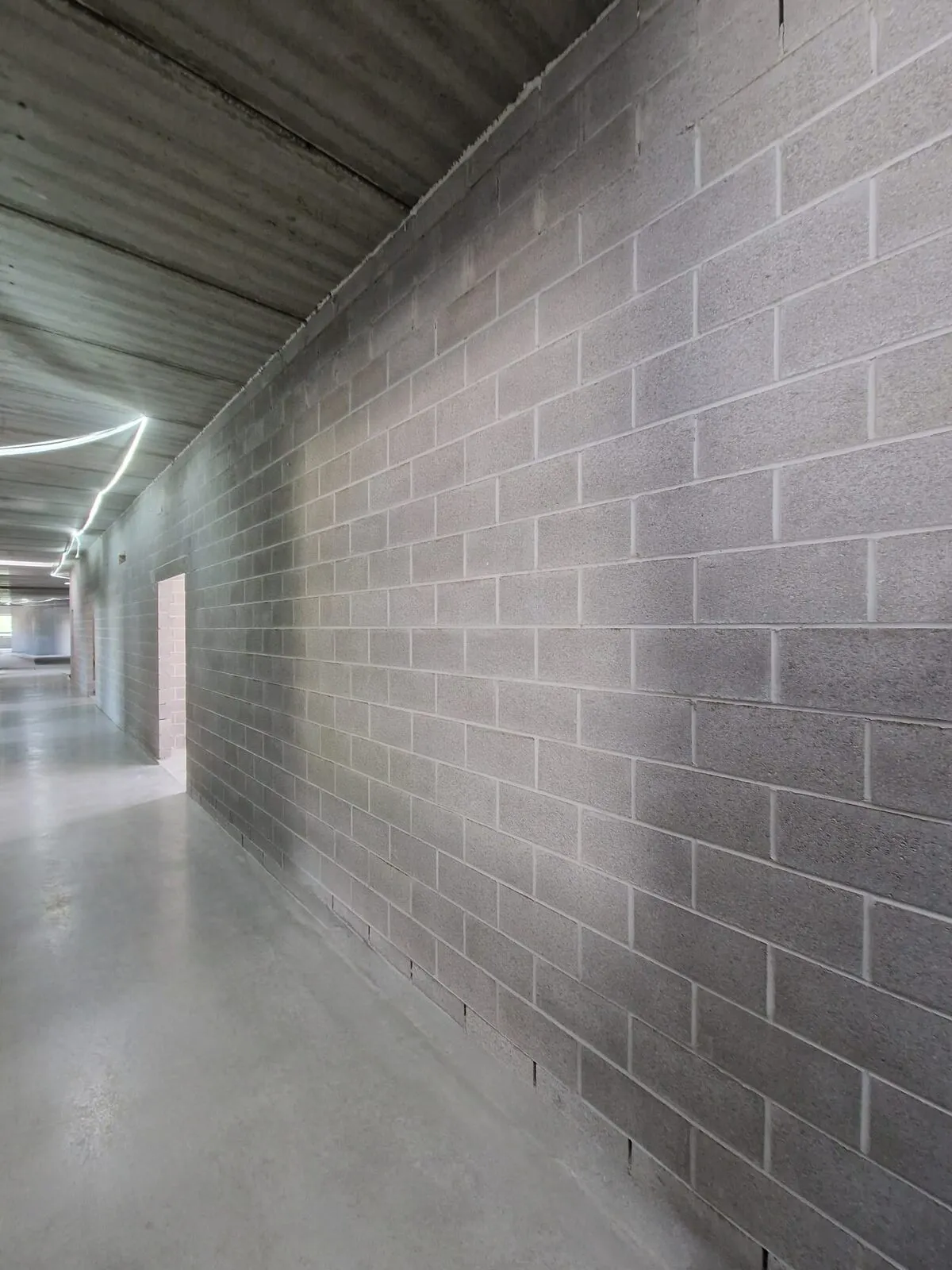
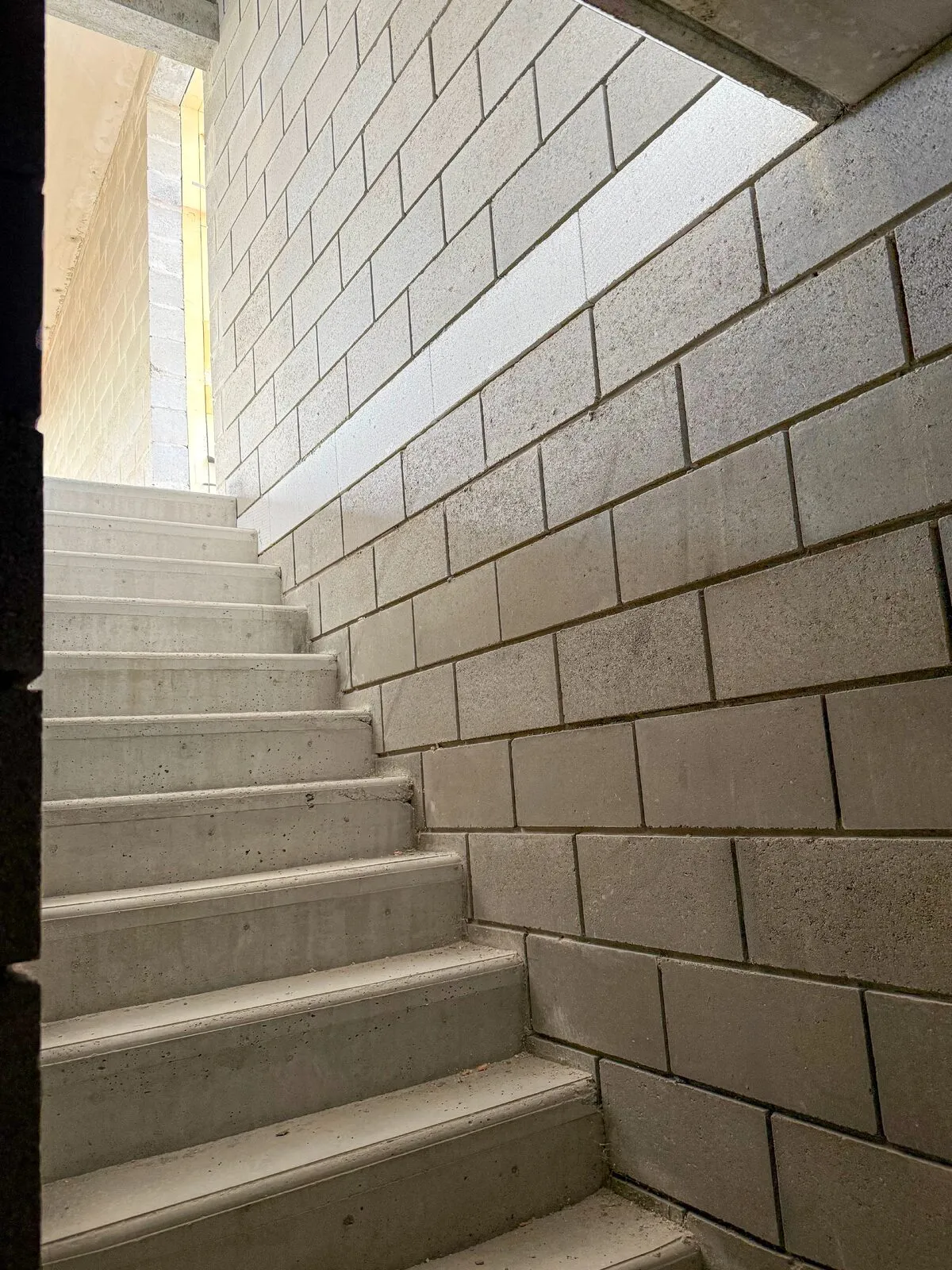
Another advantage of using this technology is that the installation process remains unchanged. ‘We take existing products and make them more sustainable. Workers on site can therefore keep their usual working practices and methods, exactly as they would with traditional masonry blocks,’ explains David Nigot, Sales & Methods Director at Prefer.
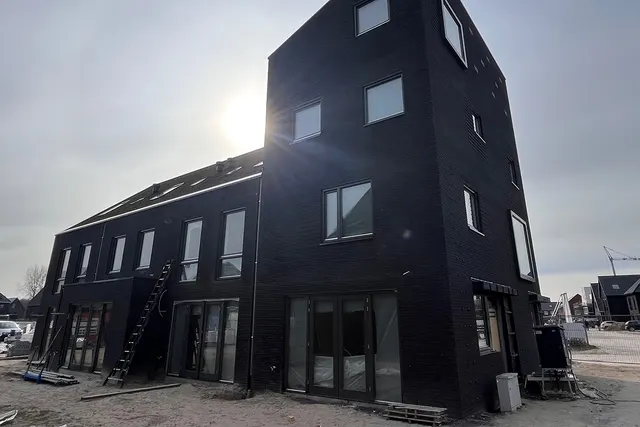
‘They also retain the same format, colour, texture and weight,’ points out Thomas Jehin, Sustainability & Quality Director at Prefer. Feedback from the field from Galère, Wust, Eloy… among the first users, indicates that installation is no different from that of conventional blocks.
Floor infill blocks pave the way for new applications
Following masonry blocks, the technology is now also being used to produce floor infill blocks, which are used in particular on renovation projects. Like the blocks, the floor infill blocks are produced by direct demoulding, allowing CO2 to penetrate the material during curing. Carbstone floor infill blocks are, of course, compatible with Prefer beams. Prefer thus markets a complete floor system with a reduced carbon footprint, suitable for all types of project, including renovation work.
Environmental impact quantified and documented
David Nigot is enthusiastic: ‘Products with a negative carbon footprint like these should become the norm. Using these blocks has a negligible impact on construction costs: 0.4 % on average. The environmental benefit, however, is enormous.’
A 14 cm block represents a saving of around 2 kg of CO2 per unit, combining the CO2 captured during carbonation with the emissions avoided by using no cement. The raw materials used are also made from 100 % recycled materials that have obtained end-of-waste status.
The environmental performance of the blocks is now documented in Belgian environmental product declarations (B-EPDs), available on Prefer’s website. Their inclusion in TOTEM, the tool developed by the Belgian authorities, also makes it easier for architects and engineering consultancies to take them into account.
Reinforced concrete: the next environmental challenge
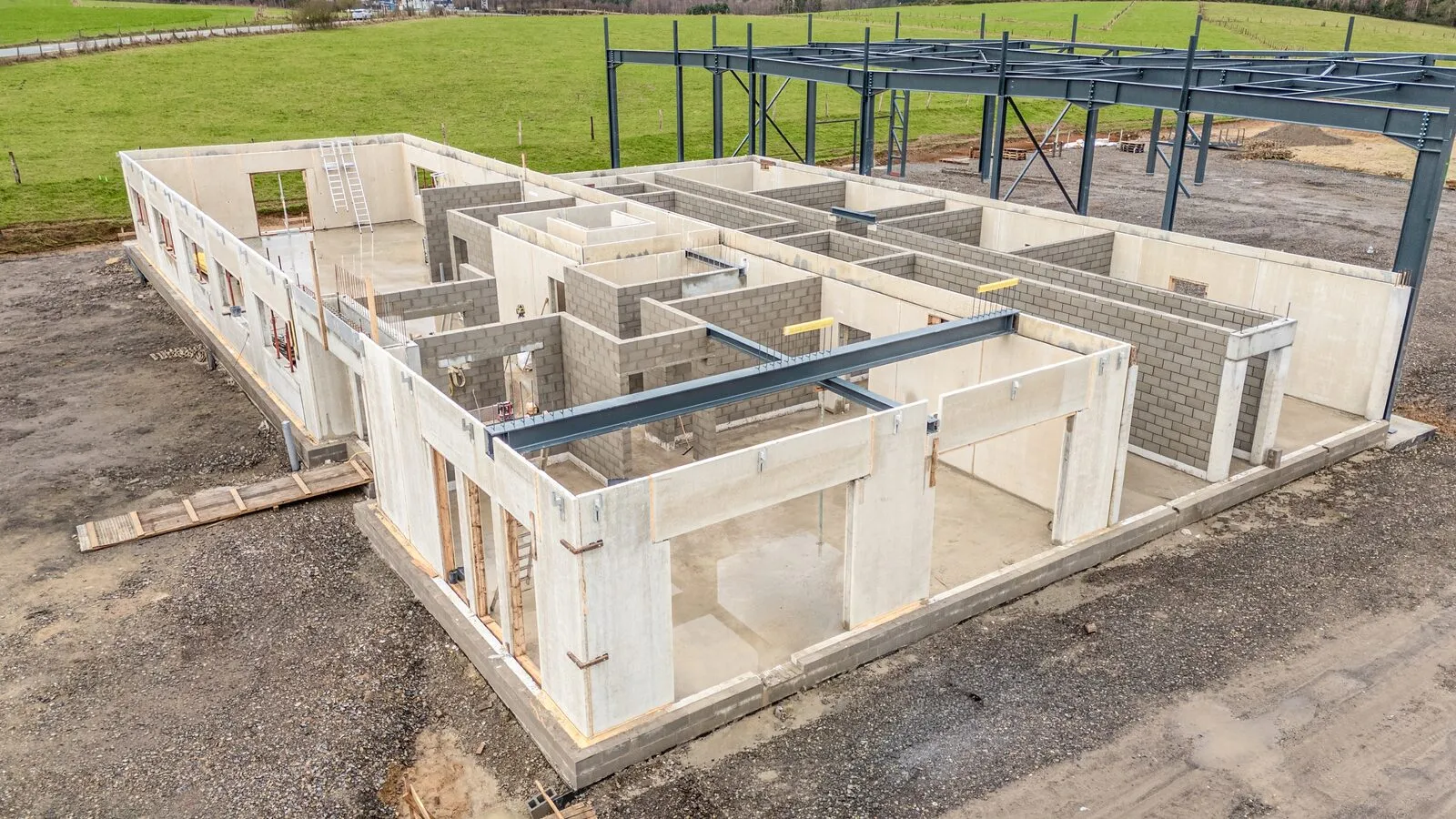
For now, the technology’s potential is mainly limited to unreinforced concrete products manufactured by direct demoulding. Formwork blocks and other precast elements could therefore offer new applications.
Reinforced elements present an additional challenge: the environment created by carbonation can encourage corrosion of the steel reinforcement. Prefer is therefore investigating solutions such as protected or passivated reinforcement and alternative materials. ‘I think we’ll have found a solution using suitable reinforcement before long,’ says David Nigot. In time, this breakthrough could open up the technology to a much wider range of precast elements, such as hollow-core slabs.
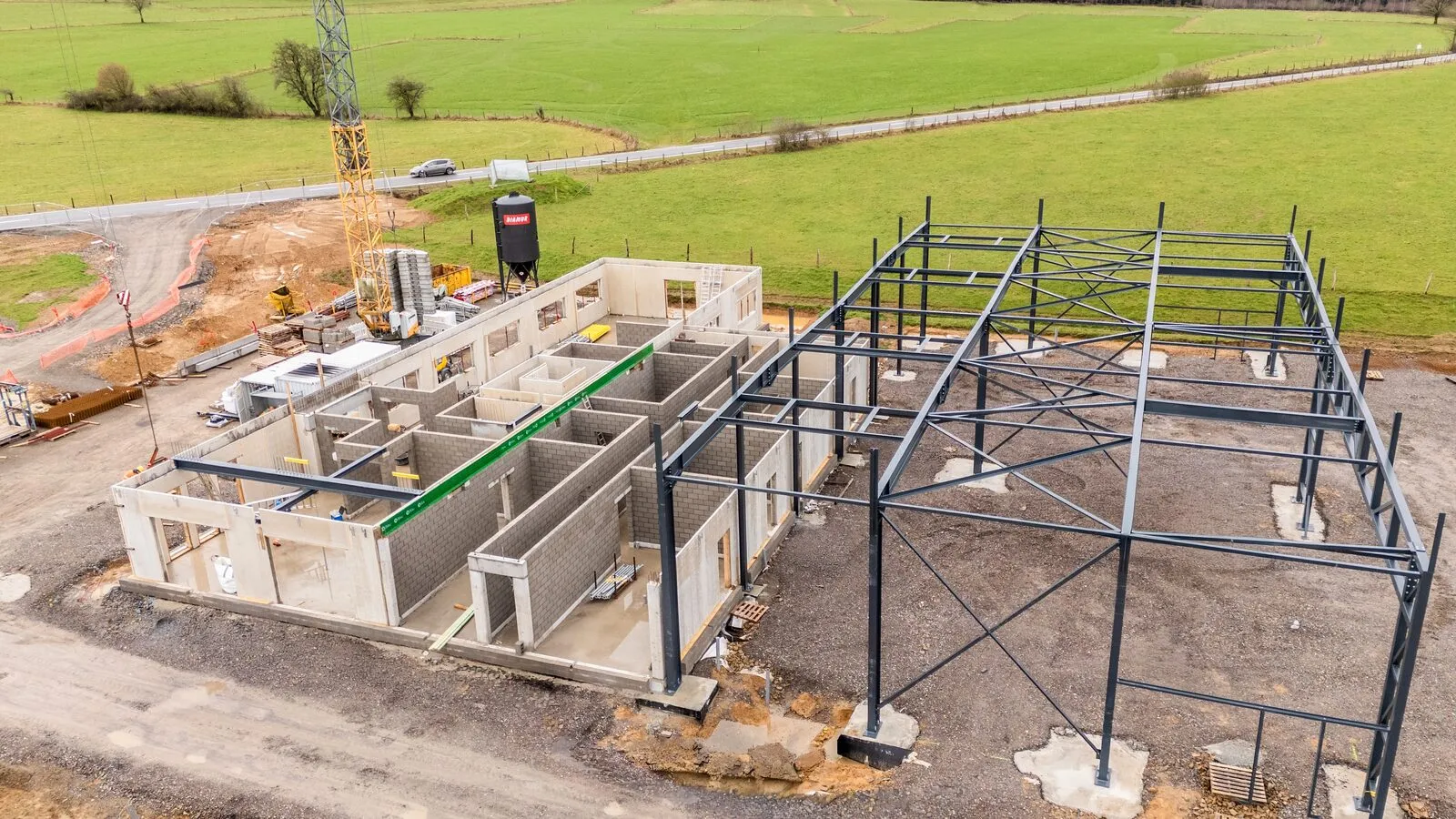
Watch Eloy’s video on its experience of installing Carbstone blocks at the CMH in Bra-sur-Lienne.
Een zakelijke vraag aan Prefer? Get in touch
Companies in this story
Keep following this
Get an email when a new story is published. No account needed.
- ThemeBuilding with less carbon
- SubjectSustainable construction
- CompanyPrefer