One line, eight stations and just as many projects running in parallel
Texte Philippe Selke Photos Pascal Thémans et ABR Architecture et urbanisme
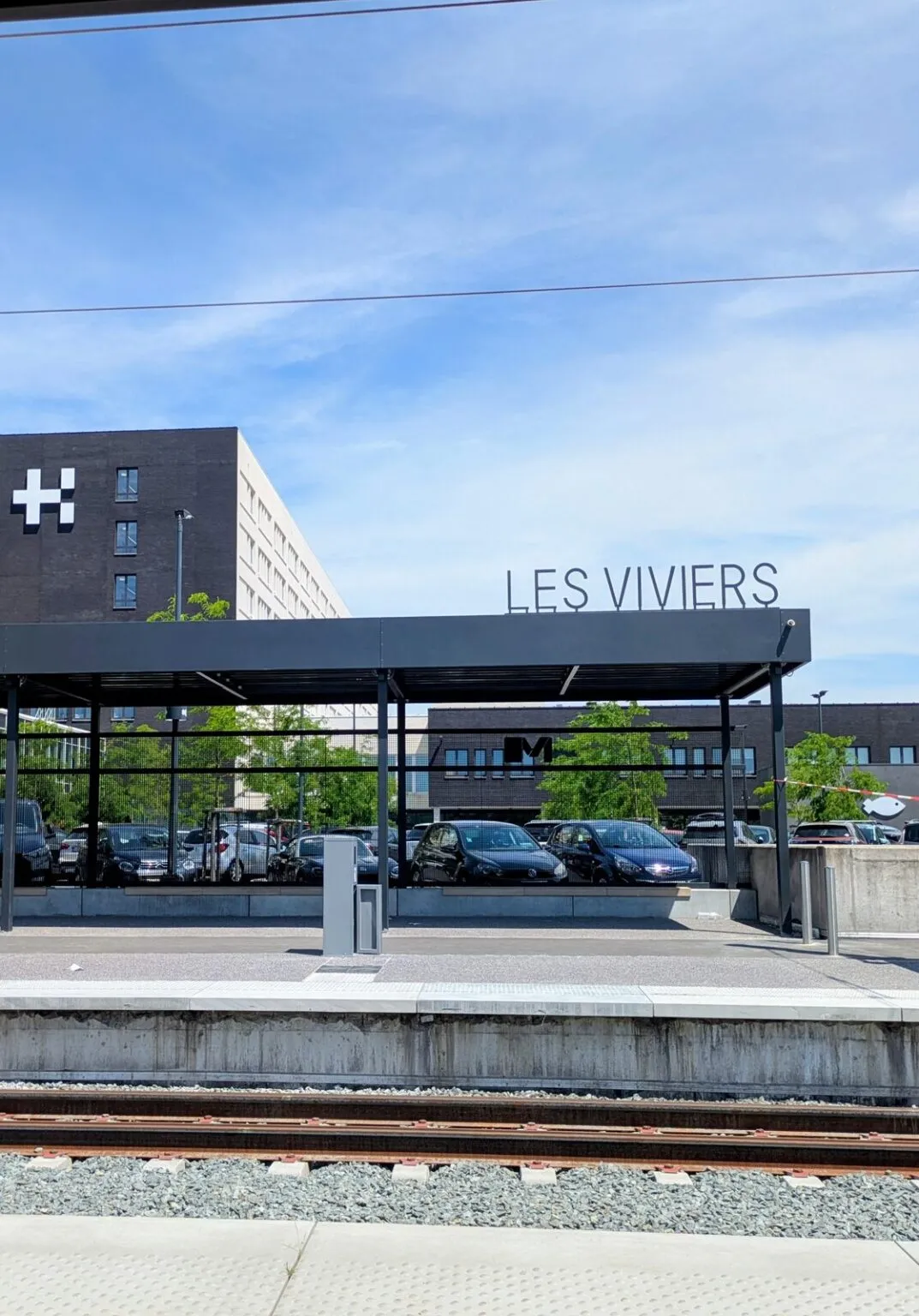
Unused since it was built in the 1980s, the Charleroi light rail line to Châtelineau, now extended to the GHdC, has entered the testing phase ahead of its opening. Working with Eiffage Rail, Duchêne delivered works for LETEC ranging from bringing existing stations up to standard to building new infrastructure and laying track. The work spanned eight stations with very different characteristics.
Refurbishing, completing and building
The contract awarded to the Duchêne–Eiffage Rail joint venture forms part of a project designed by the architects at ABR Architecture et urbanisme. It runs from Neuville station to the new Les Viviers station, opposite Grand Hôpital de Charleroi. One of its distinctive features was the widely varying condition of the infrastructure encountered.
Neuville, Yernaux, Pensée and Centenaire stations had been built but never opened to passengers. They were subsequently brought up to standard, including through the construction of lift shafts, the installation of new escalators and the renewal of finishes. The existing track was also adjusted.
At Champeau and Roctiau, only the structural work had been completed at the time. “The stations were even hidden by vegetation,” recalls David Deni, project manager at Duchêne. After the structures were adapted to meet current standards, both stations were fully fitted out.
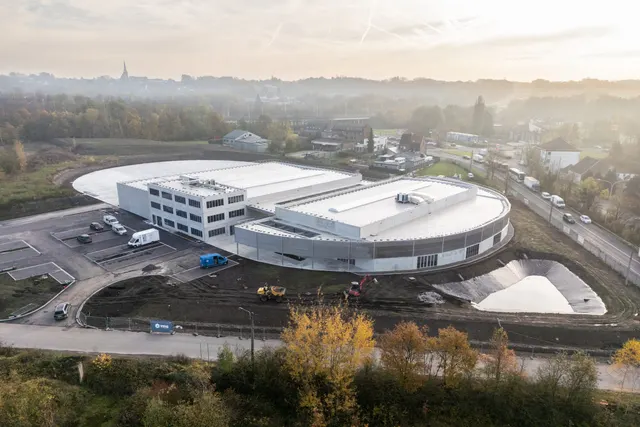
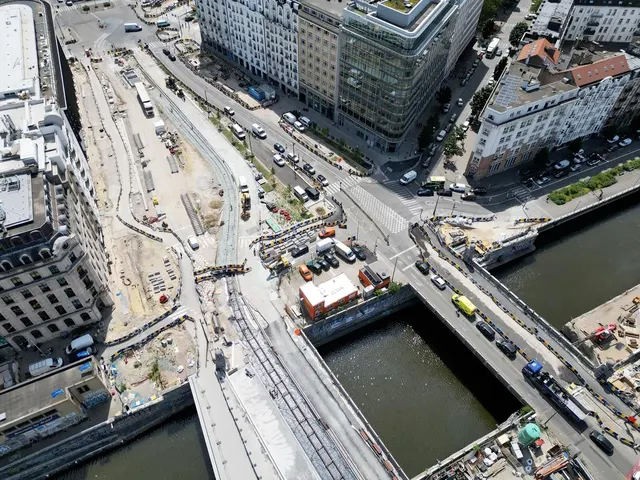
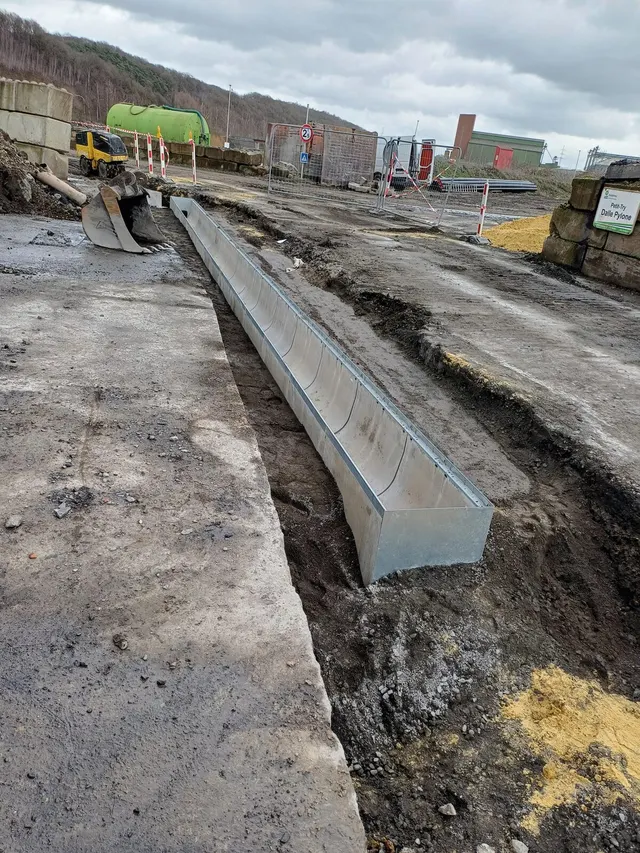
Two new stations complete the route: Corbeau and Les Viviers. Built entirely underground, Corbeau was constructed by Duchêne’s civil engineering division. The joint venture also supplied and laid the new track as far as the GHdC. Electrical equipment, signalling and other specialist systems were covered by separate work packages, which Duchêne was responsible for managing and coordinating.
Eight projects running side by side
The programme was one of the main challenges on the project. Work began in September 2023 and progressed at practically all eight stations simultaneously, in particular to make the technical rooms available for specialist railway systems contractors.
“In effect, these were eight separate projects running in parallel,” says David Deni. At the height of activity, between 50 and 60 people were working along the route. This set-up also required subcontractors able to mobilise several teams at once.
Alongside the spread of the construction sites were the specific constraints of railway work. “You don’t build a station in the same way as a building,” David Deni points out. Track clearances, platform levels, fire compartmentation and interfaces with the various specialist work packages all entailed specific requirements.
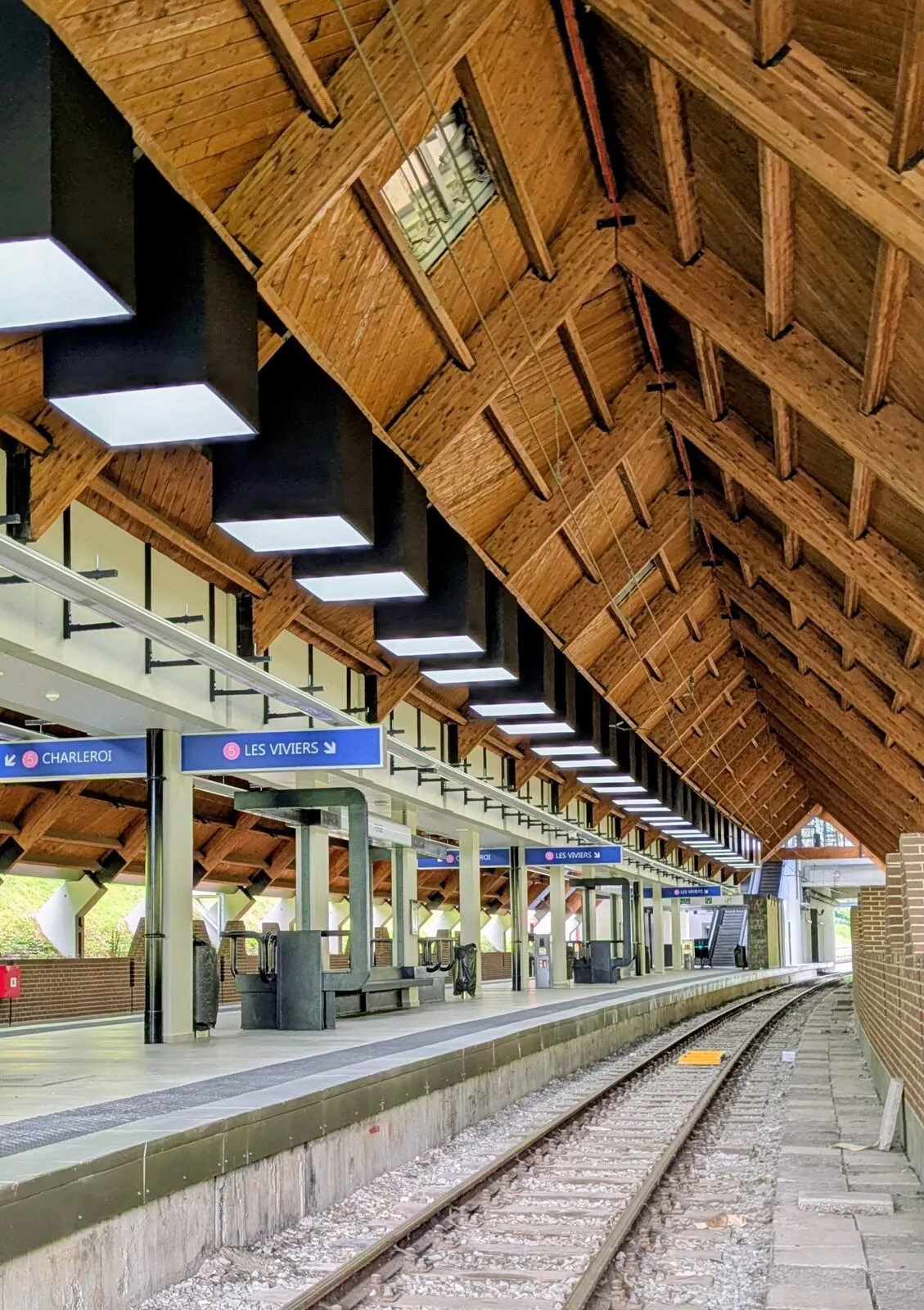
Keeping logistics on track
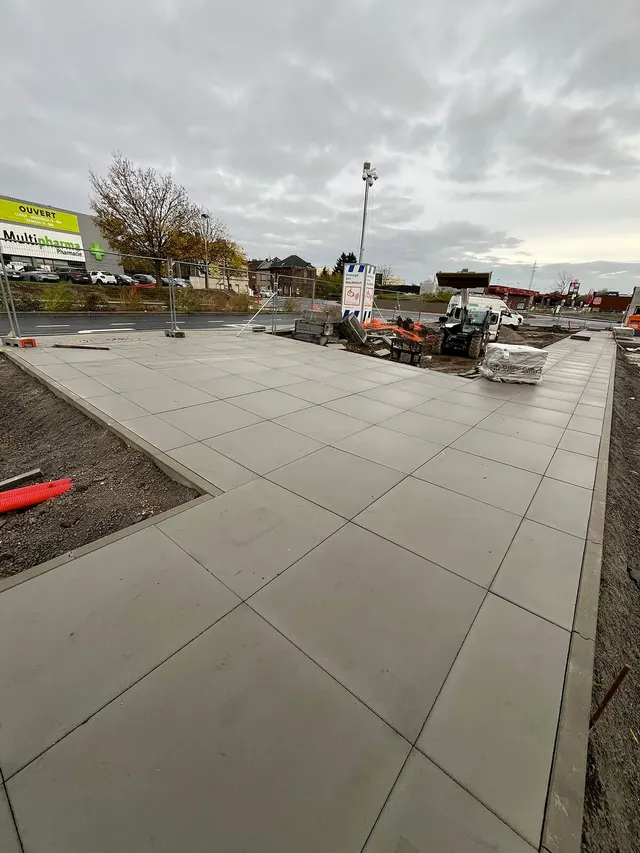
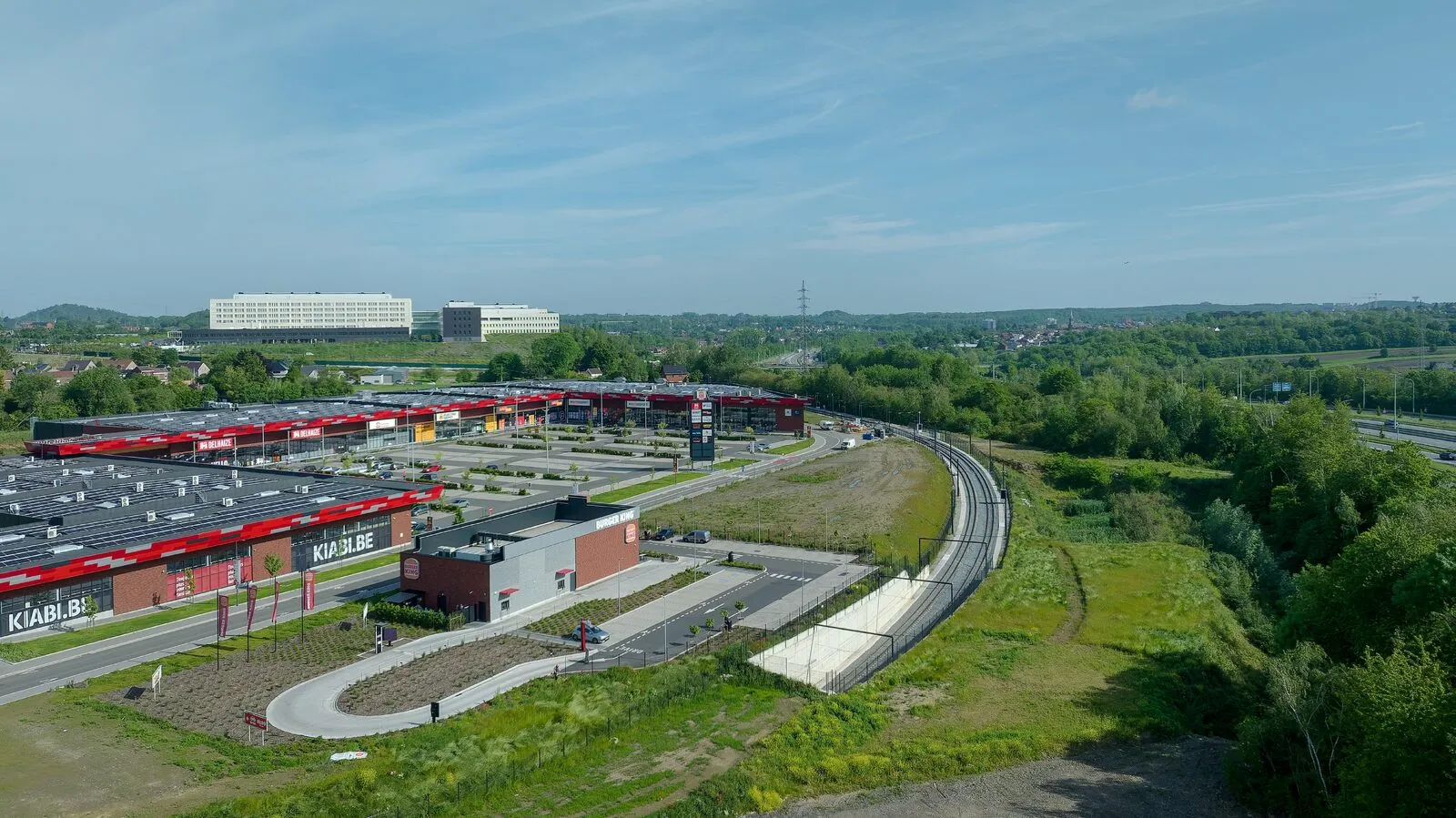
Logistics also called for a specific approach. At Corbeau, the underground station had to be built while keeping traffic flowing around the shopping centre. At Les Viviers, the works had to accommodate access requirements at the GHdC.
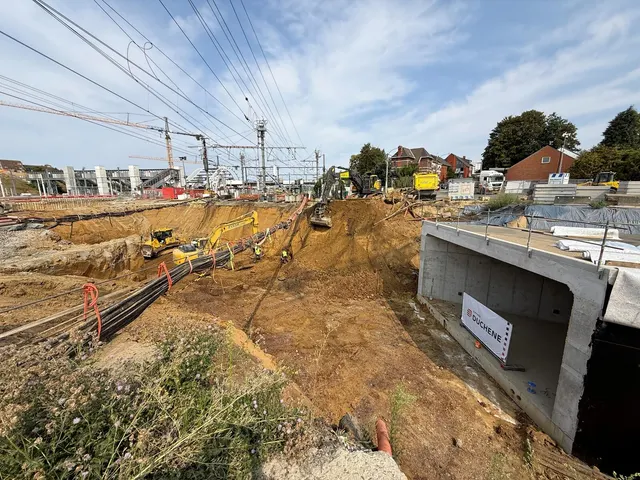
As some stations could only be reached by rail, materials, equipment and machinery were transported largely by road-rail vehicles. Lorries delivered to a designated point, from where loads were redistributed to the various sites.
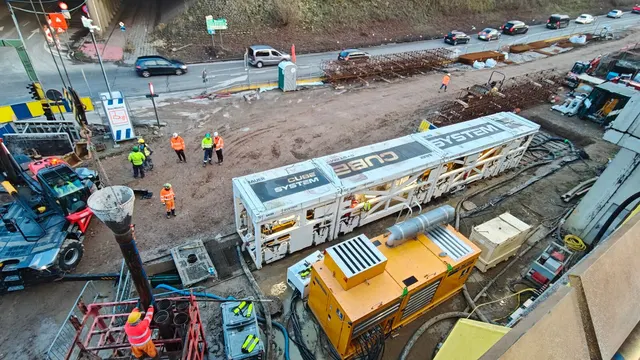
Building Corbeau also involved specific civil engineering techniques. As the groundwater table sits above station level, secant pile walls were installed. In places, the roof slab is more than a metre thick.
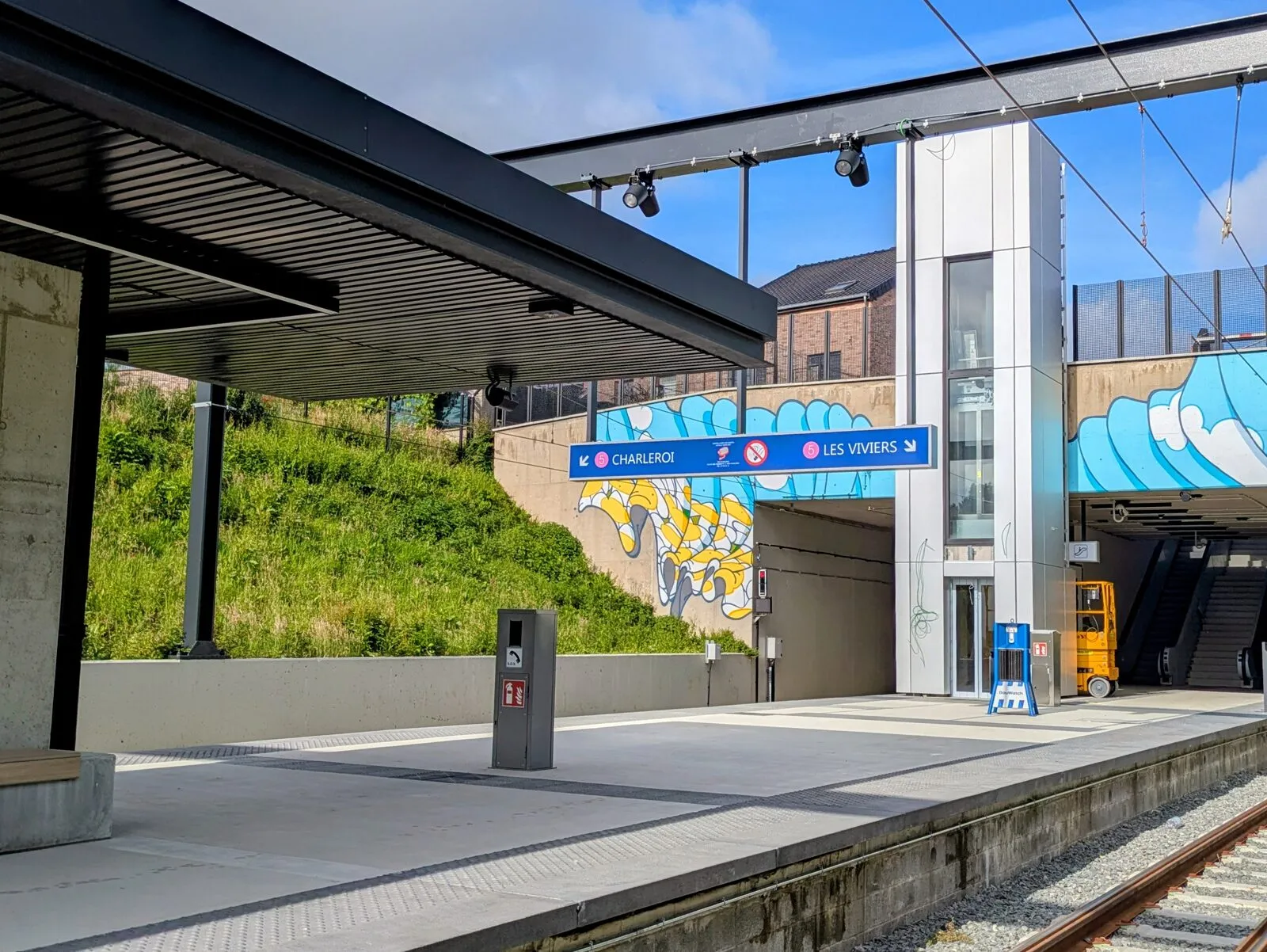
The line is now in the testing phase
The Duchêne–Eiffage Rail project was formally handed over on 29 June 2026 and is currently in the process of addressing outstanding comments.
Tests of train movements, signalling, fire detection, alarms and remote control are under way ahead of the planned opening in 2027. “No two stations are alike, each has its own particular features,” concludes David Deni. This diversity reflects the combination of building, civil engineering and railway infrastructure works along a single route. It is undoubtedly a first for Duchêne, whose teams can be proud to have helped get mobility in Charleroi on track.
PROJECT DETAILS
Client: LETEC
Architect: ABR Architecture & Urbanisme
Main contractor: Duchêne, Eiffage Rail joint venture
Question about this story? Ask your question
Keep following this
Get an email when a new story is published. No account needed.
- ThemeTransforming infrastructure and territories
- SubjectCharleroi