A green prison village, a ray of light in the overcrowding crisis
Texte Philippe Selke Images de synthèse Studio Alma
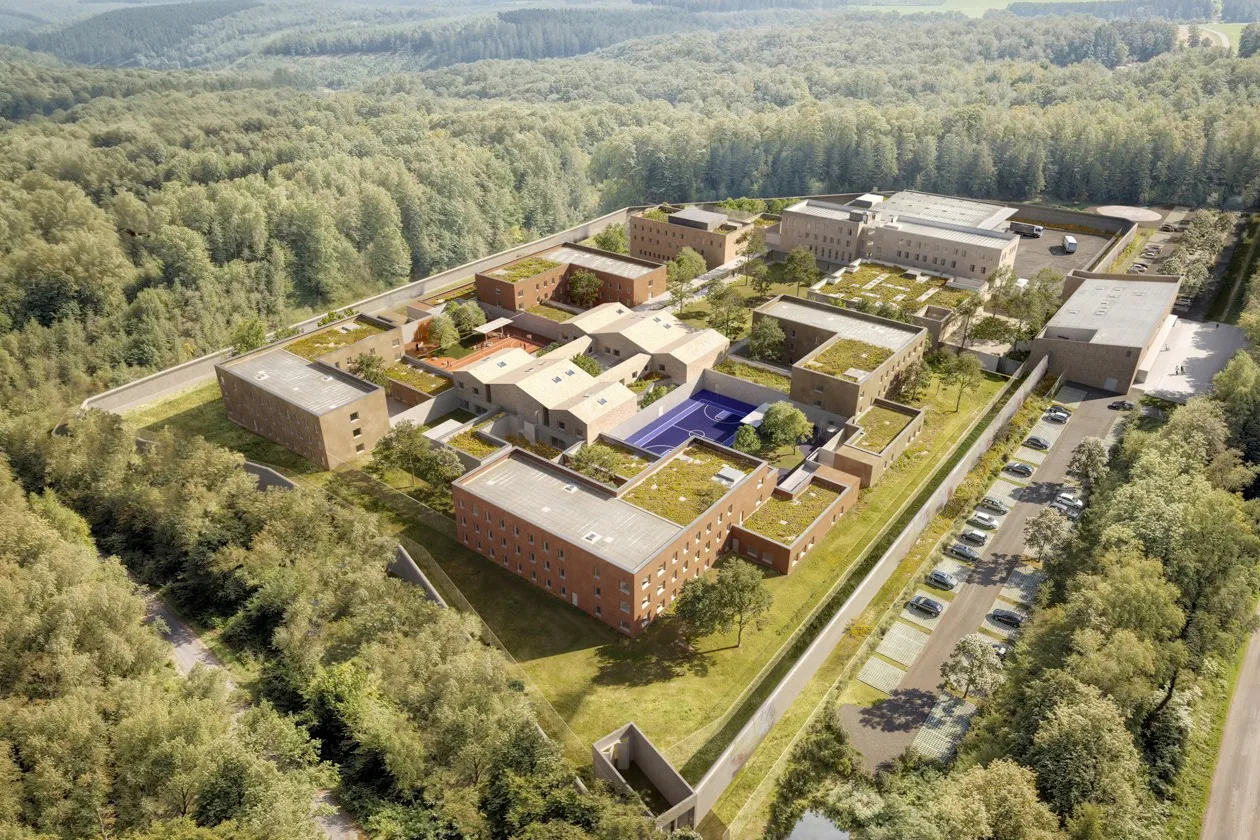
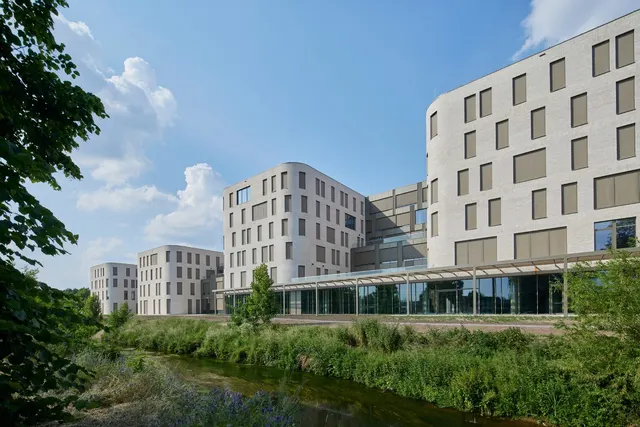
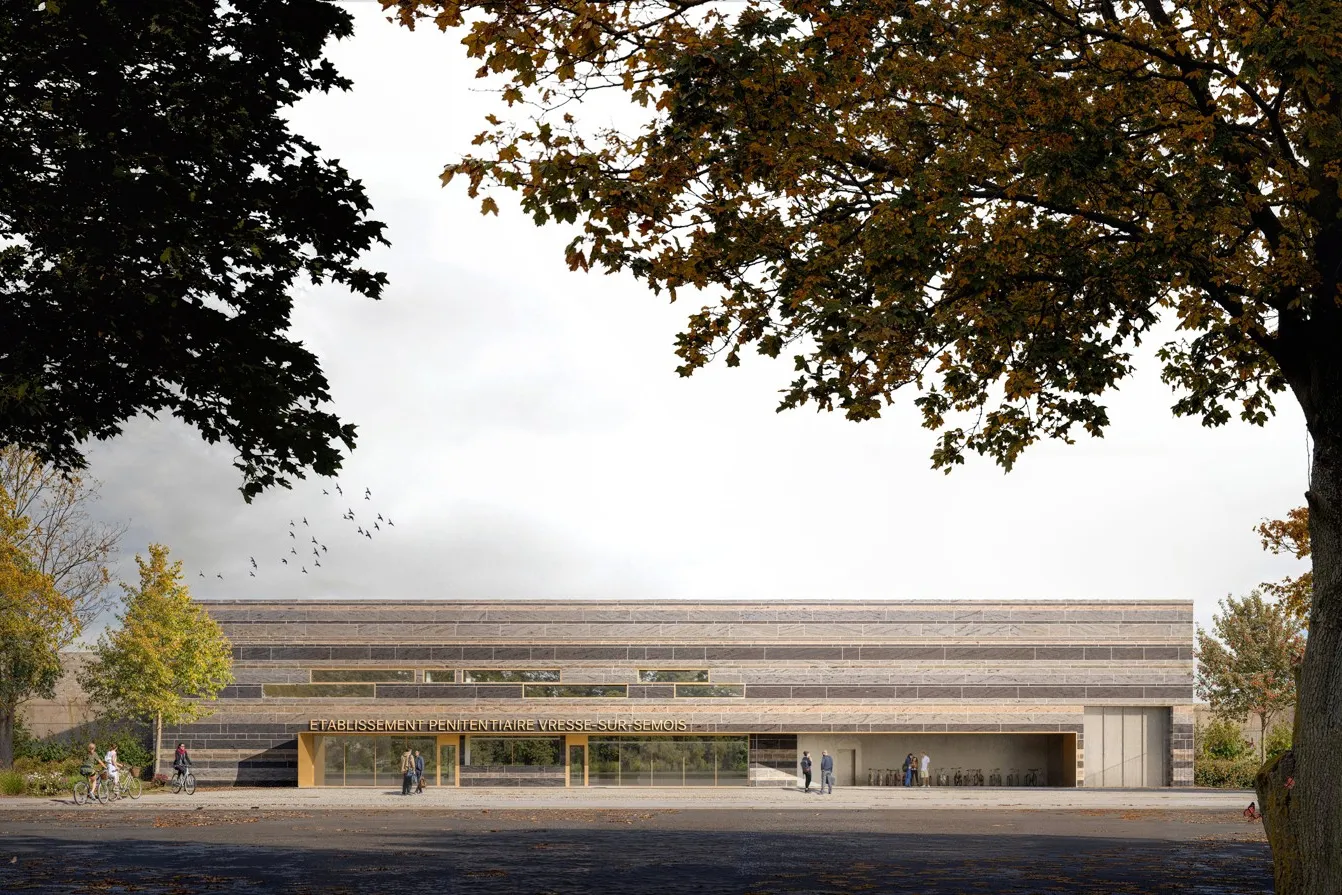
Designed as a prison village, the future prison in Vresse-sur-Semois, with capacity for 312 inmates, will be built under a DBFM (Design, Build, Finance and Maintain) contract by the private consortium l’Éclaircie, led by Eiffage Construction BeLux and Eiffage Concessions Benelux. Several companies in the group are part of the construction team, as was already the case for Marche-en-Famenne prison around 15 years ago. Philippe Goblet and Stefan Eerens, CEOs of Duchêne and Valens respectively, are confident about this new public-private partnership.
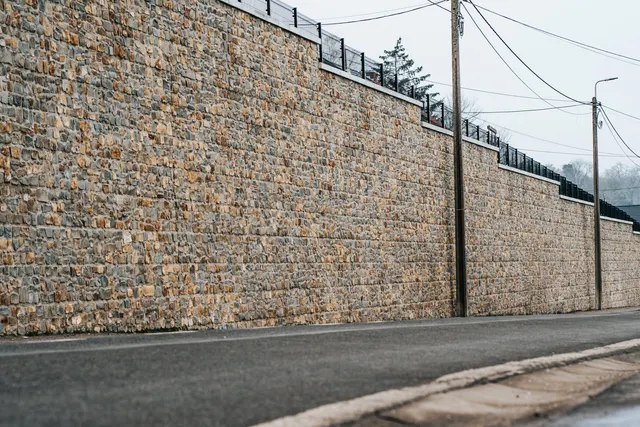
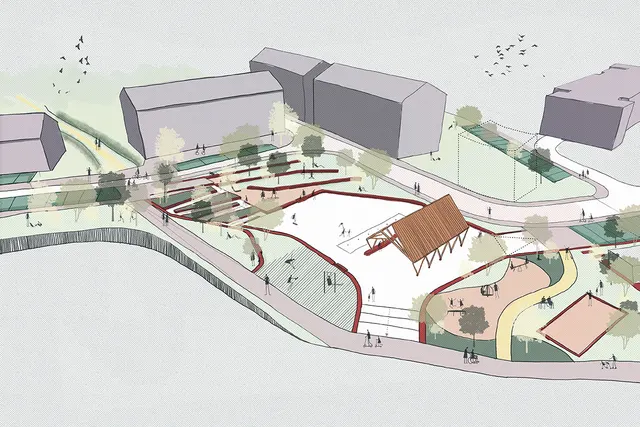
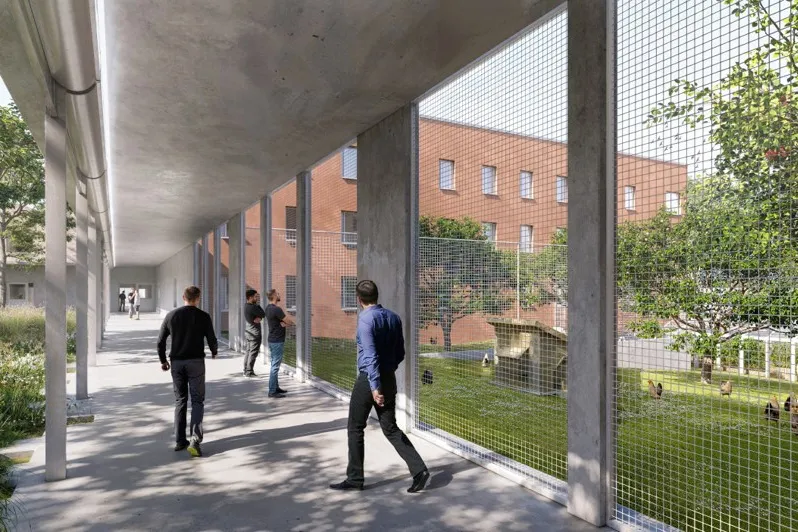
Set in an isolated natural location, the future prison stands out for its strong environmental ambitions and innovative approach, which promotes inmates’ autonomy (no bars on windows, fewer fences in favour of barriers formed by the buildings themselves, access managed through facial recognition, etc.). For people who have already been convicted, the prison will have two different security levels, medium or low security, depending on inmates’ profiles. Work is expected to start in the second half of 2027 and finish in autumn 2029, following testing of the facilities.
Public-private partnership
For the Régie des Bâtiments, the client, the DBFM model, now standard for all new prisons to be built in Belgium, offers several advantages: a single point of contact involved from the tendering stage, ensuring a good understanding of requirements, as well as better risk management, with the consortium bearing most of the risk. This makes for very short delivery times, two years in the case of Vresse prison.
Fabienne Wantier, Head of the Prisons Project Group at the Régie des Bâtiments, adds: “In this kind of integrated project, each partner contributes its know-how and expertise. We can therefore draw on the consortium’s large, highly qualified workforce, a major asset for the project’s success. The performance specification, drawn up in-house, reflects the client’s requirements as closely as possible, while leaving the consortium considerable scope for innovation. The DBFM model thus encourages the integration of modern technologies and sustainable practices.”
Philippe Goblet (Duchêne) agrees: “The consortium comprises several Eiffage Group companies, including Eiffage Énergie Systèmes (Collignon). Integrating the building services in this way gives us full control of the project. Our proposal was assessed against numerous criteria, and the consortium won the contract thanks to the project’s inherent quality, particularly its organisation, circulation and functionality, as well as its sustainability. We can also draw on the experience gained building Marche-en-Famenne prison, which we know the client is satisfied with. We learned lessons from that project that have helped us improve certain aspects of operations.”
A sustainable project
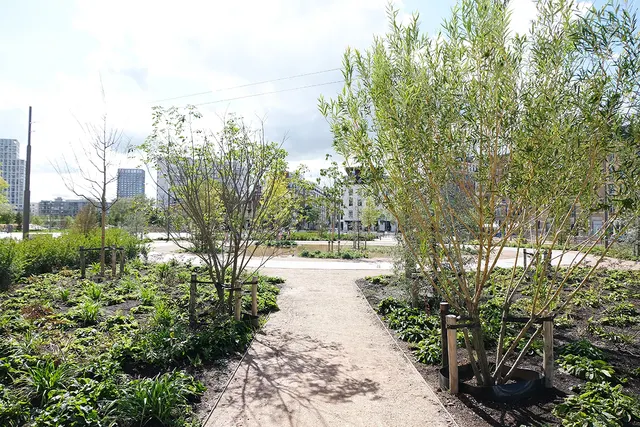
Built partly on a former NATO site in Sugny, the building has a conventional design, but particular attention has been paid to the outdoor environment and biodiversity. An ecology consultancy is supporting the design team to preserve native vegetation, including rare orchids, and plant a variety of species. Several solutions will be implemented to free the building from its reliance on fossil fuels: heat pumps, photovoltaic panels and geothermal energy. The consortium is even going beyond the client’s requirements, targeting BREEAM Excellent certification, a first in Wallonia!
The challenges are considerable: difficult access to the site because of its distance from major roads, getting teams on site, an extremely short construction schedule and the potentially unpredictable Ardennes climate, among others. Despite this, Philippe Goblet and Stefan Eerens are confident: “A full year has been set aside to prepare the site and assemble the teams. Vresse is the group’s first prison contract win in 15 years and a major undertaking for the group in Belgium. We have the equipment and expertise to meet the challenge!”
Technical details
Client: Régie des Bâtiments
Design: SCAU, ETAU, Sweco Belgium, ATS, RST Consultancy, Eole
Construction: Eiffage Construction, Duchêne, AB-Eiffage, Valens, Collignon
Question about this story? Ask your question
Companies in this story
Keep following this
Get an email when a new story is published. No account needed.
- SubjectProjects
- CompanySweco Belgium