Use of CEM II cements with calcined clay in self-compacting concrete for prestressed elements
Texte Philippe Selke Photos Ronveaux
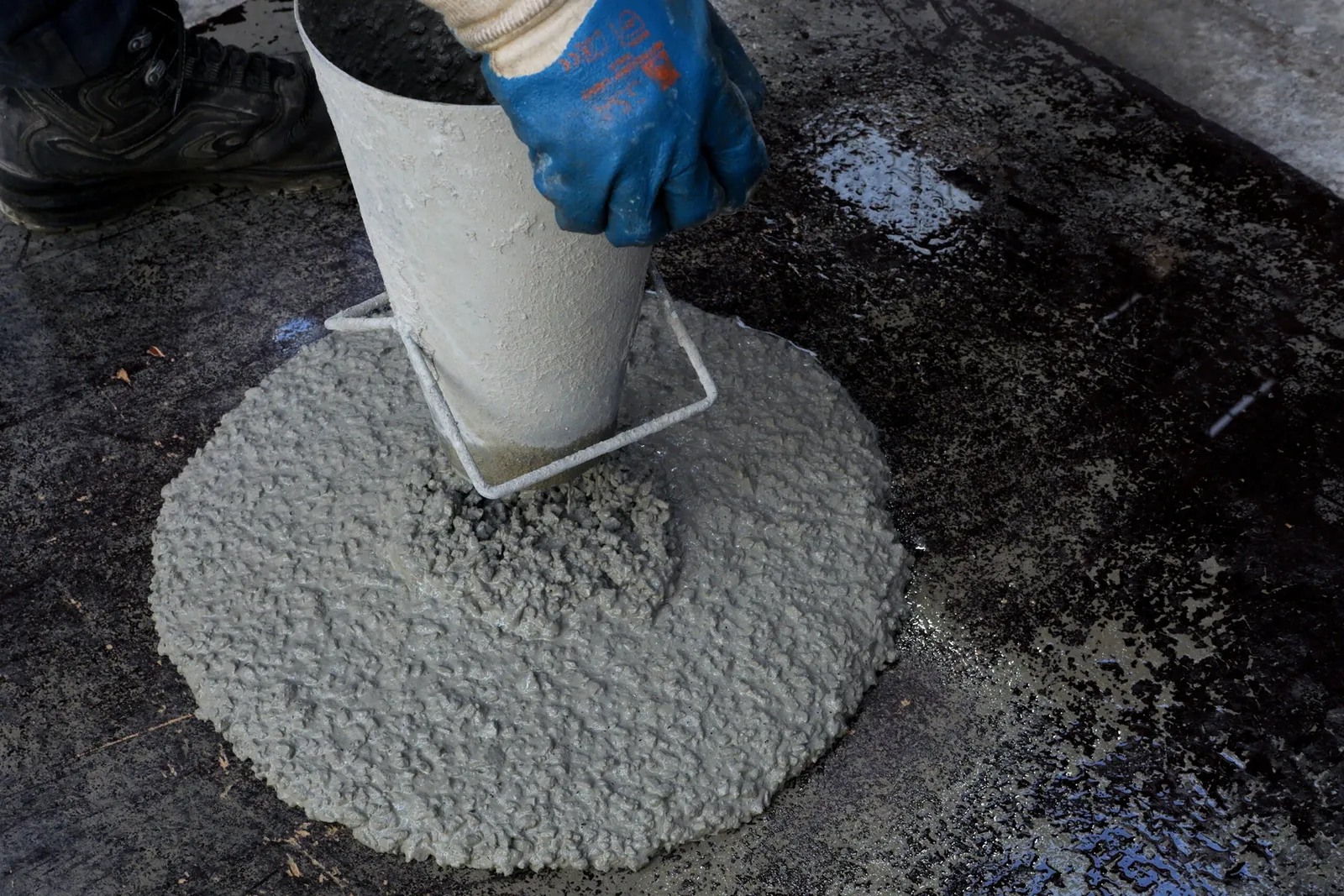
Reducing the carbon footprint is now a major challenge for the concrete industry. In this context, Ronveaux has spent several years researching and validating ways to incorporate new types of cement into its precast concrete mixes. Following an extensive testing phase, the company has now started routine production of several ranges of elements using CEM II cements, which produce fewer emissions than traditional Portland cement.
This development is part of a broader effort to reduce the environmental impact of precast concrete production, which also includes using recycled water, optimising heat curing and harnessing solar power.
A significant opportunity to cut emissions
In concrete production, cement accounts for a significant share of CO2 emissions. “Producing one tonne of traditional CEM I (Portland) cement emits around 900 kg of CO2,” explains Jean-Baptiste Lansival, Technical Director.
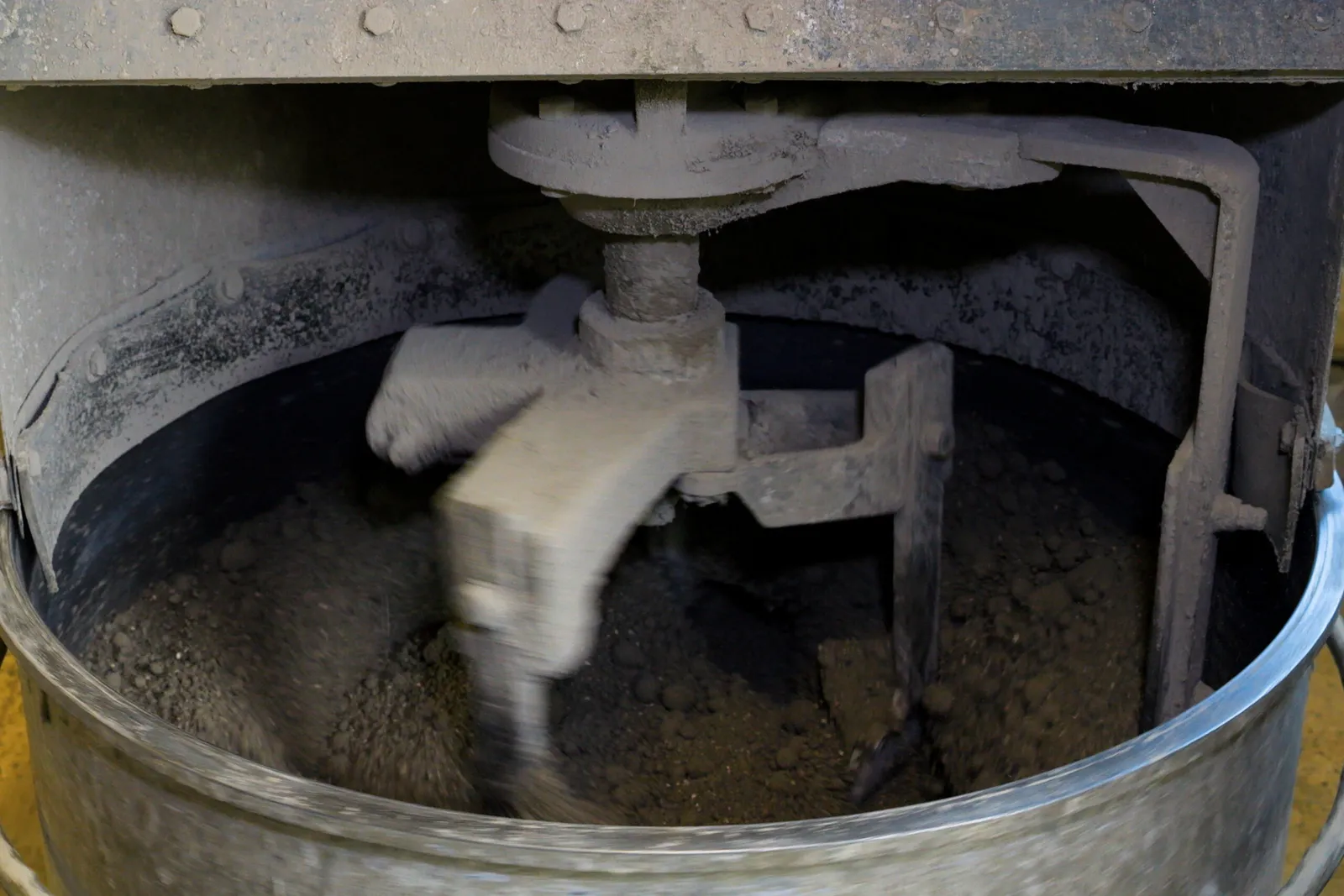
The new mixes being tested rely in particular on CEM II cements incorporating a proportion of calcined clay as a partial replacement for clinker. According to the data available, this change reduces emissions from cement production by around 15% compared with CEM I.
This is all the more important because precast concrete mixes are generally rich in cement to ensure strength and durability.
Maintaining precast performance
In precast production, early-age strength is essential to allow rapid demoulding and maintain plant productivity. “Everything cast today is demoulded tomorrow. This requires high early-age strength,” says Jean-Baptiste Lansival.
The selected new cements retain a high strength class of 52.5 MPa and meet the rapid setting requirements of industrial production. The teams also verified that mechanical performance was maintained in the medium and long term.
In addition, most of the concrete produced by Ronveaux is easy for operators to work with and enables the production of highly technical components. It was therefore essential to retain the rheological properties that allow the concrete to be placed without vibration.
From laboratory to industrial production
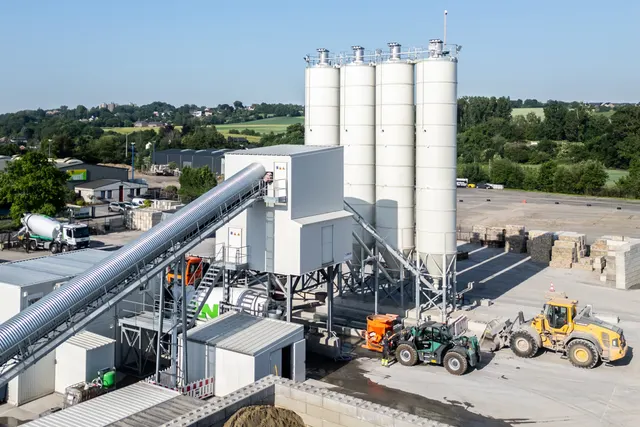
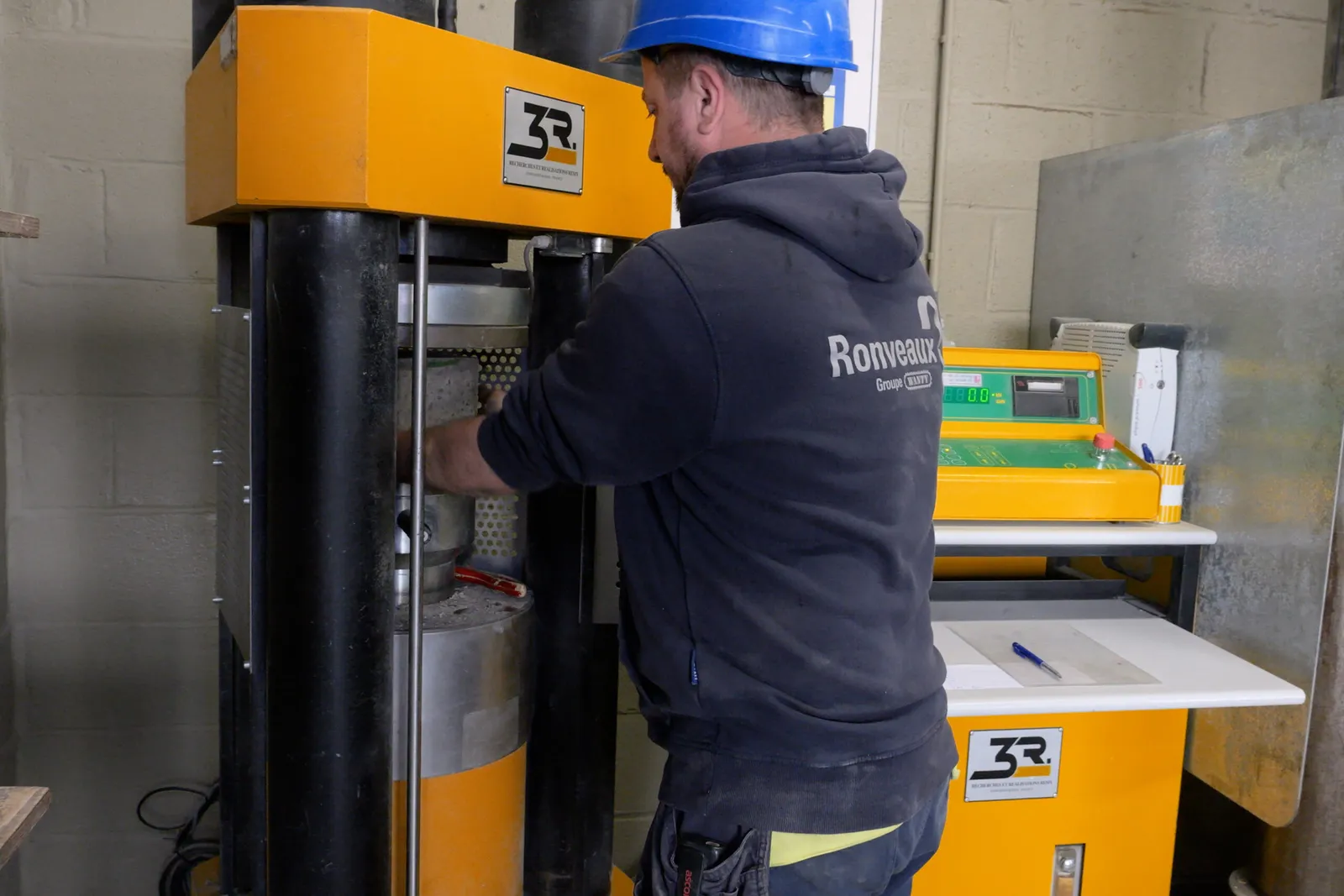
Validation of the new mixes followed a phased process. Initial tests were carried out in the company’s laboratory using a 40-litre mixer before being scaled up to industrial production.
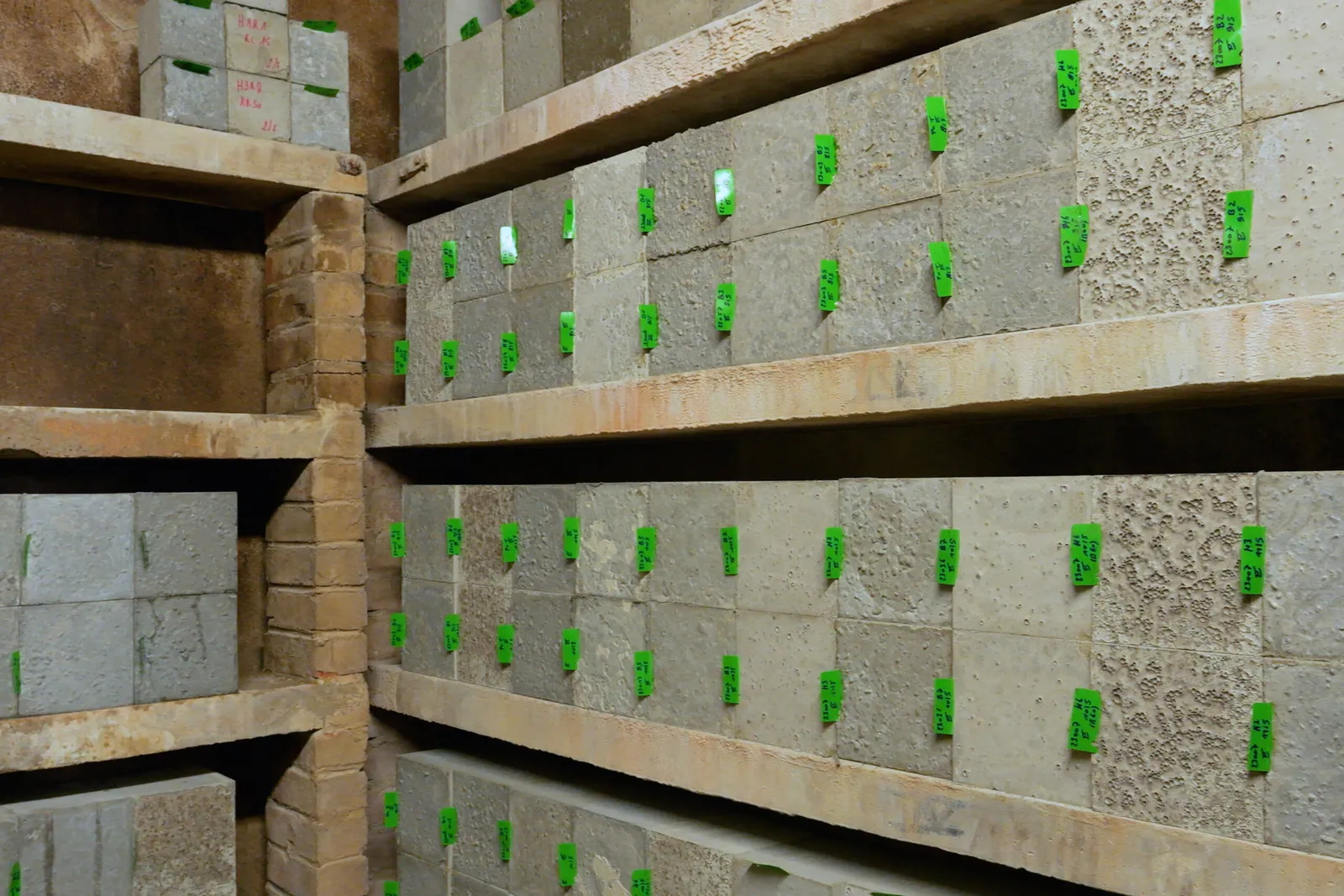
Under the supervision of Simon Hanchir, Quality Control Manager, several testing campaigns were conducted to verify the mixes’ mechanical strength, durability and stability. Their performance was also assessed against certification requirements and inter-laboratory testing.
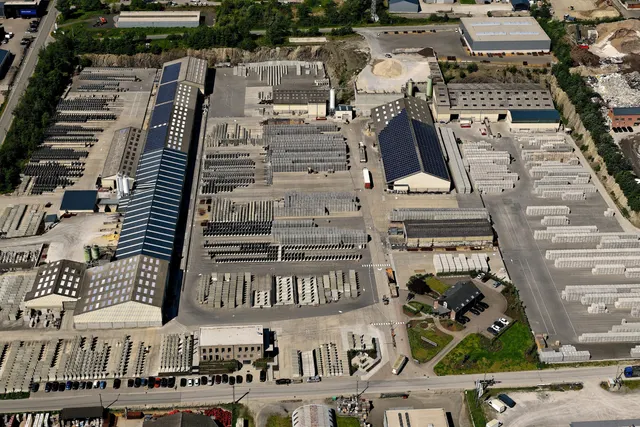
The first industrial trials took place in 2024. Since late May 2026, hollow-core slabs produced at the Crisnée site have been made with this new cement. At the Ciney site, prestressed electricity poles have also switched to these new mixes.
Standards and certifications evolving
Introducing new cements also requires meeting a demanding regulatory framework. ATG and BENOR certifications, along with the various European approvals, are essential steps before any wider rollout.
Standards are gradually evolving to keep pace with technical advances in the sector. Some requirements that historically prescribed specific cement types are now moving towards an approach based more on the actual performance of concrete, notably through alkali balances and durability criteria.
The results achieved now make it possible to consider gradually extending these mixes to all the ranges produced by Ronveaux. A pioneer in this field, the company is nevertheless taking a cautious approach to ensure its products remain compliant and of high quality.
Question about this story? Ask your question
Keep following this
Get an email when a new story is published. No account needed.
- ThemeNew ways of building
- SubjectConcrete