Decarbonising cement: a technological, economic and societal revolution
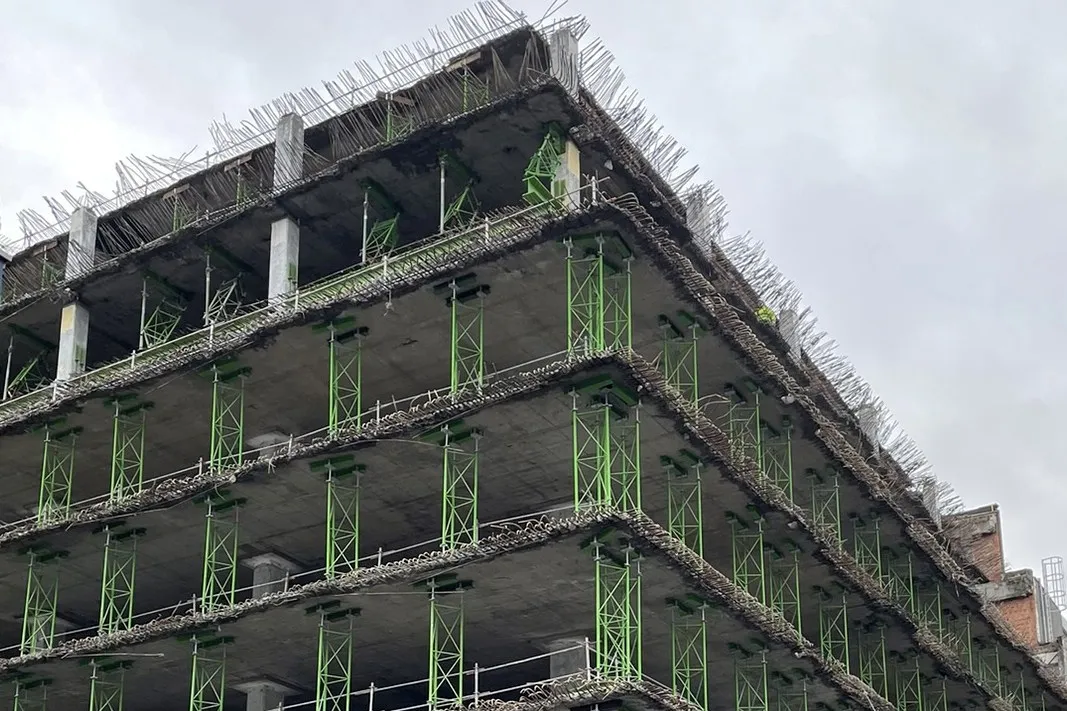
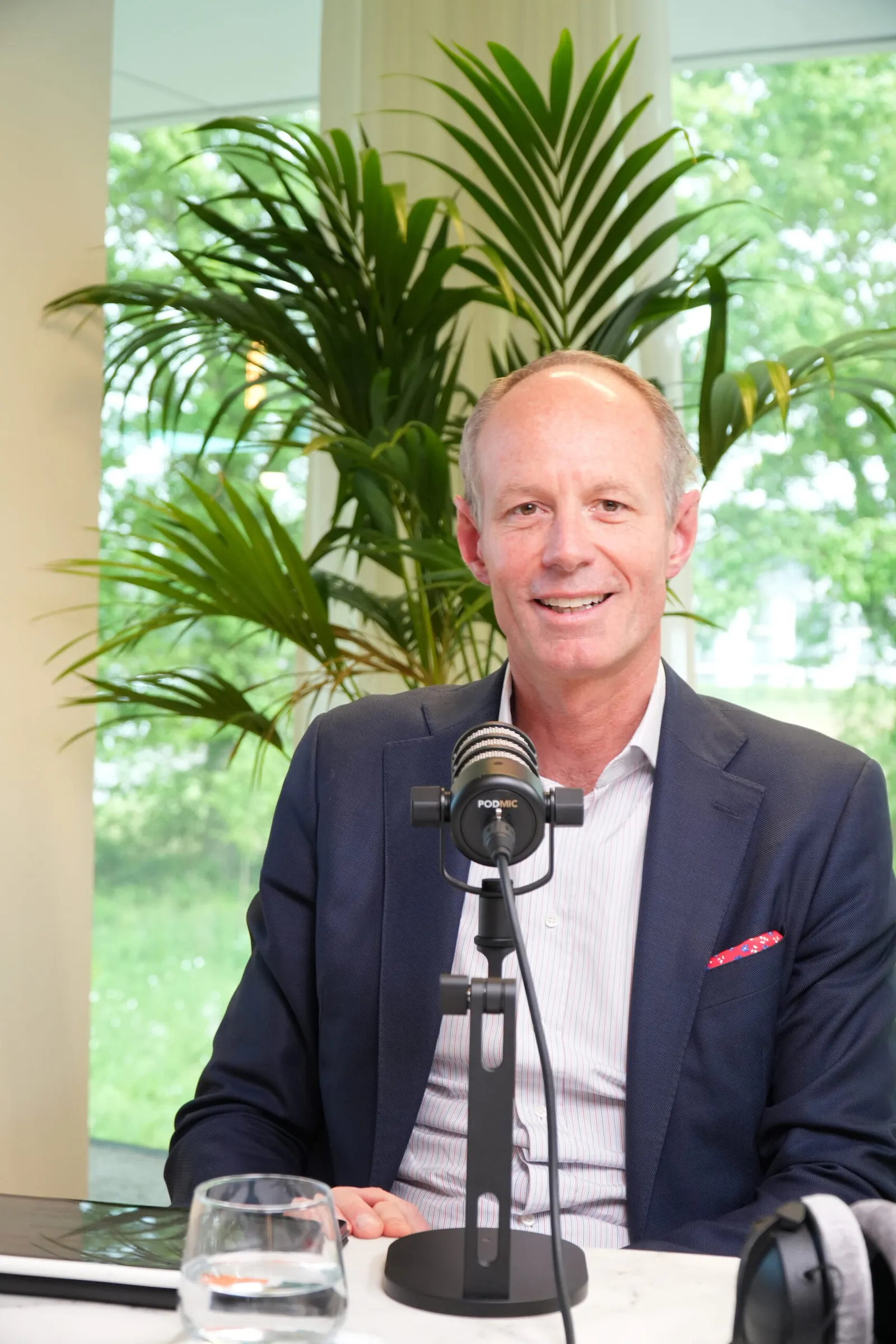
When the decarbonisation of the economy is discussed, cement is often the first material to come under fire. Yet behind the image of a heavy industry lies a very different reality: in Belgium, and particularly in Wallonia, the cement sector is undergoing a radical transformation. Hervé Camerlynck, director of Febelcem, takes us behind the scenes of a major technological, economic and societal revolution.
Cement is the binder in concrete, the ‘artificial stone that can be moulded to order’, as Hervé Camerlynck puts it. It has revolutionised modern architecture. Although the sector accounts for 3% of Belgium’s CO2 emissions, the figures need to be put into context: ‘We focus on this, but also forget all the services provided, all the functions associated with cement and concrete. Creating buildings, creating infrastructure… we absolutely need it.’
What’s more, cement ticks all the boxes for strategic autonomy: it is a strictly local product, with aggregates sourced directly from our regional quarries. Faced with ecological alternatives that are struggling to gain traction, the director of Febelcem points to the hard reality of volumes: ‘We consume around 40 million tonnes of concrete in Belgium. So having a solution for a few hundred tonnes or a few cubic metres doesn’t help much. We need to keep that economies-of-scale effect in mind.’
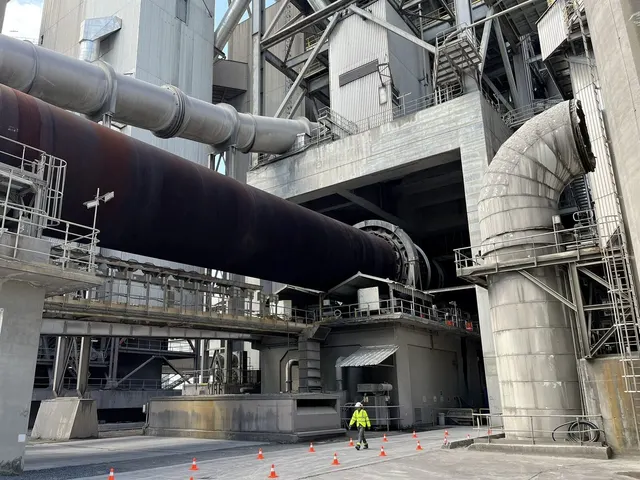
However, cement production involves heating limestone to 1400°C, inevitably releasing CO2 during the chemical decarbonation reaction. Neutralising it is the challenge addressed by Febelcem’s Roadmap Net Zero, with the sector already benefiting from a strategic head start: ‘While the European average stands at 650 kg of CO2 per tonne of cement, Belgium is already at 520 kg, a 30% reduction since 1990.’
The three pillars of decarbonisation
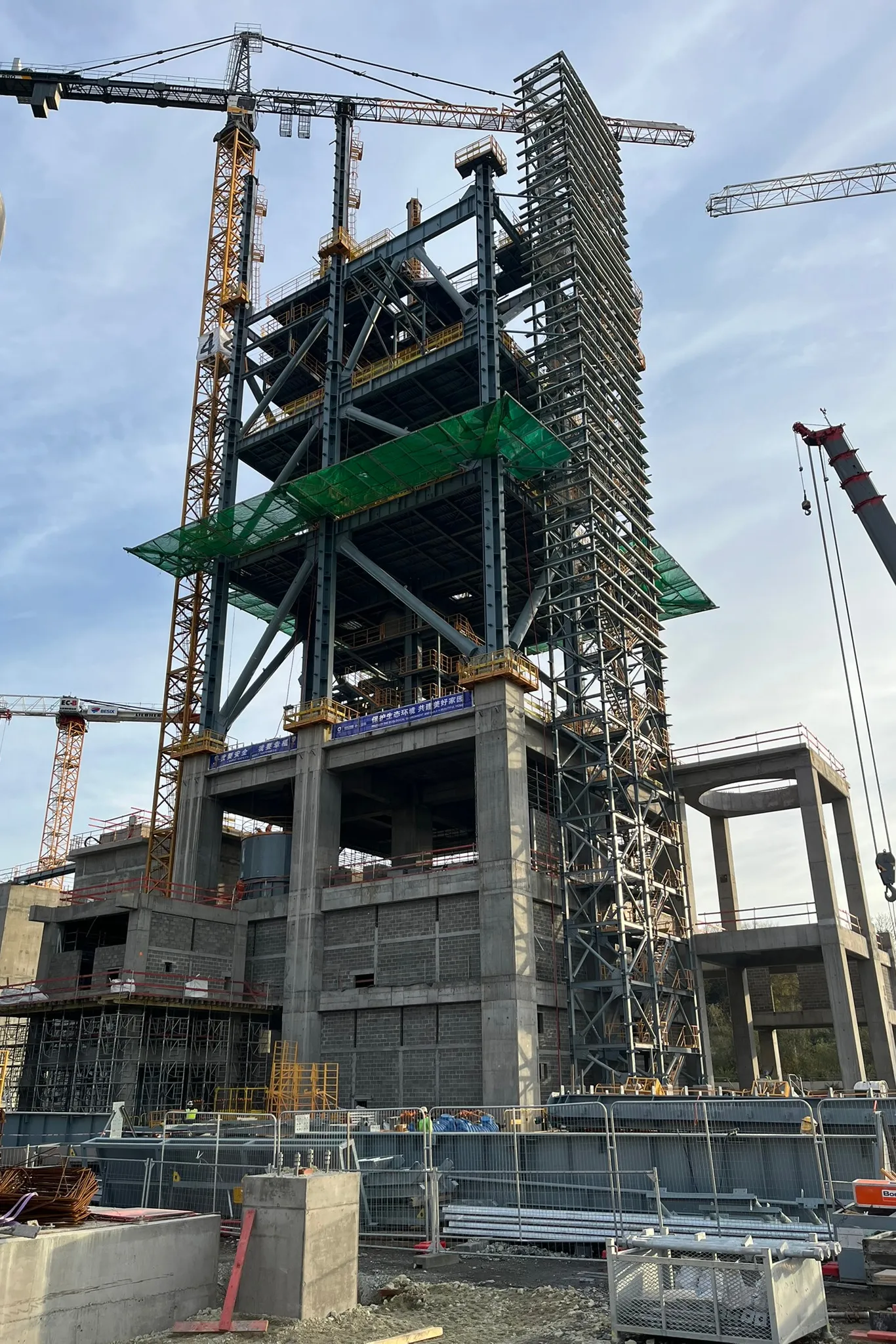
To achieve net zero, the sector’s roadmap rests on three major industrial levers. First, energy optimisation. ‘Belgian cement plants are replacing fossil fuels with sorted, non-recyclable waste. Today, these alternative fuels account for more than 60% of kiln energy use, and the aim is to reach 90%,’ says Hervé Camerlynck.
Second, there is the reformulation of cement mixes. ‘Clinker, the active constituent of cement and its main source of carbon emissions, has been replaced for decades by secondary materials such as blast furnace slag, an industrial by-product from ironmaking. More recently, new alternative materials have emerged, such as calcined clays, which require far lower firing temperatures.’
Carbon capture and storage is the third lever. For unavoidable process emissions, the sector is banking on Carbon Capture and Storage (CCS). ‘The technology involves filtering CO2 at the chimney, purifying it, compressing it and transporting it through pipelines for injection into depleted gas reservoirs beneath the North Sea.’ On this last point, Hervé Camerlynck is quick to dispel any scepticism: ‘It may seem a little revolutionary, like a magic bullet. It isn’t. CO2 capture has been used in other sectors for 50 years.’
A new lease of life for Belgian industry
The transport and storage infrastructure is expected to be operational by 2030-2031. ‘Developing this CO2 transport network is really the equivalent of the canal network built in the late 19th or early 20th century. That is the era we are entering. We are on the threshold of an industrial revival.’
The investment required is described as colossal, amounting to several hundred million euros per site, and the sector is preparing to make critical financial decisions in the coming months. ‘We are at a very critical juncture, when cement producers must decide whether to keep putting their hands in their pockets to invest in their future,’ warns Hervé Camerlynck.
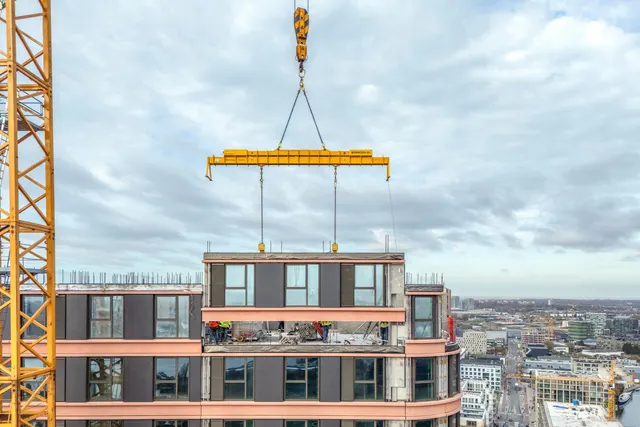
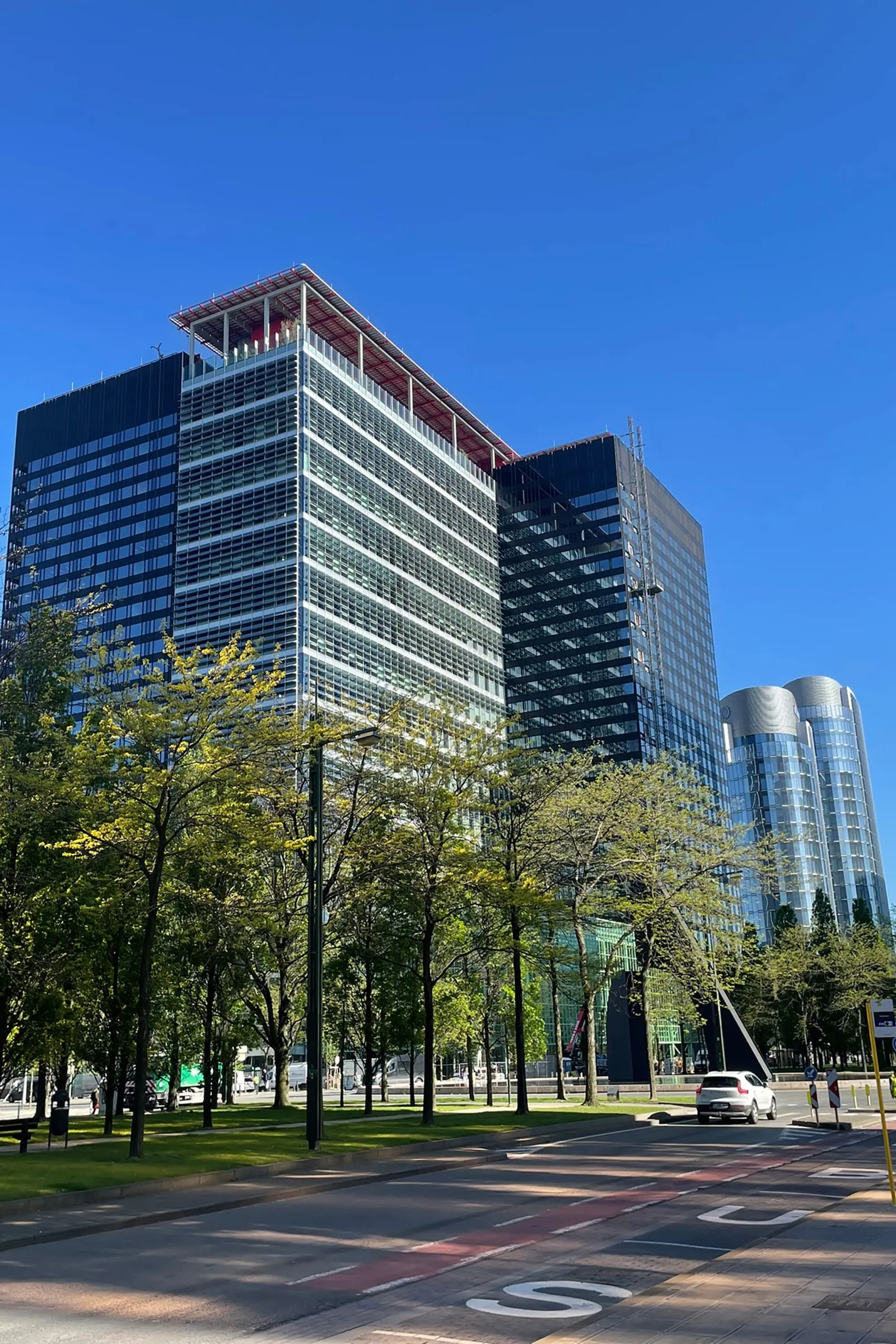
At the same time, circular construction is gaining ground, driven by a new generation of engineers and architects, young people eager to fight for the climate. ‘Flagship projects such as the renovation of the ZIN tower in Brussels show that it is now possible to retain existing concrete structures, a material designed to last for hundreds of years. Sustainability will not come from abandoning traditional materials, but from reinventing them,’ concludes the director of Febelcem.
We had a long conversation with Hervé Camerlynck about how to make cement more sustainable. You can listen to the podcast at www.construirelawallonie.be
Question about this story? Ask your question
Keep following this
Get an email when a new story is published. No account needed.
- ThemeBuilding with less carbon
- SubjectConcrete