Strengthening and connecting: the keys to a sustainable concrete industry
Texte Els Goethals Photo FedBeton
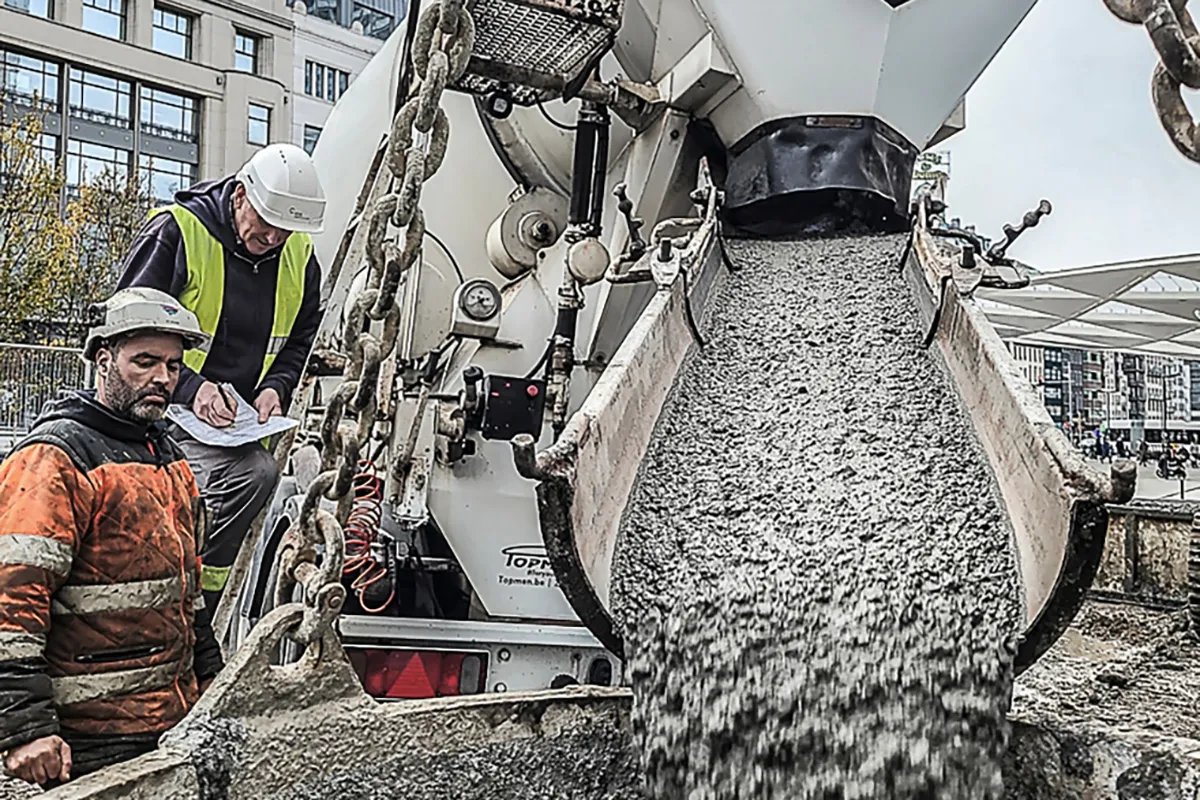
The concrete industry is all too often labelled conservative. FedBeton’s initiatives prove that this image is entirely unfounded. By focusing on digitalisation and professionalisation, the trade federation is actively contributing to a sustainable future for the ready-mixed concrete sector.
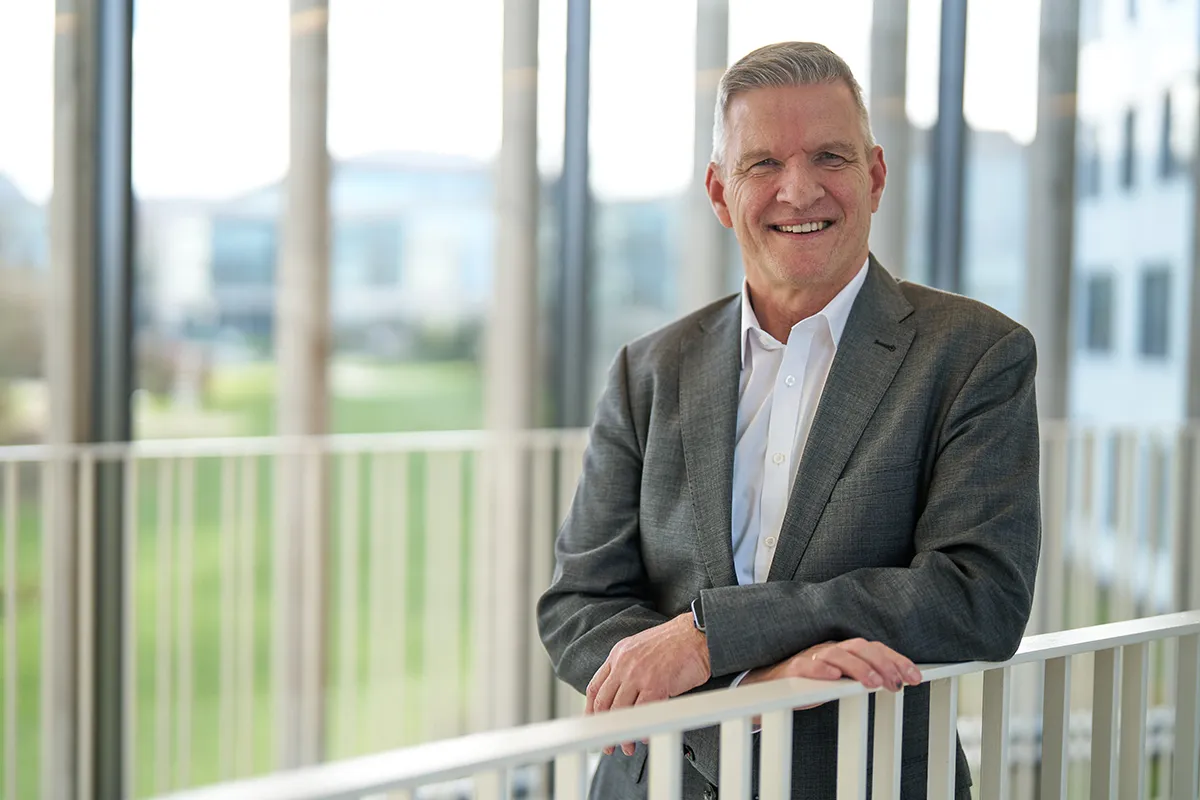
Thanks to his in-depth knowledge of the sector and his role as president of trade federation FedBeton, Geert De Maeyer is regarded as an influential figure in the industry. “I’ve held this position for four years now, and I’m happy to champion the sector’s interests with the authorities, policymakers and other stakeholders,” he explains. “As a Belgian federation, we act as a mediator between the three regions. At FedBeton, we represent all businesses in the ready-mixed concrete sector, from producers to truck mixer operators and concrete pump hire companies. The future looks bright for ready-mixed concrete! It is the most widely used construction material in the world and is essential to building infrastructure and buildings, from foundations to entire structures.”
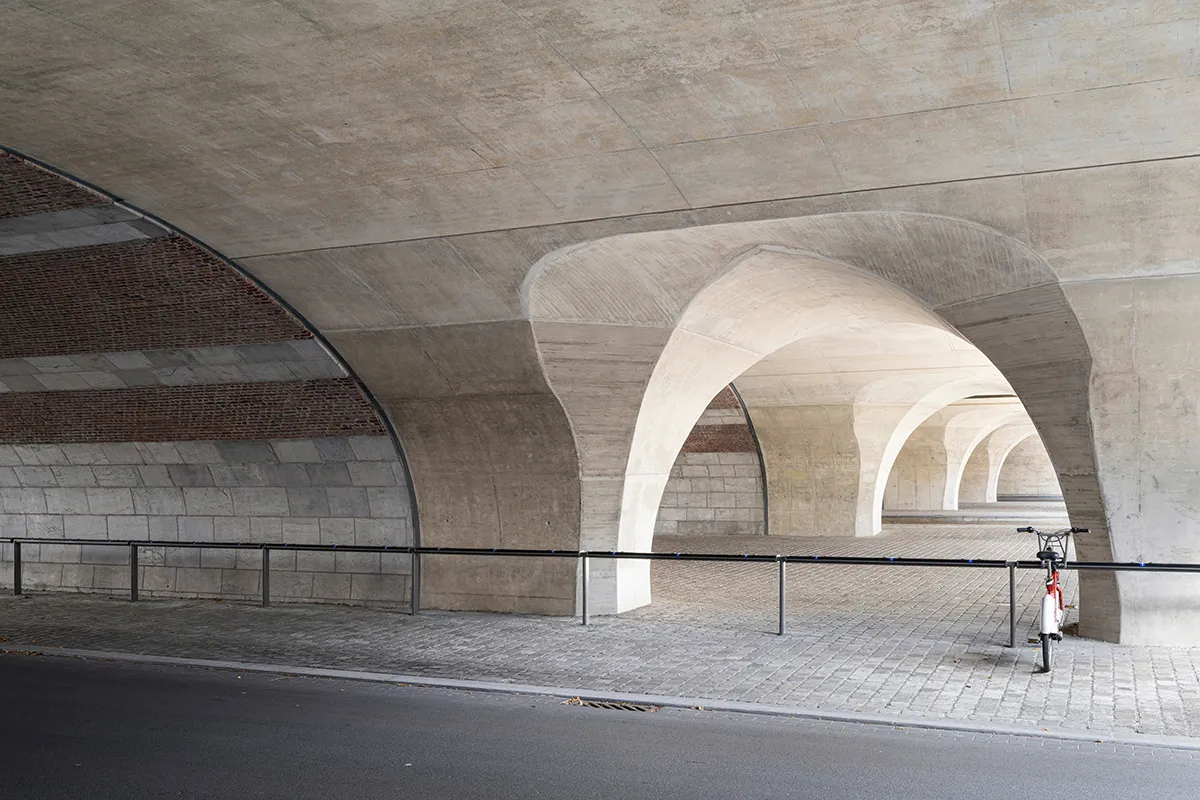
Concrete action to meet climate ambitions
“It goes without saying that we must all work together to preserve the planet for future generations,” says Geert De Maeyer, who points out that tangible progress has already been made. “Belgium, for example, is already one of the world leaders in low-carbon concrete.”
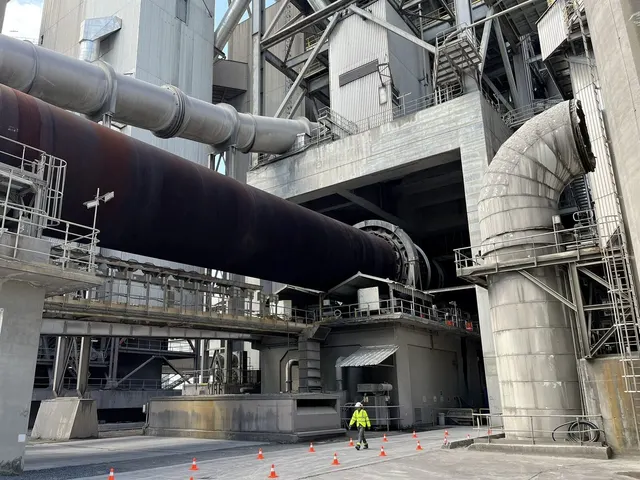
The federation identifies three ways to achieve this, including sustainable production. “The perception of the concrete industry as a polluting sector is unfounded. Technological innovations are making concrete production increasingly sustainable and enabling materials to be used more efficiently. Take the development of low-CO2 cements, for example. Concrete can also be a fully circular product. When sorted into a pure fraction during demolition, it can be fully recycled. A growing number of projects show that concrete aggregates, provided they meet the relevant quality requirements, can be reused in new concrete and construction applications. Thirdly, digitalisation, automation and AI are also creating opportunities, from more efficient and environmentally friendly production to solutions for addressing staff shortages.”
“In short, concrete remains the sustainable foundation of the construction industry,” the president continues. “By encouraging innovation among our members, we as a trade federation are working to secure an environmentally responsible future for the sector. That is why we place a strong emphasis on knowledge-sharing, including through networking events and webinars.”
CSC: a global quality standard
“CSC certification, developed by the Concrete Sustainability Council, is an important step towards sustainability. By actively promoting these quality standards, FedBeton encourages responsible business practices in the sector. It is an important step towards a sustainable future and a planet fit to live on,” explains Geert De Maeyer. “This is an internationally applicable certification system for companies in the concrete, cement and aggregates sectors. FedBeton is the ‘Regional System Operator’ for Belgium and is responsible for advising on and facilitating CSC certification. Certification itself is awarded by independent certification bodies. BREEAM, a benchmark for sustainable, environmentally friendly construction, also officially recognises CSC as a quality label.”
Tackling the pressure points
“In addition, working with Constructiv, FedBeton offers certified training for truck mixer drivers and concrete pump operators, roles that are in high demand in the sector today,” the president explains. “Obtaining a Constructiv certificate guarantees that participants meet the training requirements of the BENOR regulations. With this programme, our federation aims to help address the shortage of workers in these occupations. Finally, we always take the opportunity to work with specifiers, public authorities and other trade federations. By working together, we increase the chances of improving regulatory alignment and enforcement. This helps raise the entire sector to a higher level.”
Question about this story? Ask your question
Keep following this
Get an email when a new story is published. No account needed.
- ThemeManaging construction projects
- SubjectConcrete