New standards for certified concrete
Texte uwtekst.be | Photos FEDBETON

Since 1st January 2023, the new Belgian concrete standards have been in force, including a technical change for BENOR-certified concrete: to prevent water being added, mixers may no longer have a direct water pipe between the water tank and the mixer drum. This measure has caused some disquiet. Bert De Schrijver of the Federation of Ready-Mixed Concrete (FEDBETON) comments: “Adding too much water on site is detrimental to the strength and durability of concrete. It is in everyone’s interest to comply with the standard.”

Adding water to BENOR-certified ready-mixed concrete has been prohibited for years. Since 1st January 2023, the new concrete standards have introduced an additional measure: there may no longer be a direct pipe between the truck’s water tank and the mixer drum inlet. This rule makes it harder to add water to ready-mixed concrete on site to make it more workable. Does this happen? The concrete then loses its BENOR quality mark, and the entire load must be considered non-compliant. Bert De Schrijver: “Every construction application requires concrete with the right workability. Yet contractors still too often order concrete that is not workable enough. They then ask the driver to add water during pouring. This practice has been prohibited for years for BENOR-certified concrete. Water reduces the strength of concrete, makes it more porous and increases shrinkage. This creates a greater risk of cracking. That is why, as a federation, we support the new concrete standards.”
Commitment from concrete plants and contractors
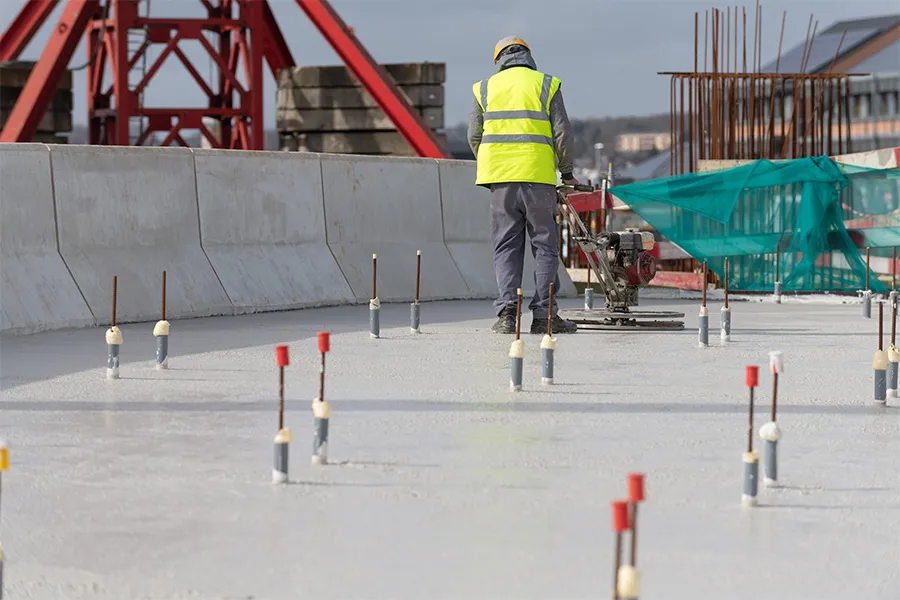
In recent months, FEDBETON has organised a roadshow with FEGC, BUILDWISE, BE-CERT and GBV to raise awareness of the new standards among everyone involved, at concrete plants and among contractors. Commitment is needed from both sides. Bert De Schrijver: “Looking at why water is added, a few things stand out. First, the concrete has been ordered incorrectly: a mix that is too stiff has been specified. The new standards now provide clear guidelines on the workability required for each application. The second reason is budgetary: concrete plants use superplasticisers to make concrete more workable. These are expensive. Of course, our industry must also take responsibility: what is ordered must be delivered correctly. That is why we are making a strong appeal to all parties: handle certified concrete correctly, and make sure everyone in your company is informed. After all, construction quality is a source of pride for your company.”
Sustainable concrete
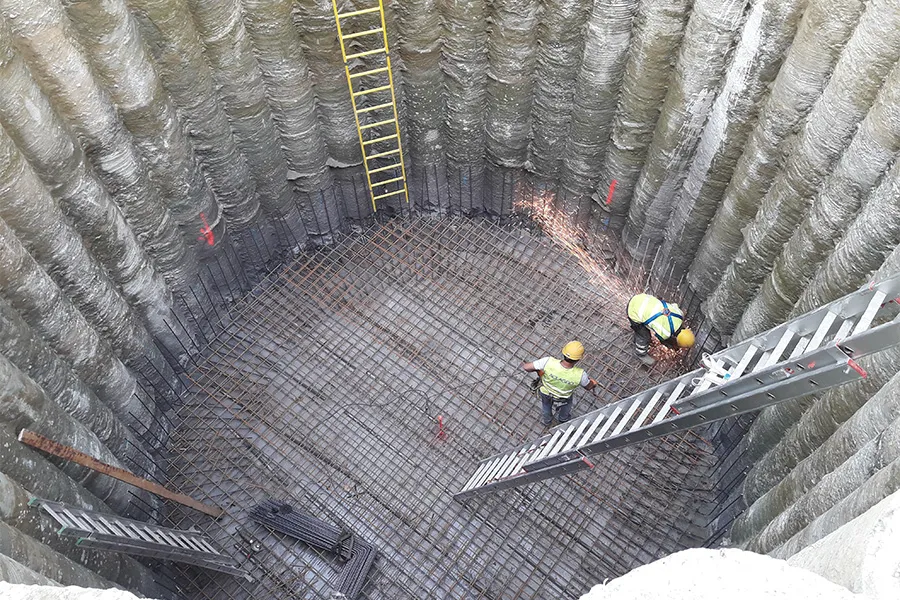
At FEDBETON, Bert De Schrijver does more than monitor legislation and technical dossiers. He also helps shape the sector’s guidelines for the use of sustainable concrete. In Belgium, FEDBETON represents the Concrete Sustainability Council, an international association that has developed an independent, science-based label for sustainable concrete. In Belgium, 76 basic certificates and 25 certificates for specific concrete mixes with a limited CO2 impact have already been issued. Bert De Schrijver: “Concrete has a reputation as a polluting building material. Yet research shows that its environmental impact over its entire life cycle is no greater than that of wood, for example. CO2 emissions from cement production are the main concern. We are looking for techniques to reduce this impact as much as possible. Belgium and the Netherlands have been at the forefront in Europe for years, using blended cements. In future, CO2 will be captured during production so that it can be stored temporarily or converted, for example, into alternative fuels.”
Question about this story? Ask your question
Keep following this
Get an email when a new story is published. No account needed.
- ThemeManaging construction projects
- SubjectConcrete