Diesel finally faces competition on long-haul journeys
Texte Piet Andries Photos Volvo Trucks
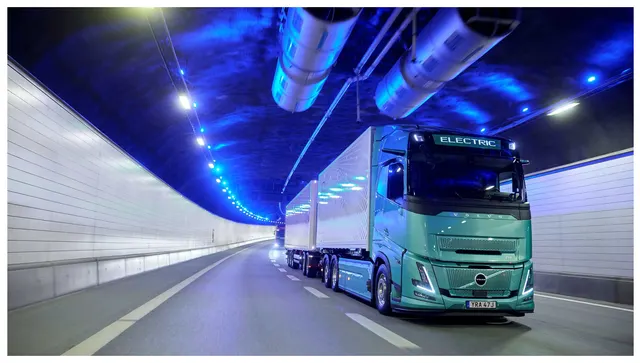
Volvo Trucks is accelerating the transition to zero-emission transport for heavier-duty applications, with longer ranges and megawatt charging. With a range of 700 kilometres, the FH Aero Electric Extended Range is the “marathon runner” of its electric truck line-up. The Swedish brand also plans to launch another significant new model for the construction and infrastructure sectors.
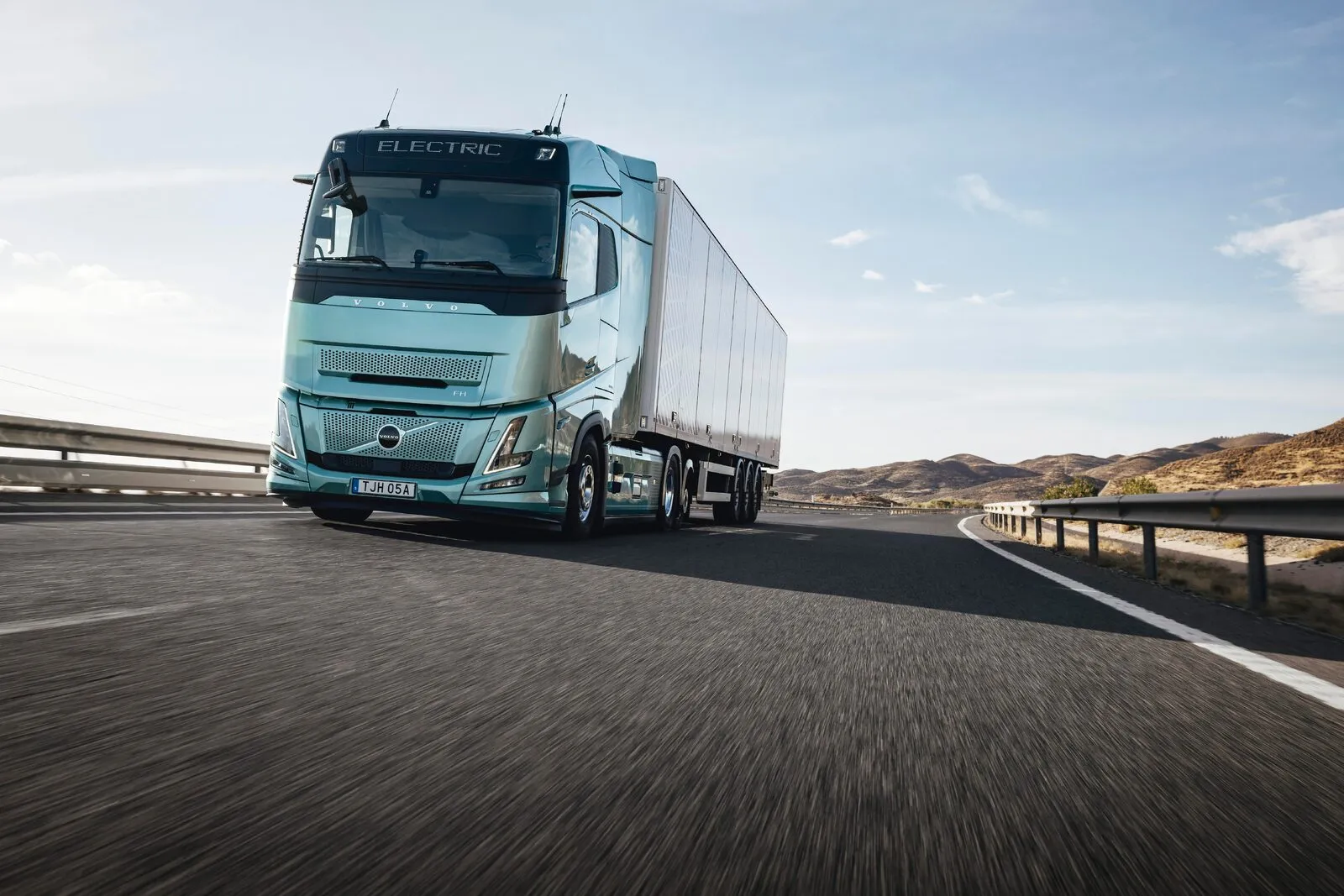
“Switching from diesel to electric has never been easier than it is today.” That is the claim made by Roger Alm, President of Volvo Trucks, referring to the company’s new flagship: the FH Aero Electric Extended Range, which offers a maximum range of 700 kilometres on a single battery charge. Not only is that 100 kilometres more than the brand announced when it unveiled the concept, it also puts the electric truck in territory where diesel still reigns supreme. This makes it possible to cover longer transport routes without stopping to recharge the battery. “It means we can fully meet our customers’ business needs,” adds Roger Alm.
Up to eight battery packs
To achieve this “marathon” range, Volvo has developed a new electric powertrain with a maximum output of 460 kW. The three-motor configuration has been dropped. The electric axle integrates two electric motors and a six-speed gearbox into the rear axle, freeing up additional chassis space for batteries. With eight battery packs (six are also possible), the FH Aero Electric Extended Range has a usable capacity of 725 kWh. But as the electric truck is compatible with the Megawatt Charging System (MCS), it can recharge this huge battery pack from 20 to 80 % in just 50 minutes, minimising downtime.
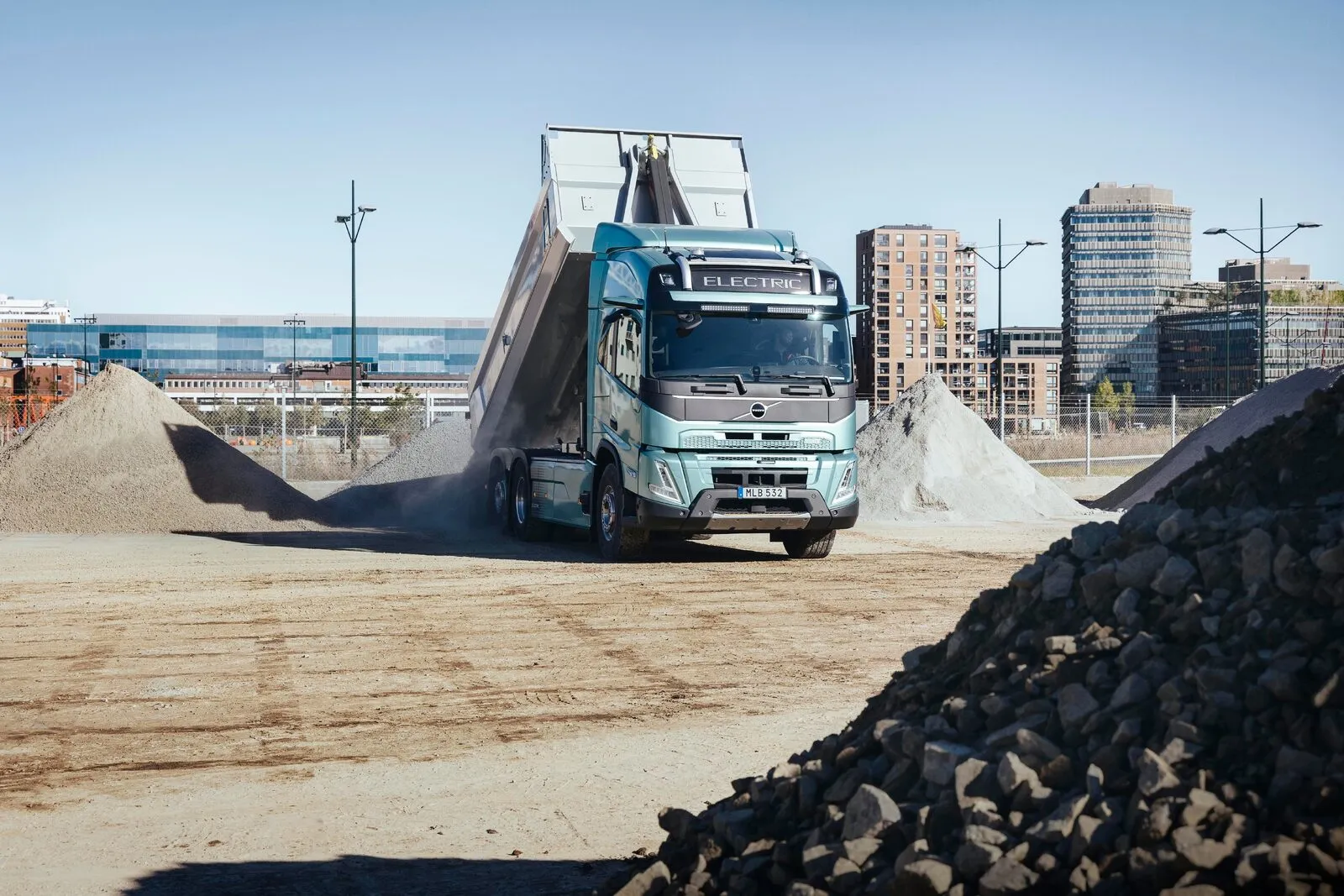
Another interesting development for heavy transport, with potential applications in the construction and infrastructure sectors, is the new tipper version of the FH Electric and FH Aero Electric models. Available in 6×2 and 6×4 configurations, the truck has a usable battery capacity of 640 kWh and can tow combinations weighing up to 80 tonnes. With a gross combination weight of 60 tonnes, its range is around 500 kilometres. In less intensive use, it exceeds 600 kilometres.
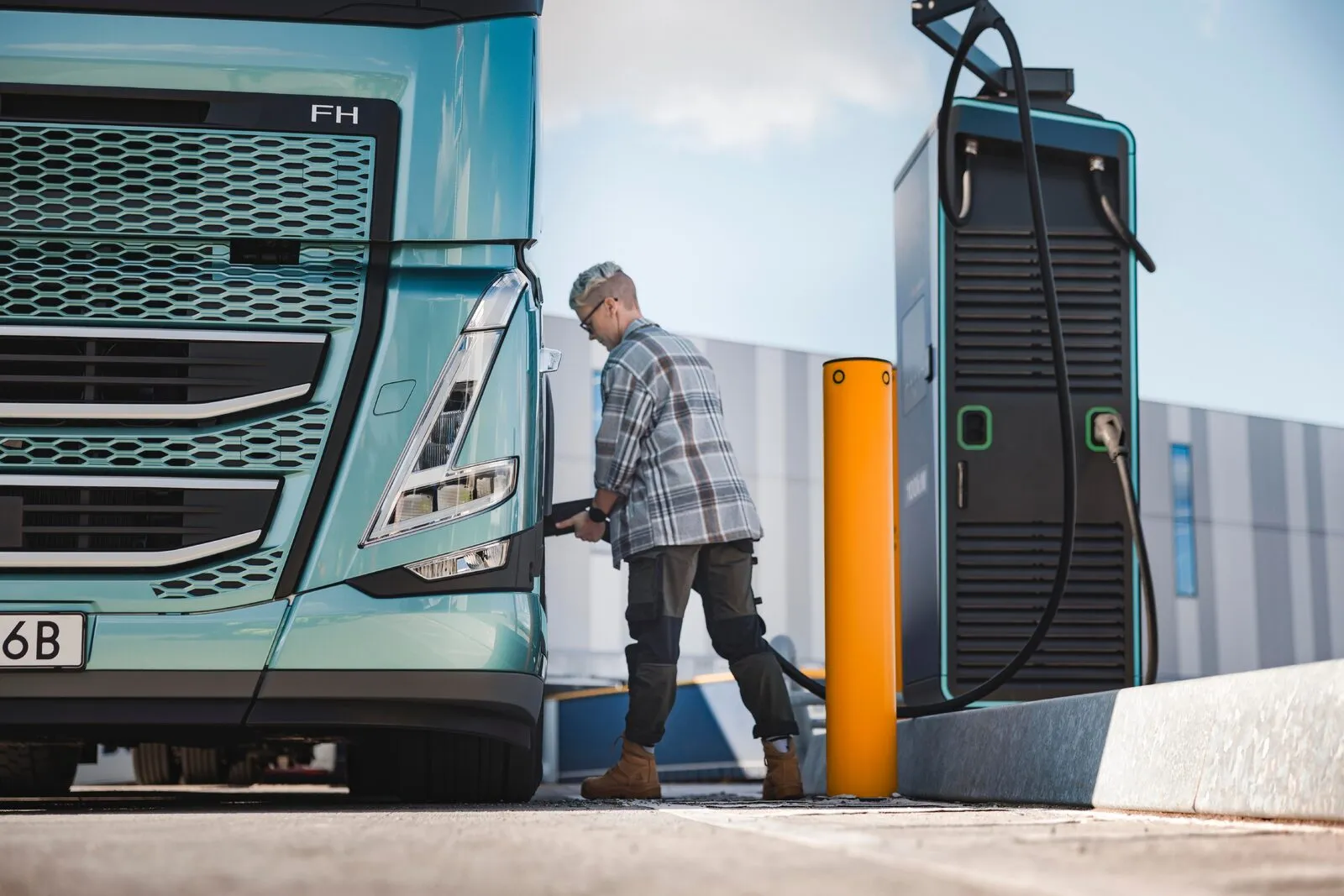
Volvo is also introducing MCS charging for these trucks. With a peak charging power of 680 kW, this opens up new possibilities for customers and halves downtime. The battery charges from 20 to 80 % in around 36 minutes. In addition, the truck is available with hub-reduction axles, providing greater ground clearance and a higher technical axle load, giving customers in the construction and infrastructure sectors greater flexibility. The first vehicles will roll off the production lines in early 2027, but Belgium will be served at a later stage.
Significantly faster charging
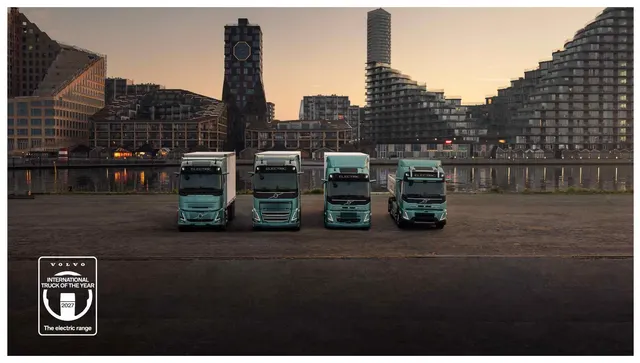
The tipper version’s powertrain is not exclusive to that model, but is shared with the latest generation of the FH Electric, FM Electric and FMX Electric models. These three trucks, designed for road construction, regional distribution, urban logistics, public utilities, waste management and heavy-duty special applications, have just been updated to combine power of up to 540 kW with a real-world range of 470 kilometres. Depending on the configuration, they can have a gross combination weight of 65 tonnes, with a payload of up to 23.8 tonnes for a 4×2 tractor unit. Charging is also significantly faster. With the Combined Charging System (CCS), charging can be carried out at a maximum power of 350 kW, enabling the battery to charge from 20 to 80 % in around 65 minutes, according to Volvo.
As the manufacturer with the widest range of battery-electric trucks, Volvo Trucks has a wealth of data on energy consumption, reliability and day-to-day operations. This knowledge is increasingly being translated into practical solutions that significantly reduce, or even eliminate, the barriers to fossil-free transport.
But the sector is still in transition. That is why, alongside battery technology, the Swedish brand continues to invest in fuel cells and combustion engines running on renewable fuels such as biogas, biodiesel and HVO (hydrotreated vegetable oil). A hydrogen combustion engine designed to run on green hydrogen is also under development and is currently being tested on public roads. Businesses wishing to assess their readiness for electric transport can carry out an initial assessment with professional advice using Volvo Trucks’ free profitability simulator.
Question about this story? Ask your question
Keep following this
Get an email when a new story is published. No account needed.
- ThemeLow-carbon transport and mobility
- SubjectTransport