New Renault Trucks powertrain: up to 4% fuel savings
Texte & photos Renault Trucks
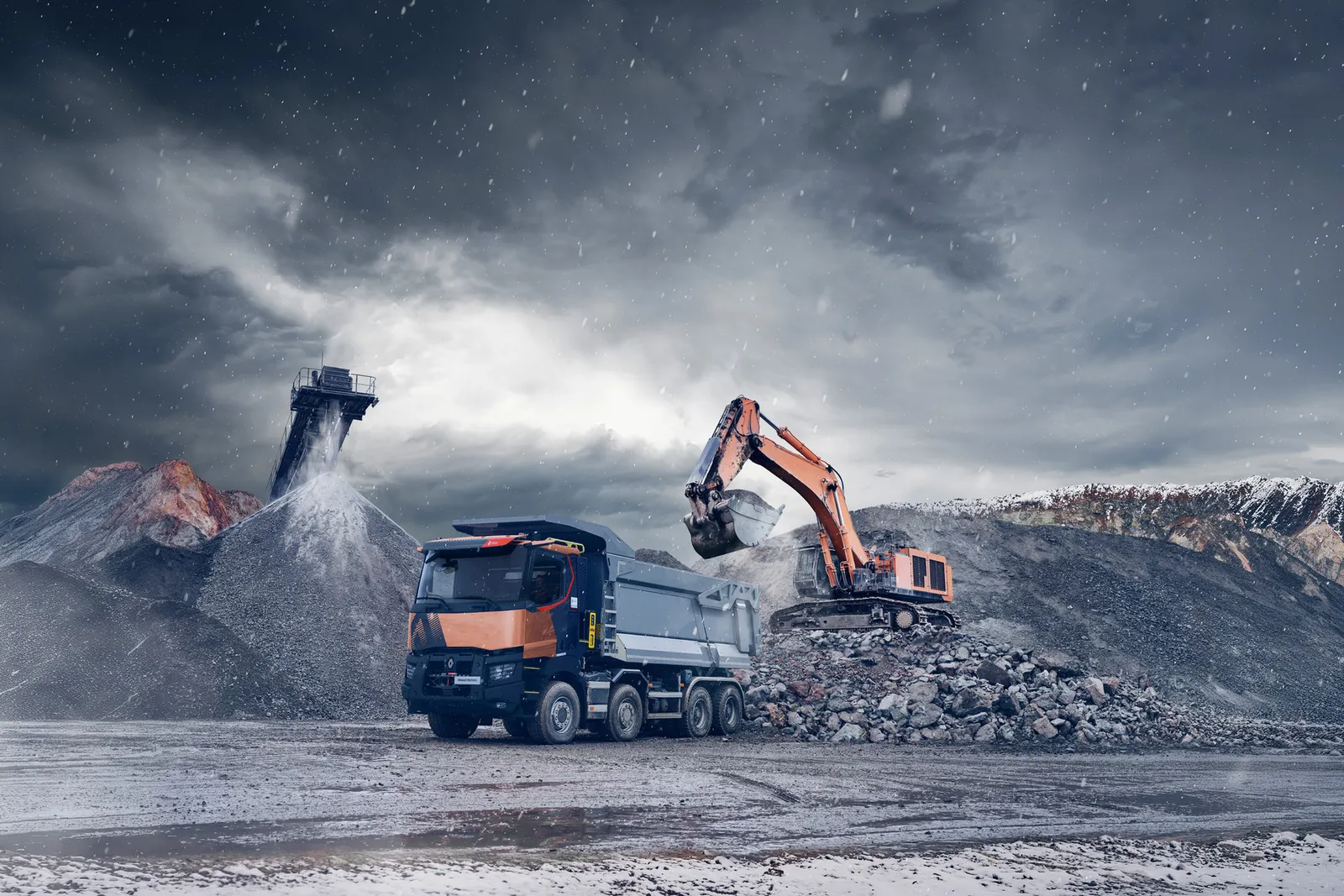
With the introduction of a new DE13 R engine and a new generation of Optidriver gearbox, Renault Trucks is updating the powertrain across its T, T High, C and K ranges. These changes cut fuel consumption and CO2 emissions by up to 4 % compared with the previous generation. Compatible with renewable HVO and B100 fuels, this new powertrain also improves vehicle performance and driving comfort.
With operating costs rising and demands for road transport decarbonisation increasing, hauliers are looking for solutions that can deliver immediate improvements in operational efficiency. To meet these challenges, Renault Trucks is introducing a new powertrain across its T, T High, C and K ranges, combining the new DE13 R engine, a new generation of Optidriver gearbox and advanced predictive driving systems.
“Decarbonising road transport requires several complementary measures. Alongside accelerating the development of our electric vehicle range, we are continuing to improve the energy efficiency of our conventional vehicles to help customers cut fuel consumption, CO2 emissions and total cost of ownership today. This new powertrain is a practical example of that approach,” says Antoine Duclaux, President of Renault Trucks.
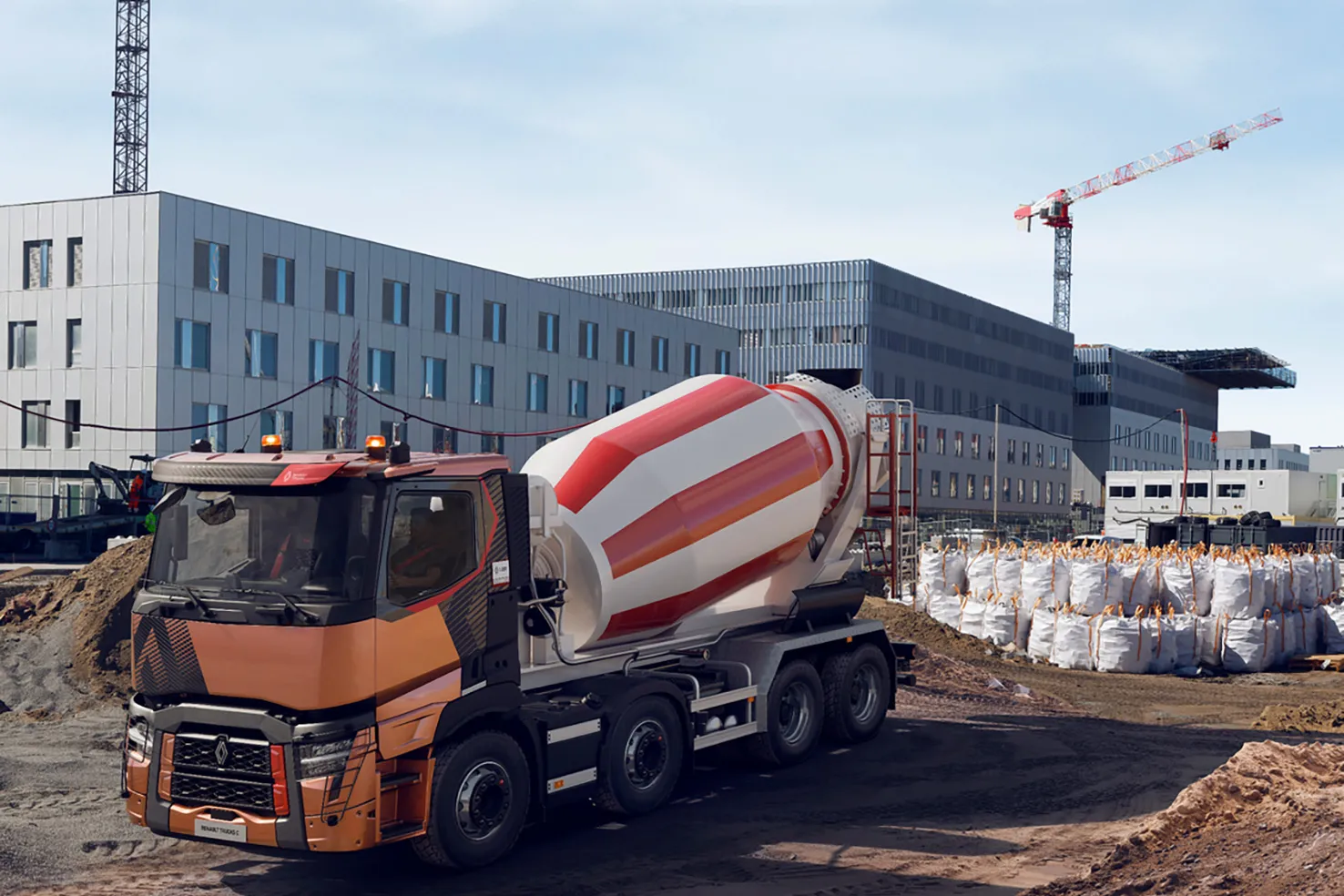
New powertrain: improved energy efficiency and driving comfort
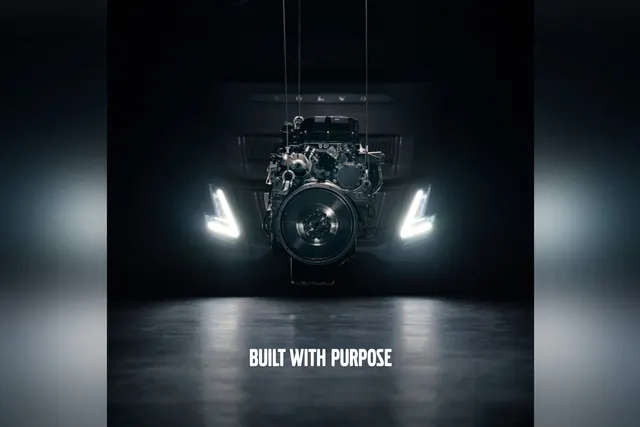
Available with up to 540 hp and 2800 Nm of torque, the new DE13 R engine has been designed using new materials, including high-strength grey cast iron and compacted graphite iron, to improve its robustness and durability. It incorporates several technical developments to optimise combustion and reduce energy losses. Maximum cylinder pressure can now reach 250 bar, while a new fuel system with an external high-pressure pump improves injection precision and engine efficiency.
The DE13 R engine also comes as standard with increased engine braking power (Optibrake+), improving driving comfort and vehicle control, particularly on hilly routes.
The engine is paired with a new generation of Optidriver gearbox, featuring new control software and optimised gear-shifting strategies. Gear changes are up to 20 % faster and smoother than in the previous generation.
The new powertrain also uses technologies designed to reduce fuel consumption:
The Optivision+ predictive cruise control system uses topographical data and road signs to optimise gear changes, acceleration and vehicle speed according to the road profile.
Predictive Engine Stop Start, an engine stop system based on predictive cruise control, allows the engine to shut down automatically while the vehicle is coasting (Optiroll). Essential vehicle functions remain active, and the engine restarts instantly when required.
Aerodynamic improvements further enhance airflow and help maximise fuel savings.
Depending on the application, this new generation of vehicles can reduce fuel consumption and CO2 emissions by up to 4 % compared with the previous generation.
To maximise energy savings and productivity, Renault Trucks also offers a Smart Racer2 version, bringing together all the technologies designed to improve energy efficiency: aerodynamic improvements, Optivision+, low rolling resistance tyres and advanced predictive powertrain management.
The DE13 R engine also meets the NNR3 noise standard, helping to reduce the vehicle’s noise footprint.
Greater comfort for drivers
With this new model year, Renault Trucks is also continuing to improve driving comfort and life on board.
The new powertrain makes for smoother, quieter driving, thanks to the responsiveness of the DE13 R engine, which delivers the highest torque on the market for a 540 hp engine, and smoother gear changes.
The vehicles also feature equipment designed to improve everyday driving conditions, including Smart Steering, which enhances directional stability and incorporates the Driver Assist function. This keeps the vehicle in its lane while automatically adjusting the distance to the vehicle ahead.
With its 2027 model year, Renault Trucks is continuing to optimise its long-haul and construction ranges, supporting driver wellbeing and hauliers’ operational efficiency.
Question about this story? Ask your question
Keep following this
Get an email when a new story is published. No account needed.
- ThemeLow-carbon transport and mobility
- SubjectDEMO DAYS