











Volvo Trucks launches new 80-tonne electric truck with extended range
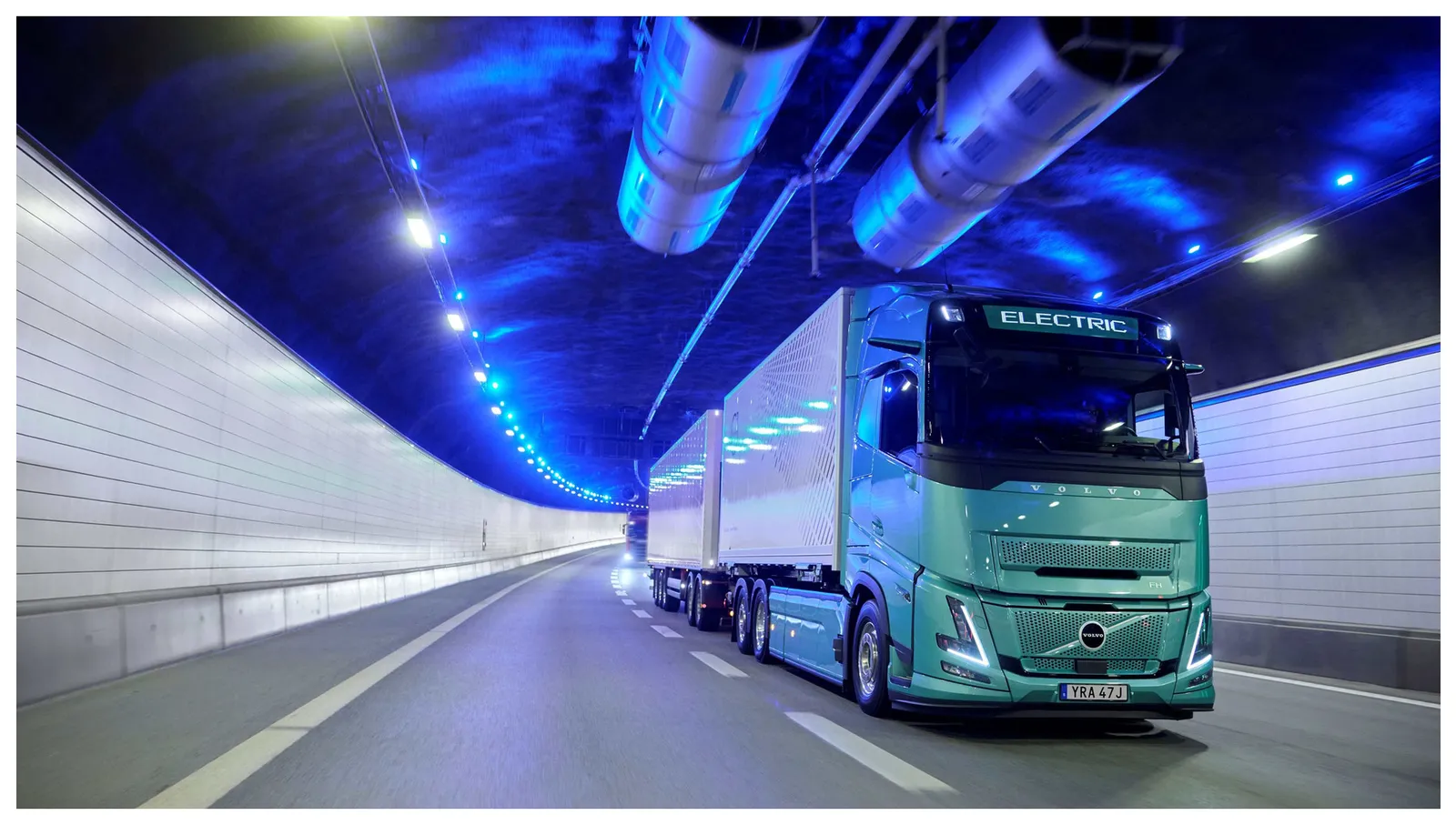
Volvo Trucks is once again pushing the boundaries of electric transport. The company is launching an electric truck with extended range and a gross train weight of up to 80 tonnes, setting a new benchmark for heavy-duty electric transport.
After launching its new generation of electric trucks earlier this year, Volvo Trucks is back with its next innovation: an electric rigid truck with a gross train weight of up to 80 tonnes. Combining high payload capacity with extended range, it paves the way for the electrification of even more demanding transport operations.
“We are proud to introduce an impressive new zero-emission truck, designed specifically to carry very heavy loads over long distances. Combined with fast-charging capabilities, we believe this new truck will attract considerable interest from customers,” says Jan Hjelmgren, Senior Vice President Product Management at Volvo Trucks.
Developed for heavy-duty transport
The new truck has been developed for markets where heavy-duty transport is common. It will initially be launched in the Netherlands, Sweden, Norway, Finland, Denmark and Switzerland. Roll-out across the various markets will be phased in from early 2027.
With a gross train weight of 64 tonnes, the truck can travel up to 450 km on a single charge**. At gross train weights of 74 tonnes in Sweden and 76 tonnes in Finland, its range can reach 420 km.
“High gross weights in road transport help reduce both transport costs and environmental impact. Electrifying these operations too would mark an important step towards more sustainable transport,” says Jan Hjelmgren.
The truck is equipped with the same new, versatile powertrain as the new-generation electric FH, FM and FMX trucks launched by Volvo Trucks in April this year. It delivers excellent drivability and particularly smooth gear changes.
The truck can be charged using the Megawatt Charging System (MCS) or CCS2. The updated batteries, which offer a longer service life, provide 640 kWh of usable energy. Volvo has developed an updated battery monitoring system and improved insulation for colder climates. This helps the batteries operate more efficiently and retain more energy.
With this new configuration, Volvo is also introducing hub reduction axles. These provide increased ground clearance, better start-off performance when the vehicle is heavily loaded, and a higher technical axle load capacity. This enables the truck to handle operations requiring greater clearance beneath the axles, while also improving start-off performance at higher gross train weights.
This configuration is particularly suited to applications such as timber haulage and light construction work. It also offers significant benefits on roads in good condition, as the higher technical axle load capacity allows for an increased payload.
Facts
Volvo FH Electric / FH Aero Electric, rigid truck with extended range
Suitable for: long-haul and regional transport requiring high payload capacity.
Maximum gross train weight: up to 80 tonnes.
Example range: up to 420 km on a single charge at a gross train weight of 76 tonnes.**
Charging: 680 kW megawatt charging (MCS): 20 to 80% in approximately 36 minutes | 360 kW CCS2 (Combined Charging System): 20 to 80% in approximately 70 minutes.
Special feature: the electric power take-off (e-PTO) eliminates the need for a separate diesel generator for refrigeration units.
Cab: all Volvo FH cabs except the XXL cab. Standard and Aero cabs available.
Gearbox: 8-speed transmission developed for electric motors.
*Trucks fitted with a single rigid chassis on which bodies or equipment such as boxes, cranes, waste compactors and concrete mixers are mounted.
**Range depends on external conditions such as the weather and wind resistance, as well as other factors such as the truck’s gross weight and the driver’s performance.
Question about this story? Ask your question
Keep following this
Get an email when a new story is published. No account needed.
- ThemeLow-carbon transport and mobility
- SubjectNews







