Underground infrastructure and sewerage
Tailored water management solutions for the heart of TEC Liège’s logistics operations
Texte Deschacht & Philippe Selke Photos Deschacht
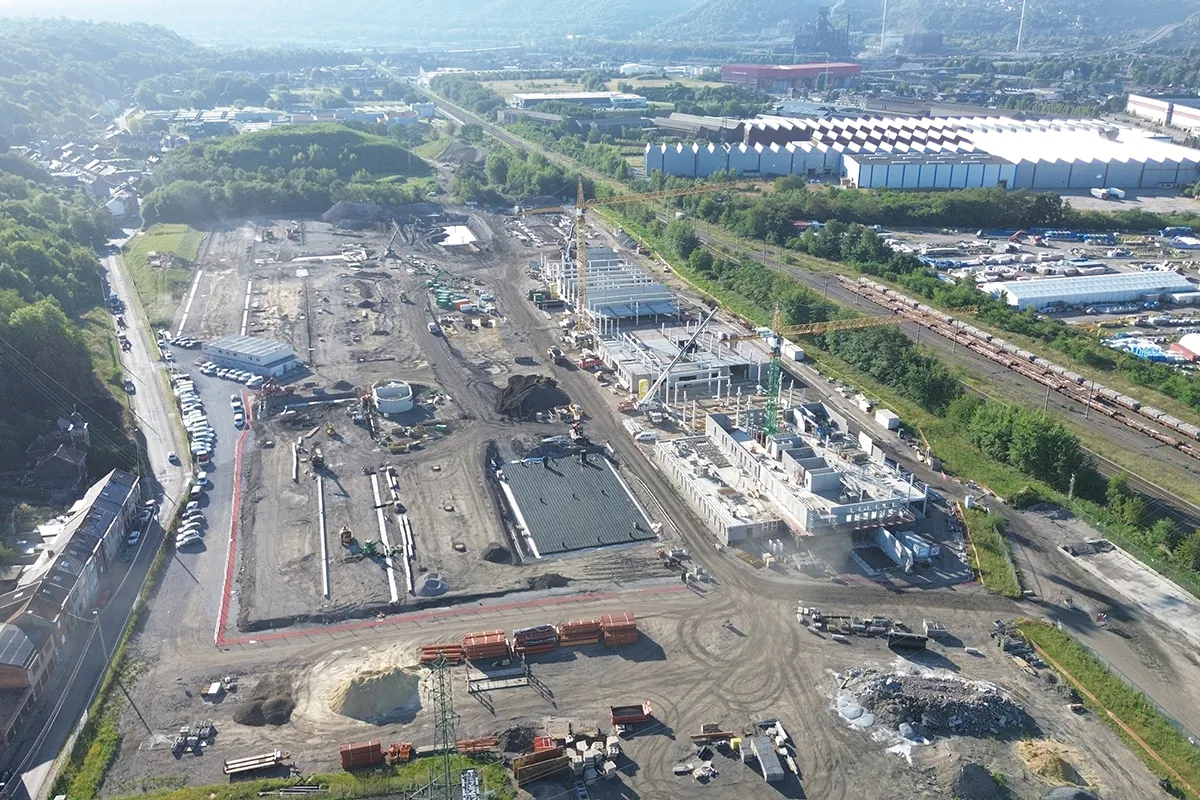
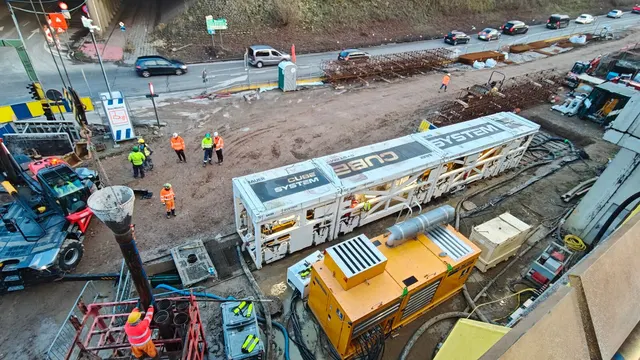
At Tilleur, near Liège, the former Chimeuse site is set to become home to Mobi’Park TEC by June 2026, the future nerve centre of the TEC Liège network. More than just a depot for buses serving the BUSWAY routes, the 10 ha Mobi’Park will also be a state-of-the-art training centre, incorporating driving areas, technical workshops, teaching rooms and facilities dedicated to vehicle maintenance and cleaning. Deschacht was involved in two of the approximately twenty work packages on the project.
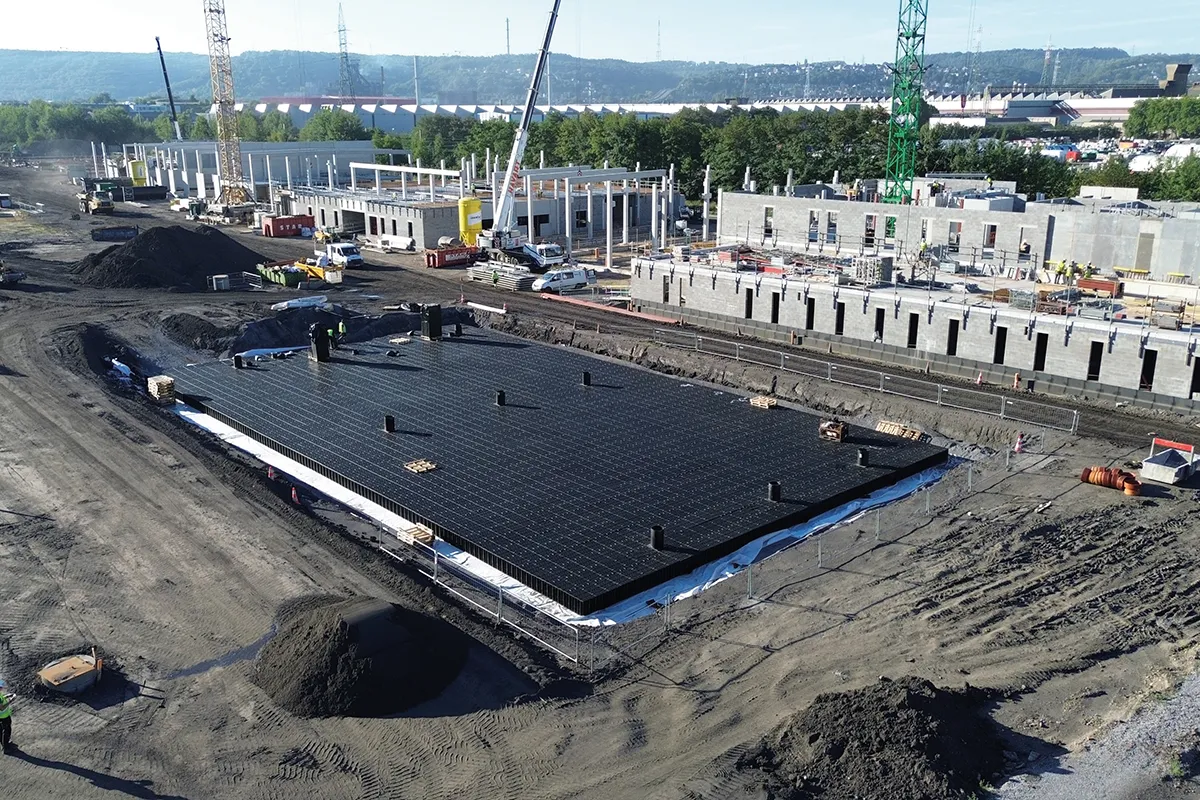
Deschacht at the heart of drainage solutions
The project, overseen by architecture firm Greisch and engineering consultancy Lemaire, was awarded to Galère and Duchêne, working as a temporary joint venture.
The first work package covered the buildings and the drainage networks beneath the structures. For this part of the project, Deschacht completely revised the drainage plans in close collaboration with the site team, incorporating solutions tailored to the site’s constraints.
The second work package covered the areas surrounding the site. It required complete 3D BIM modelling, for which Deschacht provided its digital library. To ensure the technical compliance of the entire project, Deschacht and its sister company Collinet modelled the stormwater basins and oil separators in 3D for incorporation into the BIM model.
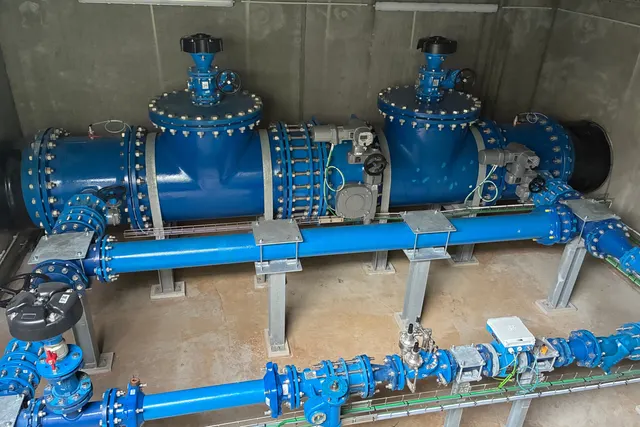
The basins are fitted with valve chambers and overflow detectors to precisely control discharge into the sewers. An emergency overflow is provided, but the aim is clear: to comply with AIDE standards while avoiding overloading the public sewer network.
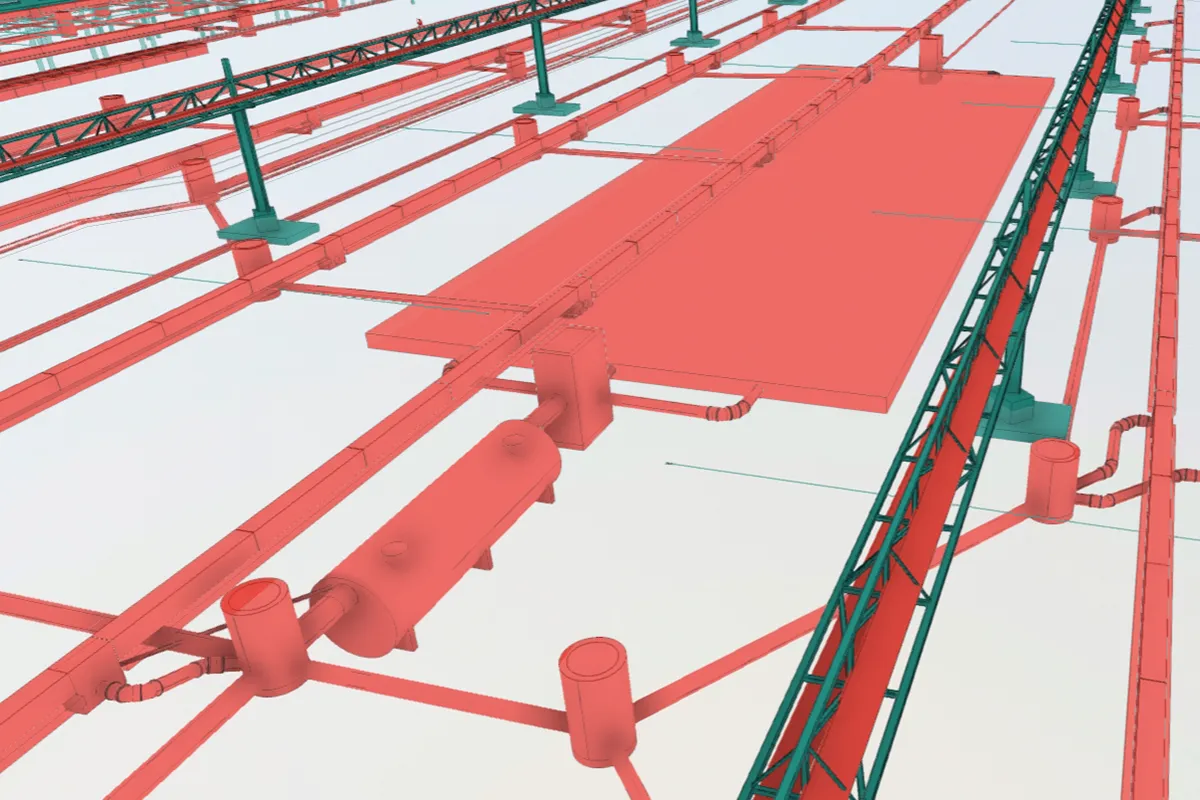
Optimised technical choices from the planning stage
Before being selected, Deschacht took part in two technical meetings to identify the best solutions. Material and solution proposals were submitted, discussed and approved before the order was placed. “This preliminary work allows us to optimise technical choices from the outset, making the rest of the project more efficient,” says Kevin Dessart, Methods Engineer.
Rigorous rainwater management
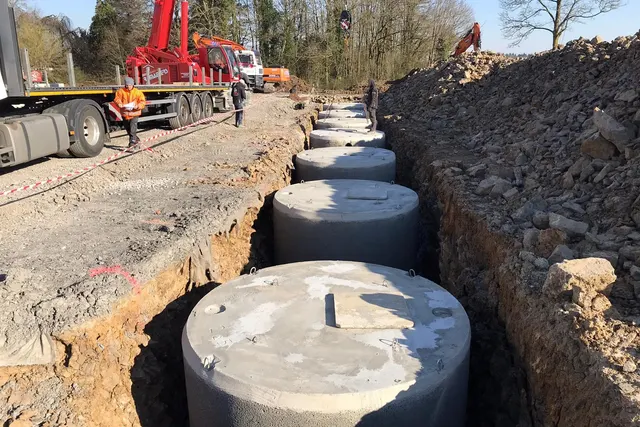
One of the project’s major challenges was the requirement to infiltrate all the rainwater from the site. To meet this requirement, Deschacht supplied four infiltration basins with a total capacity of 3,000 m³, built using Columnbox and installed by its partner Jean-François Stassen. The design covers a large area while supporting heavy loads.
Bespoke technical equipment
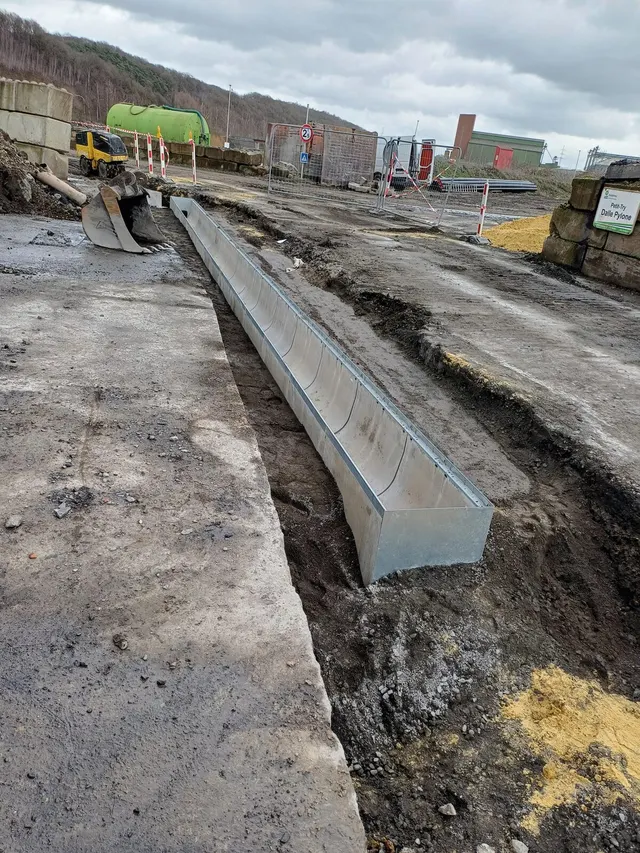
Deschacht also supplied six double-wall HDPE oil separators with bypass, manufactured by Collinet; a 160 m³ Tubao tank for rainwater harvesting; four PE pumping stations to handle wastewater from the vehicle wash pits; and composite floor drains and Recyfix channels.
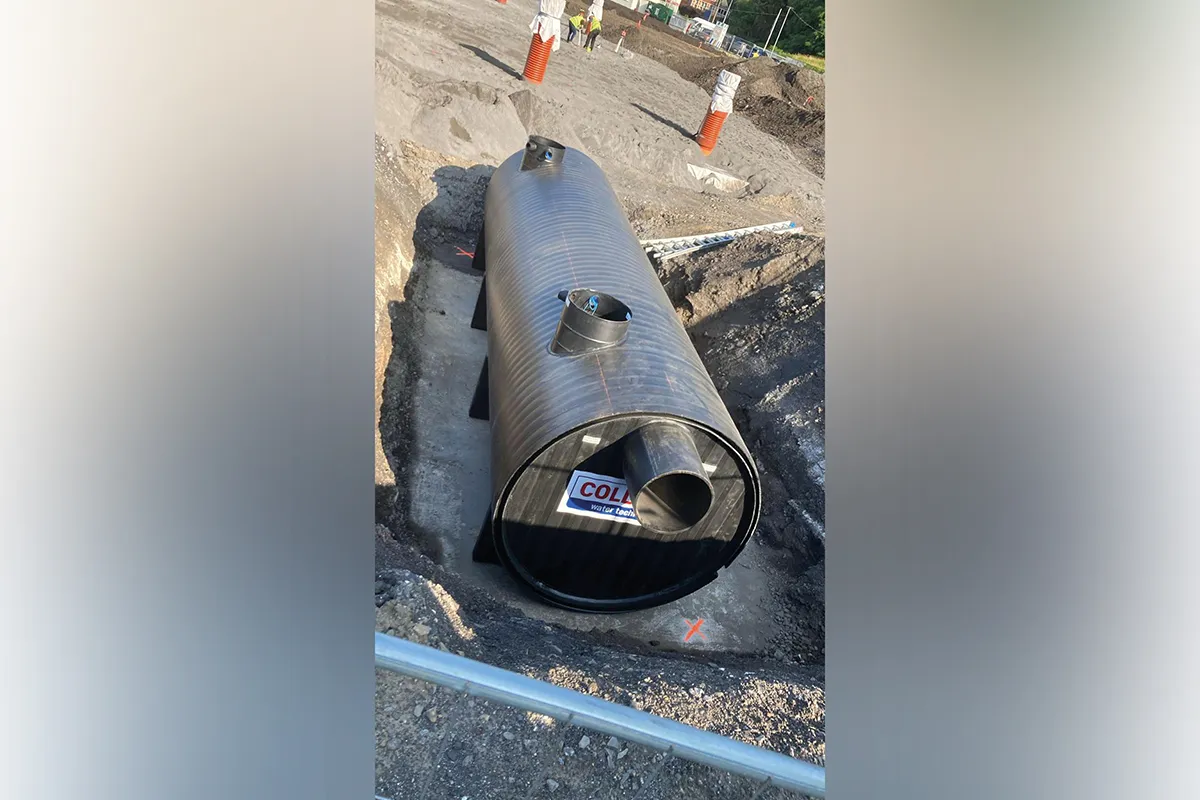
A smoothly run project
Despite the project’s complexity, deliveries were made on time. Galère and Duchêne expressed their satisfaction with Deschacht’s responsiveness and the quality of its technical solutions. “Deliveries arrive when we need them, neither too early nor too late. Everything runs smoothly, and that makes a difference on site,” says Laurent Adam, who is responsible for the operational side of the project. Work is still under way, and further supplies have already been approved for the next stages.
Een zakelijke vraag aan DESCHACHT Plastics? Get in touch
Companies in this story
Keep following this
Get an email when a new story is published. No account needed.
- ThemeLow-carbon transport and mobility
- SubjectUnderground infrastructure and sewerage
- CompanyDESCHACHT Plastics