Underground infrastructure and sewerage
Prefabricated pumping stations support Wielsbeke’s separate sewer network
Texte Lithobeton Photos Casteleyn
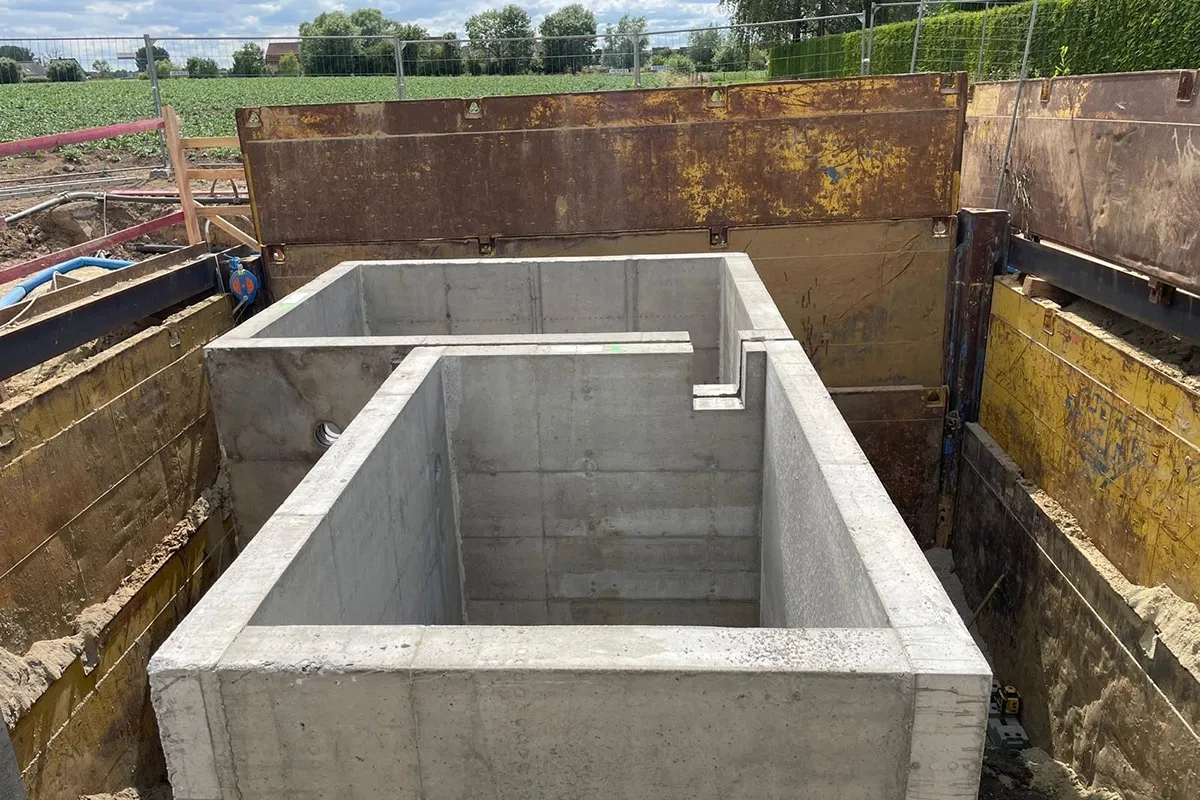
Tailored technical solutions for sustainable wastewater management
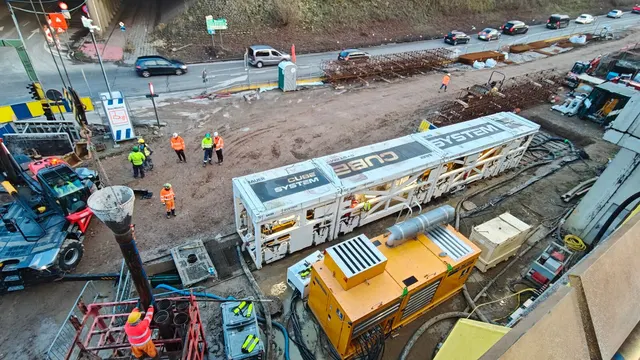
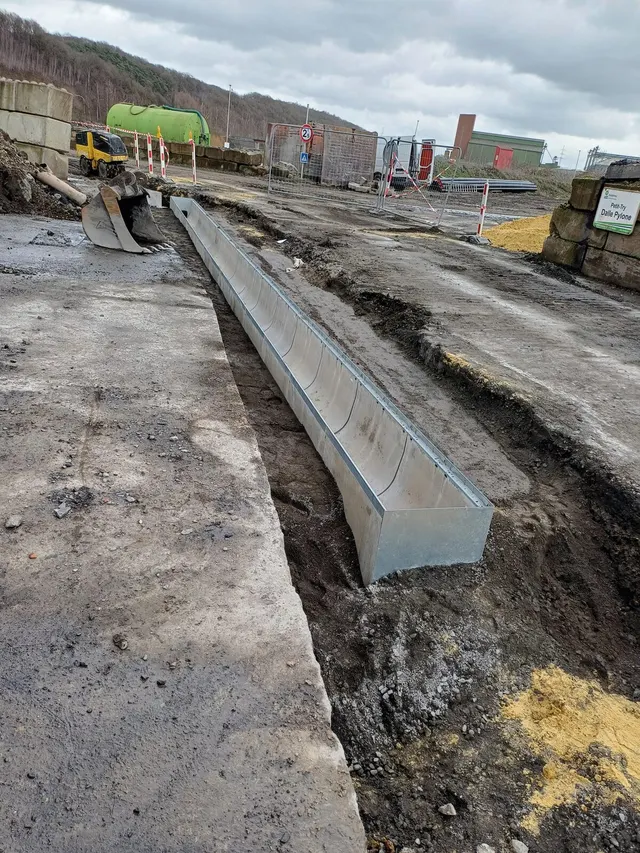
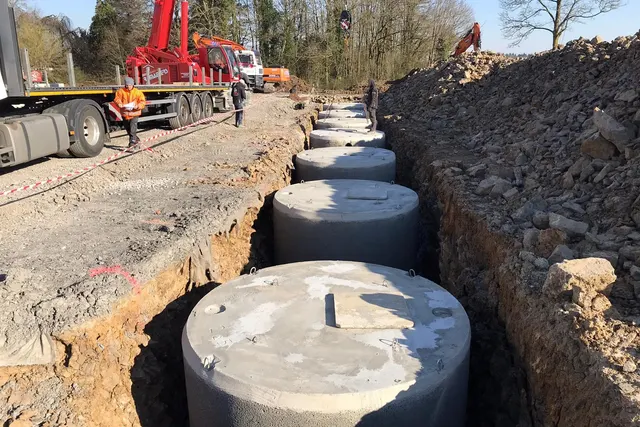
Separating domestic wastewater from rainwater is no longer a vision of the future, but a practical necessity. Climate change, soil sealing and growing pressure on wastewater treatment plants are prompting more and more municipalities to invest in sustainable sewer networks. One such project is under way in Wielsbeke, West Flanders, where Casteleyn is carrying out rehabilitation works along the Heirweg on behalf of Aquafin. At the heart of the project is a large prefabricated pumping station supplied by Lithobeton, designed to ensure the reliable removal of wastewater through a new separate sewer network.
The new system, currently being built along the Heirweg, will now carry domestic wastewater and rainwater separately. This approach reduces the hydraulic load on wastewater treatment plants, limits the risk of overflows during heavy rainfall and prevents diffuse discharges into surface waters.
As the ground does not have a sufficient gradient everywhere for gravity flow, the route includes a pumping station made up of four bespoke components. The installation lifts the wastewater to a higher point. One of these components was installed in a 6.5-metre-deep shaft, a technical challenge requiring meticulous preparation and particularly durable materials. Aquafin turned to Lithobeton, a recognised specialist in large-scale bespoke concrete structures, to design and manufacture the installation. The prefabricated pumping unit was specifically designed for this project, with particular attention to watertightness, durability, reliability and integration into the existing network.
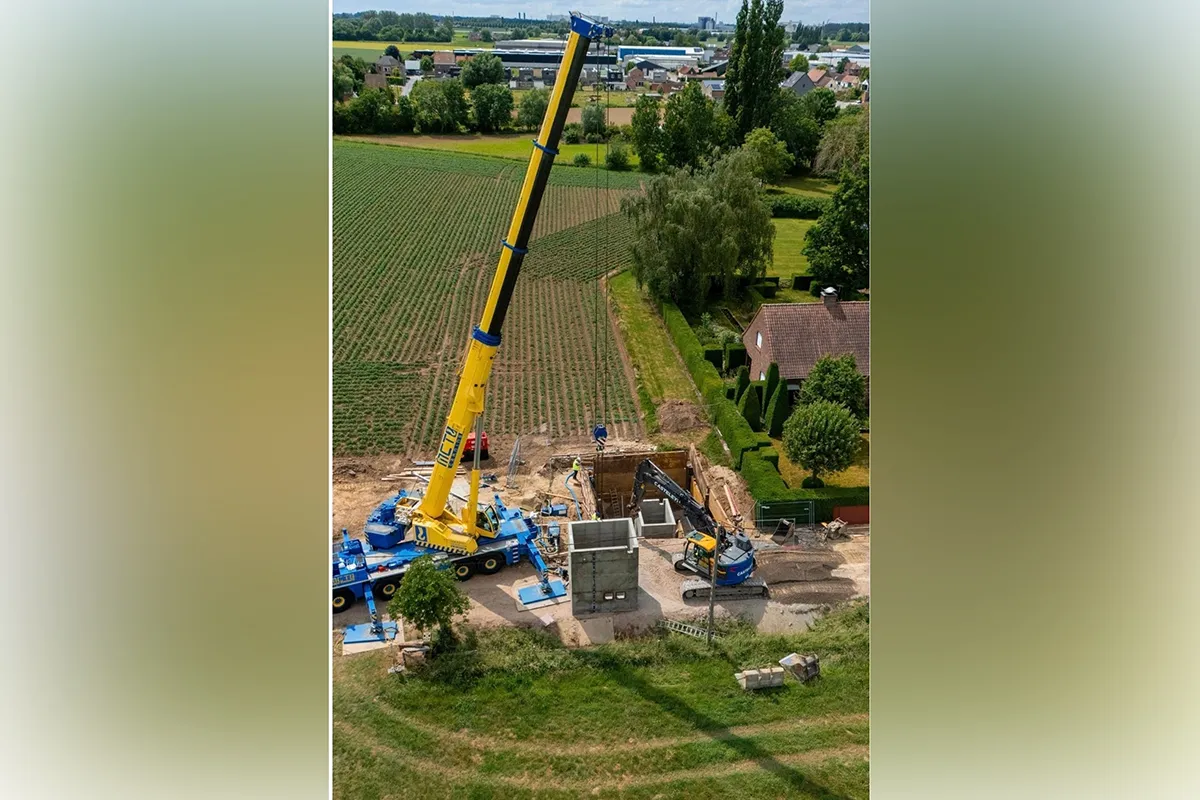
Precast construction as an asset in complex projects
Choosing precast solutions offers many advantages on projects of this kind. Robust and resistant to weather conditions, concrete is still relatively straightforward to install. For this project, Lithobeton worked closely with the engineering consultancy (Infrabureau Demey) and the contractor to meet the technical requirements precisely.
The Wielsbeke project once again highlights the discreet yet vital role of precast concrete in the transition to more sustainable water management. Once buried, these components are out of sight, but they are essential to the proper functioning and long-term performance of a sewer network. Their true added value becomes clear over time: a watertight, robust structure capable of supporting the network’s development for decades.
At a time when public authorities are investing increasingly in climate-resilient infrastructure, Wielsbeke shows how the right choice of materials and construction techniques can turn a routine intervention into a lasting investment in the underground infrastructure of the future. A clear rehabilitation plan, expert execution and industrially prefabricated components combine to create a robust, repeatable approach for other municipalities and sewer operators in Belgium.
Question about this story? Ask your question
Keep following this
Get an email when a new story is published. No account needed.
- ThemeNew ways of building
- SubjectUnderground infrastructure and sewerage