











Securing the future by orchestrating communication between heterogeneous systems
Texte Philippe Selke Photos Sotrelco
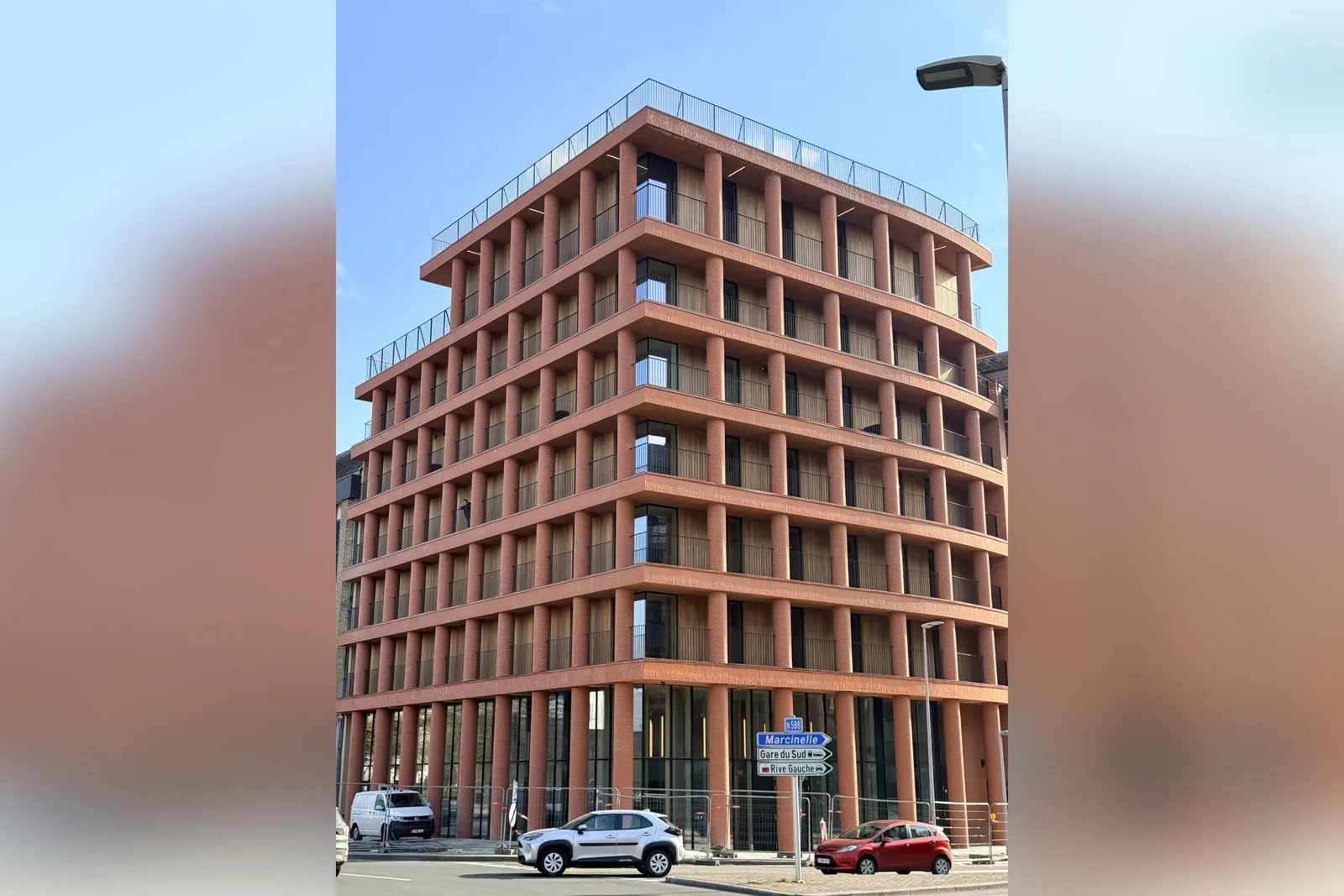
At the junction of rue de l’Ecluse and boulevard Tirou in Charleroi, the extension to SWCS’s headquarters is nearing handover, after a year and a half of work. Responsible for the Special Services package and working alongside main contractor Koekelberg on the Architecture and structural works package, Sotrelco carried out all the electrical power and HVAC installations, with the main challenge being to get different protocols and controlled systems communicating with one another in preparation for future building management system (BMS) control. For the programming, the installer drew on the experience of its subcontractor E.R.A. Entreprise (Soumagne).
The Société Wallonne du Crédit Social offers an alternative form of finance to people who cannot obtain a bank loan to buy a home. It also offers an interest-free, 0% personal loan for renovation work. With this new building adjoining its historic headquarters, which has itself been refurbished, SWCS is now ready for the future. The project also prioritised flexibility, with a generous number of detectors and sensors installed to allow the office floors to be reconfigured.
The building also stands out for its raw finishes, with exposed concrete from the walls to the ceiling and services left visible. This aesthetic choice called for precision when drilling openings for cable penetrations, as concrete is less workable than plaster…
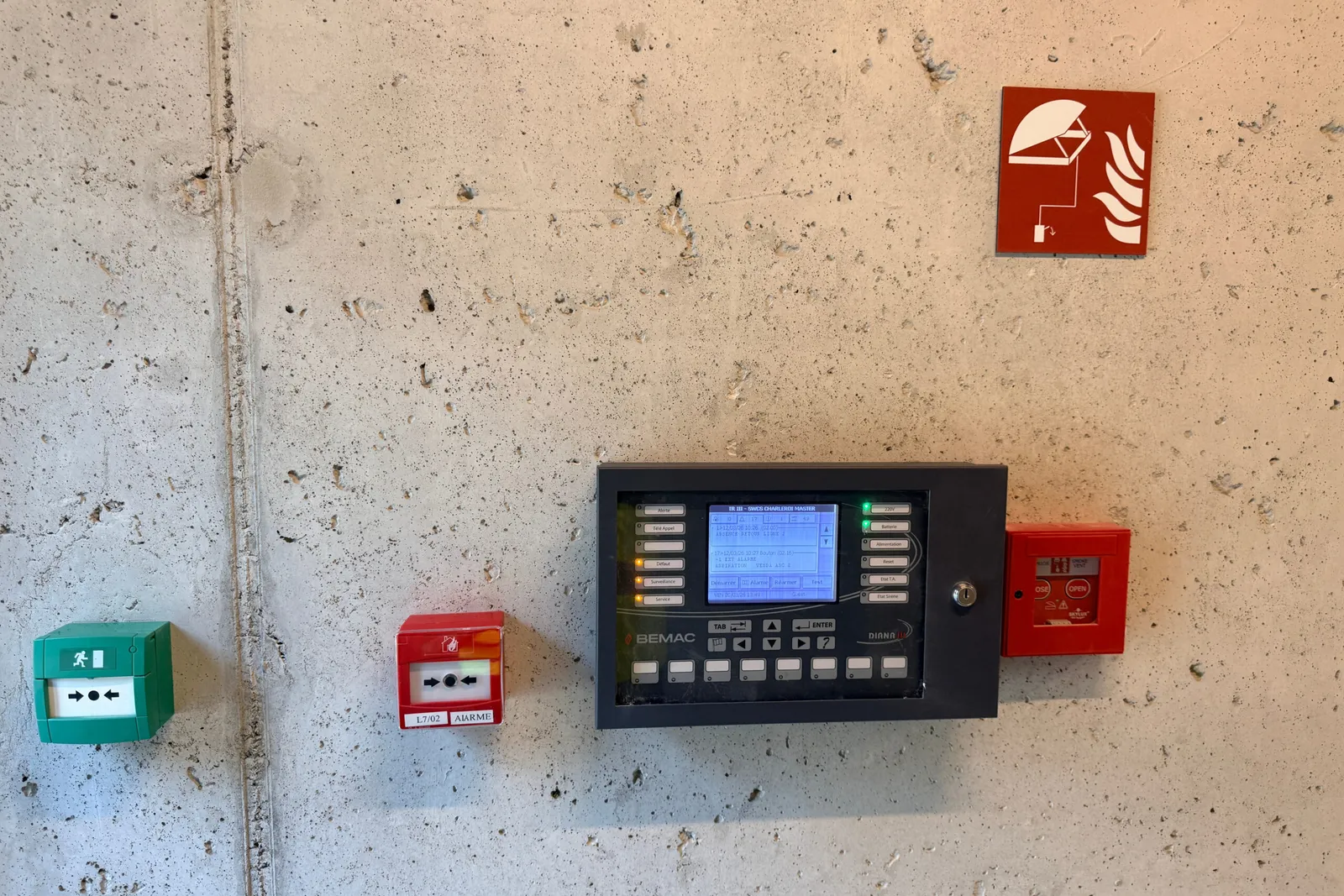
A range of systems and protocols
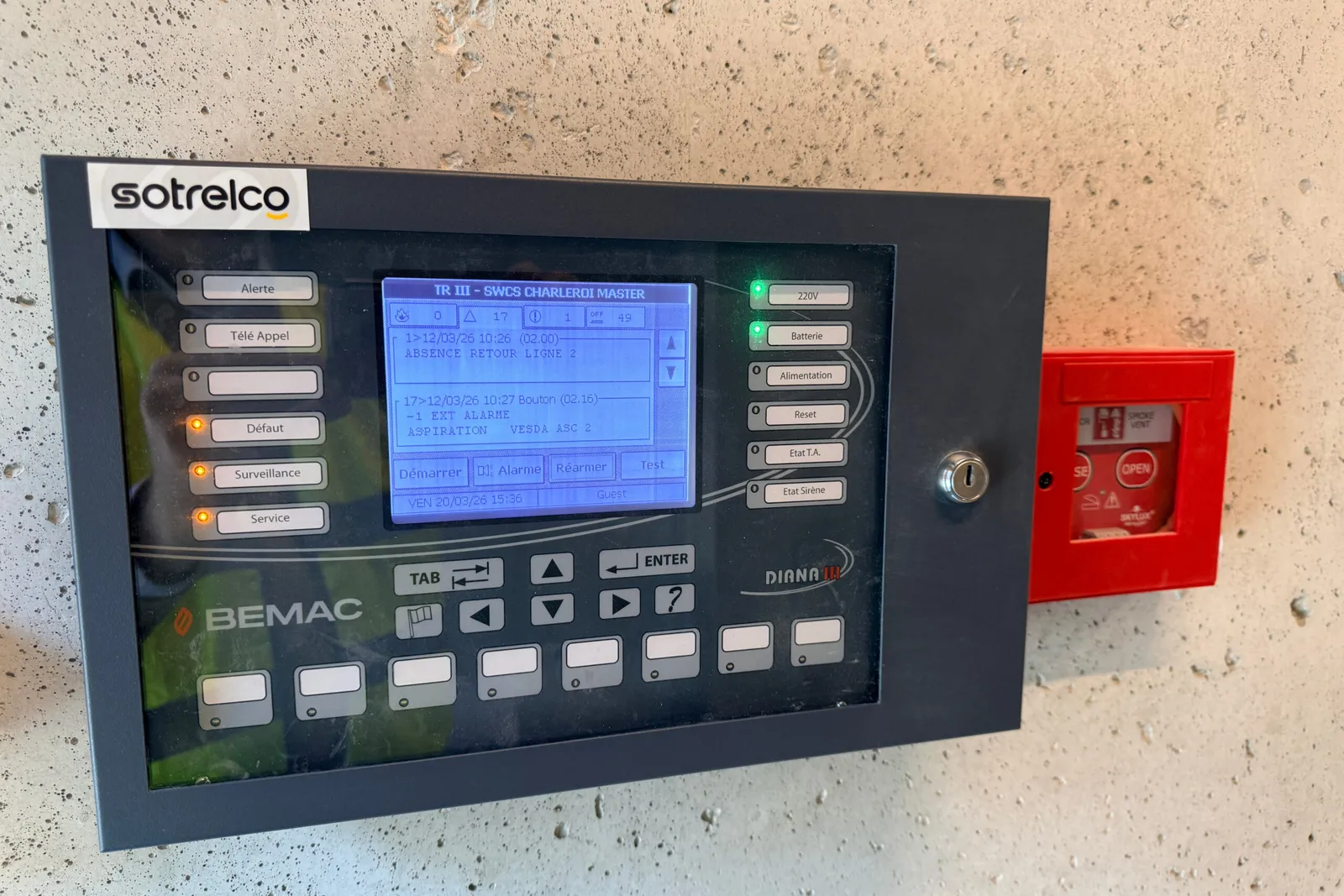
Alongside these physical aspects, the software side of the project proved the most challenging. DALI (lighting), KNX (ventilation, blinds), CAN bus (fire dampers), … the building brings together several subsystems using different protocols, as well as building automation applications from a range of suppliers, often incompatible with one another: SALTO for access control, BEMAC for fire detection, SATEL for intrusion detection, BTICINO for video entry systems, … Getting these disparate systems to communicate and work in a coordinated way was the main challenge for the Hainaut-based installer. For example, an occupancy sensor must be able to control the lighting, ventilation and blinds simultaneously to optimise comfort and energy efficiency.
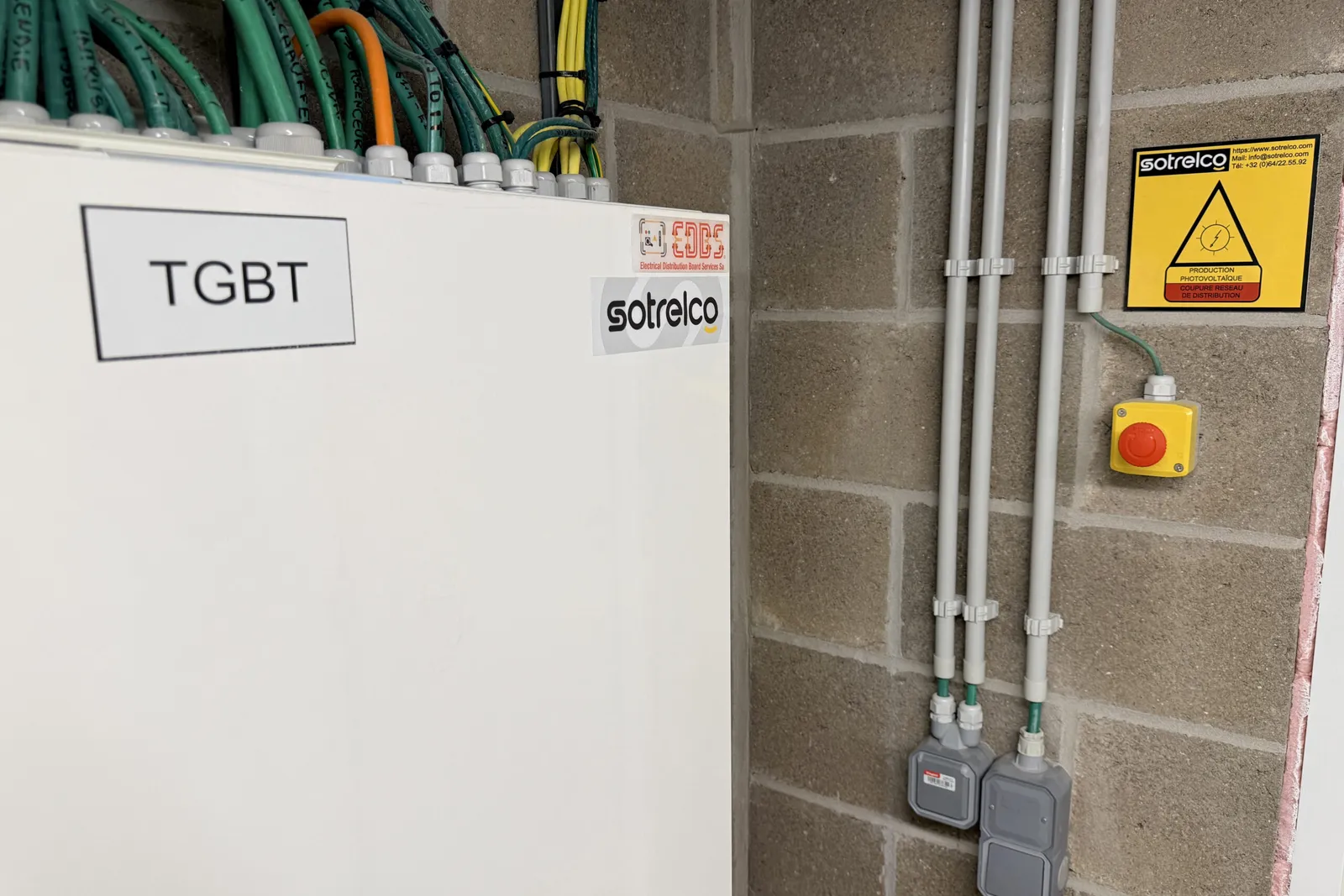
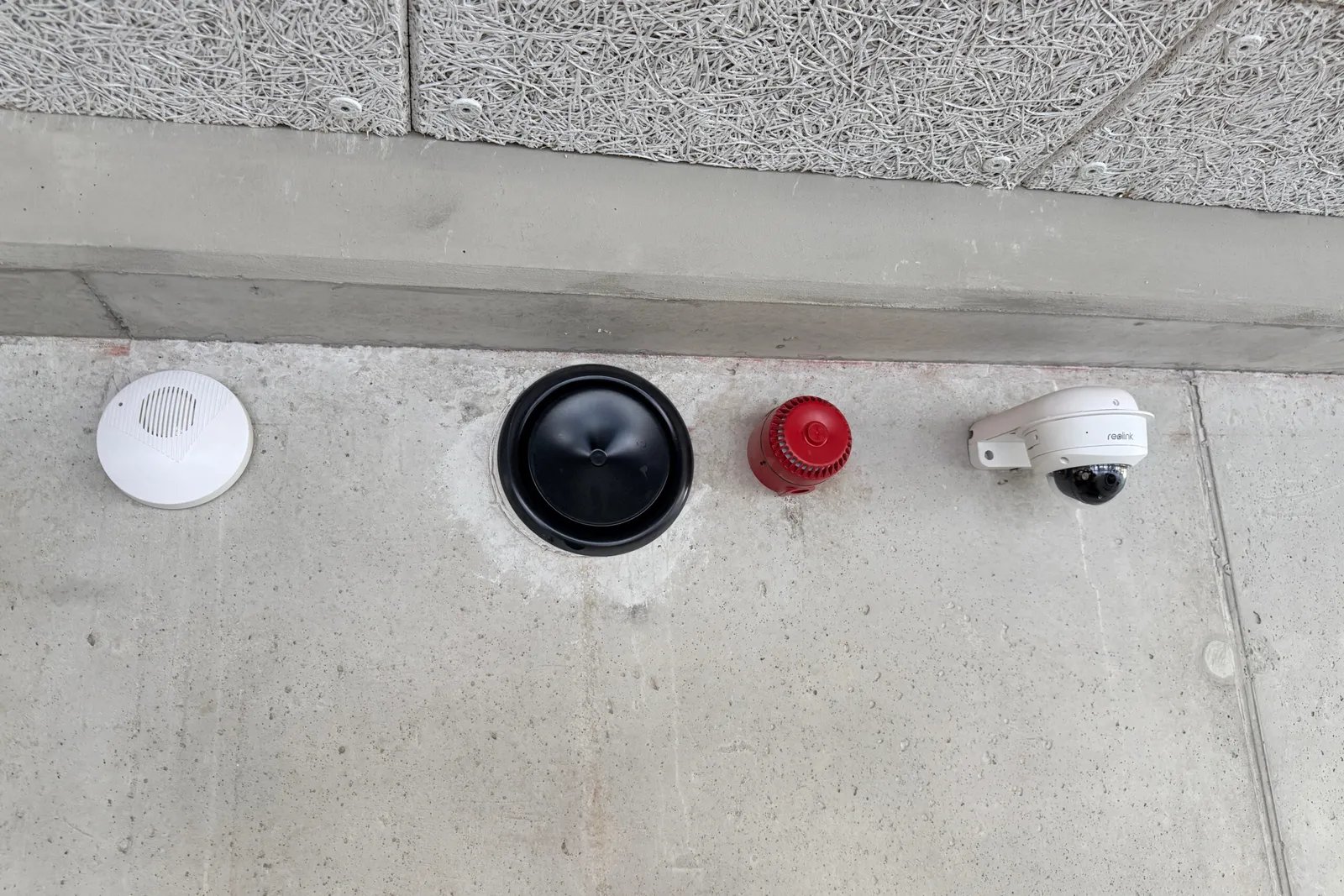
Pragmatic approach calls for a conductor
“The level of integration between the different systems was dictated by the available budget, so we opted for a pragmatic solution: using existing systems that were compatible with the site’s constraints. Our partner E.R.A. Entreprise brought its expertise in orchestrating the various subsystems, enabling us to deliver an intelligent and efficient system without resorting to costly single-brand solutions,” says Sotrelco.
Damien Warlet (E.R.A. Entreprise) explains: “The specification called for a range of specialist subsystems that would be closely coordinated, with control functions and future compatibility with a BMS. Our role was to connect this disparate equipment to SIEMENS gateways, then feed all the data into a central controller. The electricity and gas meters were also integrated. The result fully meets expectations, delivering efficient, consistent and comfortable operation.”
This orchestration ensures optimum comfort, efficient energy management and easier maintenance. The project is a good example of Sotrelco’s drive to develop hybrid, open solutions that require a high level of integration expertise.
Question about this story? Ask your question
Keep following this
Get an email when a new story is published. No account needed.
- SubjectConstruction







