











A flagship for a proud and united region
Texte Florian Holsbeek Photos RAAL
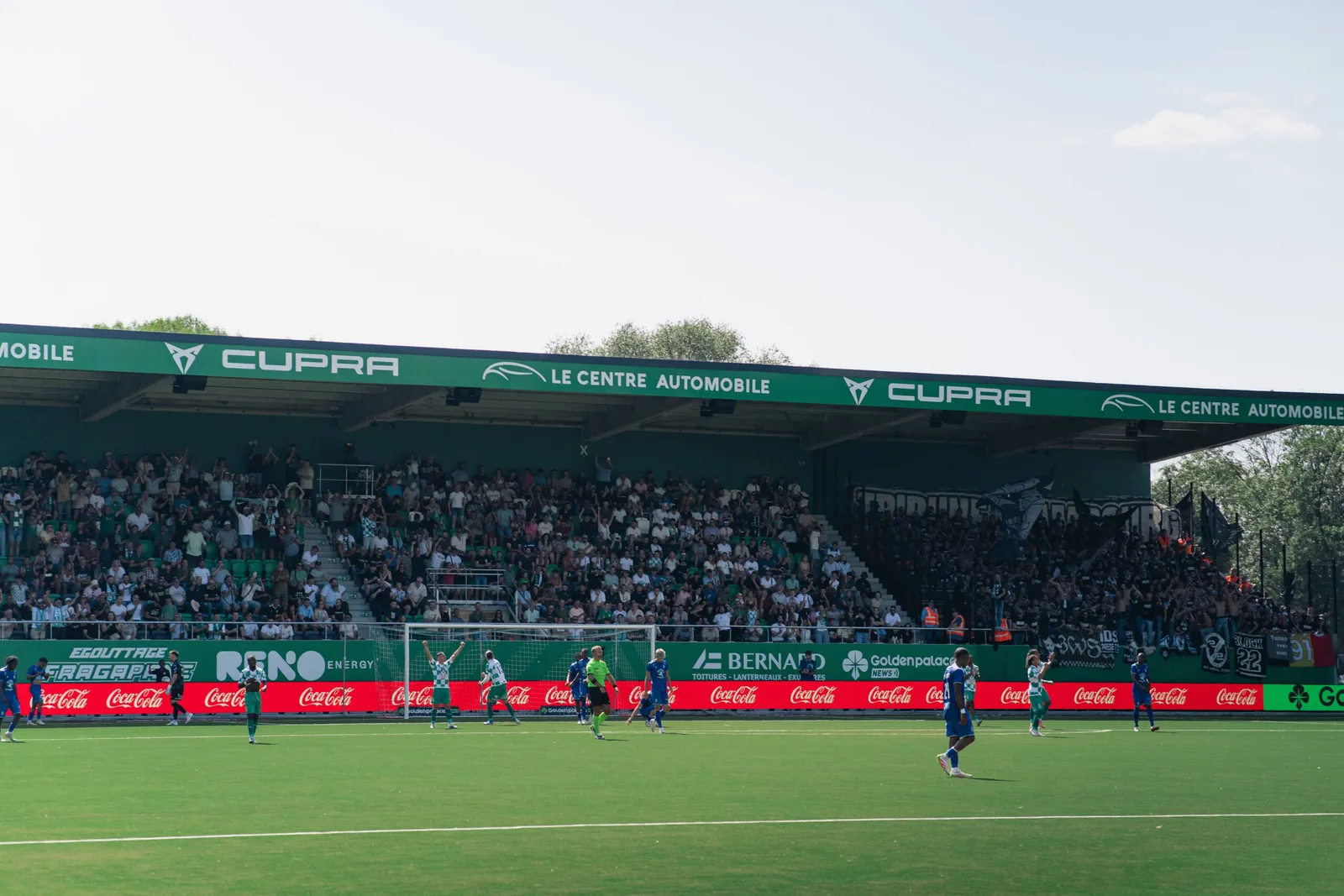
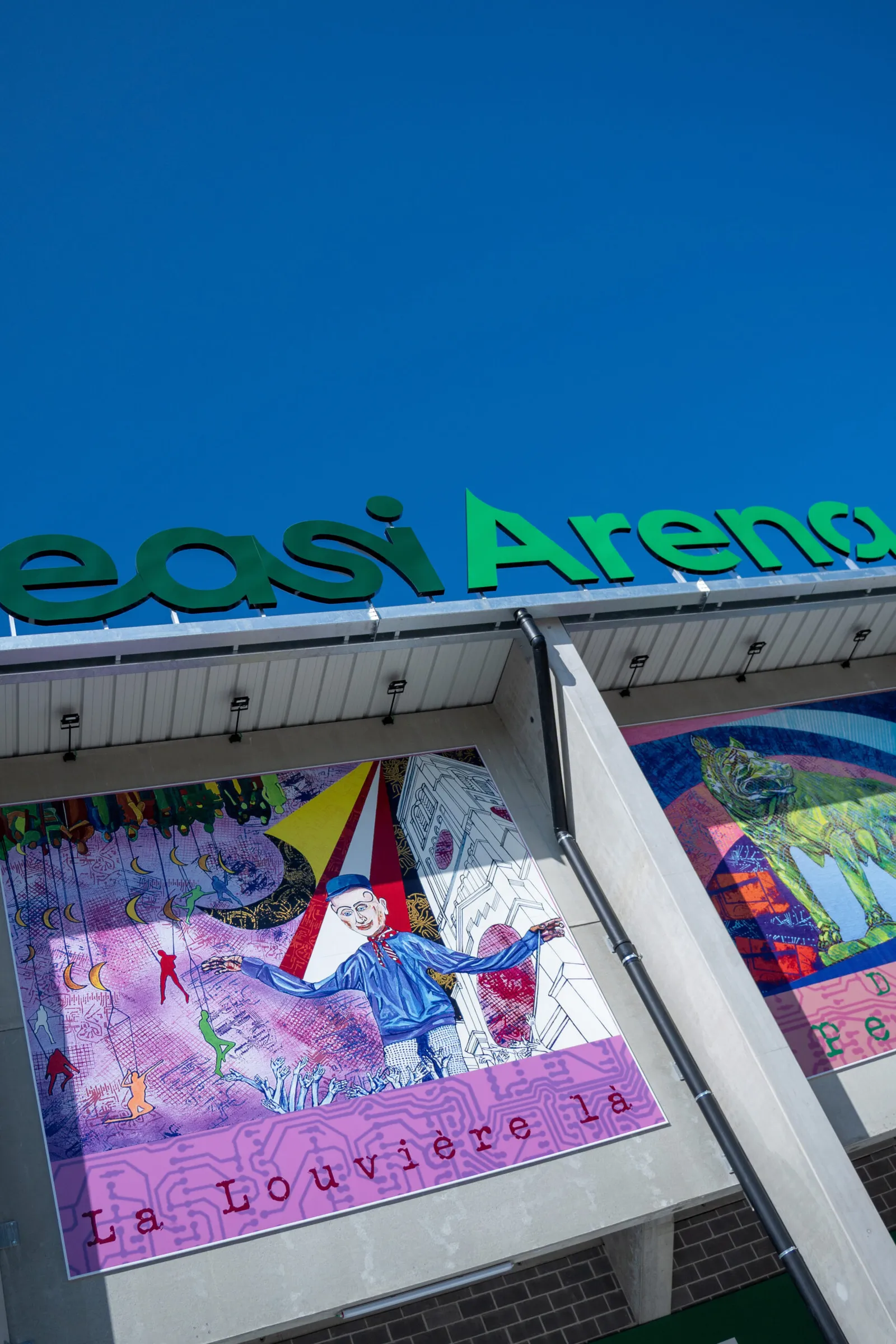
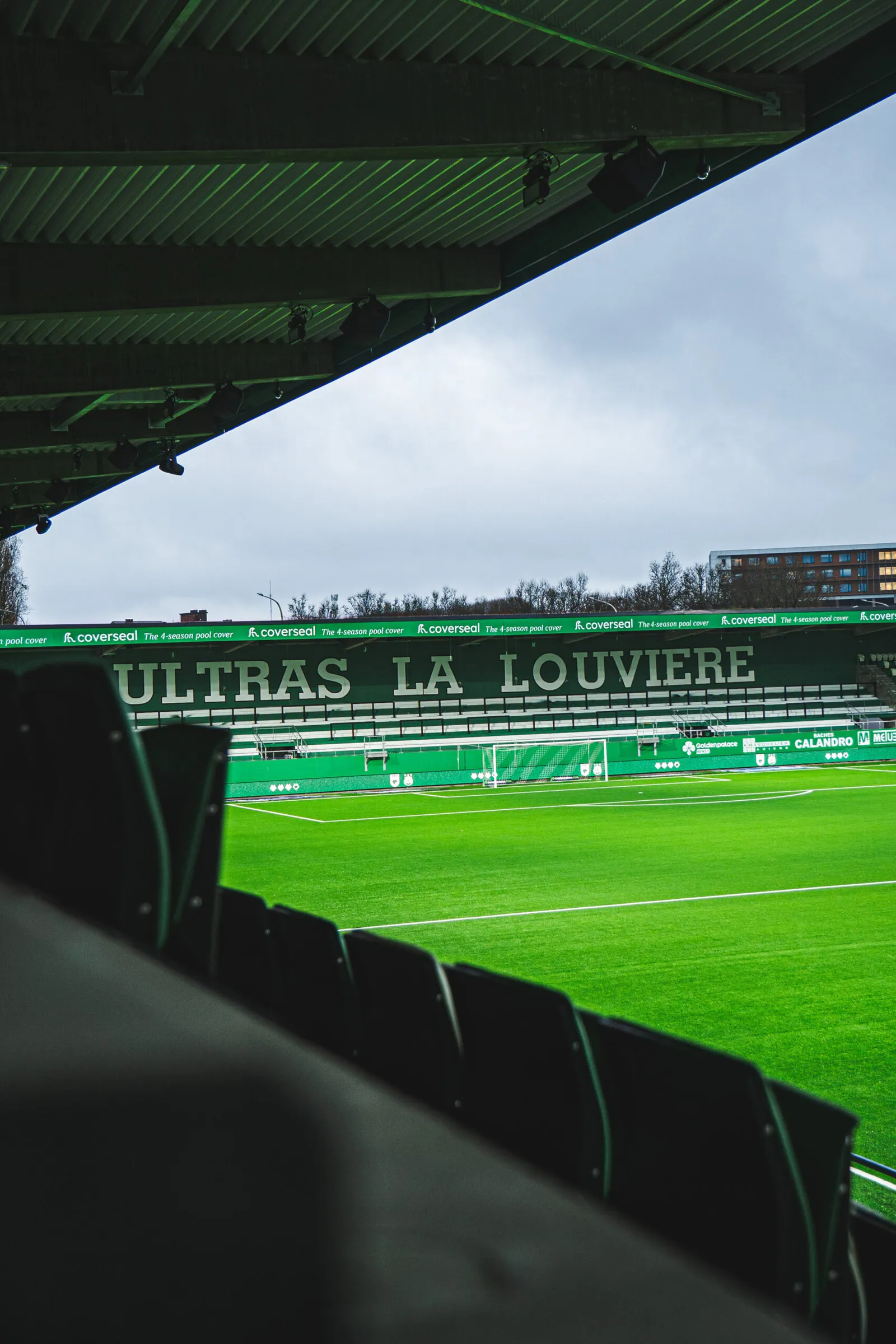
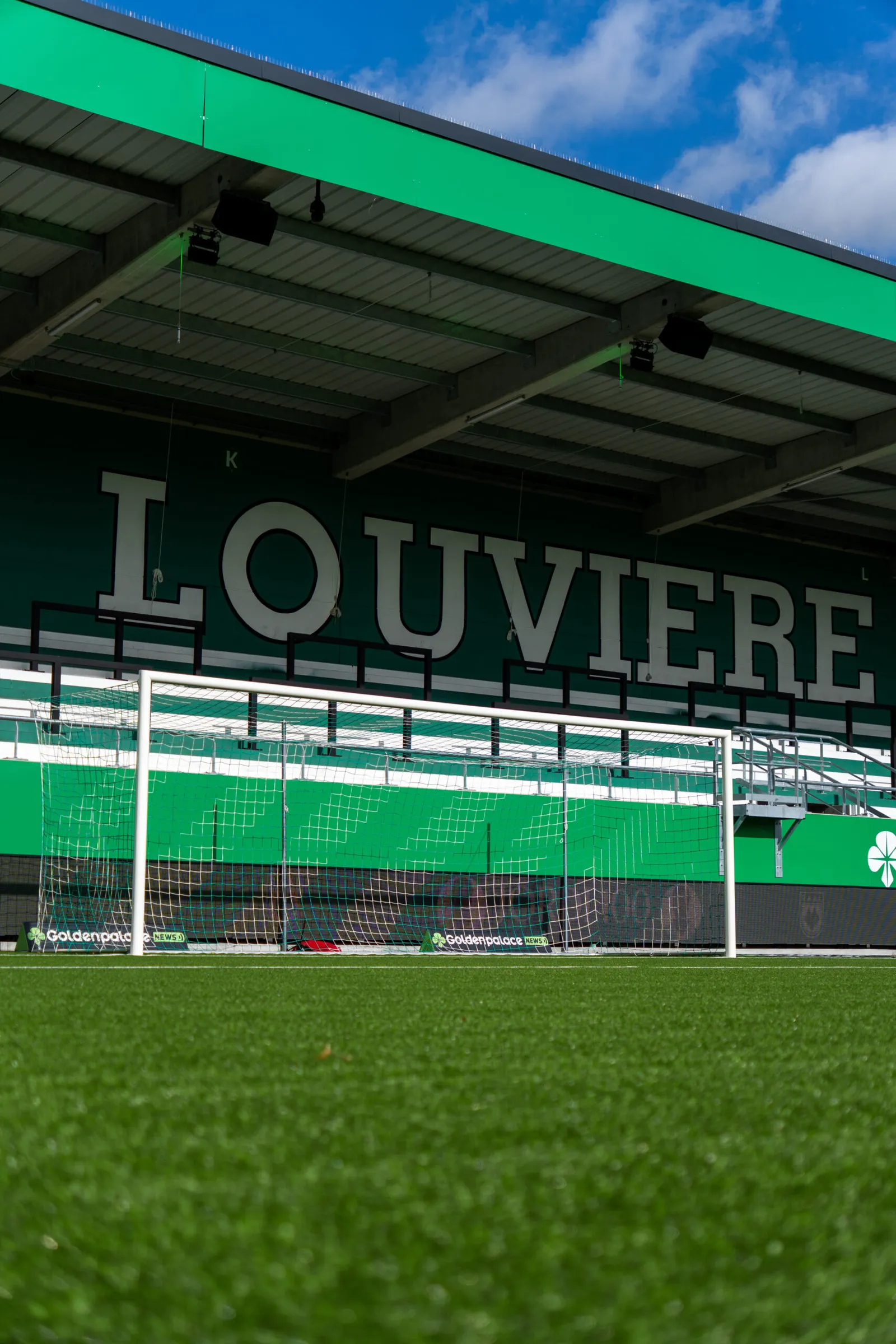
In La Louvière, construction of the RAAL’s new stadium symbolises the revival of a club, a region and Walloon expertise. Completed at breakneck speed in sixteen months, this major project brought together several local players: Loïc Fardeau, the club’s infrastructure manager, Cyril Rousseaux, architect at Carré 7, and Rémy Chatel, Operations Manager at ICM. Together, they tell the story of an exceptional human and technical adventure.
A project rooted in local pride
For Loïc Fardeau, a key figure on the club’s side of the project, the new stadium is more than just a sporting facility: it is a source of pride. “Being from La Louvière,” he says, “means wanting to bring your region and its businesses to life. Salvatore Curaba, the RAAL’s president, wanted the project to reflect this local identity. From the outset, the aim was to involve Walloon companies so that the stadium could become an economic and social driver for the area.”
This commitment was reflected in the choice of partners. The architectural practice Carré 7, led by Cyril Rousseaux and based in La Louvière, was a natural choice. Its local roots, combined with extensive experience, notably on the future Sporting de Charleroi stadium, convinced the client. ICM, which was already working on the club’s training centre, was entrusted with the structural works and infrastructure. Specialising in industrial and commercial construction, ICM was able to draw on its expertise in precast concrete.
A modern stadium for a new era
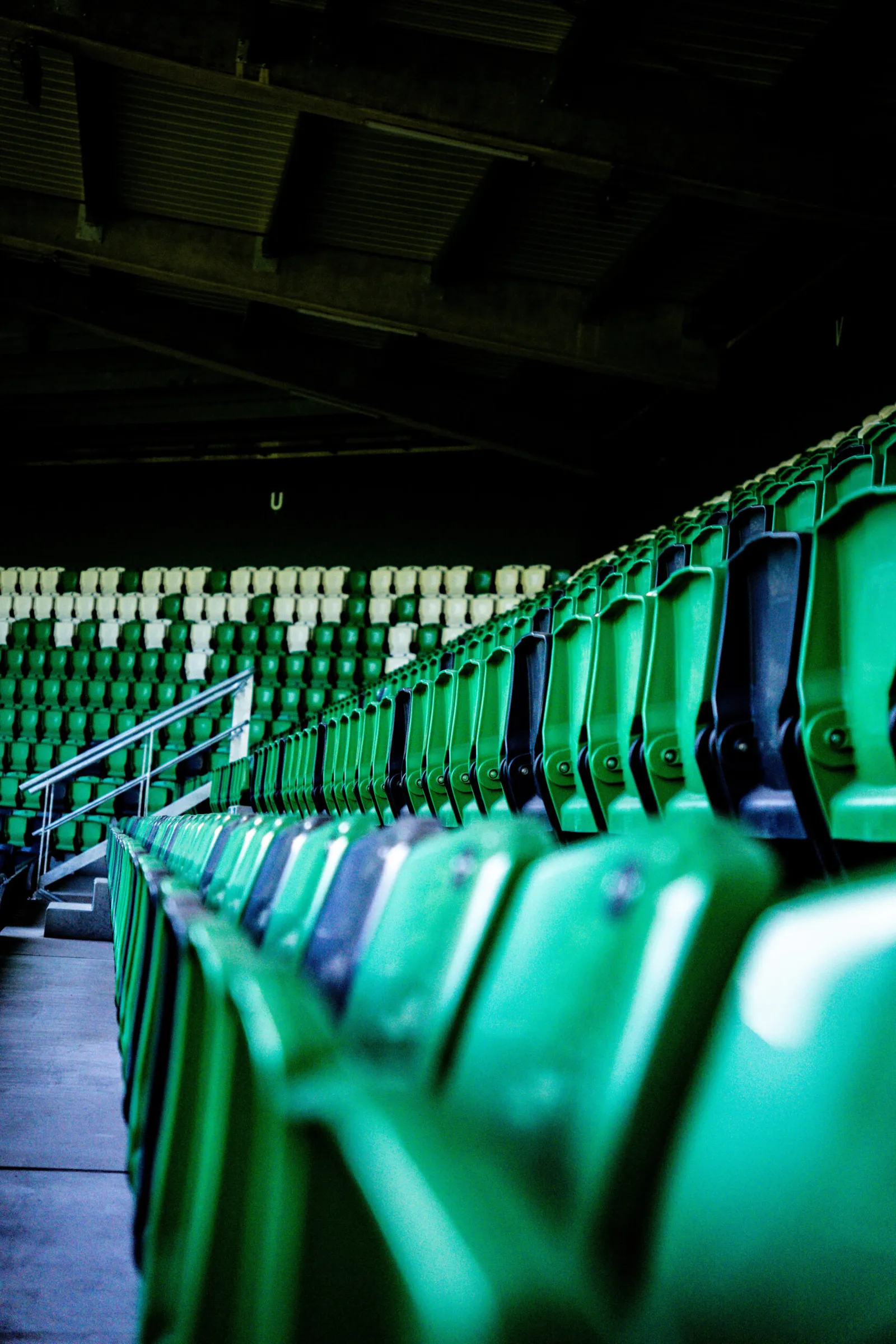
The project addressed a clear need: to replace the old Tivoli, a stadium built in the 1970s that no longer met current standards. Loïc Fardeau describes an ageing building that no longer met safety requirements or the club’s needs. “The RAAL’s development inevitably depended on new facilities that could provide both a professional environment for the players and greater comfort for supporters.”
“With a capacity of 8000 seats, the new stadium combines functionality and modernity. It offers a better matchday experience and optimal working conditions for the team. For the club, it marks a crucial step towards professionalisation and securing its sporting future.”
A bold urban location
One of the project’s most notable decisions was to locate the stadium right in the heart of the city. Unlike the current trend of moving stadiums to the outskirts, the RAAL’s new stadium was built in a densely developed urban area, close to residential buildings and a hospital. For Cyril Rousseaux, this choice reflects a clear intention: to keep the club at the centre of life in La Louvière.
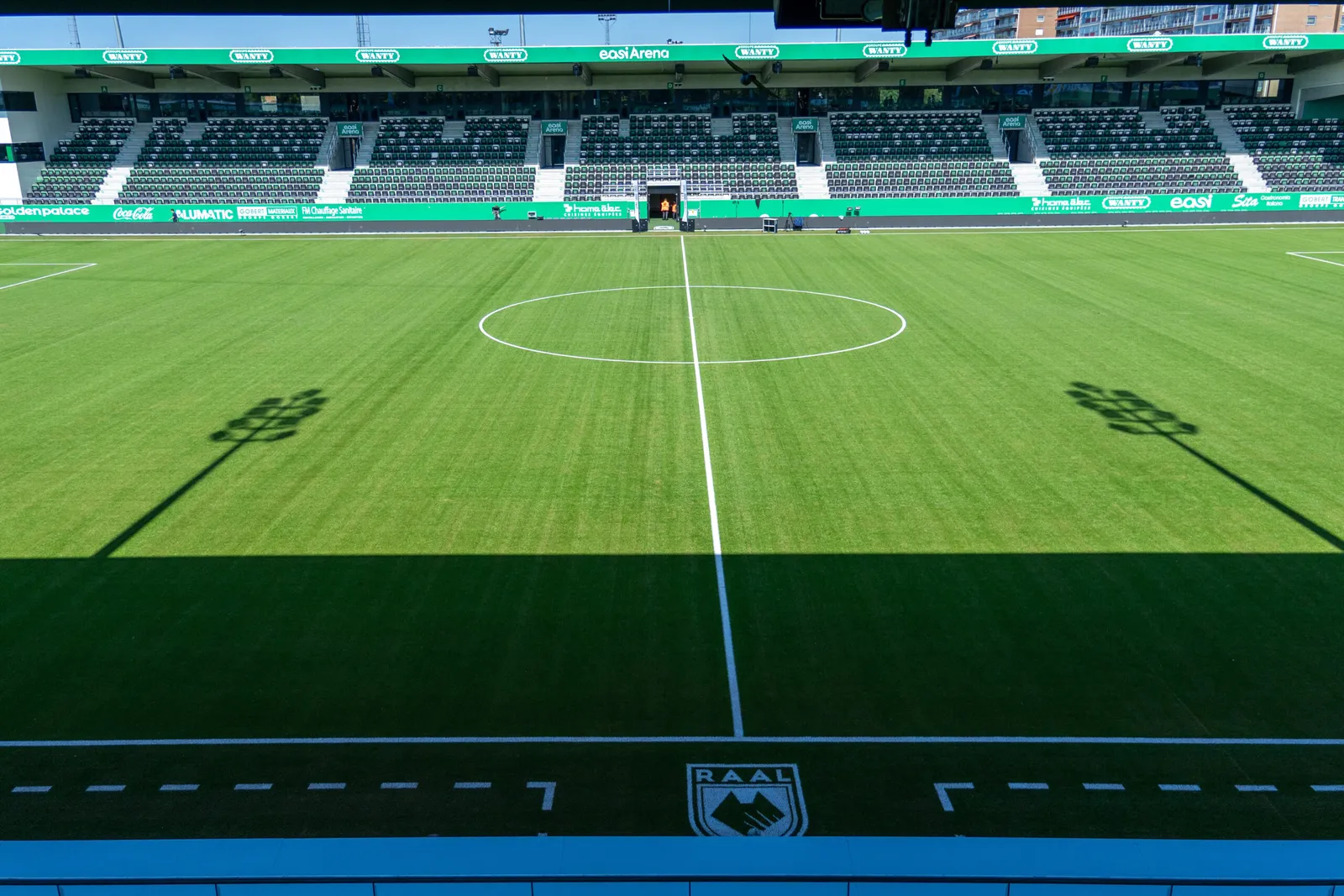
“This location nevertheless required extensive engineering work and consultation. Acoustics, traffic and light pollution were key considerations. The floodlights, for example, were integrated into the main roof and fitted with technology that focuses the light solely on the pitch, to prevent light pollution. The acoustics were studied to limit reverberation in neighbouring districts. The architect also refers to the collaboration with the nearby hospital, whose many parking spaces are now used on match nights.”
“Obtaining planning permission in such a context was no easy task. Many meetings were needed to convince the authorities and local residents. This preparatory work, often unseen, was one of the project’s biggest challenges.”
Meeting the deadline and budget: a collective achievement
Delivering a stadium in just sixteen months was a colossal challenge. Budget constraints were strict, with the financial envelope set before the COVID crisis. Rémy Chatel recalls a period when every decision had to be carefully calibrated: materials, prefabrication methods, logistics… everything had to fit together with clockwork precision. “The extensive use of precast concrete helped optimise assembly while ensuring a high standard of workmanship.”
For Loïc Fardeau, the project’s success also came down to the quality of coordination between the many companies working on site. “Internal organisation, communication and trust were essential to meeting such an ambitious schedule. Despite the time pressure, he notes, the atmosphere on site remained positive and collaborative.”
The results speak for themselves: the project was completed on time and within budget, with no compromise on quality. Rémy Chatel is full of praise: “I am particularly proud of the level of precision achieved on a project involving hundreds of precast elements, installed with very few errors or replacements.”
Walloon expertise in the spotlight
For the companies involved, the RAAL stadium is a genuine showcase. ICM, which specialises in industrial buildings, was able to demonstrate its ability to deliver landmark projects that are complex and demanding. The project drew on a wealth of local expertise and proved that Wallonia has all the skills needed to build major infrastructure.
Cyril Rousseaux sees the project as a turning point for his architectural practice. “This project has raised Carré 7’s profile in the field of sports facilities. Following the Belgian pavilion at the World Expo and ahead of Charleroi, La Louvière is a decisive step in a regional movement that, according to the architect, is now inspiring other clubs and municipalities in Wallonia to follow suit.”
Bringing forces together: the key to success
Everyone involved in the project agrees on one thing: the stadium’s success rests on exemplary collaboration. The client, companies and design practices worked together in a spirit of teamwork and mutual trust. For Cyril Rousseaux, the project succeeded thanks to Salvatore Curaba’s ability to surround himself with the right people and bring their skills together. Loïc Fardeau agrees: the project’s strength lay in turning the tight deadline into a collective driving force.
This synergy, rare in projects of this scale, made it possible to overcome obstacles smoothly. It also demonstrates an integrated management model that could inspire other public or private projects in Wallonia.
A symbol for the city and the region
Beyond its sporting role, the RAAL stadium has become a symbol of dynamism and renewal. It embodies a city’s ability to reinvent itself and a club’s ability to build a solid structure for the future. For those involved in the project, it is far more than a simple facility: it is tangible proof that ambition, rigour and cooperation can deliver projects in Wallonia that meet international standards.
In sixteen months, La Louvière gained a modern, environmentally responsible facility rooted in its urban fabric. A collective achievement that, beyond sport, shows what Walloon construction can accomplish when it unites its forces around a shared goal.
Project details
Client: RAAL
Architect: Carré 7
Main contractor: ICM (Wanty group)
Question about this story? Ask your question
Keep following this
Get an email when a new story is published. No account needed.
- SubjectConstruction







