











What are the key innovations shaping the future of precast concrete?
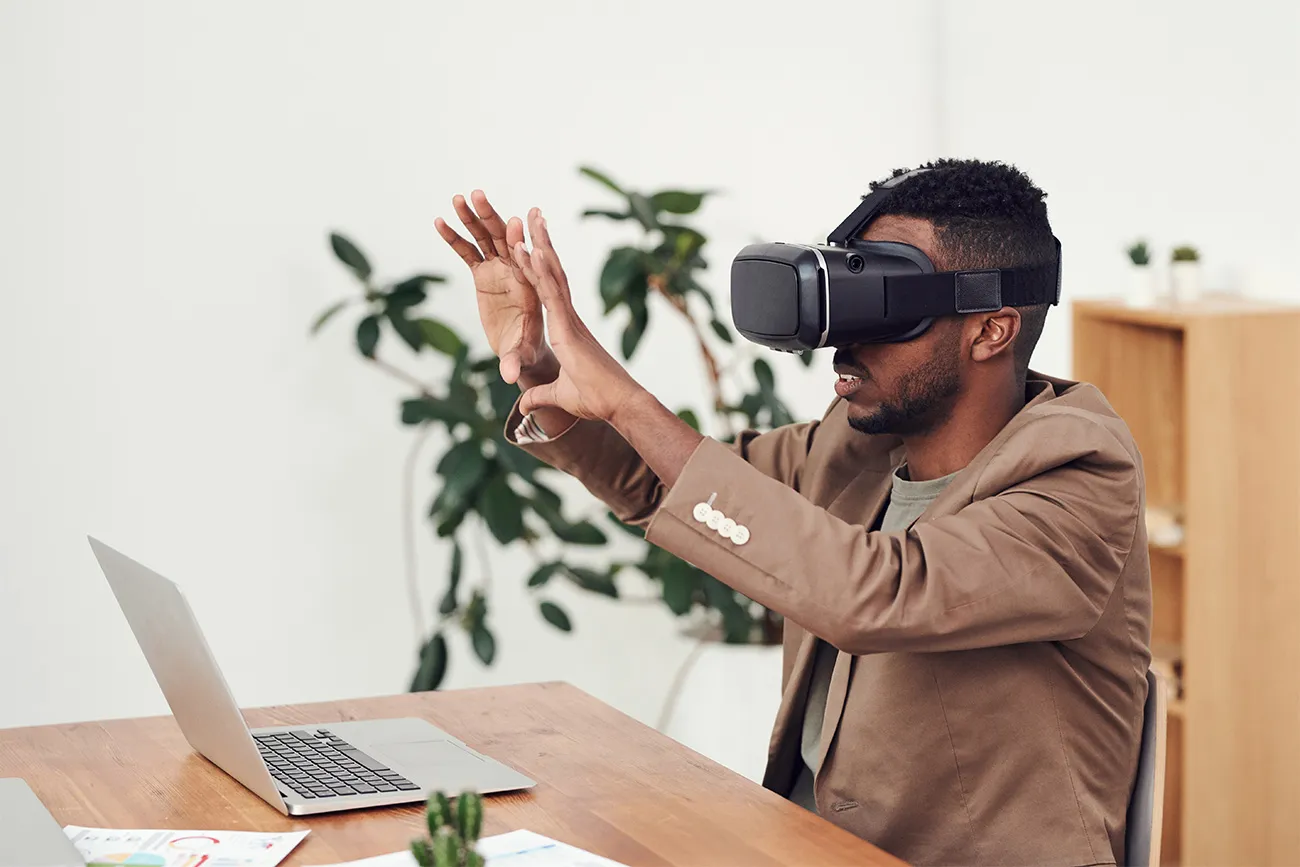
From BIM and virtual and augmented reality to robotics and even 3D printing, these innovations are taking hold in the construction sector and gradually finding their place in precast concrete. What will concrete construction, including precast, look like in the future? In a podcast available to listen to in Dutch on the architectura.be platform, three experts working in production, development and architecture address this timely question.
Digitalisation can no longer be ignored in construction. The same applies to people and stakeholders working with precast concrete. The fact that the underlying philosophies of prefabrication and innovative collaboration models such as Design & Build overlap is certainly an advantage, says Dirk Engelen, CEO of BINST ARCHITECTS. “In a traditional project, a limited percentage of additional costs is due to defects. BIM helps to optimise projects and minimise risks, and this is where precast can play a vital role. In a team effort, added value is often sought by involving the contractor at an early stage, leading to greater efficiency. Precast fits perfectly into this approach.”
Making crucial decisions during the preliminary phase, reducing construction time on site and limiting errors: that is the main goal. But BIM is still in its infancy in precast concrete production, although its adoption has accelerated recently. “A lot is still done manually and on site, even though there is scope to automate production. BIM offers significant added value, particularly in terms of quality assurance,” notes Sonja Kuypers, CEO of Ebema.
Robotics and augmented reality
Robotics, laser technology, 3D scanning, augmented reality, … these innovations are also making their way into the precast sector. “Augmented reality lets you add layers of information to the real world, such as complex building junctions and installation instructions. This reduces the number of errors and the associated costs of failures,” explains Vincent Kerkstoel, director at Groep Kerkstoel and president of Febestral.
Augmented and virtual reality are valuable tools for dialogue with clients. For example, they can be used to show the client a realistic, detailed visualisation of the expected final result at an early stage of the project, helping to explain design and construction choices. Dirk Engelen believes this development will lead to a new way of working with clients, engineering firms and contractors. “A virtual handover of the model, including building services, finishes, colours, … can be a crucial step in the construction process. Much of the design work from the implementation phase is moved to the preliminary phase, speeding up the construction process like a high-speed train.”
Is 3D printing the future?
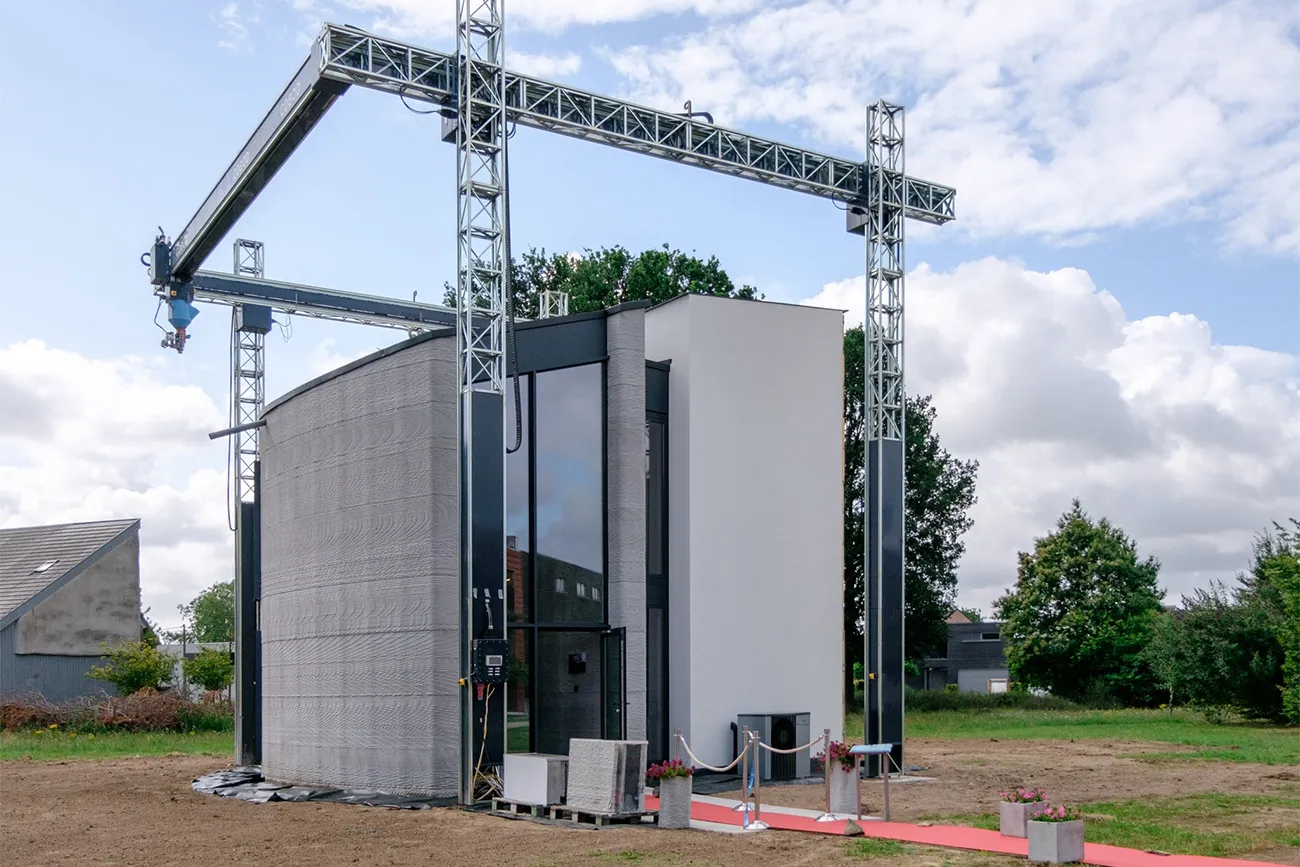
3D concrete printing is another interesting innovation. Will precast concrete manufacturers do more printing than production in their factories? “It’s a promising development, but I don’t think 3D printing will completely replace the precast sector. The technology is not yet ready for large-scale projects. What’s more, the on-site printing process is subject to weather, environmental and quality factors that can be better controlled in precast factories. Finally, some elements are difficult to ‘print’, such as large bridge components or long spans. There is no ready-made answer to the logistical challenges involved either. I think specific printed elements could have a place in the bigger picture. I also see opportunities in printing complex formwork for manufacturing precast concrete elements,” says Vincent Kerkstoel.
As an architect, Dirk Engelen does not currently see sufficient reason to roll out 3D printing on a large scale. “It is a viable alternative, but its scope is relatively limited. I have not yet seen many 3D-printed applications that cannot be achieved by other means. I think the pros and cons need to be weighed up in the context of each project. Being a fascinating technology is not enough. It needs to offer added value. I see opportunities in creating complex shapes that are difficult to achieve with formwork technology. I see 3D printing more as a valuable addition to existing production and construction methods.”
Question about this story? Ask your question
Keep following this
Get an email when a new story is published. No account needed.
- ThemeNew ways of building
- SubjectConcrete







