











Waterproofing technologies, essential for effective and sustainable water treatment
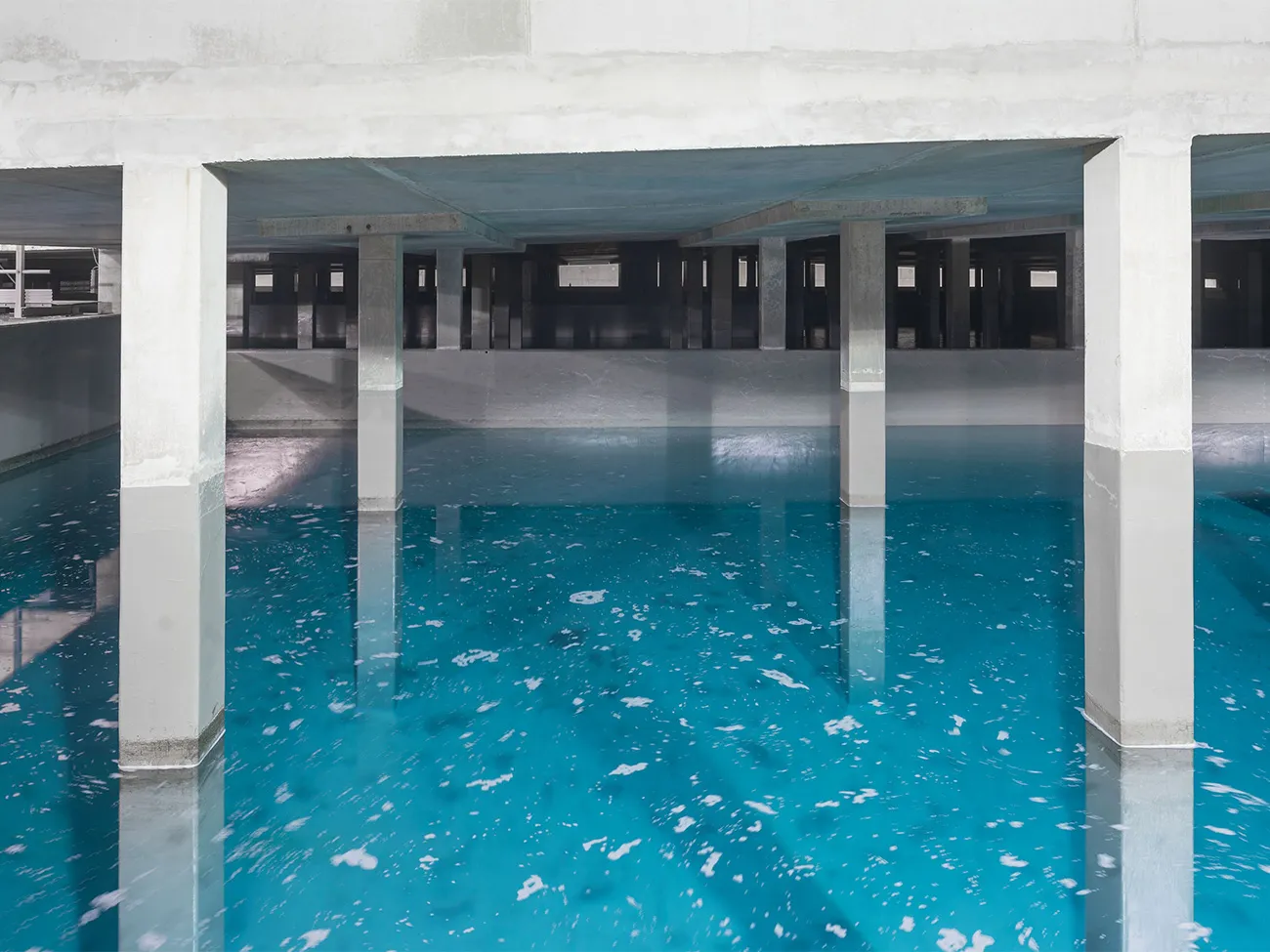
Most people working in the water industry are aware that water is not a simple substance, and face the challenges of managing it sustainably every day.
Storing water properly has been a priority since the dawn of humanity. What are the challenges involved, and how can water be treated sustainably?
Water tanks serve many purposes: storing drinking water or industrial wastewater, treating water … For economic reasons, they are generally made of concrete.
Storage challenges
Water is a particularly fragile resource that can be affected by a number of harmful factors (bacteria, viruses, algae, pH variations, and the build-up of minerals and gases). Contamination can be caused by various factors (pipes, tank construction materials, the ingress of minerals and gases, etc.). A properly designed water tank is specifically engineered to treat and mitigate all these harmful effects. In addition, a regular water quality monitoring procedure must be established in advance to prevent algae, bacteria and viruses from proliferating, particularly in the case of a drinking water tank.
There are only a few key factors that must be kept under control to ensure effective water storage. The first is moisture: as the tank’s concrete structure is in constant contact with water, the tank is permanently damp. Combined with oxygen, this environment is ideal for corrosion of the internal steel reinforcement. This is extremely dangerous, as it compromises the integrity of the structure, which may then collapse if it is not treated in time.
The second is deterioration of the tank surface due to chemical attack. Acidic water can chemically attack the concrete surface, but water with a neutral pH can also damage concrete. In addition, the simple movement of water in the basin, whether natural or caused by pumps, can exacerbate this effect and cause abrasion.
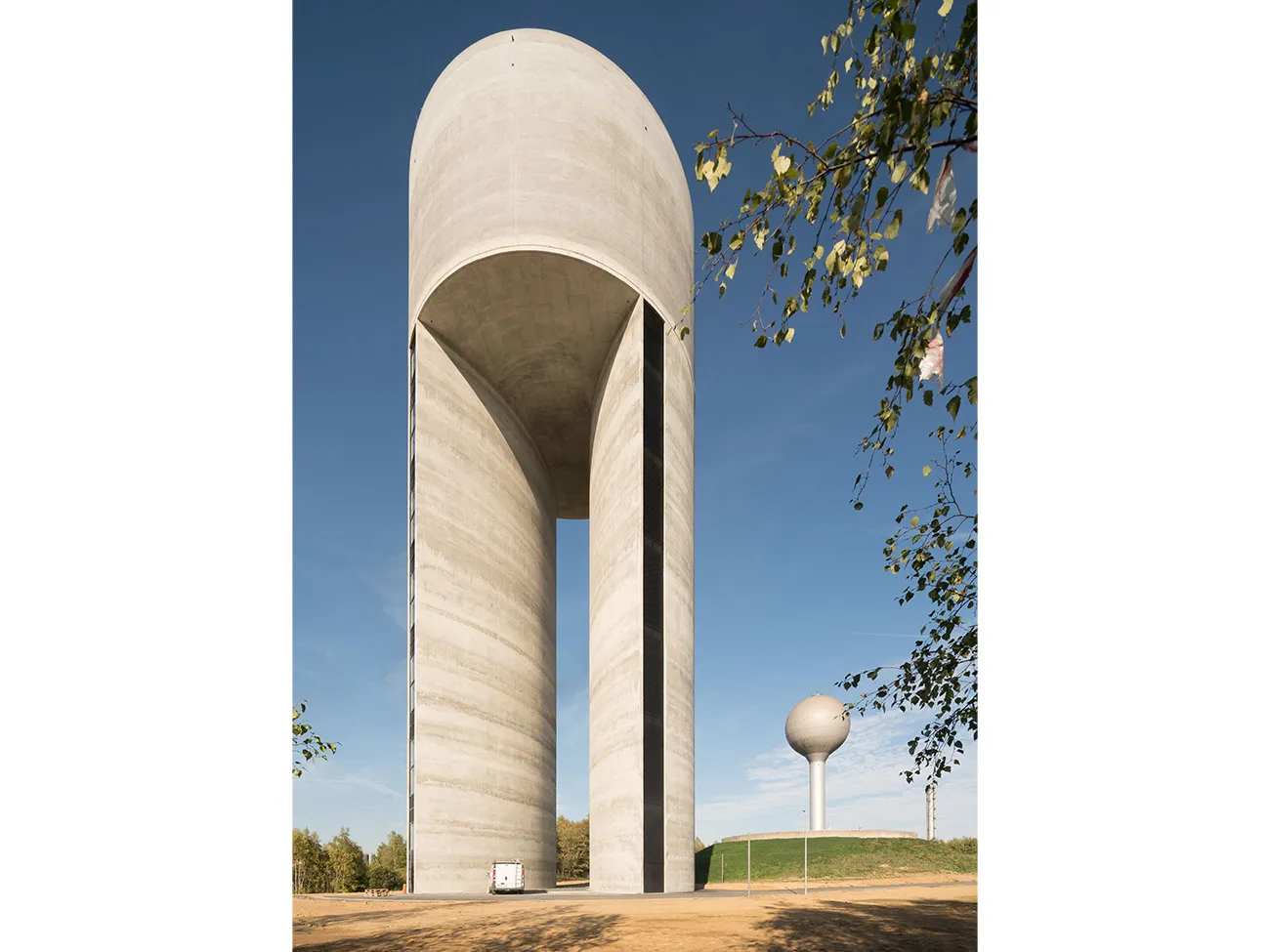
The third is cracking of the tank: in concrete tanks, cracks are generally caused by hydraulic shrinkage or structural defects. Water can therefore only be stored if any cracks that may occur are sealed with a waterproof membrane that is sufficiently flexible to maintain the integrity of the tank.
The last factor is water quality, particularly when storing drinking water. To ensure user safety, the tank design and all materials applied to its surface must meet specific requirements (which vary in part from one
country to another).
Sustainable management
Storing water in a tank is a real challenge. So how can sustainable storage be ensured? Protecting the concrete and waterproofing it are essential. Various waterproofing technologies are now available on the market, including cementitious, epoxy and polyurea (PUA) coatings. The latest technology, Xolutec™, optimises intermolecular interactions between the resin components to create an optimised cross-linked polymer network (XPN), delivering unique properties for a wide range of different solutions. The main benefits for users are increased durability and lower total cost of ownership (TCO), thanks to longer maintenance intervals and less downtime.
Depending on the specific site conditions (tank structure, concrete quality, surface quality, new construction or refurbishment, etc.), it is extremely important to ensure that the technology and solutions applied genuinely meet the required specifications.
Question about this story? Ask your question
Keep following this
Get an email when a new story is published. No account needed.
- SubjectConcrete







