











Certification of the installation of open infiltration systems takes off
Certification body COPRO has been working for several years to develop various installation certificates. Still in the field of rainwater infiltration, two installation certificates are being developed. While the certificate for underground infiltration systems is already well advanced, the one for open infiltration systems is just getting started. “We are now working flat out to develop the technical requirements,” says Dorien Desmet, certification manager at COPRO.
To make a clear distinction from product certification, the distinct brand name COPRO.EXE has been registered. COPRO.EXE is a voluntary collective mark owned by COPRO, and it helps strengthen confidence in the proper execution of specific works (EXEcute). Other certification bodies use the same suffix, EXE, for installation certification.
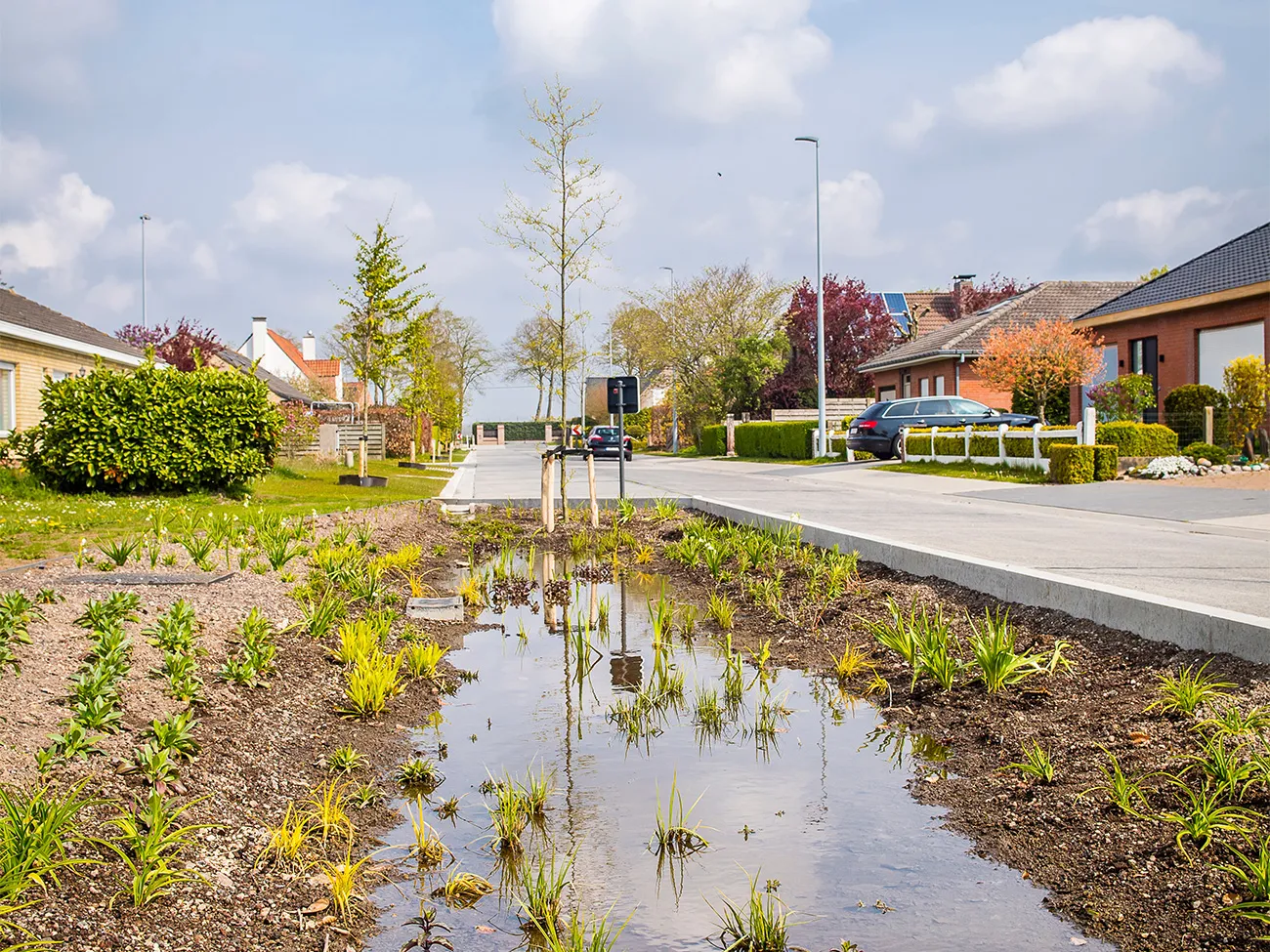
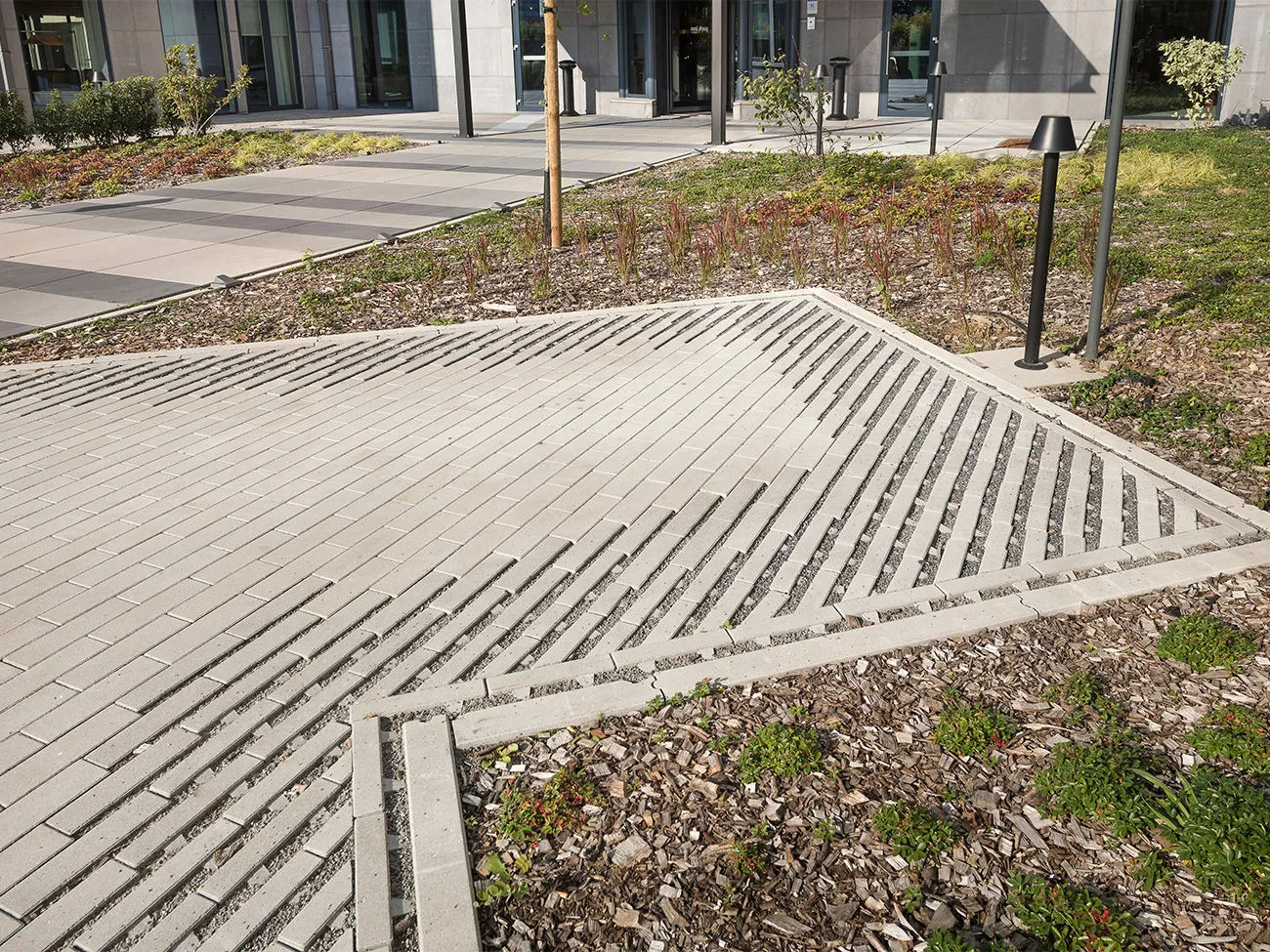
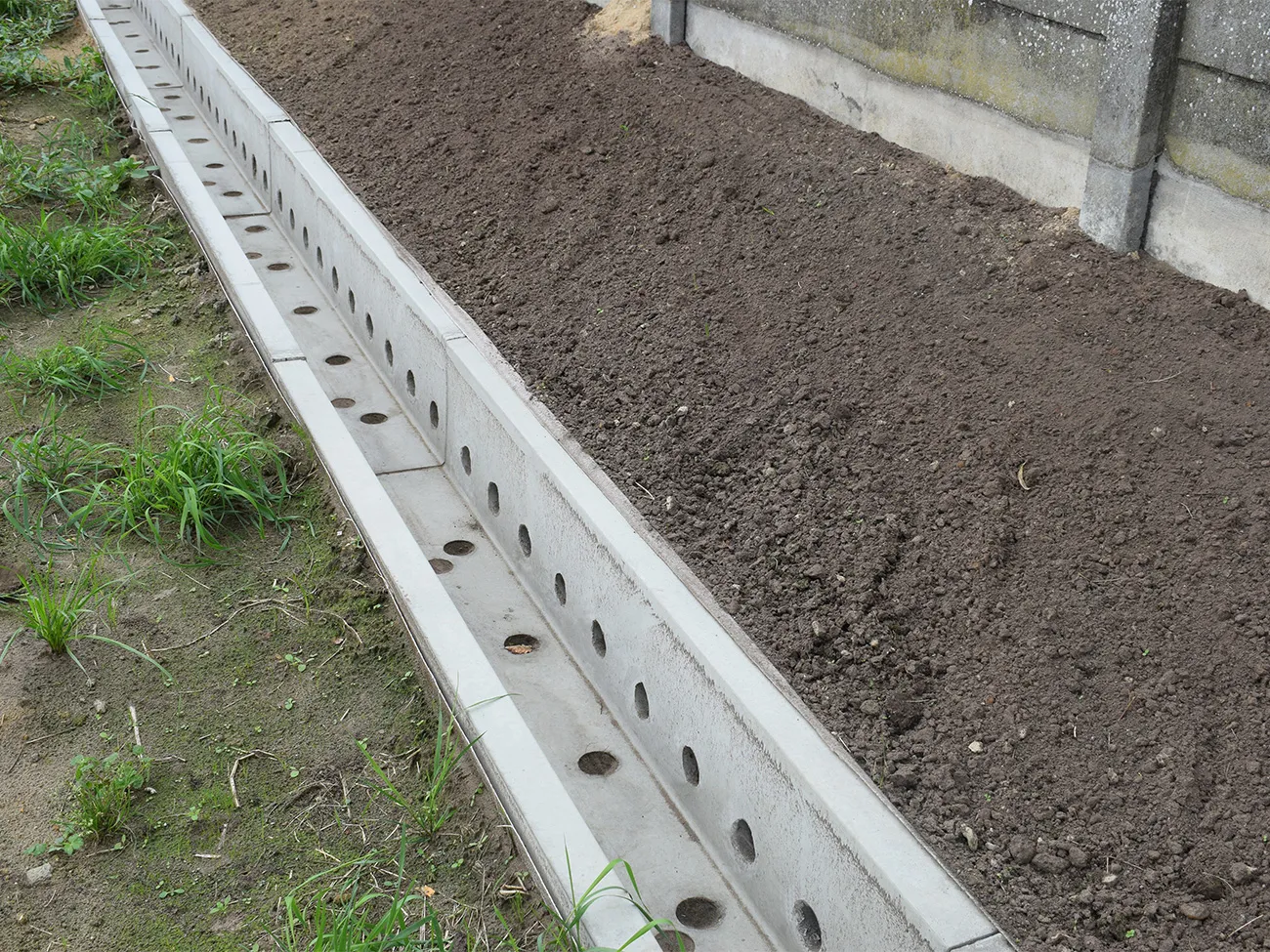
The difference between underground and open infiltration systems is, of course, clear. Alongside underground infiltration, achieved using, among other things, porous pipes, cellular drainage structures and drainage beds, there is also surface infiltration, which uses, for example, permeable surfacing, partially surfaced areas, infiltration through open joints, swales and drainage ditches. These systems have a very wide range of applications. Product certification for permeable systems and materials has been in place for some time, but even the best product must also be installed or used correctly. “The proper functioning of surface infiltration systems is essential to achieving integrated water management objectives and preventing flooding,” says Dorien Desmet. “And that is where things sometimes go wrong. These shortcomings are generally only discovered some time after the systems have been commissioned, once the work is complete, which inevitably leads to disputes. Like clients and contracting authorities, COPRO is a strong advocate of installation certificates.”
Disruption of the natural water cycle
In recent years, rainwater infiltration has become a topical issue, given the increasingly extreme weather conditions we are experiencing. Environmental permits most often call for rainwater to be stored at the surface and allowed to infiltrate. Over the past few decades, built-up areas, including buildings and paved surfaces, have increased considerably. This substantial growth has severely disrupted the natural water cycle, which allows rainwater to infiltrate the soil and the ground to act as a sponge. As a result, groundwater is no longer being replenished sufficiently, leading to periods of drought. At the same time, much of the rainwater falling on paved surfaces runs off into sewer networks. During rainy periods, this rainwater dilutes wastewater and results in large volumes of water reaching wastewater treatment plants (WWTPs). Not only is the wastewater not treated optimally, but WWTPs are also unable to cope with these large volumes of water.
Solutions to these problems start with limiting built-up areas as much as possible. Whenever a building is constructed or renovated, or a paved area is (re)developed, we should always ask whether we can achieve the same result with “a little less”. Allowing rainwater to infiltrate the soil again will create a more stable water balance, helping to address the problems mentioned above.
First steps taken
This installation certification will also help ensure that these good practices are implemented correctly. “The first steps towards certifying the installation of open infiltration systems have been taken. We are currently working on the technical requirements to be included. We are doing this in collaboration with clients, including sewerage authorities, as well as organisations such as the Belgian Road Research Centre (CRR) and FEBE, the Belgian federation of the precast concrete industry. Contractors will naturally also be involved in the next phase. A number of studies on surface infiltration have already been carried out, and other very interesting studies are under way. The most important thing at this stage is to reach consensus among all parties. In the meantime, we are also developing a planning tool to make implementation inspections as straightforward as possible and optimise data exchange. Developing a certificate of this kind is a lengthy process, but we are working hard on it,” concludes Dorien Desmet.
Een zakelijke vraag aan COPRO? Get in touch
Companies in this story
Keep following this
Get an email when a new story is published. No account needed.
- ThemeNew ways of building
- SubjectConcrete
- CompanyCOPRO







