Renovate better, renovate together: perspectives on a sector in transition
Texte Joaquim Dupont Photos Olivier Bourgi
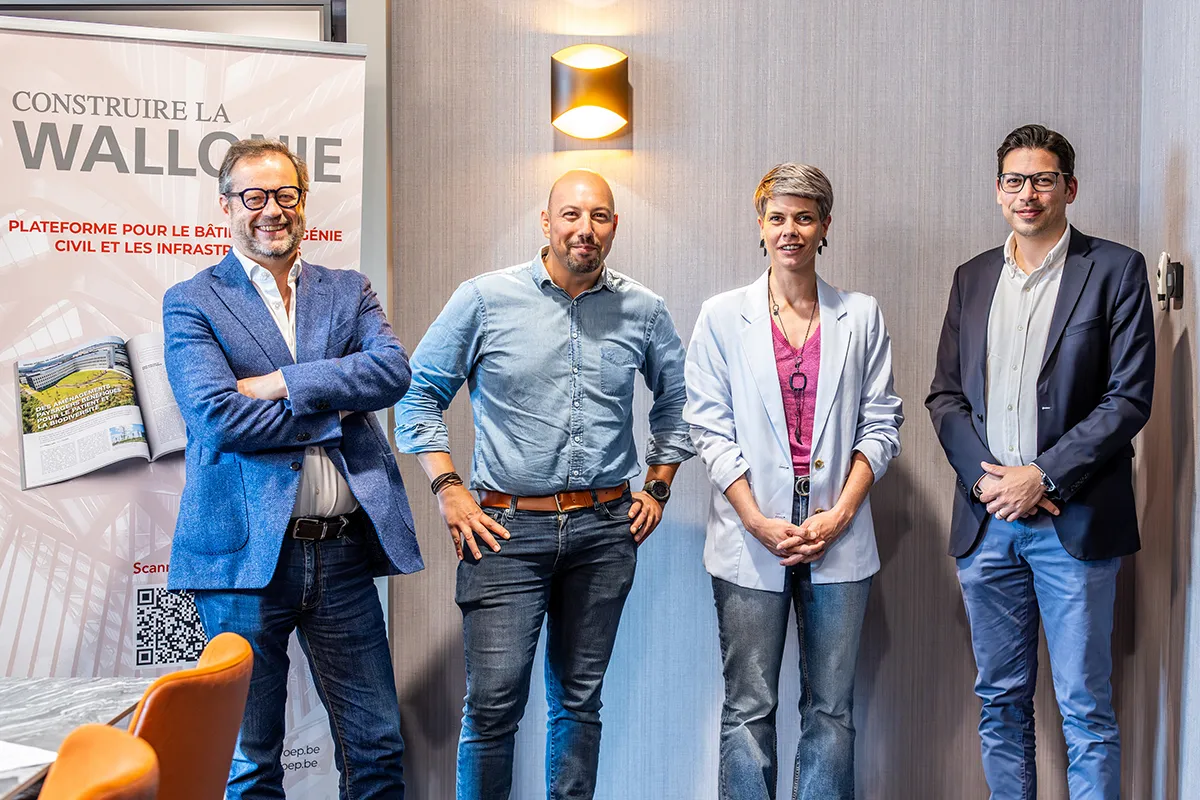
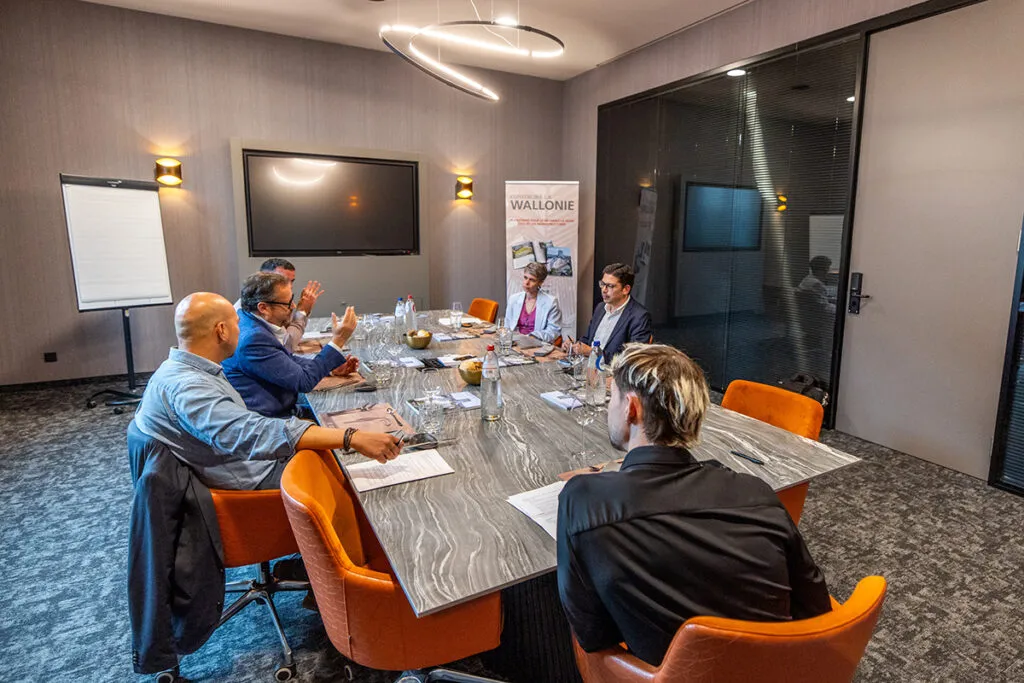
Wallonia needs to renovate at least 3 to 4% of its building stock every year to meet European climate targets, yet the current rate is stuck at around 1%. The obstacles are numerous: labour shortages, administrative burdens, economic uncertainty, households’ capacity to invest… It was against this backdrop that several industry stakeholders took part in a round table focused on sustainable renovation, bringing together economic perspectives, on-the-ground experience and architectural thinking.
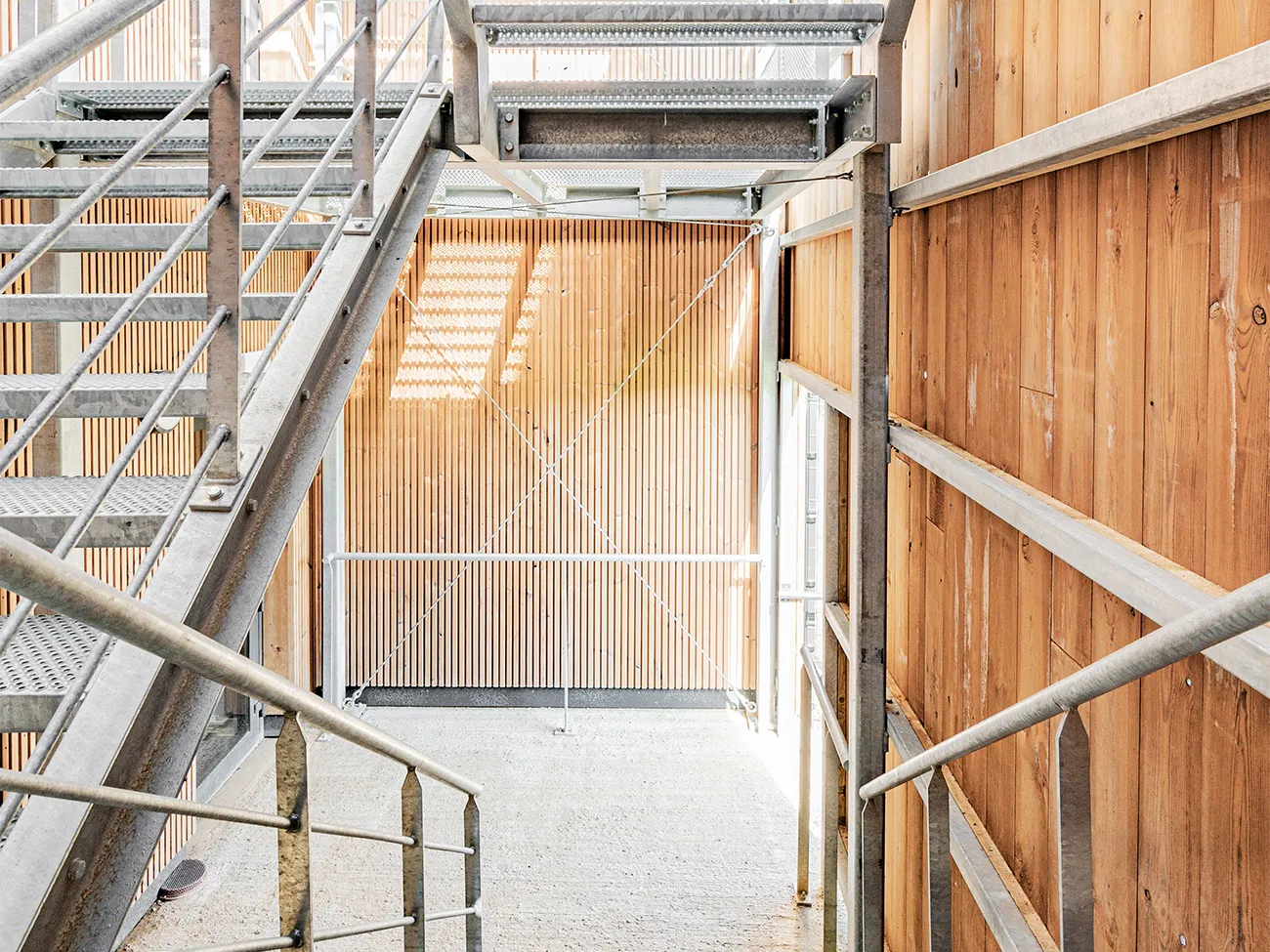
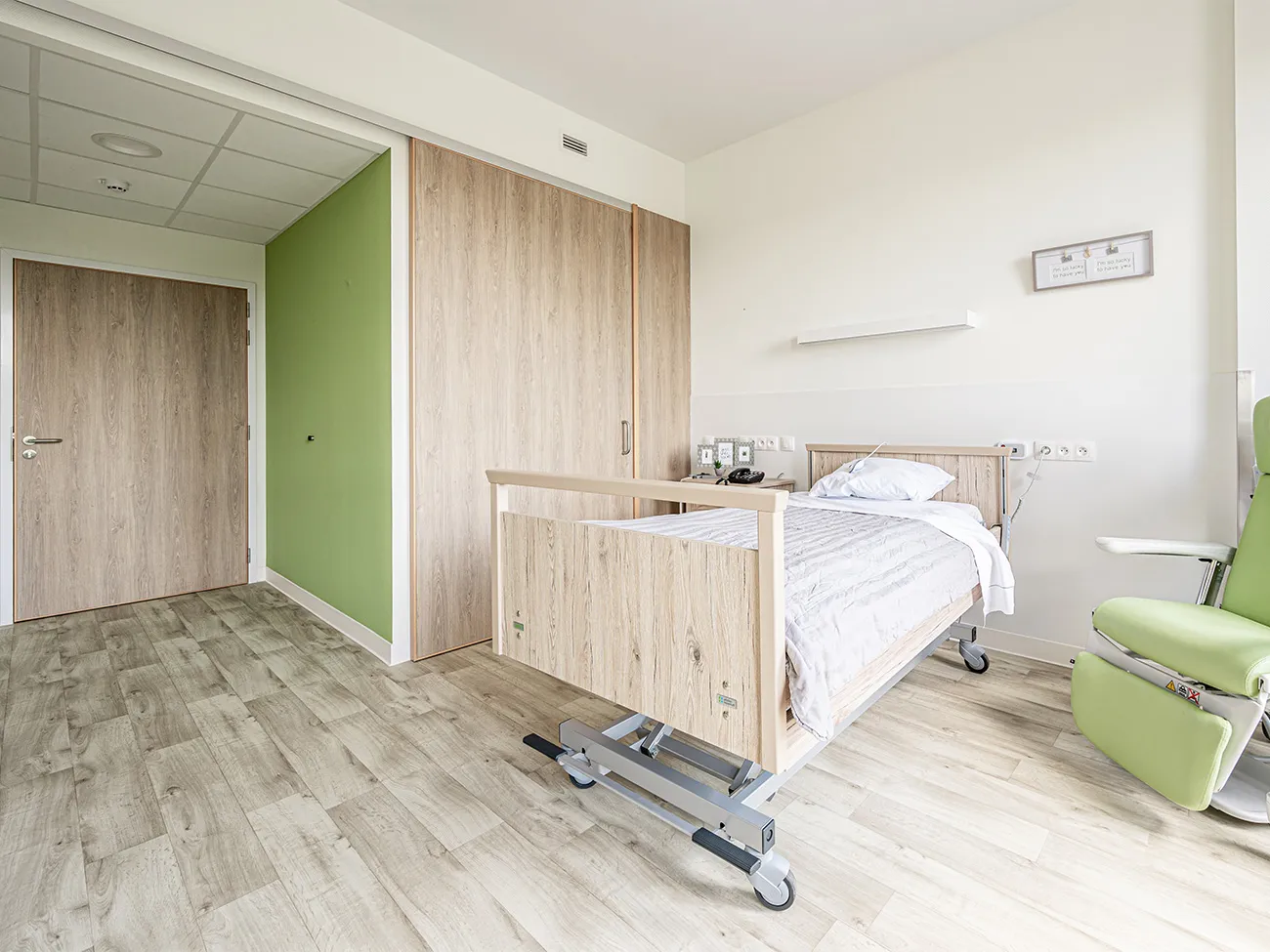
Brought together at the initiative of Construire la Wallonie, these diverse professionals, an architect, an economist, a contractor and a manufacturer, compared perspectives to identify ways to drive change. One conviction was central to the discussion: sustainable renovation is about more than achieving a measurable level of energy performance. It requires cultural, structural and collective change.
Energy renovation: European targets and on-the-ground realities
From the outset, the discussion highlighted the challenges posed by the new European standards. The Commission is calling for a zero-emission building stock by 2050, with interim targets for homes: a reduction in energy consumption of 16% by 2030 and 20 to 22% by 2035. Among the proposals discussed for meeting these targets, some voices, including economist Salim Chamcham (Embuild Wallonie), called for a robust legal framework inspired by the Flemish model. This would make certain property transactions conditional on meeting a minimum energy performance standard, prompting renovations at the key point of sale.
In his view, this kind of measure would also help rebalance the property market, where highly energy-intensive homes continue to sell for high prices. At the same time, he stressed the need for strong support through grants, tax incentives, preferential interest rates and tailored advice, arguing that an obligation without incentives would be doomed to fail.
Making the most of existing buildings: heritage constraints and new uses
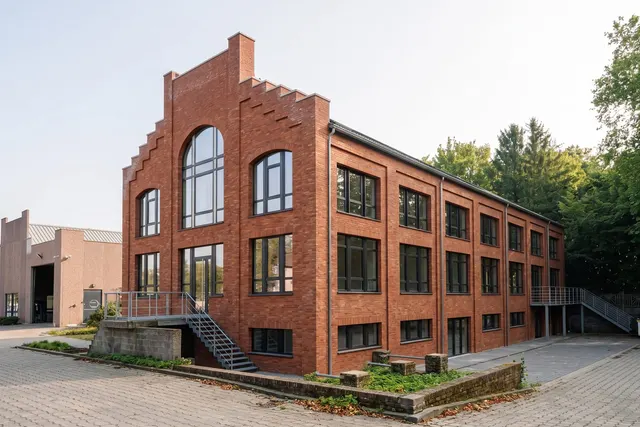
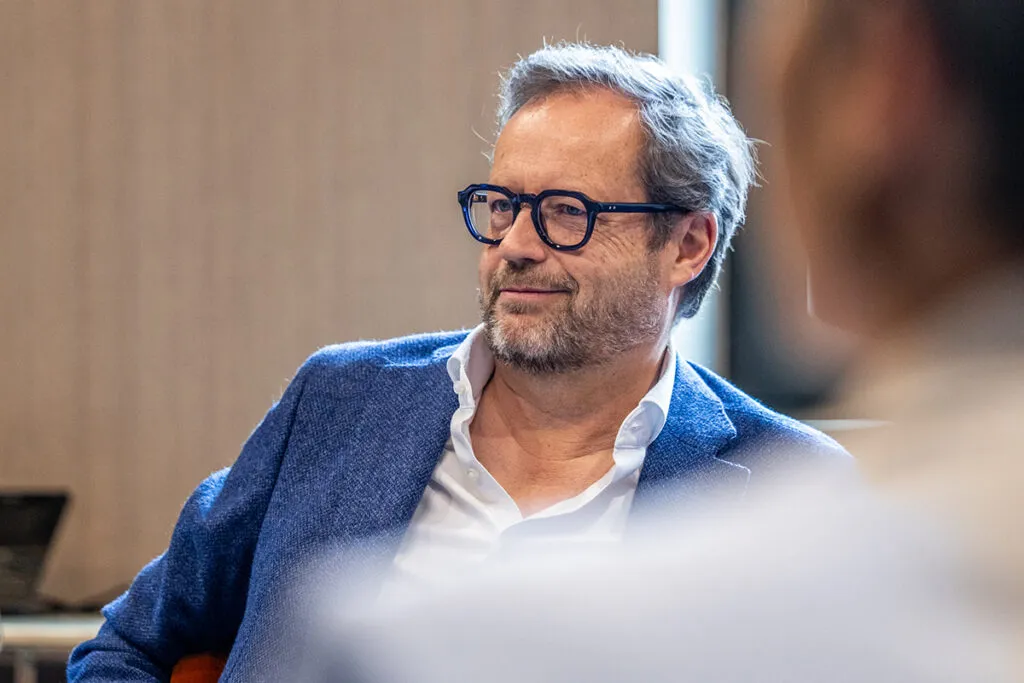
But energy performance cannot be the only criterion. Guy Standaert, a partner architect at assar architects, called for a more nuanced approach: “Renovation cannot be approached as a standardised process. Every building embodies a construction intelligence of its own. We need to recognise it and build on it.”
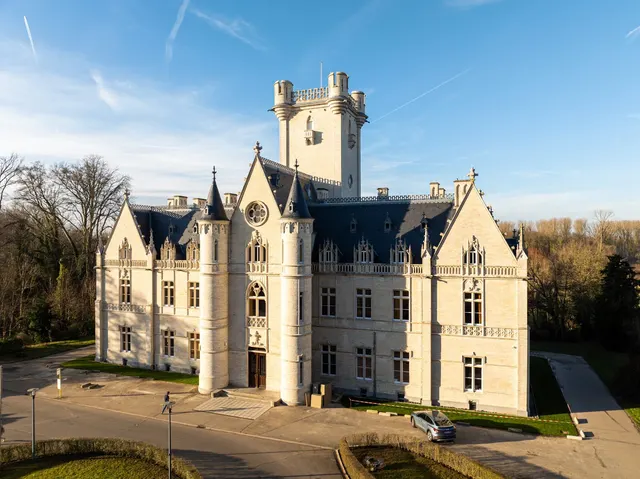
This context-specific approach is all the more crucial for heritage buildings. Where aesthetic or technical constraints rule out certain forms of insulation, other solutions must be found: internal insulation, slim double glazing or changes to how the building is used. “The issue is not just thermal, it is also societal,” Guy Standaert continued. Libraries are becoming digital resource centres, while offices are evolving into coworking spaces. These changes can justify, support and even spur renovation.
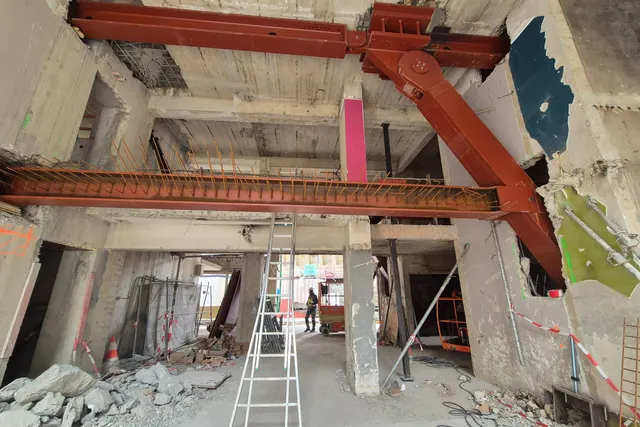
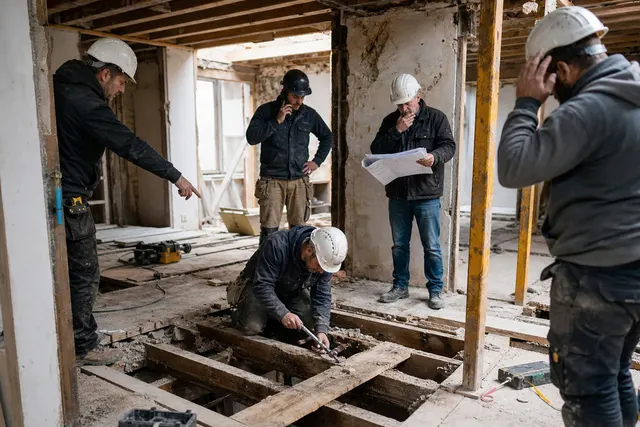
Karim Bentebbouche, project manager at BPC, illustrated the point with practical examples, highlighting the contribution of digital technologies. “Point clouds now allow us to produce an extremely accurate 3D survey of existing buildings,” he explained. Laser scanning can generate a complete image of a structure, from elevations to the smallest geometric details. “Screening, provided it is carried out after the building has been stripped out, is a real asset on any construction project: it helps avoid nasty surprises during the works and, above all, enables faithful modelling that reflects the complexity of the existing building.”
Reuse and forward planning: towards a circular construction economy
Innovation also means reusing materials. But here too, participants highlighted the structural barriers to putting it into practice. Karim Bentebbouche described the repurposing platform developed by his group: ∂
“We have set up a system to store and redistribute unused or dismantled materials, which we have named Bazaar. Initially, it was an internal tool, but it is now open to the public. Bazaar helps inspire people and redistribute unused or dismantled materials. Facade stones, gratings, bluestone kerbs, floor slabs… everything is meticulously catalogued, sorted and stored.”
But this system remains the exception, and its effectiveness depends largely on the ability to organise systematic dismantling from the very start of a project. “Exploratory dismantling needs to be allowed even before a permit application is submitted. Today, it is prohibited. But without these assessments, we are working blind,” he said.
Reuse also requires new skills: specialists in sorting, packaging and logistics. These roles remain in short supply. Guy Standaert agreed: “We need to train specialists who can document material stocks, ensure traceability and check compliance. This is not just a technical issue, it is a new profession.”
Labour shortages: attracting new talent to scale up
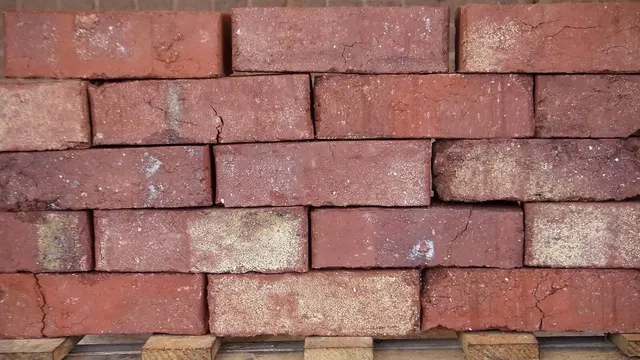
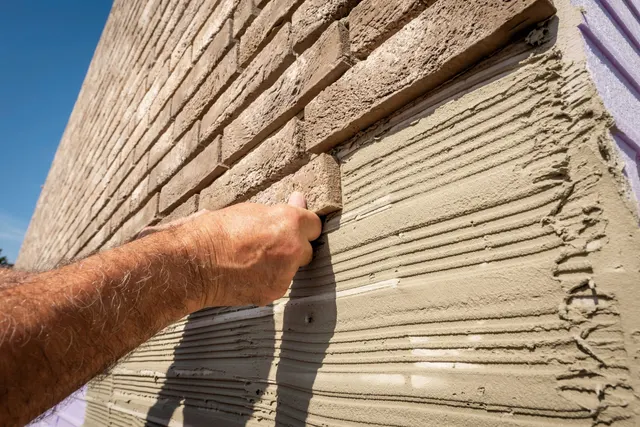
Labour shortages are one of the most frequently cited barriers. Mélanie Furnémont (Briqueteries Nelissen) encounters the problem every day: “Our integrated insulation systems perform well, but are rarely installed. There aren’t enough trained workers, and technical training is lagging behind.”
She also pointed to the sector’s image problem, particularly among young people: “In some schools, construction is still seen as a dead-end option. We need to raise the profile of these trades and show that they combine technical expertise, sustainability and innovation.”
The situation is all the more worrying as technical requirements continue to rise. Karim Bentebbouche added: “Renovation work is not like new-build. You need people who can interpret, adapt and understand the structural logic of existing buildings.”
Coordination, complexity and the “bouwteam”: a smoother supply chain?
Renovation is often more difficult to plan than new-build construction. It involves surprises, adjustments and extensive coordination. The “bouwteam” approach, which brings designers, contractors and clients together from the start of a project, is one possible answer. But opinions are divided. Guy Standaert is cautious: “The bouwteam can become an excuse to iron out creativity and impose a cost-driven approach at the expense of architectural quality.” Karim Bentebbouche takes a more balanced view: “When properly structured, the bouwteam can actually help with forward planning. But the requirements need to be clear from the outset in the tender documents.”
Mélanie Furnémont, for her part, cited a high-profile project where coordination failed: “On a major project, poor installation led to 6000 m² of façade being dismantled. The products were good, and so were the intentions. But the conversation did not happen at the right time.”
Could the answer lie at local level?
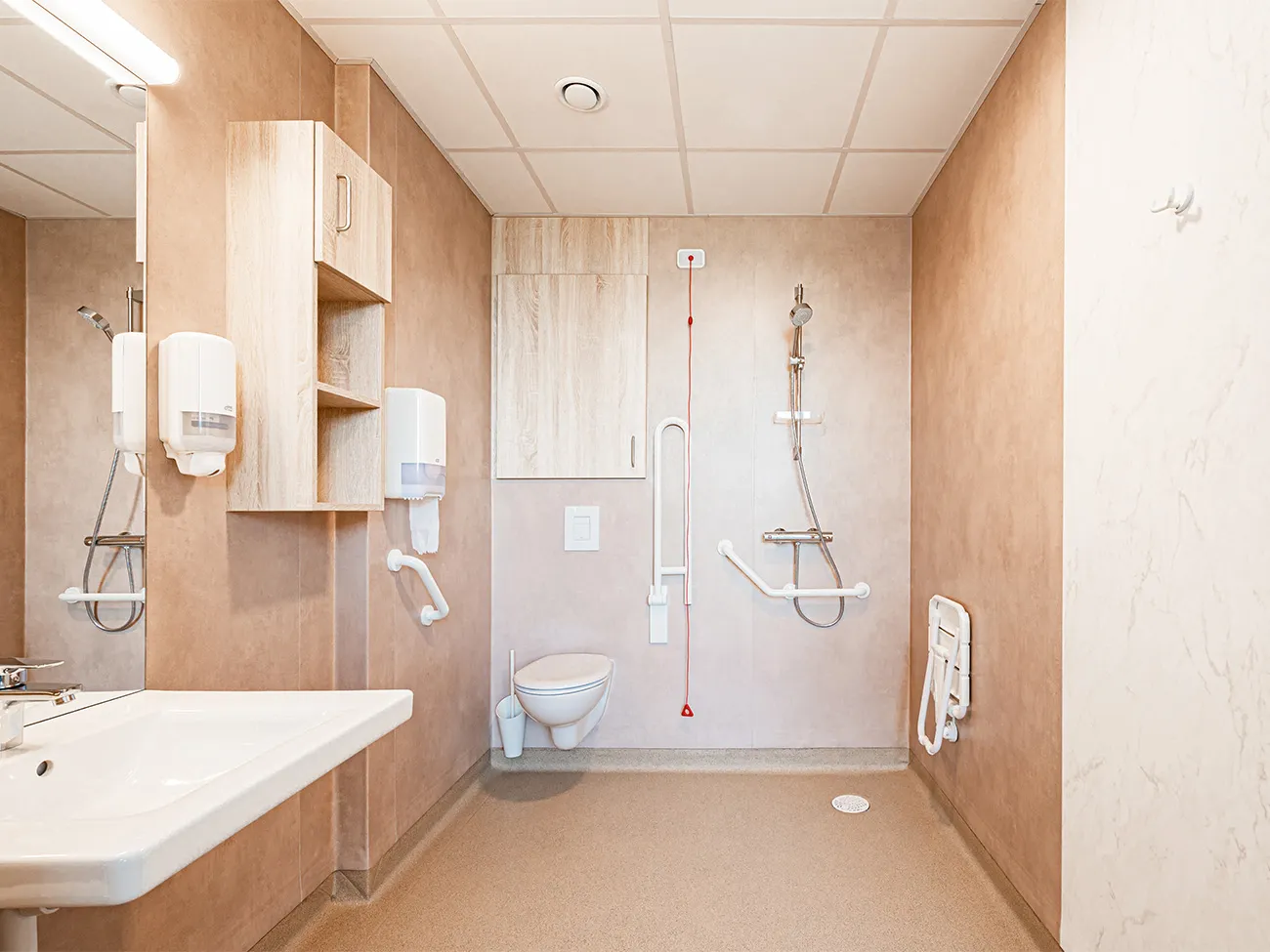
For Salim Chamcham, the answer also lies in scaling up in a way that reflects local circumstances. He cited a pilot project in Braine-l’Alleud, backed by the sector (Embuild Wallonie, Buildwise and GreenWin) and the Walloon Government, called “RENO+”: “The idea is to propose a programme of coordinated renovations across a neighbourhood. For example, we might start with 30 roofs that need replacing. This creates a collective momentum, simplifies things for businesses and cuts costs.” It is worth noting, however, that the works carried out as part of this pilot project did not require planning permission, which made things easier for those involved.
Every resident who joins the “train” receives support and advice, and is directed towards suitable technical and financial solutions. “It is an effective model, provided it receives political backing during its start-up phase,” Salim Chamcham stressed. The programme also includes tailored support through the SIARE system (Service intégré d’Accompagnement à la rénovation énergétique).
This collective approach also responds to a human reality. “Renovating on your own on a run-down street is demoralising,” Guy Standaert explained. “But when there is neighbourhood momentum, you enter a
virtuous circle.”
Conclusion: reinventing the supply chain and picking up the pace
All the participants agree: the current model is no longer enough. We need to renovate better and faster, but above all, more intelligently. That means digital tools, clear legislation, targeted financial incentives, greater recognition for manual work and modernised training.
Or, to conclude in Salim Chamcham’s words: “Sustainable renovation is not a luxury, it is a social and climate necessity. And it is not the responsibility of any one stakeholder. It is a collective undertaking, in which every link must evolve in interaction with the other players in the renovation ecosystem.”
Question about this story? Ask your question
Companies in this story
Keep following this
Get an email when a new story is published. No account needed.
- ThemeRenovating existing buildings
- SubjectRenovation
- CompanyBriqueteries Nelissen