Surveying as the common thread running through a rail project in Ath
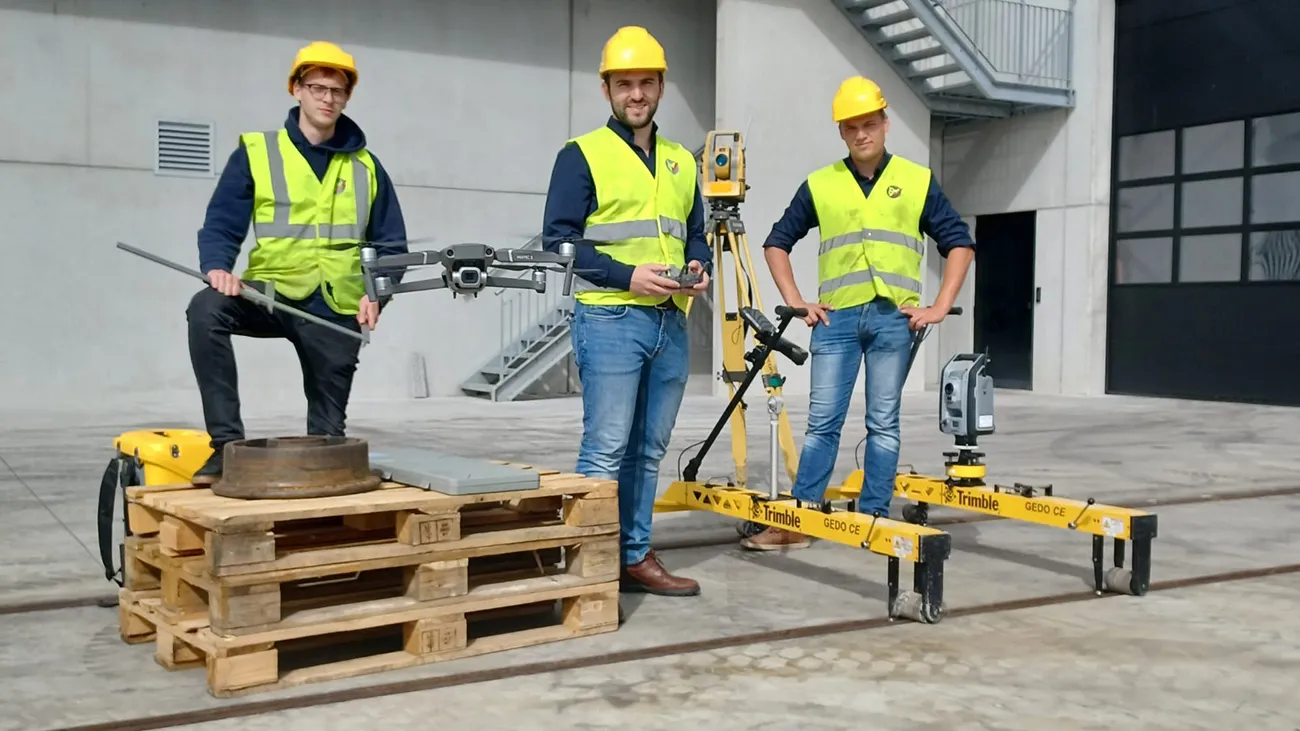
Signalling, track laying, overhead line equipment… For several decades, De Witte-Vandecaveye has established itself as a reliable, one-stop partner for railway works. Since 2017, the company, based in Wingene, has also been carrying out surveying work. “The surveying team is often involved from the start right through to the end of the work,” explains Edward Depuydt, head of surveying at De Witte-Vandecaveye. This was also the case on this rail project in Ath, carried out for Infrabel.
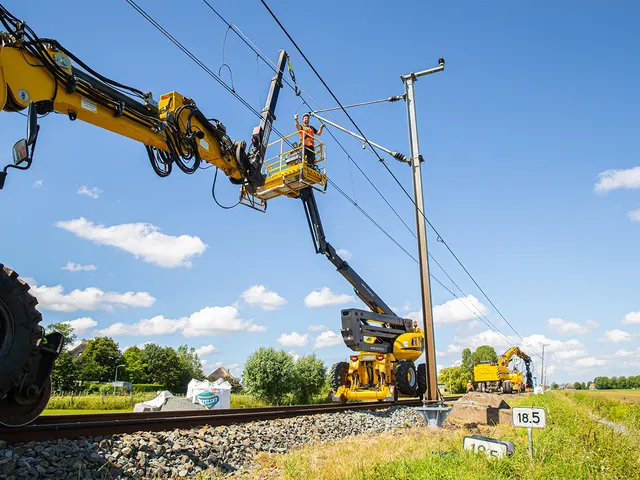
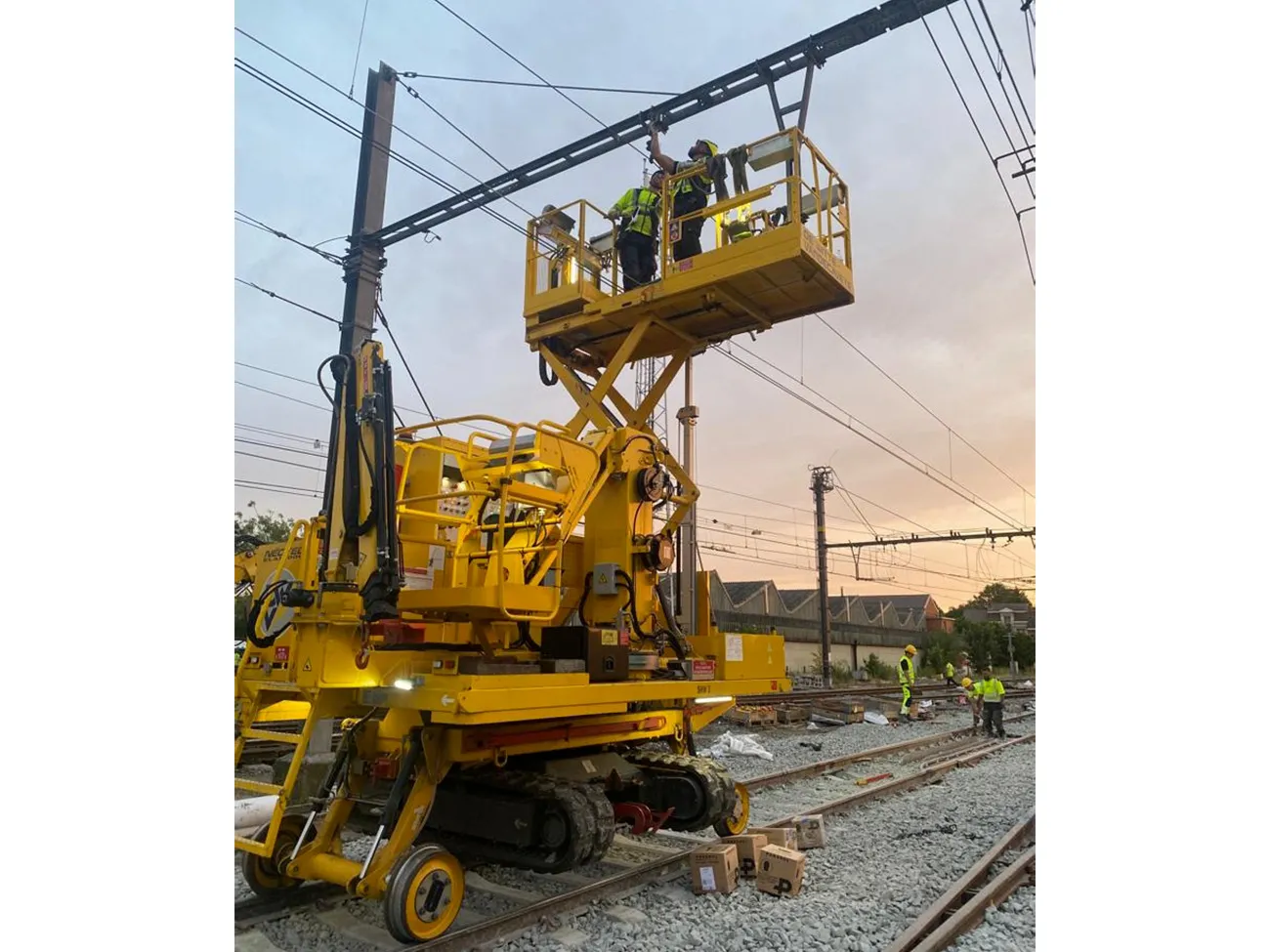
For railway works, De Witte-Vandecaveye focuses on the complete installation of signals along railway lines, the installation of overhead line equipment and the construction of new track beds, tracks and track equipment. It always uses the latest techniques, with its own staff and equipment. In recent years, surveying has been added to its range of services, enabling De Witte-Vandecaveye to deliver rail projects from A to Z in-house. This provides the flexibility clients expect at every stage, from preparation and execution through to handover.
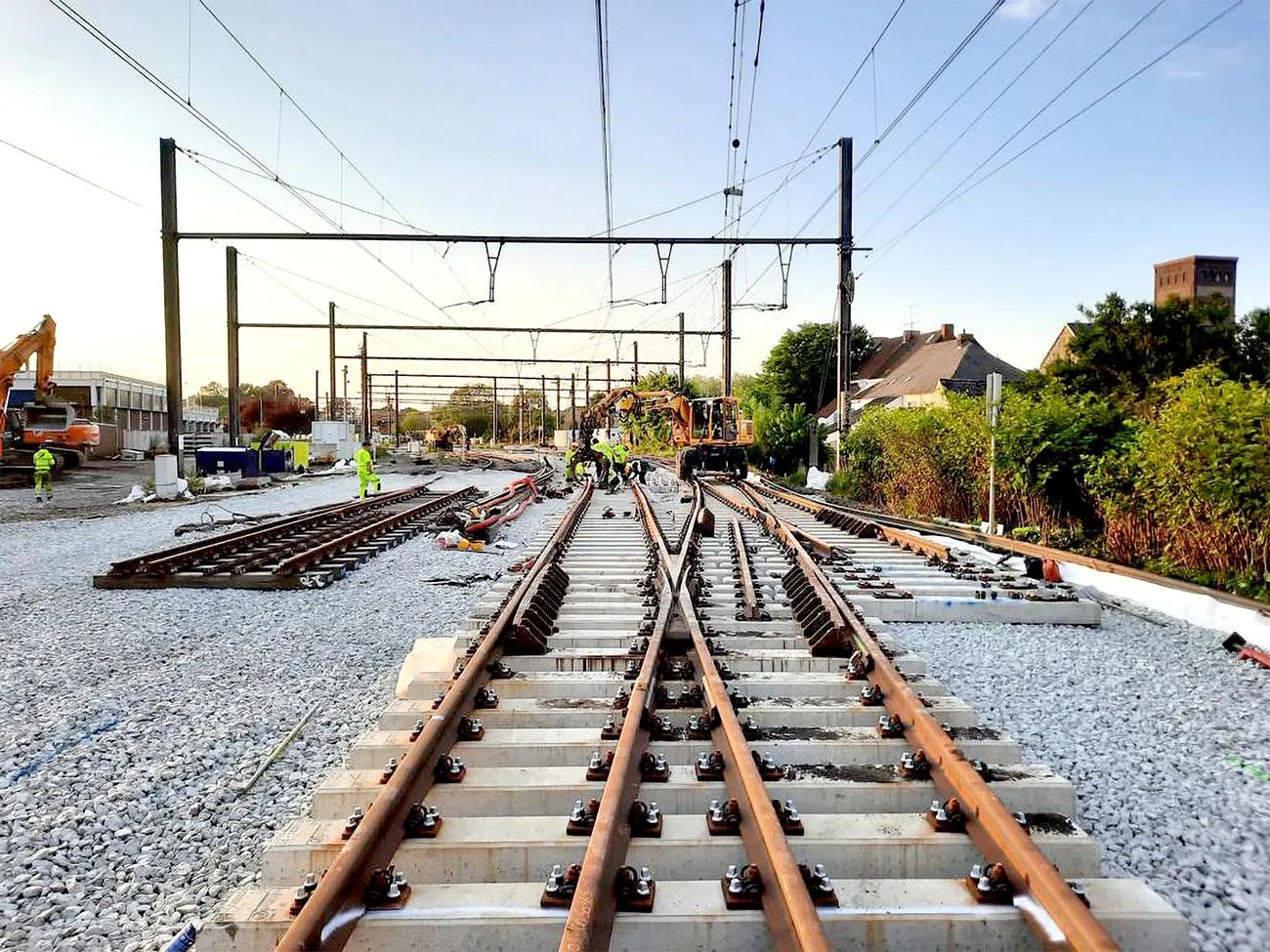
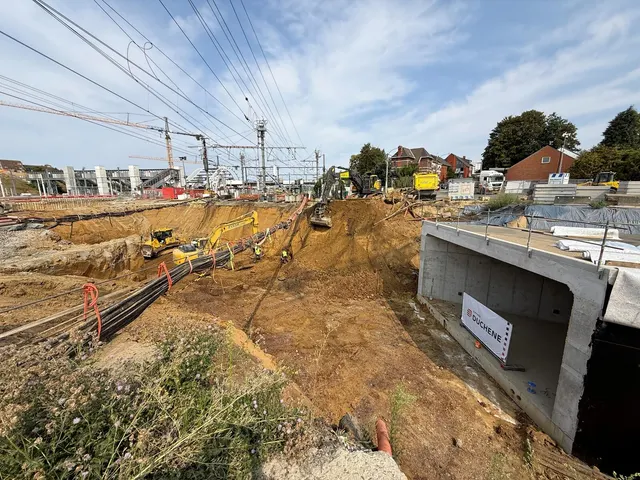
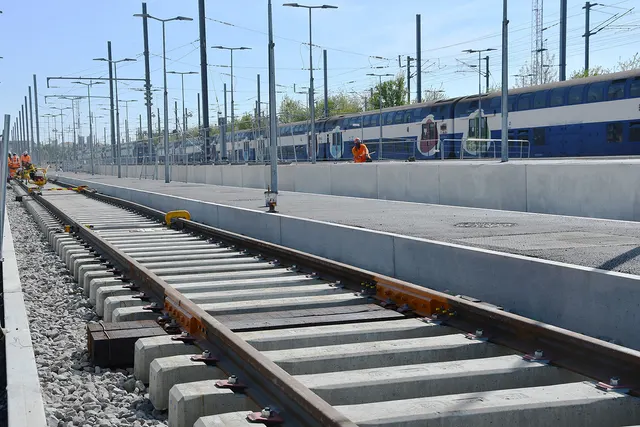
The renewal of the railway in Ath is a good example of such a turnkey project completed by De Witte-Vandecaveye. “The focus was on renewing the points, but the tracks were also renewed, the signalling was replaced and new overhead line equipment was installed. We also handled the surveying,” explains Dries Van Wanseele, division manager at De Witte-Vandecaveye. “We are one of the few contractors in Belgium able to install points in full compliance with the requirements. These points are manufactured in-house by Infrabel in Bascoup and transported by rail to the site where they are installed. We can lift points weighing up to 30 tonnes and measuring 30 m in length in one piece, then lower them into the excavation.”
In-house from A to Z
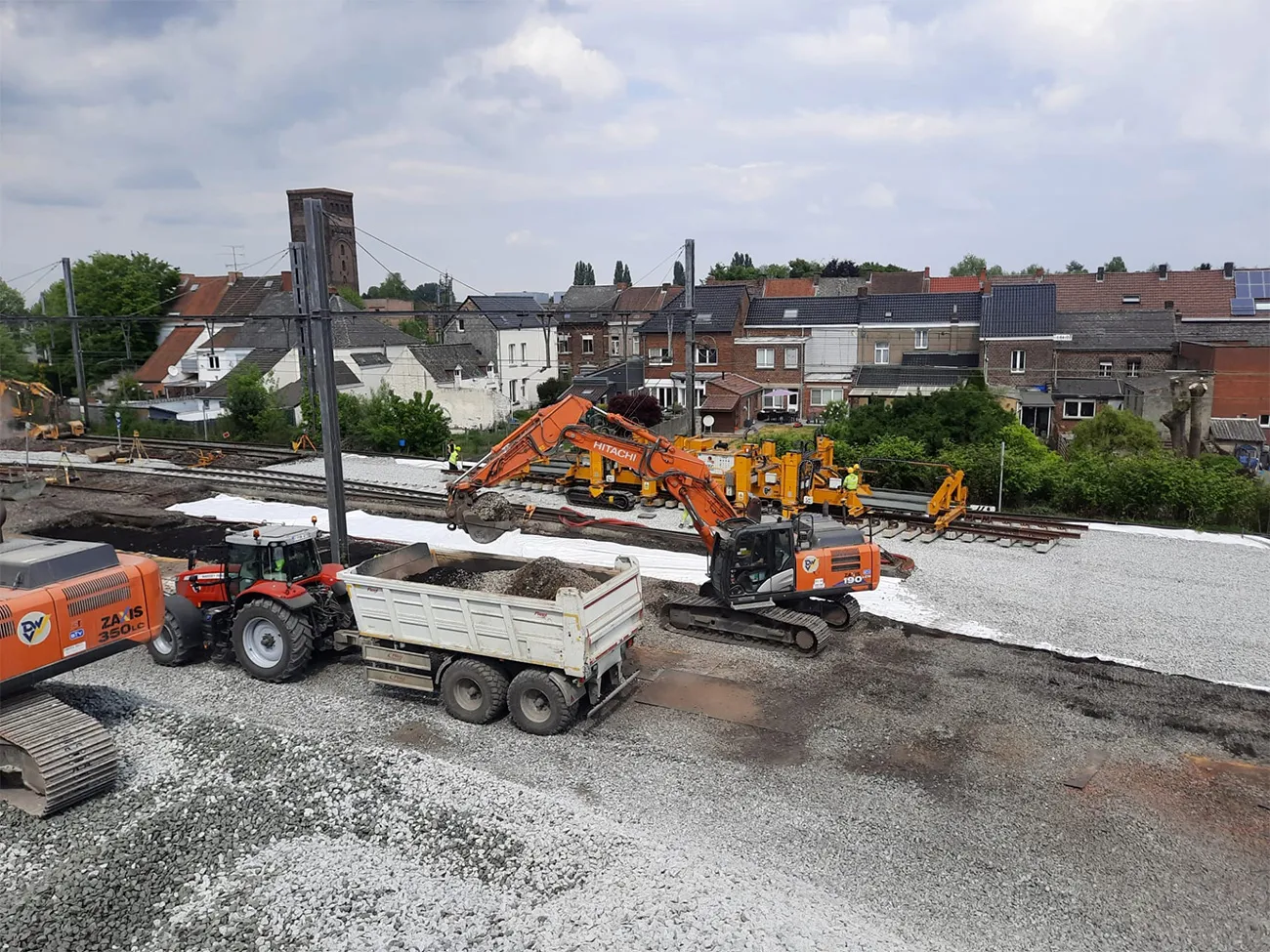
De Witte-Vandecaveye also has its own staff for signalling and overhead line works. The works themselves always took place at weekends during a total line closure (CTL). Dries Van Wanseele: “The project in Ath was completed in about six weeks. It was a tailor-made project for De Witte-Vandecaveye. From Monday to Friday, we carried out the preparatory work, then started cutting the rails on Friday and got as much work done as possible by Monday morning. Being able to handle everything in-house from A to Z is unique in Belgium. This represents significant added value for the client, as they have a single point of contact. It is also an advantage for us, because effective internal communication allows us to resolve problems quickly and flexibly.”
Think ahead and adapt
De Witte-Vandecaveye’s decision to take on surveying as well is the icing on the cake in terms of flexibility. This means all the data is immediately available in-house. “We are all pulling in the same direction, and above all, we do it together,” stresses Edward Depuydt. “The measurements immediately show us the possible implications for the work ahead, and thanks to our short lines of communication, we can quickly make the necessary adjustments. We contribute our thinking from start to finish and look beyond the measurement results. You do not get that kind of assurance when you outsource surveying. By handling the surveying ourselves, we can anticipate issues before the track is actually in place. We also measure the entire route, including the existing situation to which the new tracks will be connected. In addition, we always take two measurements: one of the absolute position and one when the tracks are under load from our tamping machine. This measurement must also remain within tolerance.”
As-built plan
The surveying team’s involvement in the project from start to finish can be taken literally. “It starts with the earthworks. When we measure the track in the initial phase, we look for potential issues. Is a sub-base needed? Do we need to allow for a gradient? Everything is precisely determined and prepared, so that during the works the machine can be relied on completely, operating to the surveyors’ models. A surveyor is also on site at all times to monitor everything closely and check the various levels. Time during a CTL is always limited, so the margin for error is very small. At the very end of the project, we also finalise an as-built plan for the client. A wealth of data is therefore available throughout the project and afterwards. As a result, the surveyor is often the first and last person involved in the project,” concludes Edward Depuydt.
Question about this story? Ask your question
Keep following this
Get an email when a new story is published. No account needed.
- ThemeTransforming infrastructure and territories
- SubjectRailway works