Circular water management for the cities of the future
The consequences of climate change are becoming increasingly clear and painful. Torrential downpours and prolonged periods of drought and heat are ravaging our natural environment, cities and villages. Our cities were once designed to drain water away as quickly as possible, leaving them ill-equipped to cope with a changing climate. The city of the future is a climate-resilient city. Wavin recognises this and is positioning itself as an innovative supplier of systems for a safe and efficient water supply, improved sanitation and hygiene, climate-resilient cities and higher-performing buildings.
With a presence on several continents, Wavin supplies innovative solutions for the construction and infrastructure sectors. Drawing on more than 60 years of expertise, the company is equipped to tackle some of the planet’s greatest challenges. The multinational aims to help build urban resilience around the world, and in 2020 set itself a clear mission: to build healthy, sustainable environments.
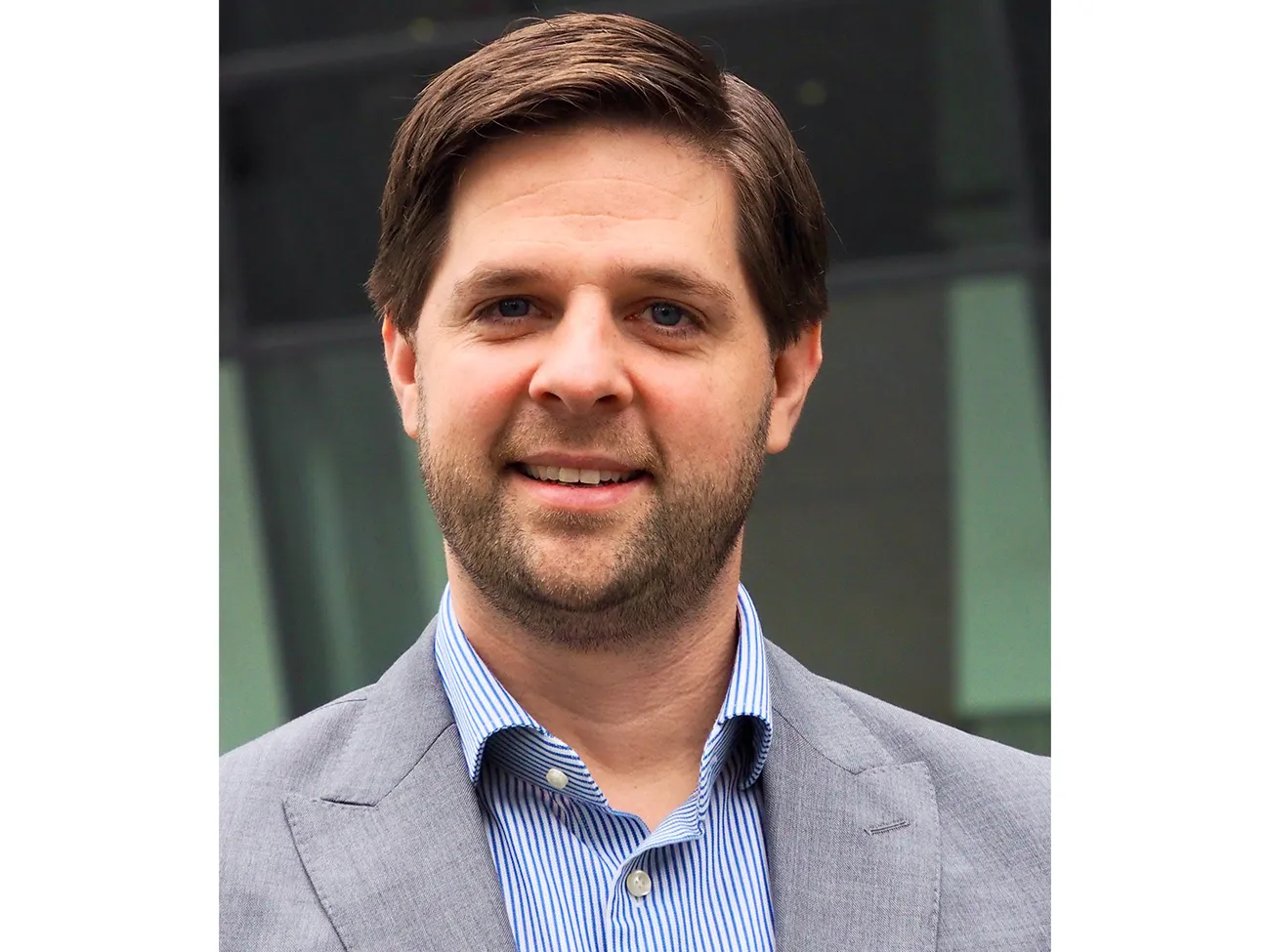
“This mission sums up our sustainability strategy,” explains Wilco Otte, Global Sustainability Director at Wavin. “How do we cope with climate extremes? How can we best collect rainwater during extreme rainfall? How can we retain water and keep nature alive during prolonged periods of drought and heat? These are questions Wavin grapples with every day too. For example, we developed QuickStream, the optimal solution for draining rainwater from the complex roofs of large buildings. QuickStream drains water more quickly during heavy rainfall. We are also developing green roofs. These not only have a positive effect on temperatures in densely populated areas, but also promote biodiversity. As a sustainability expert, that matters a great deal to me.”
TreeTank®
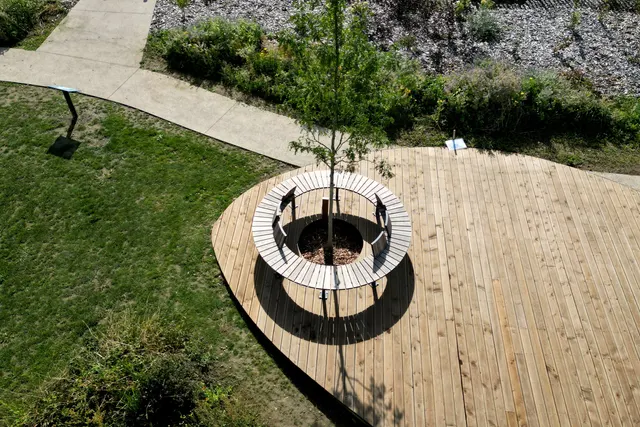
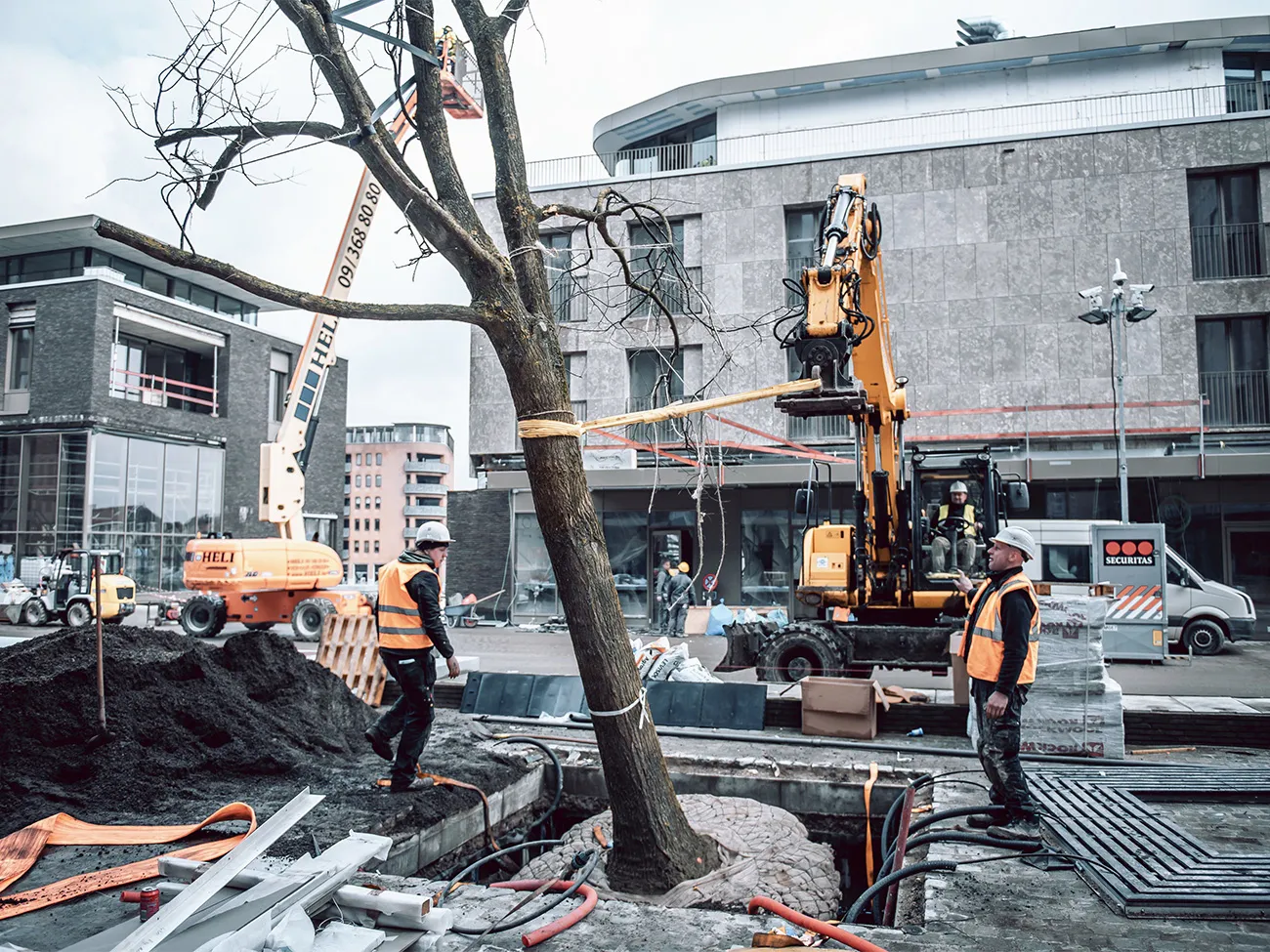
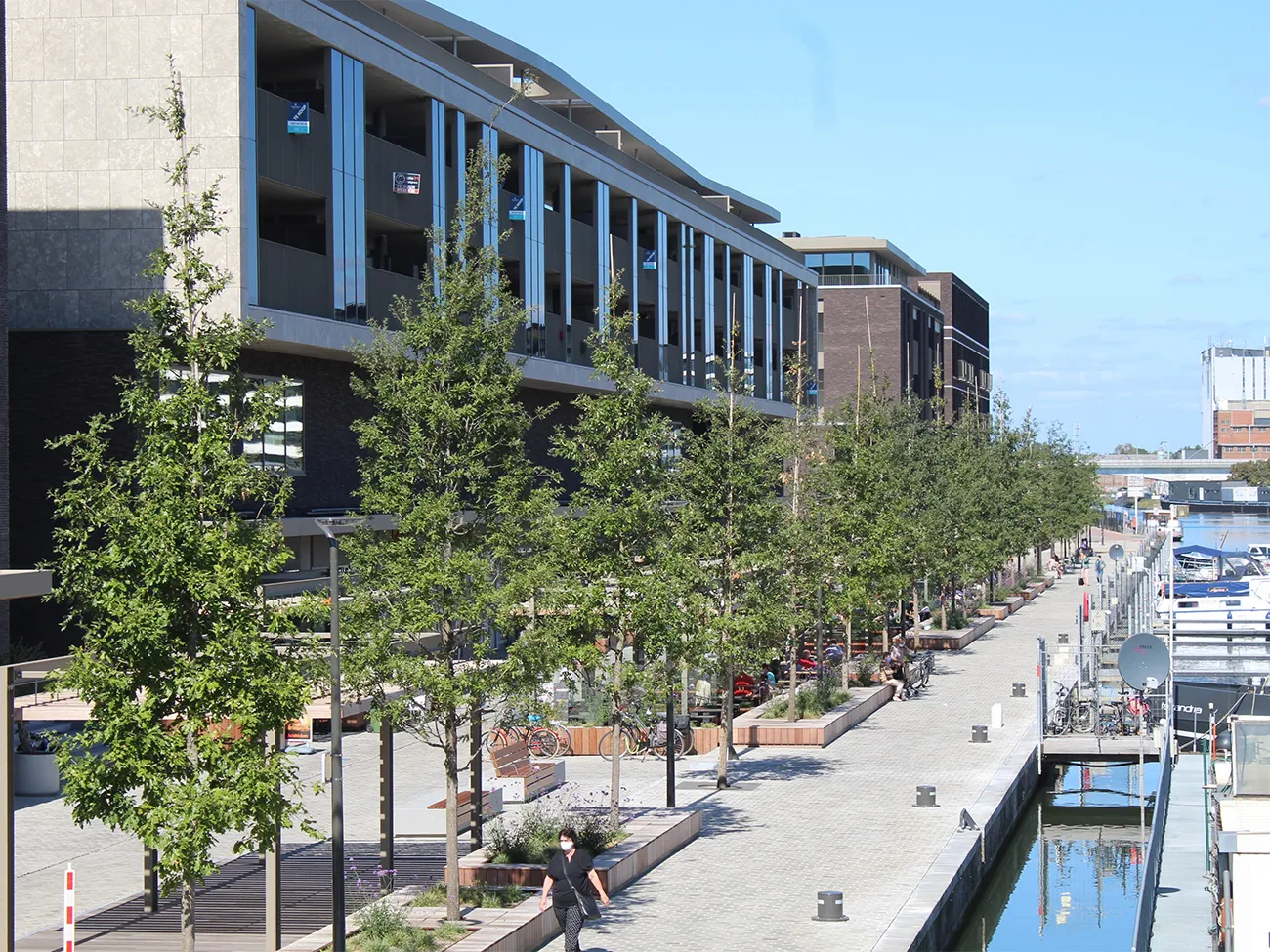
With its new mission, Wavin is committed to continuing to develop smart products for cities. One good example is Wavin TreeTank®, which helps make cities greener. The first pilot project, involving 86 trees, was carried out in Hasselt in 2019. TreeTank® enables trees to thrive and prevents their roots from damaging road surfaces by creating ideal conditions for root growth, providing the necessary raw materials and nutrients, oxygen and water. A hole is dug at the planting location and fitted with Q-Biq Plus plastic crates. The tree is placed in the centre, and the remaining space is filled with substrate. The tree is anchored to keep it stable. Alongside substrate, water and oxygen are also essential for tree growth: drainage pipes carry them to the roots.
Sustainability in our DNA
How much of Wavin’s talk about sustainability is ideological? Wilco Otte: “Sustainability is in Wavin’s DNA, as is corporate social responsibility. And our outlook extends far beyond nearby cities and villages. For example, we have projects in Bogota, Colombia, where we are equipping local gardens with our products. In São Paulo, we supply materials to make sanitation possible. And this is nothing new: 30 years ago, we set up a factory in a municipality in Colombia, which now employs 94% of the local population. We are also taking important steps internally. In the Netherlands, for example, many employees already drive electric vehicles, and our goal is for all our vehicles in Europe to be electric by 2025. We are also installing smart lighting in all our factories. Digitising our products and developing new service models are also high on our agenda. For example, our smart gullies monitor water levels and blockages in real time, helping to avoid unnecessary inspections. Wavin contributes to the circular economy in various ways. And for the past few years, we have been doing so in an even more structured way, guided by six programmes: innovation, environmental impact, the circular economy, social inclusion, reporting and public affairs.”
Public debate
Wavin also wants to play a part in public debate. This means starting a dialogue with cities, municipalities, property developers, NGOs, engineers, scientists, installers and contractors around the world to work together to solve the challenges of our time. “In the Netherlands especially, but also in Belgium, we are seeing more and more public tenders focused on sustainability. And Wavin has a great deal to offer in this respect. We are also seeing governments introduce more and more regulations, but unfortunately these do not always reflect reality. Of course, this is a long-term process that requires all parties to make it work.
Not every city has recognised the urgency of the situation. Either they lack the right tools to develop a climate adaptation plan, or they simply have other priorities. But the trend is irreversible. Circular, climate-resilient water management is the only way forward for cities,” concludes Wilco Otte.
Question about this story? Ask your question
Keep following this
Get an email when a new story is published. No account needed.
- ThemeBuilding with less carbon
- SubjectPublic space