The right conditions and substrates for high-performing green spaces and effective water management
Texte Niels Rouvrois Photos Acterra
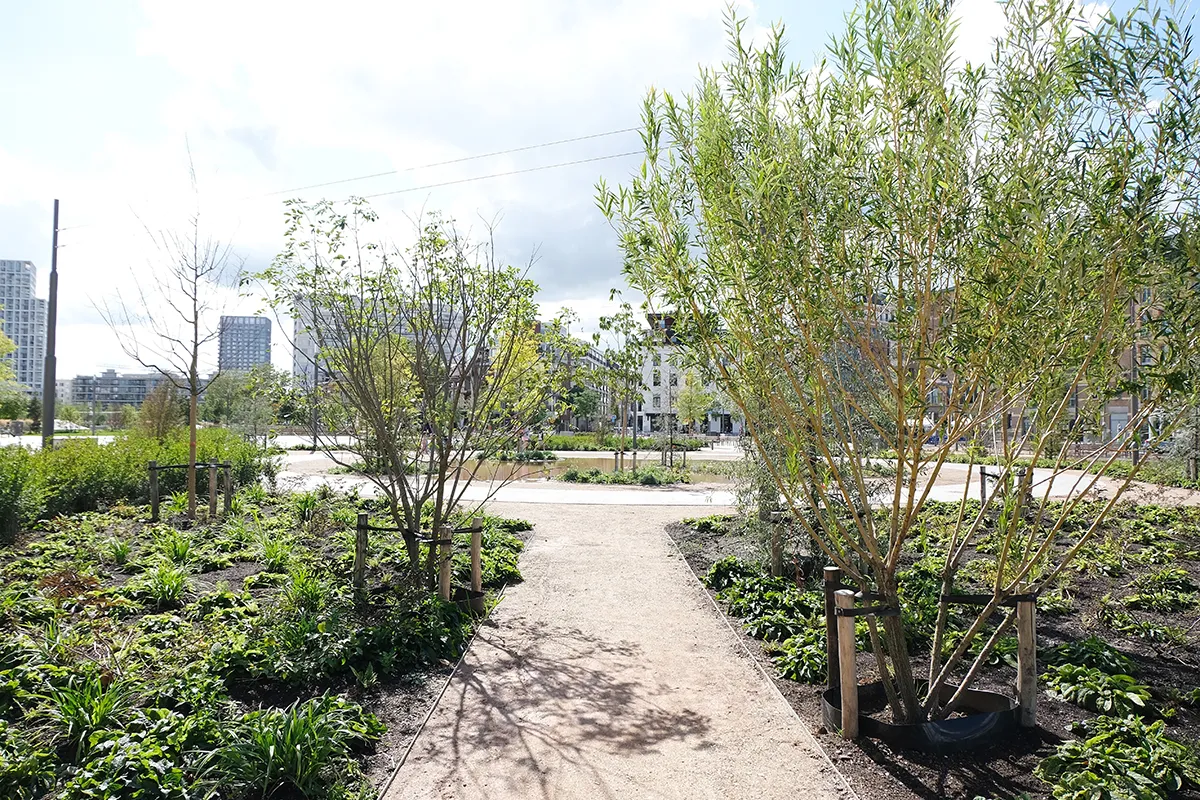
Climate change and increasing urbanisation inevitably bring new challenges for water management and the integration of vegetation into public spaces. According to Bart Geerts, manager of the “soil creator” Acterra, one effective solution is to combine rainwater management and green cover intelligently, for example through rooftop gardens or other green infrastructure.
Rainwater management is becoming increasingly important, particularly in urban areas where impermeable surfaces prevent sufficient water infiltration. Incorporating vegetation into urban and infrastructure projects is now more the rule than the exception. For more than 20 years, Acterra has been producing high-quality planting substrates for gardens and public spaces, as well as infrastructure works. Bart Geerts emphasises the importance of water retention at the design stage. Here, water retention means storing water directly on the roof and using it for vegetation. One example is the redevelopment of the Gedempte Zuiderdokken in Antwerp, where Belgium’s largest water-retention roof was built.
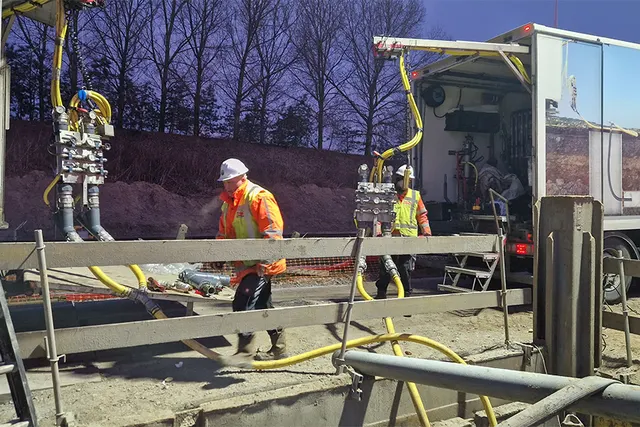
For this project, Acterra supplied TerraViva® 450 sandy tree substrate, various planting substrates and a substrate for helophytes, namely a clay-silt mix. It also developed a bespoke substrate for the project, consisting of 50% carbon-rich sand mix and lava. Bart Geerts says: “Simple techniques can be used to direct water towards the substrate, encouraging the growth of greenery that provides cooling. In addition to its aesthetic and temperature-regulating benefits, this approach contributes to biodiversity. Using suitable substrates made from locally sourced materials creates a better environment for plants and animals. We have now also moved away from conventional substrates (lava), focusing instead on mixes made from ingredients available close to our production sites.”
Rainwater regulations
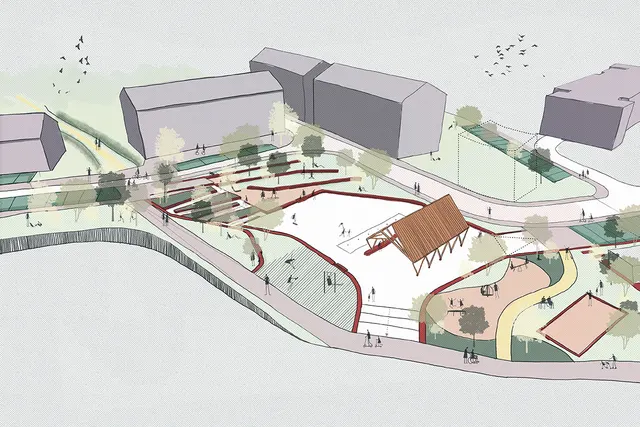
The 2023 regional rainwater regulations stipulate that new projects must retain and infiltrate as much rainwater as possible. Bart Geerts believes there is still considerable scope for improvement in this area: “Creativity is essential when considering ways to retain and infiltrate water without polluting groundwater. People still too often assume that a swale has to be a deep pit, when infiltration works better with surface-level solutions. Deep pits contribute very little to infiltration.”
Bart Geerts stresses that vegetation and water management should ideally be studied in detail from the earliest stages of a project. Bart Geerts says: “As soon as a building is sited on the ground, we need the key data: groundwater levels, soil types, existing vegetation… If, for example, reeds are growing abundantly, that tells us the soil is waterlogged. This is crucial information for designing the green cover and choosing substrates. By applying this knowledge early in the process, we can incorporate sustainable solutions that will not need to be adapted later.”
Nature takes time
One of the main challenges of integrating vegetation is the contrast between the time nature needs to develop and the speed at which construction projects are completed. “Nature always reclaims what has been taken from it, but this process normally takes decades. What we are doing with substrates at present is effectively buying time. We need to be very careful and patient. I also advocate giving natural development and long-term thinking more room in construction projects. We often want a finished green space straight away, but a truly sustainable ecosystem takes time to form.”
Clearly, integrating greenery and rainwater management into public spaces brings a wealth of benefits, from cooling and biodiversity to water storage and infiltration. “This approach chiefly requires systematic, considered implementation that takes account of soil conditions and the choice of suitable materials and substrates, while ensuring experts are involved at an early stage. This is the only way to create sustainable, climate-resilient urban spaces,” concludes Bart Geerts.
Question about this story? Ask your question
Keep following this
Get an email when a new story is published. No account needed.
- SubjectProjects