











Volvo Trucks unveils new all-electric axle to extend range
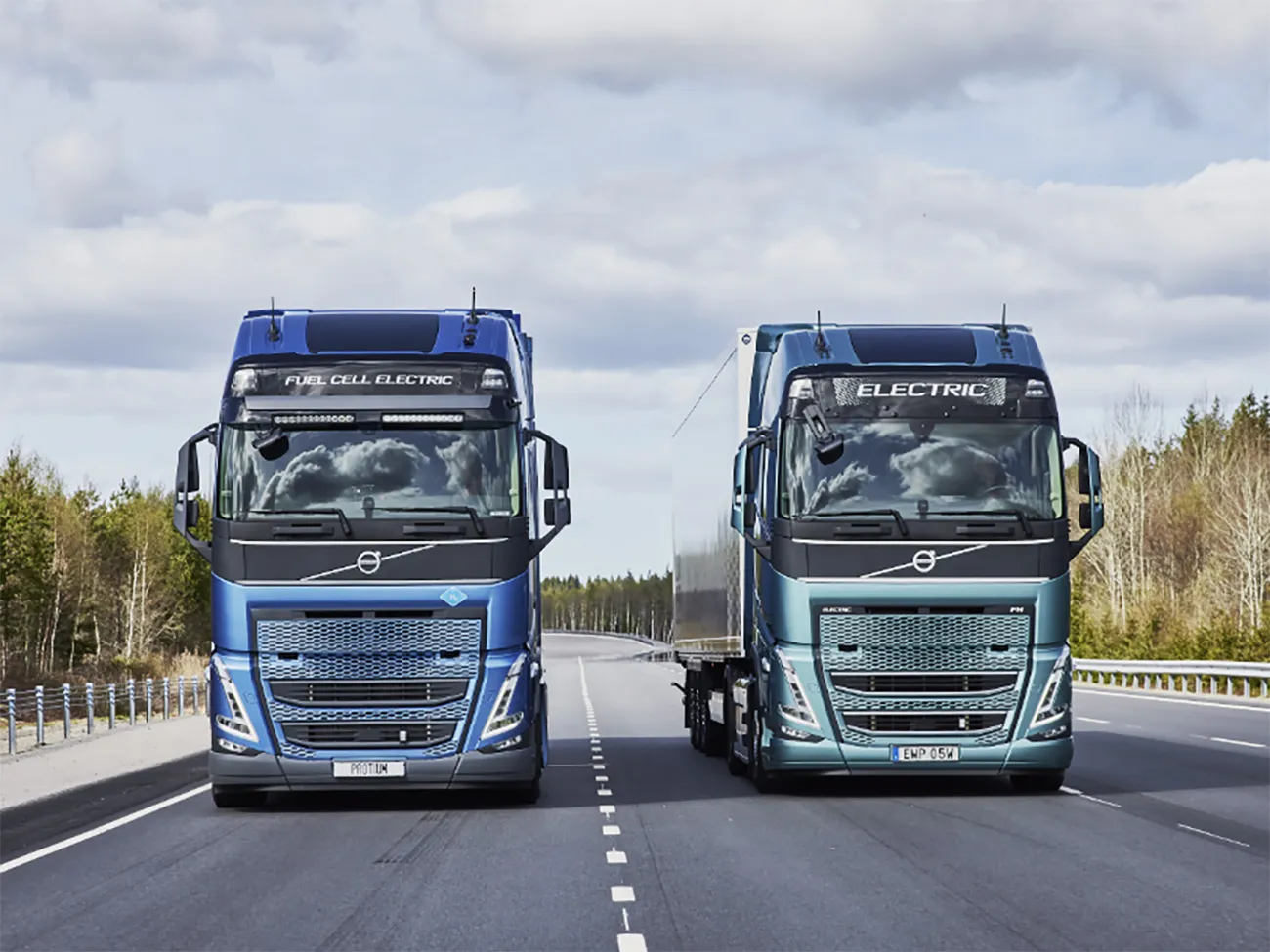
At the IAA Transportation show in Hanover, Germany, Volvo Trucks unveiled an entirely new all-electric rear axle. By freeing up space for more batteries, the new electric axle can extend the range of Volvo’s battery-electric trucks.
Volvo Trucks has the industry’s broadest range of battery-electric trucks, with six different models in series production. Depending on the model, they can travel up to 440 km on a single charge.
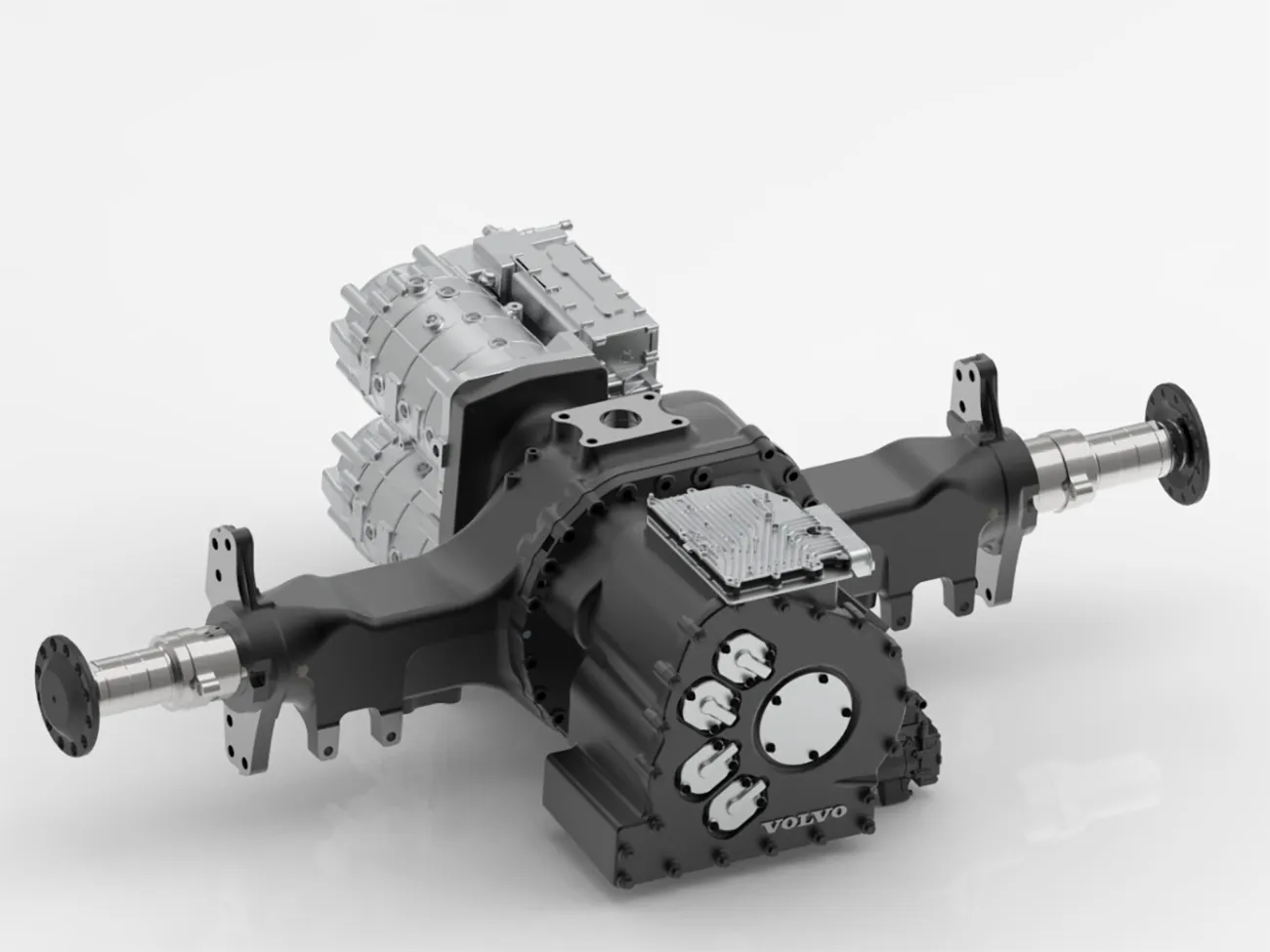
Unveiled at the IAA show in Hanover, Germany, the new electric axle makes it possible to fit more batteries in the truck by integrating the electric motors and transmission into the rear axle. More batteries mean greater range, making it possible to electrify long-haul transport as well. For fuel cell electric trucks, which will be introduced in the second half of this decade, the extra space will be useful for installing other components.
“This is a breakthrough for electric trucks and a clear signal that demand for public fast chargers for heavy-duty trucks will grow exponentially in the near future, particularly along motorways,” says Jessica Sandström, SvP Global Product Management at Volvo Trucks.
Adding to the current range
In a few years, Volvo Trucks will begin series production of cab-over trucks equipped with the new electric axle, which will complement its current range of battery-electric trucks.
“We will continue with our versatile battery-electric trucks, which are already in production. They can currently handle a wide range of transport assignments. In a few years, we will add this new electric rear axle for customers whose routes are longer than they are today,” says Jessica Sandström.
Volvo Trucks has adopted a three-path strategy to achieve zero emissions: battery-electric and fuel cell electric powertrains, as well as combustion engines running on renewable fuels such as biogas, HVO or even green hydrogen.
“Different technical solutions are needed to tackle climate change, because the availability of energy and fuel infrastructure varies between countries and regions, as well as between different transport assignments,” concludes Jessica Sandström.
Question about this story? Ask your question
Keep following this
Get an email when a new story is published. No account needed.
- ThemeLow-carbon transport and mobility
- SubjectNews







