











Volvo Trucks to begin customer testing of fuel cell trucks in 2025
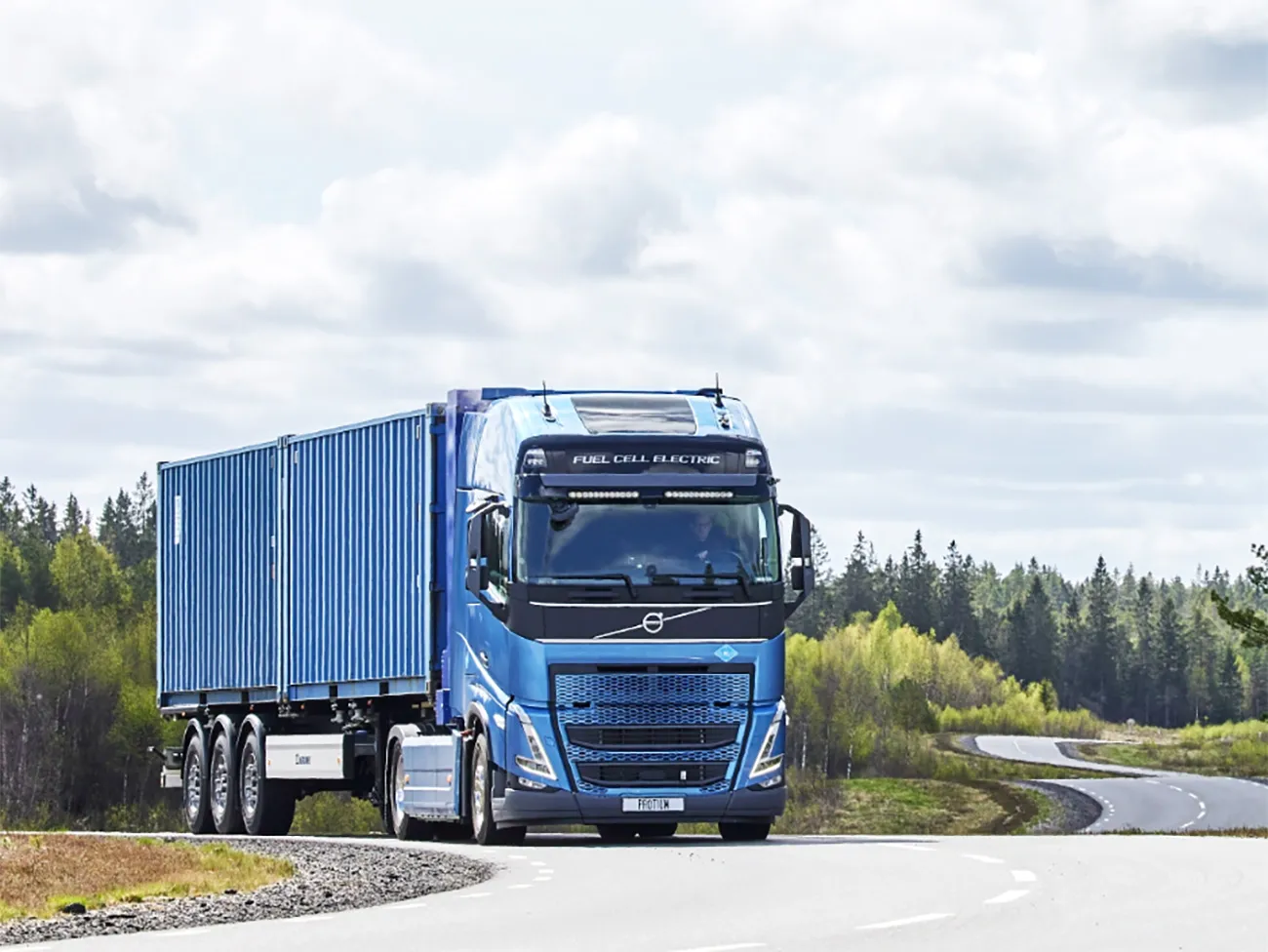
Volvo Trucks is testing fuel cell electric trucks that emit only water vapour and have a range comparable to that of diesel trucks, reaching up to 1,000 km. A second pilot phase will follow in a few years, with customer tests then taking place on public roads.
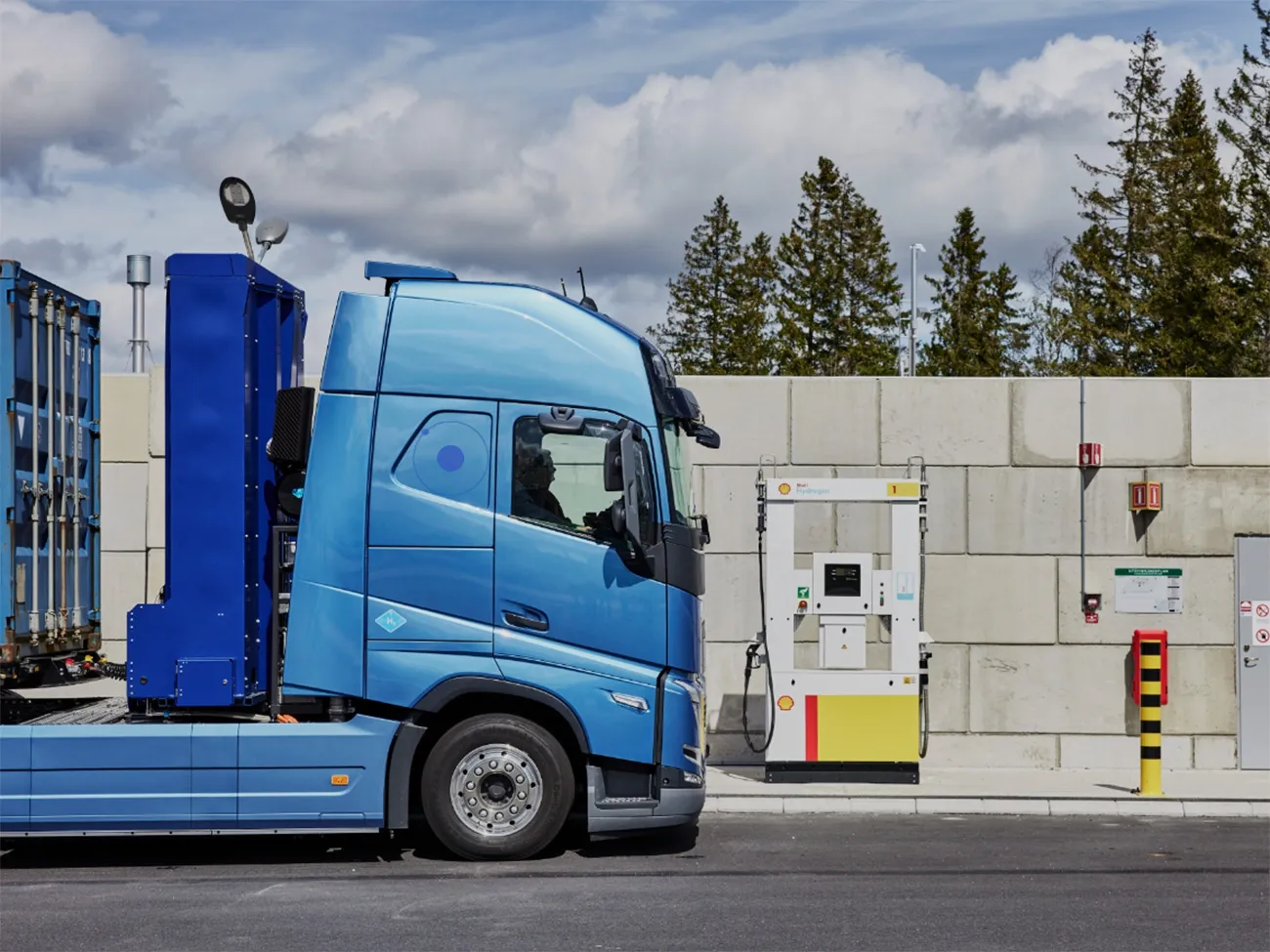
Fuel cell electric trucks will be tested in commercial traffic from 2025, with selected customers in Northern Europe. Additional trucks will be tested in other countries in the following years.
Hydrogen-powered fuel cell electric trucks will be particularly well suited to long distances and demanding, energy-intensive operations. They could also be an option in countries where battery charging facilities are limited.
“I believe the pilot tests will demonstrate the potential of fuel cell electric trucks. The tests will take place in a demanding and harsh climate. They will also provide an excellent opportunity to drive with heavy loads of up to 65 tonnes,” says Jessica Sandström, SvP Global Product Management at Volvo Trucks.
The pilot tests will aim to examine all aspects of how the truck operates, including its working components, handling and driving experience.
A fuel cell generates its own electricity from the hydrogen on board, rather than being charged from an external source. Water vapour is the only by-product emitted. Volvo’s electric trucks will be equipped with two fuel cells capable of generating 300 kW of electricity. Refuelling will take less than 15 minutes.
Fuel cell technology is still in its early stages and, although it offers many advantages, some challenges remain, including the large-scale supply of green hydrogen* and the need to develop refuelling infrastructure. To address the shortage of available hydrogen during the pilot phases, green hydrogen produced from renewable sources will be supplied at the depot to which the truck is assigned.
“We expect the supply of green hydrogen to increase significantly over the next two years, as many sectors will rely on it to reduce their CO2 emissions. In a few years, fuel cell trucks will play an important role in longer-distance, heavier-load transport,” says Jessica Sandström.
The fuel cells will be supplied by Cellcentric, a joint venture between the Volvo Group and Daimler Truck AG. Cellcentric will build one of Europe’s largest series-production facilities for fuel cells specially developed for heavy-duty vehicles.
* Green hydrogen is produced using renewable energy sources such as wind, water and sunlight.
Question about this story? Ask your question
Keep following this
Get an email when a new story is published. No account needed.
- ThemeLow-carbon transport and mobility
- SubjectNews







