











Volvo Trucks is the first in the world to use fossil-free steel in its trucks
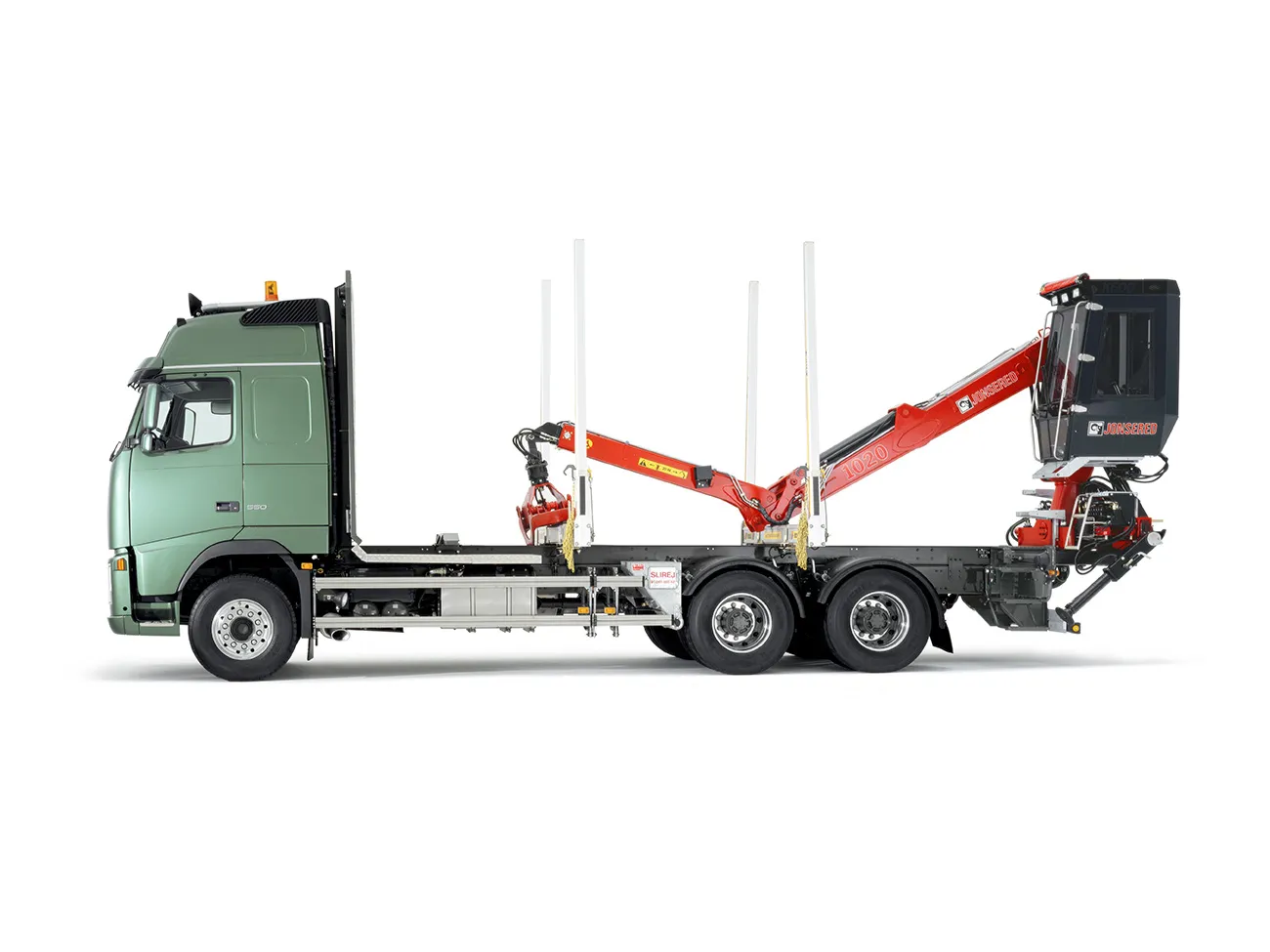
Volvo is the first truck manufacturer in the world to do so, and is now introducing fossil-free steel in its trucks. The steel is produced by Swedish steelmaker SSAB, and Volvo’s electric heavy-duty trucks will be the first to be made with it.
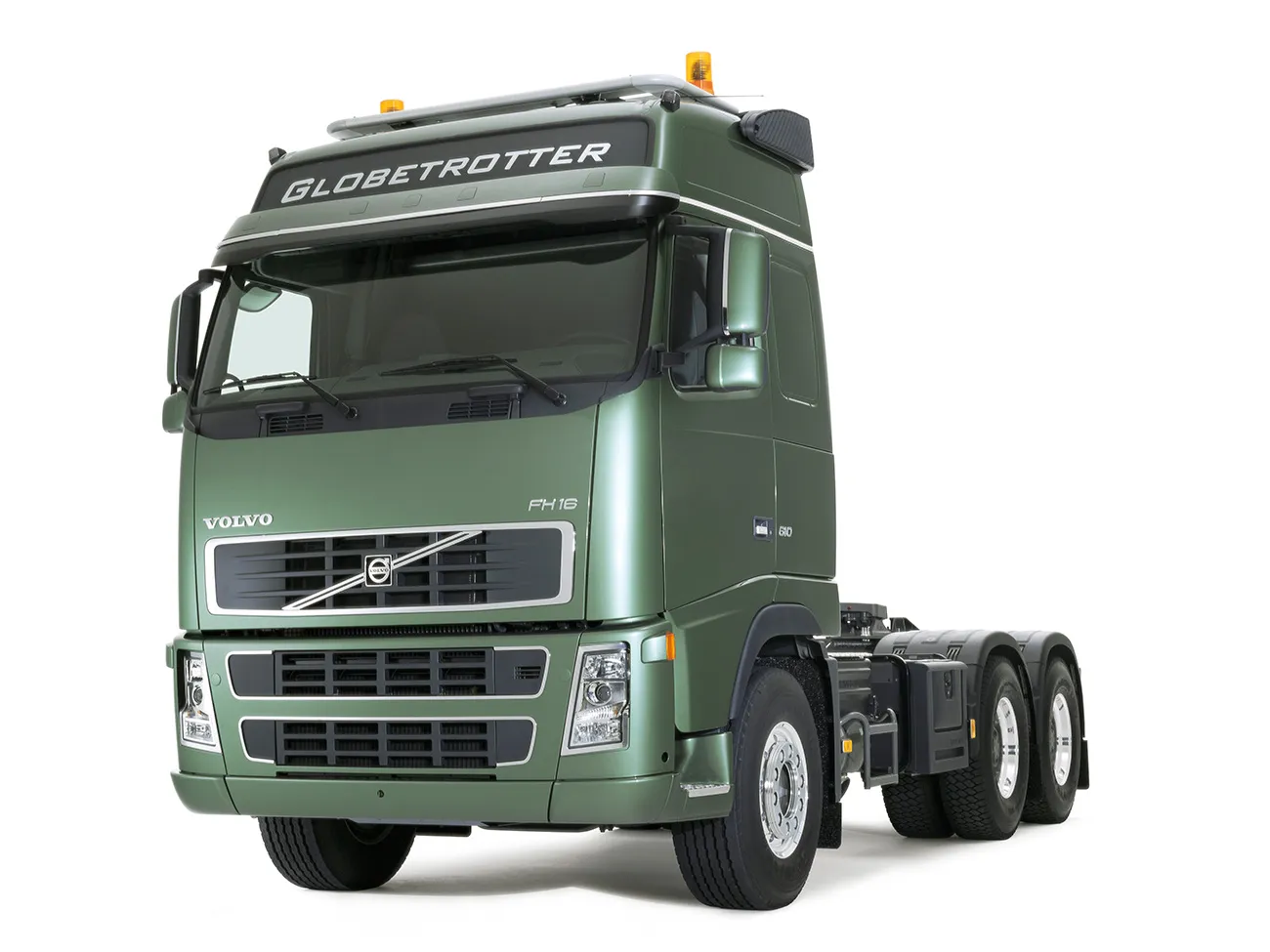
SSAB’s steel is produced using an entirely new technology based on hydrogen. This results in a much lower climate impact than conventional steel. The small-scale introduction of the steel in Volvo’s electric heavy-duty trucks will begin in the third quarter of 2022.
“We will increase the use of fossil-free materials in all our trucks to achieve net zero emissions, not only in terms of operation, but also in the materials they are made from,” says Jessica Sandström, Senior Vice President, Product Management, Volvo Trucks.
The first steel produced using hydrogen will be used in the truck’s frame rails, the backbone of the truck on which all the other main components are mounted. As the availability of fossil-free steel increases, it will also be introduced in other parts of the truck.
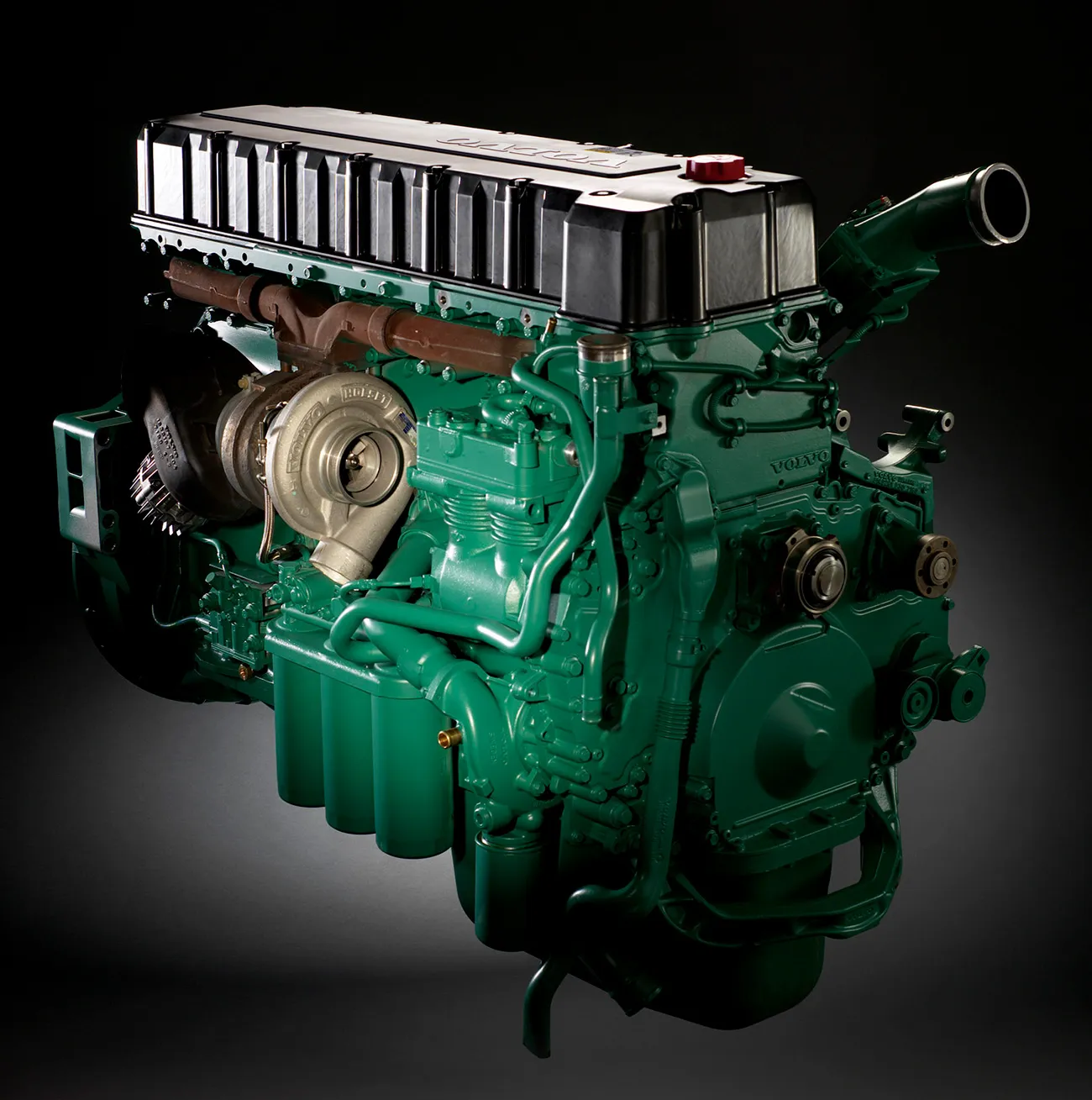
A Volvo truck can be recycled by up to 90%
Today, around 30% of the materials in a new Volvo truck come from recycled materials. And up to 90% of the truck can be recycled at the end of its life.
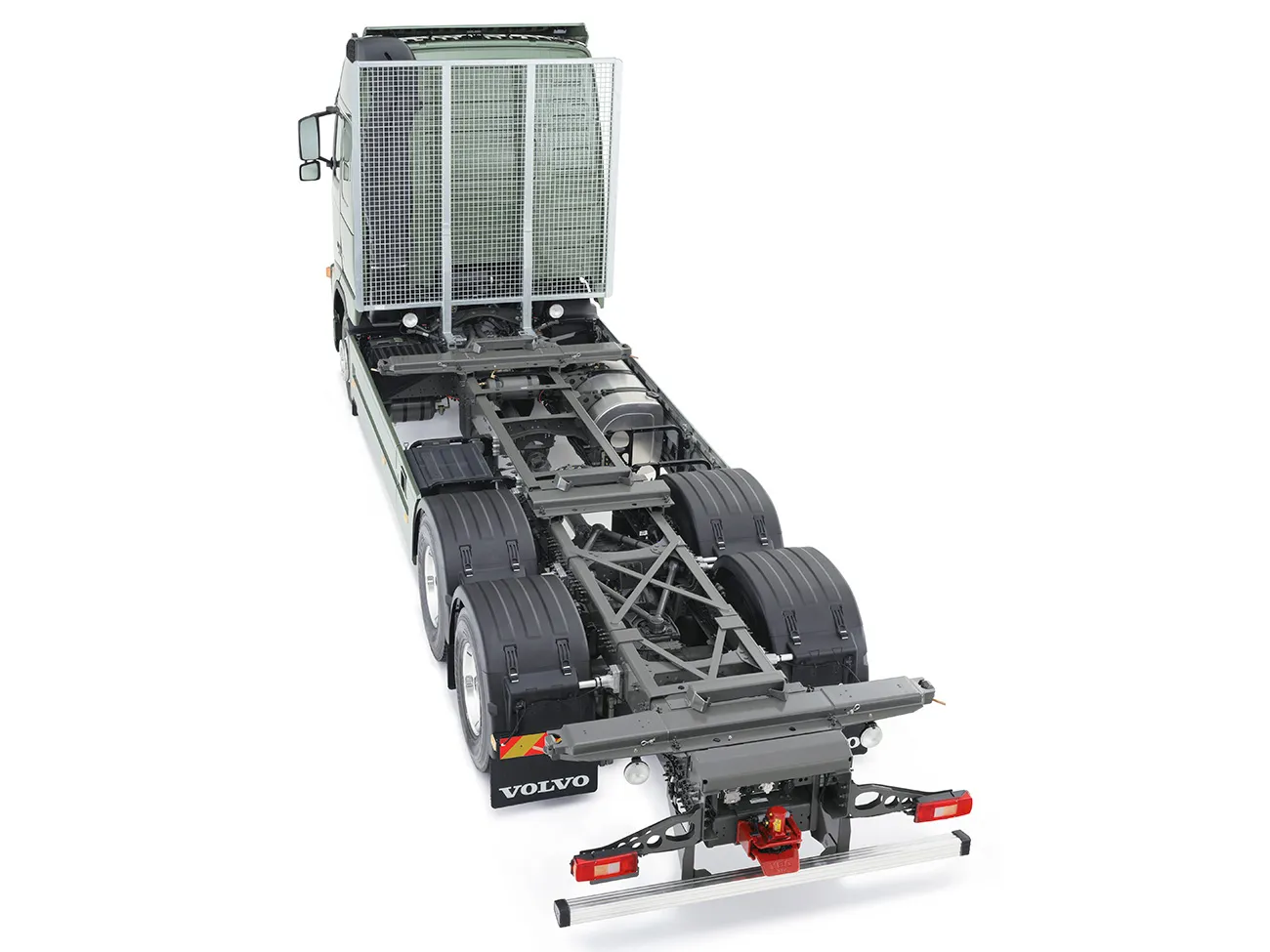
“We are constantly working to reduce our environmental footprint. We are also moving towards greater circularity, both in our operations and in our trucks,” says Jessica Sandström.
Volvo Group has been working with SSAB on fossil-free steel since 2021. The first machine, a load carrier made from fossil-free steel, was unveiled in October 2021. Fossil-free steel will be an important addition to the traditional and recycled steel used in Volvo trucks.
Volvo Trucks is committed to the Paris Agreement and to achieving net zero greenhouse gas emissions across its value chain by 2040 at the latest.
Question about this story? Ask your question
Keep following this
Get an email when a new story is published. No account needed.
- ThemeLow-carbon transport and mobility
- SubjectNews







