











Volvo Trucks cuts fuel consumption by 18% in road test
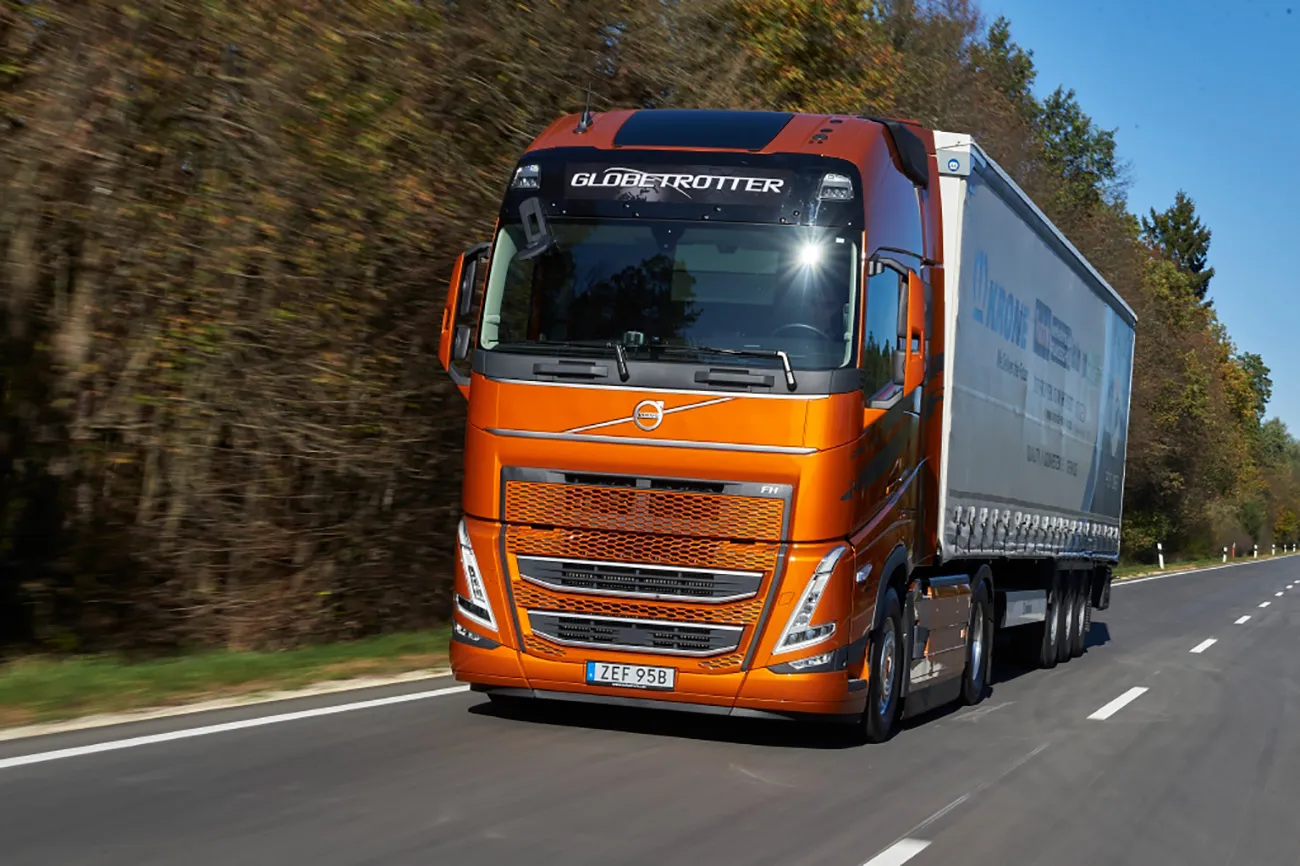
A new independent test in Germany with Volvo’s fuel-efficiency flagship, the recently updated Volvo FH with I-Save, showed that it uses almost 18% less fuel* than in the same test four years ago.
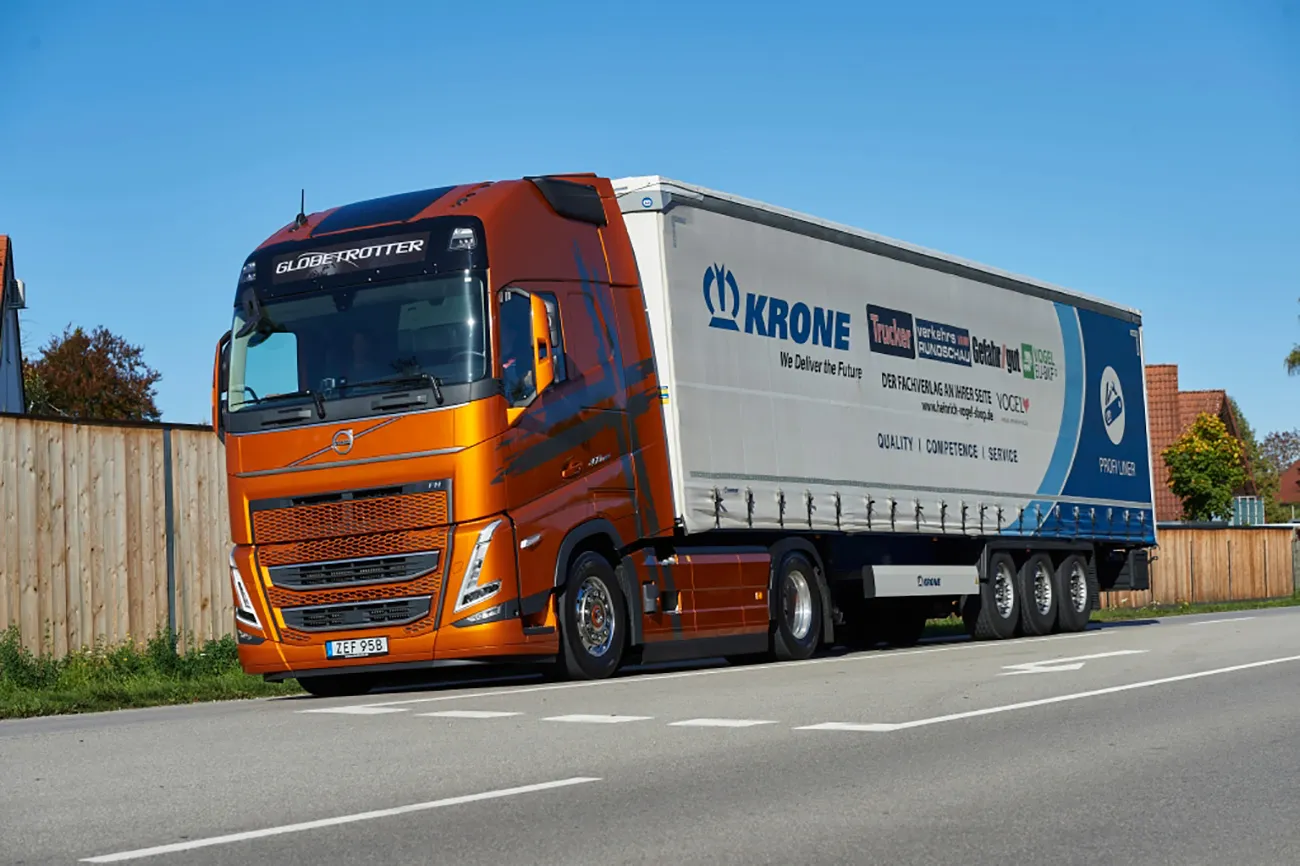
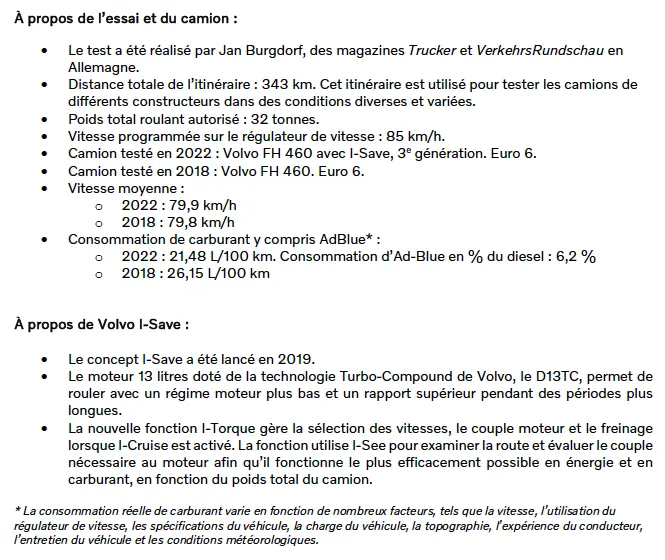
In a recent test conducted by the independent German magazine Trucker, a 32-tonne Volvo FH 460 with I-Save covered a 343 km route taking in motorways, hilly terrain and winding roads.
Compared with the same test in 2018, before the introduction of the I-Save fuel-saving system, the Volvo FH 460 with I-Save cut its combined diesel and AdBlue consumption by 18%, averaging just 21.48 l/100 km.
“The effects of the I-Save system, which incorporates the latest improvements to the Turbo Compound engine, smarter new software and refined aerodynamics, result in very fuel-efficient operation. This independent test has demonstrated beyond doubt the significant positive impact of I-Save on fuel consumption,” says Helena Alsiö, Vice President of Powertrain Product Management at Volvo Trucks.
AdBlue consumption: an increasingly important factor
Until recently, AdBlue costs were rarely taken into account. That is no longer the case, as the price of this additive has risen by more than 100% in many markets. In the new test, Volvo kept AdBlue consumption to 6% of diesel consumption.
“Total fuel savings, including diesel and AdBlue, have become increasingly important to the total cost of ownership. More than ever, we are working to keep total fuel costs as low as possible,” Helena Alsiö adds.
Efficient engines: key to reducing CO2 emissions
Although Volvo Trucks aims to have electric trucks account for half of its total truck sales by 2030, the diesel engine will nevertheless continue to play an important role in reducing CO2 emissions. The greater efficiency achieved through I-Save’s powertrain advances makes a significant contribution to reducing CO2 emissions. The Turbo Compound engine is certified to run on HVO100, a renewable diesel made from hydrotreated vegetable oils that significantly reduces CO2 emissions.
Question about this story? Ask your question
Keep following this
Get an email when a new story is published. No account needed.
- ThemeLow-carbon transport and mobility
- SubjectNews







