











Digitalisation is changing the relationship between installer and consumer
Technology is advancing so fast that it is no longer possible to say what the world will look like in ten years’ time.
However, technology is also making buildings smarter and expanding the range of services that can be offered. Installers play an essential role in this context. They need to be aware of the opportunities digitalisation offers them.
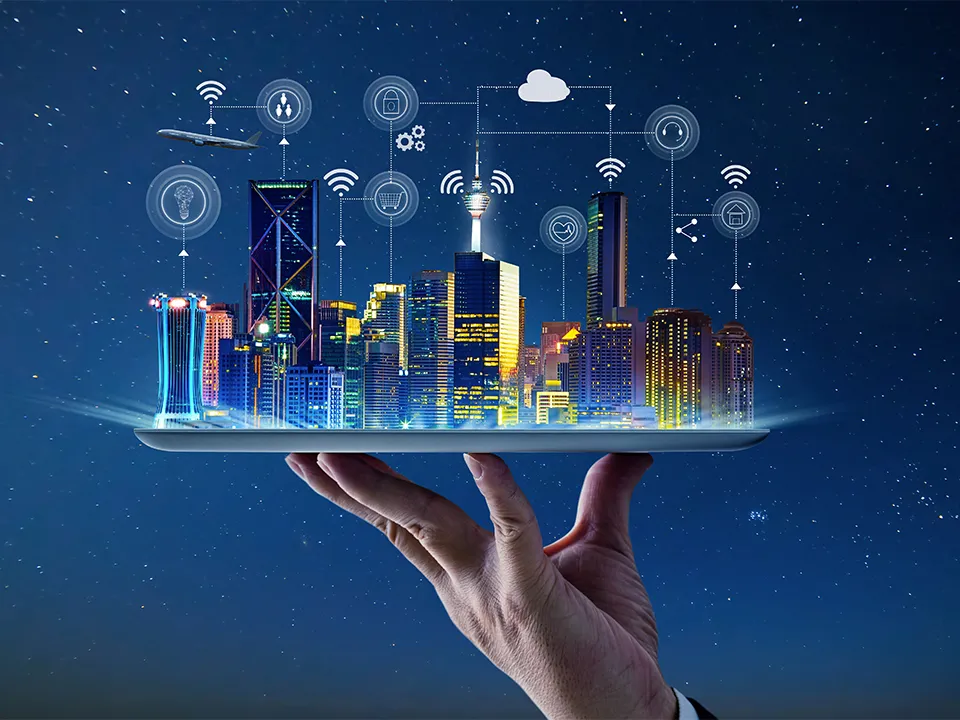
We are seeing buildings move beyond being simply a “protective envelope” to become connected service providers, able to interact not only with their users but also with one another. We are entering the age of smart buildings and smart cities.
Smart building
Smart cities use digitalisation to optimise management across a range of areas, including sustainable development, mobility, governance, urban planning, energy and the environment, as well as inclusion and participation. The aim is to improve the well-being of the many stakeholders involved: citizens, businesses and organisations.
Smart construction and smart buildings play a central role in creating an environment where people can live and work in smarter, easier ways.
Artificial intelligence (AI)
Put simply, AI means that software can automatically draw “intelligent” conclusions based on the data available in a system. AI has long been familiar in the world of IT. Solutions based on AI have already driven change in other sectors and are set to become commonplace in the HVAC sector too.
Other highly useful applications will emerge in future, such as automatic adjustment of HVAC systems and predictive maintenance.
Predictive maintenance
As the name suggests, predictive maintenance is a method aimed at preventing a breakdown or malfunction (based on parameters you monitor), so that you can anticipate it in good time.
Predictive maintenance requires specialist knowledge of both the systems and the techniques used to maintain them. It also calls for the ability to predict when a future breakdown will occur. Sensors are available that can measure temperature, monitor relative humidity, measure CO2 levels, check whether valves are closed, and so on. When connected to machines or systems, these sensors generate large volumes of data that provide information about the system’s condition.
The customer-installer relationship is changing
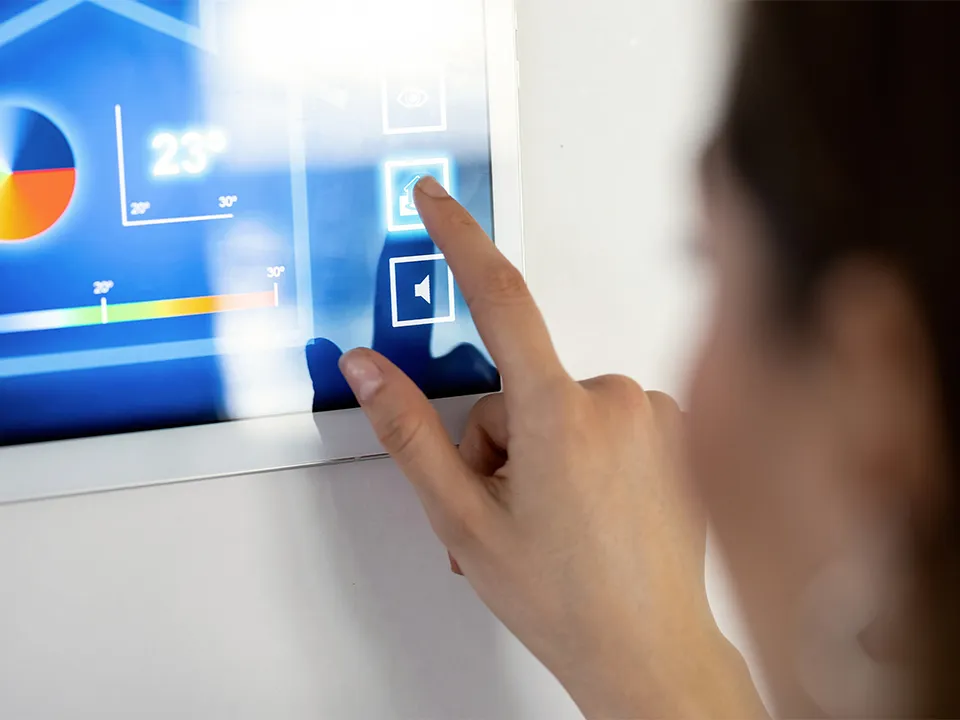
For Ruben Delvaeye (CSTC), the situation is clear: “Installers should no longer wait for customers to report a problem (which could cause irreparable damage to the system and its surroundings). Instead, installers can tell customers that maintenance is essential, based on data collected from the system. Whereas in the past an installer’s offer ended with the sale and installation of a product, an increasing share of their focus is now on related services, benefiting both the customer and the installer.”
Techlink commercial director Jan Lhoëst agrees, adding: “Taking full responsibility goes a step further than offering maintenance alongside installation. It represents a major opportunity for contractors, as it can take the burden off commercial clients and consumers, extending advice and work execution to include management and maintenance. This trend is also part of the shift from ownership (of a product) to use (of a service). Customers no longer pay for the installation, but for the comfort of their home or workplace, and they do not concern themselves with the installation.”
Smart sanitary solutions
The heatwaves of recent summers leave no doubt: water is a precious resource. As a result of climate change, water stress is affecting more and more places. Our country will therefore have to make even greater efforts to manage water supplies properly and ensure that no more water is used than necessary.
Some smart applications can also help reduce water consumption. Here too, technology is not an end in itself in a smart building, but a means to an end: saving water.
Smart sanitary solutions are also available to save water. Automatic flush systems are the best-known examples. There are also smart urinals that constantly measure the salt content of the water, delivering considerable cleaning benefits.
Key takeaways
As we can see, smart technologies can reduce energy consumption and improve user comfort, while also encouraging more responsible use of materials and improving management and maintenance. They can also help pave the way for a circular economy and create more adaptable buildings.
Smart Buildings In Use
The CSTC’s Smart Building In Use cluster brings together contractors, building managers, manufacturers and integrators of new technologies to seek innovative technological solutions that improve building maintenance and management.
More information at
Question about this story? Ask your question
Keep following this
Get an email when a new story is published. No account needed.
- ThemeManaging construction projects
- SubjectNews







