Volvo reaches milestone with 5,000 electric trucks sold worldwide
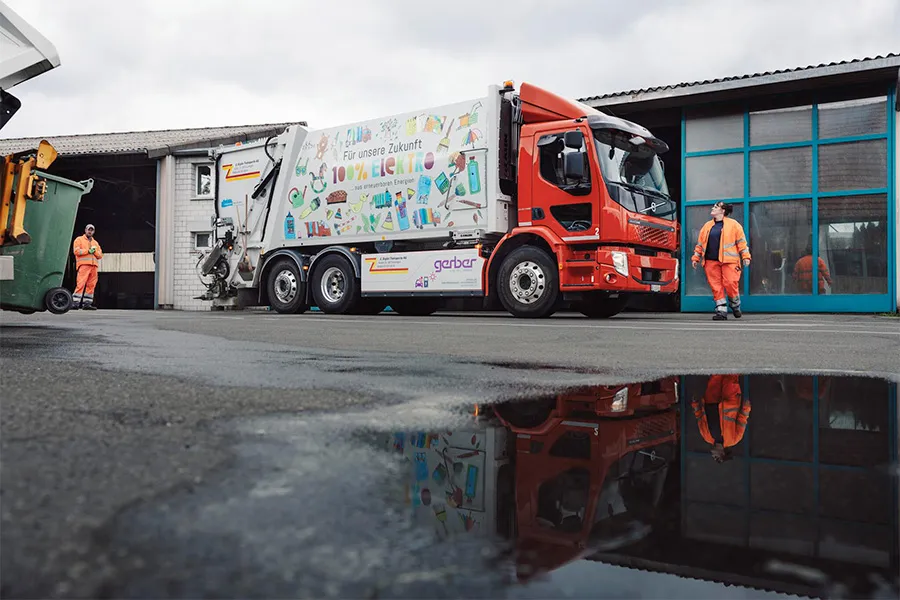
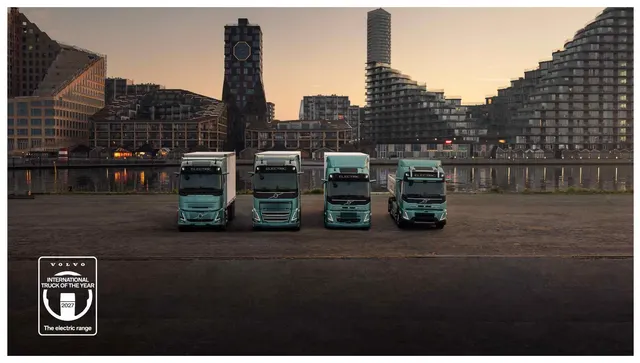
Volvo Trucks has now delivered more than 5,000 battery-electric trucks to customers in 50 countries worldwide. With eight electric truck models currently in production, Volvo’s leadership in this field is stronger than ever.
Volvo Trucks has been offering electric trucks since 2019. Since then, customers in 50 countries have adopted electric transport, covering almost 170 million kilometres in commercial operations. These trucks have helped reduce CO2 emissions and traffic noise, while improving drivers’ working conditions.
“It is gratifying to see transport companies continuing to embrace the benefits of electric trucks across a wide range of segments,” says Roger Alm, President of Volvo Trucks. “Volvo’s battery-electric trucks are available here and now, offering our customers and transport buyers a more sustainable, economically viable alternative. Many of our customers come back to us to expand their electric fleets.”
Volvo’s current range of electric trucks meets the needs of urban and regional distribution, as well as the construction and waste segments. Volvo’s five largest markets for electric trucks are Germany, the Netherlands, the United States, Norway and Sweden.
Electric expertise
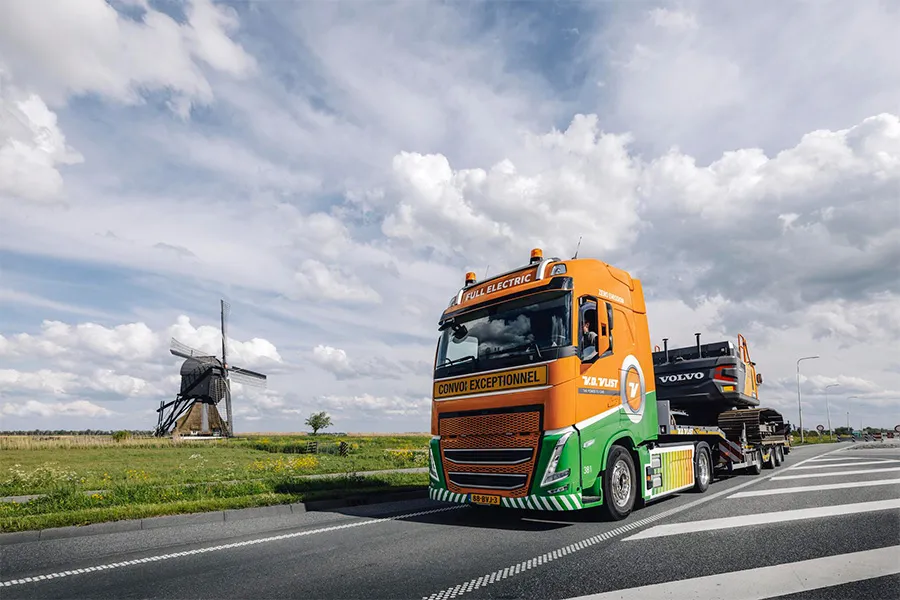
Volvo’s early entry into the electric truck segment has enabled the company to build unique expertise in zero-tailpipe-emission transport. The benefits of electric trucks go beyond environmental gains: drivers enjoy a significantly better working environment, with much less noise and vibration. Volvo has also developed expertise in optimising the use of installed energy capacity, and in financing, charging and maintaining electric trucks.
The Volvo electric truck models currently available are:
- Volvo FL Electric
- Volvo FE Electric
- Volvo FM Electric
- Volvo FM Low Entry
- Volvo FMX Electric
- Volvo FH Electric (International Truck of the Year 2024)
- Volvo FH Aero Electric
- Volvo VNR Electric Volvo’s three-pronged strategy for zero emissions
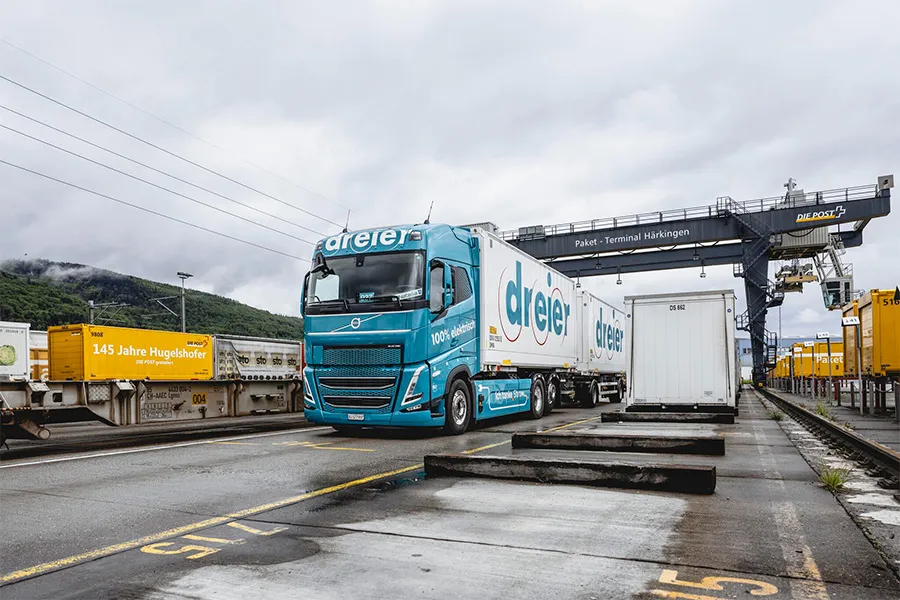
Volvo Trucks is leading the decarbonisation of transport, aiming to achieve net-zero emissions by 2040 through a three-pronged technology strategy. This approach is based on three types of powertrain: battery-electric, fuel-cell electric and internal combustion engines running on renewable fuels such as green hydrogen (produced by electrolysing water using renewable electricity), biogas (Bio-LNG), biodiesel and HVO (hydrotreated vegetable oil).
Question about this story? Ask your question
Keep following this
Get an email when a new story is published. No account needed.
- ThemeLow-carbon transport and mobility
- SubjectEquipment and machinery