











The world’s most sustainable architectural zinc, with a low carbon footprint
Texte Luc Ophals Photos RHEINZINK
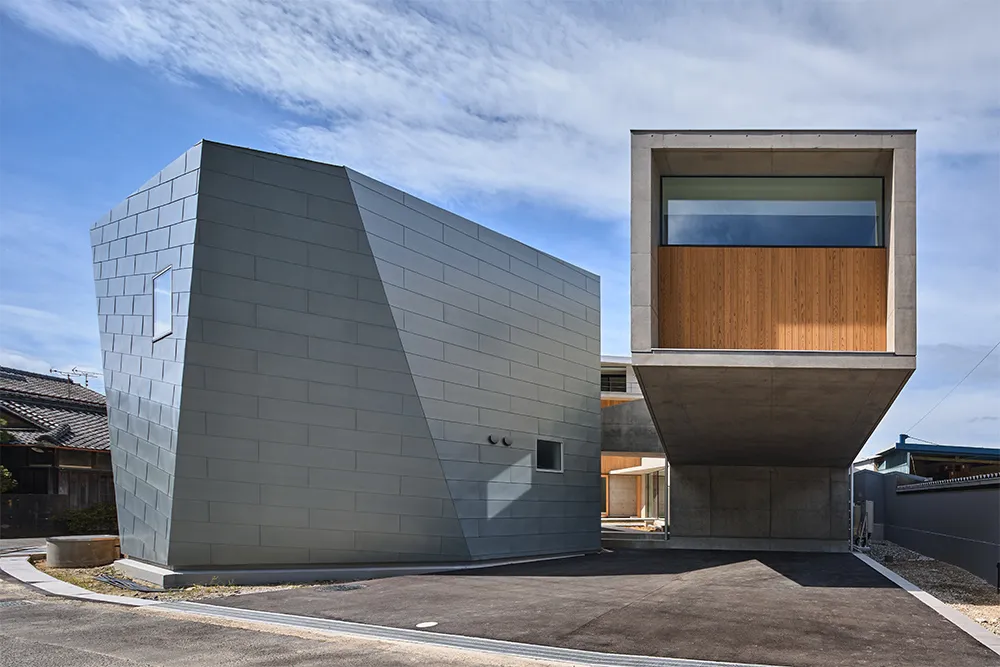
For more than fifty years, RHEINZINK, the German specialist and world leader in architectural zinc, has designed and manufactured 100% recyclable products with an exceptionally long service life. In keeping with the company’s environmental commitment, these products boast an excellent environmental profile. In recent months, a major milestone has been reached with the launch of the new prePATINA range, renamed prePATINA ECO ZINC, which halves the product’s carbon footprint. The company now offers the world’s most sustainable and environmentally friendly zinc.
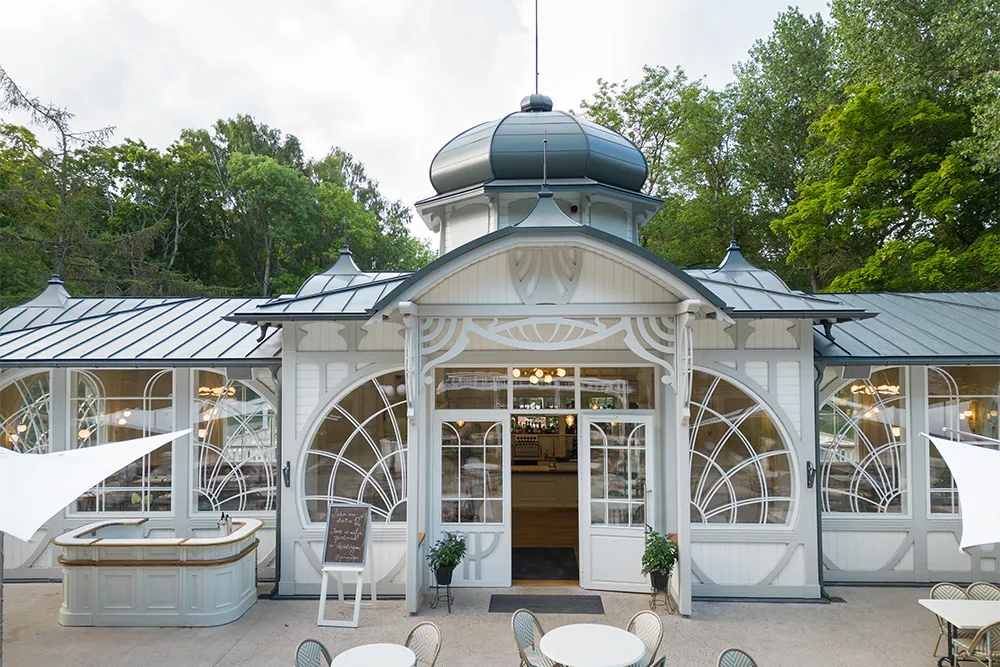
With climate neutrality targets set for 2050, the construction sector must step up research, move towards implementing longer-lasting solutions, and aim for a radical reduction in carbon emissions and maximum durability of the materials used. This is precisely the environmental commitment that has characterised RHEINZINK, the world leader in architectural zinc, for decades.
Low-carbon production
With its continually improved titanium-zinc ranges, the company offers the ideal material for sustainable architecture. Its products are available in the CLASSIC, GRANUM, PRISMO and prePATINA ranges. Did you know, for example, that prePATINA has a carbon footprint of just 3.99 kg per kg of zinc, compared with no less than 6.85 kg of carbon per kg of aluminium?
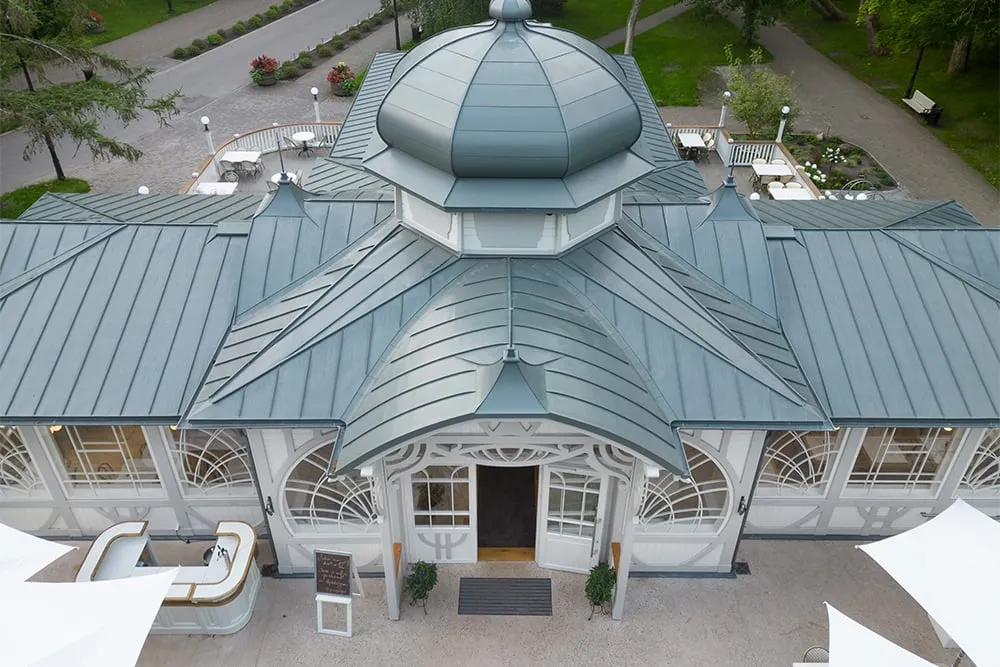
True to its slogan, “Always better”, RHEINZINK has recently set a new benchmark by halving its carbon footprint once again: the brand-new prePATINA ECO ZINC range has a footprint of just 1.85 kg of carbon per kg of zinc. Fabrice Michaux, Regional Sales Director Belgium & Luxembourg, confirms: “We are the only manufacturer in the world to use this zinc, with 50% less carbon. Like its predecessor, our new prePATINA ECO ZINC range features a natural patina created at the factory by immersion in an acid bath. It is available in prePATINA Blue-Grey or prePATINA Graphite-Grey finishes. In the first finish, the titanium-zinc-copper alloy is covered with a transparent anti-fingerprint coating that protects the material’s appearance when it is handled with bare hands. The second version gets its slate colour from a higher copper content, while remaining within the 1% limit set by EN 988. If the surface is lightly scratched, the zinc regenerates and the natural patina reforms.”
Certified environmental benefits
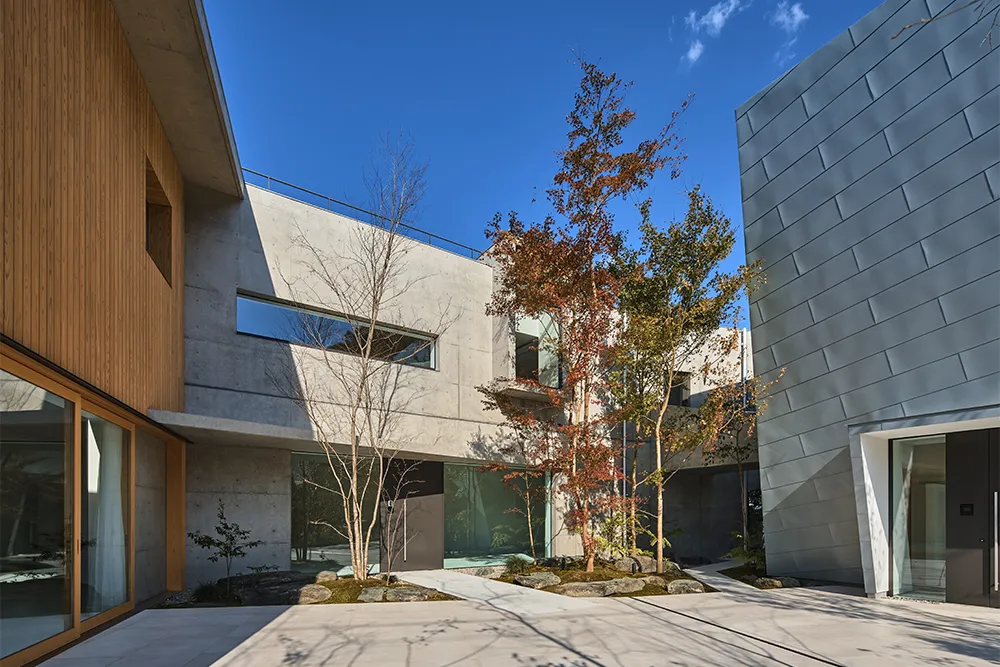
The titanium, copper and zinc alloy produced by RHEINZINK stands out for its exceptionally long service life and complete recyclability, backed by proven quality certified by several well-regarded organisations. The alloy has carried the “Cradle-to-Cradle” label since 2009.
Once it has reached the end of its service life, RHEINZINK titanium-zinc can be collected and sorted easily, then reused indefinitely without any loss of quality.
The company’s environmental commitment is evident throughout the product’s life cycle. Fabrice Michaux explains: “Zinc extraction is an energy-intensive process. Our Scandinavian supplier of refined zinc, 90% of which we use in our prePATINA ECO ZINC range, consumes no fossil fuels, only renewable energy, mainly hydropower. At the end of the production process, an independent audit confirmed that the total carbon footprint had indeed fallen by 50%. In addition, scrap zinc is collected and recycled within the Grillo group, to which RHEINZINK belongs, and all our waste is sent back to a smelter for reuse.”
Fabrice Michaux adds: “We do more than increase the proportion of recyclable material in our products as much as possible. We also strive to promote the most environmentally responsible installation methods. For example, we replace highly polluting lead with malleable zinc to create connections between the roof covering and chimneys, dormer windows and walls. Zinc is a 100% environmentally friendly product and is easier to work with.”
Question about this story? Ask your question
Keep following this
Get an email when a new story is published. No account needed.
- ThemeBuilding with less carbon
- SubjectConstruction







