











The Time Masters behind Pairi Daiza’s exponential growth
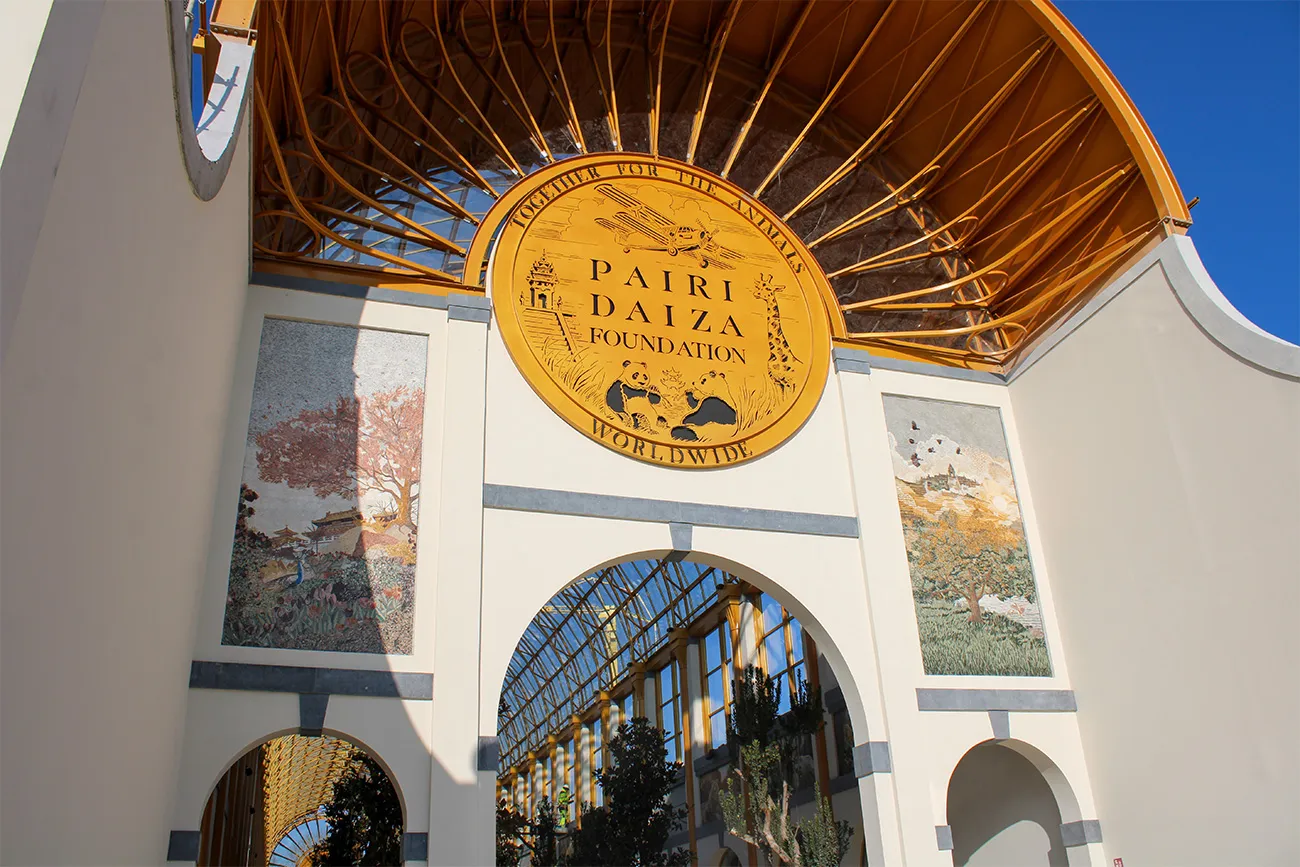
Since 1868, French company Bodet, now operating as a holding company under the name Kelio, has been making clocks for buildings and industry. A specialist in time management, it has added an HRIS and access control division to its long-established offering. Its Belgian branch has supported the park at Cambron-Casteau (Brugelette) since its beginnings, when it was still called Paradisio and had only a few dozen employees. Ever since, Kelio has been part of the Pairi Daiza story.
Today’s Pairi Daiza bears little resemblance to the Paradisio of the past, although the spirit remains the same: introducing people to the diversity of the animal world and helping to protect it. The park now employs people in a range of roles: animal keepers, visitor services staff, hospitality workers, administrative and security staff, and more. They include permanent employees, agency workers and students. Managing attendance and schedules for so many employees, and integrating with the social secretariat, requires tools that are fit for purpose and adaptable to the park’s ongoing expansion since it first opened.
HR management and access control
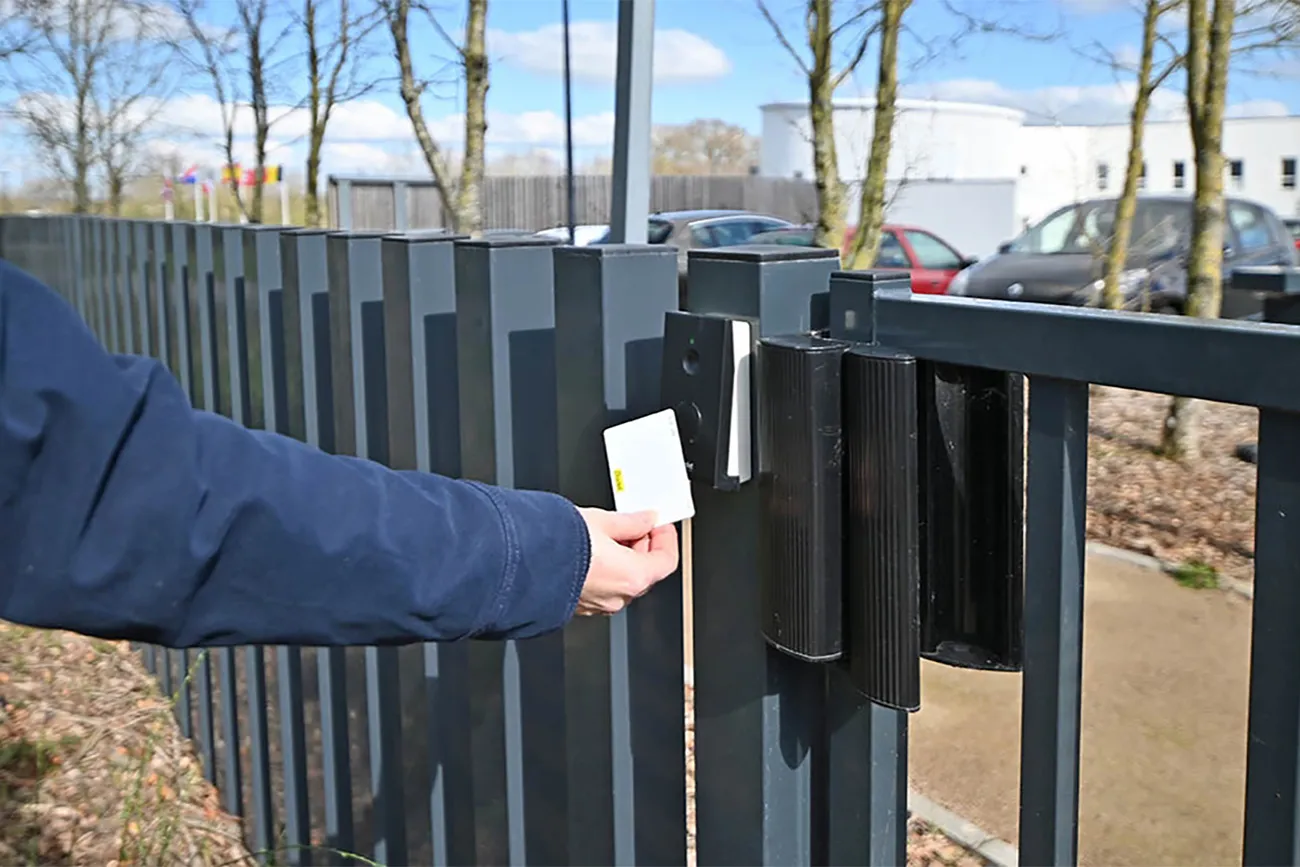
Michaël Ancart, Senior Account Manager at Kelio Belgique: “We have been working with the HR manager at Pari Daiza since 2004. At the time, there were 55 people, two time clocks and an access management system covering just a few doors and barriers. The first time clock was installed at the Oasis, in a public area next to the toilets, and stayed there for 20 years. Today, with an HR solution sized for 2,000 people, I couldn’t even tell you how many terminals are installed. This capacity will allow us to manage 600 jobs, around 1,000 students, whose working hours vary, and the many trainees expected in 2023. As for access control, we secure just under 450 points. However, we are not responsible for managing access for the park’s millions of visitors, or for their access to the accommodation.” Kelio’s access control work is therefore focused on industrial security, separating private areas, such as offices, technical rooms and animal enclosures, from those open to the public. The addition of the park’s new entrance, with its shops, offices and splendid gallery, is therefore a logical continuation of everything Kelio has done since 2005.
Access control also makes it possible to track people carrying out occasional work in the park. For example, a vet coming to treat an animal will have restricted access to the enclosure concerned. The system still uses the badge technology selected in 2005, while benefiting, of course, from all the developments introduced since then.
Manufacturer and developer in one
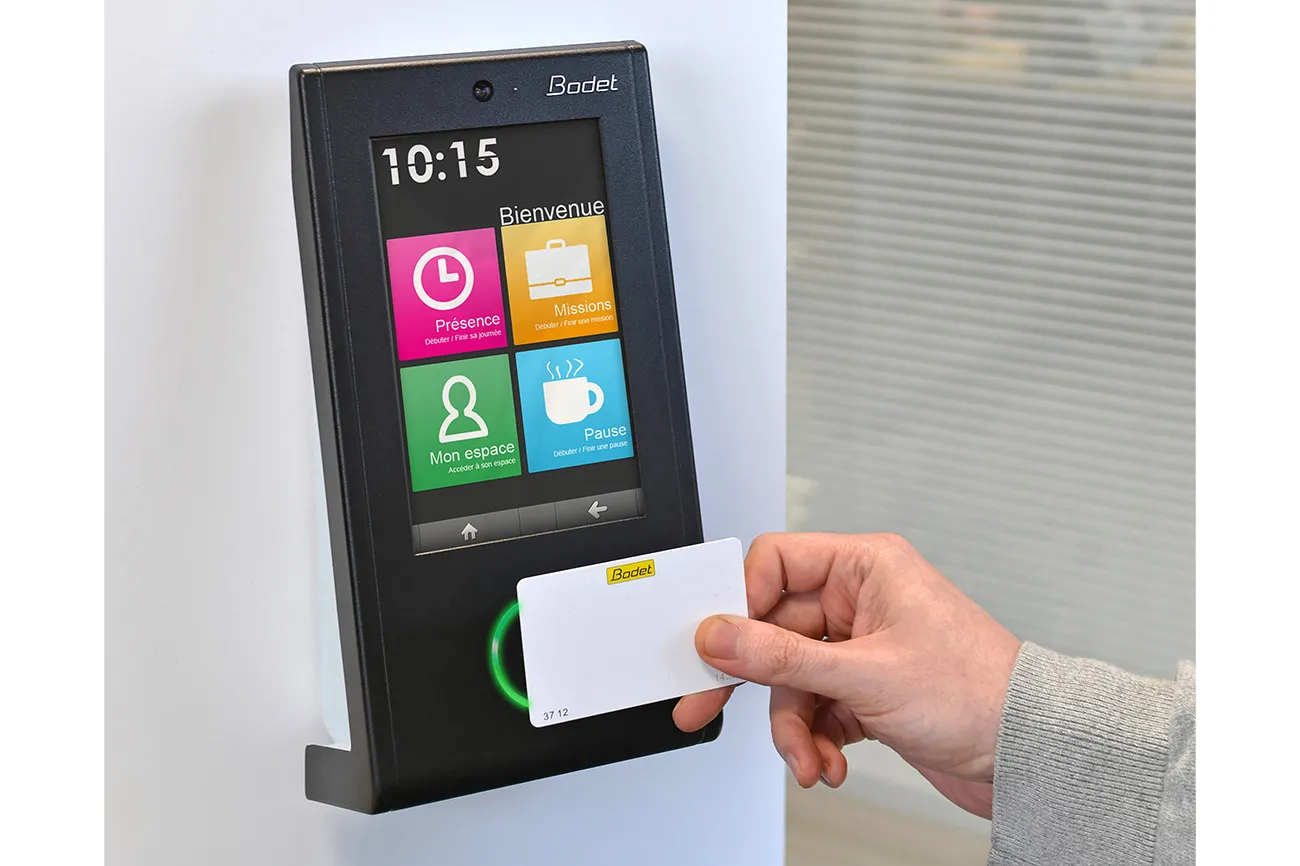
Pairi Daiza is growing exponentially, while a company such as Kelio naturally grows more gradually. Michaël Ancart: “Eric Domb has always been one step ahead in his thinking. You have to be able to keep up! We serve 4,000 customers in Belgium, including major companies such as equipment manufacturer Valéo, as well as Lunch Garden restaurants. What sets us apart from the competition is that we are the only company in Europe to manufacture our own equipment and develop our own software. That means the customer has a single point of contact, and our service lives up to expectations.” To deliver its software in SaaS (Software as a Service) mode, Kelio uses a platform through which customers can interact directly with the Hotline team, which has no fewer than 85 staff. In most cases, they can resolve the problem remotely. For the past 2 or 3 years, Kelio has also been helping customers install their own plug-and-play time clock terminals, following initial configuration by the Kelio Belgique team. A customer such as Pairi Daiza, which is constantly expanding its network of terminals, even keeps stock and has trained staff to carry out small, occasional installations themselves.
From church clocks to the digitalisation of HR administration and equipment
Kelio has embarked on a major shift, aiming to be the first to incorporate HRIS (human resources information systems) into its software. When a new employee joins a company, a great many actions need to be taken, from providing work tools to drawing up policies on the use of equipment made available to them. Traditionally, the HR department manages all this using multiple spreadsheets. Kelio’s idea is to digitise the entire process, enabling employees to track the stages of their “onboarding” online and interact with the HR department on all these matters, right through to electronically signing the various documents presented to them. Expectations are high. Michaël Ancart: “Alongside our building clock, industrial clock, found, for example, in the Brussels metro, and sports divisions, Kelio is, among other things, FIBA’s official scoreboard partner. HR management software is expected to account for 75% of export turnover by 2028 for Kelio’s Time Management Division. To achieve this, in addition to digitising HR processes, Kelio is working every day to digitise time clock terminals. Smartphones are becoming virtual badges through Apple and Android technologies, namely BLE/NFC.”
Question about this story? Ask your question
Keep following this
Get an email when a new story is published. No account needed.
- SubjectConstruction







