Quartier Énée project: managing simultaneous operations
Texte Joaquim Dupont | Photos Nonet & ICM
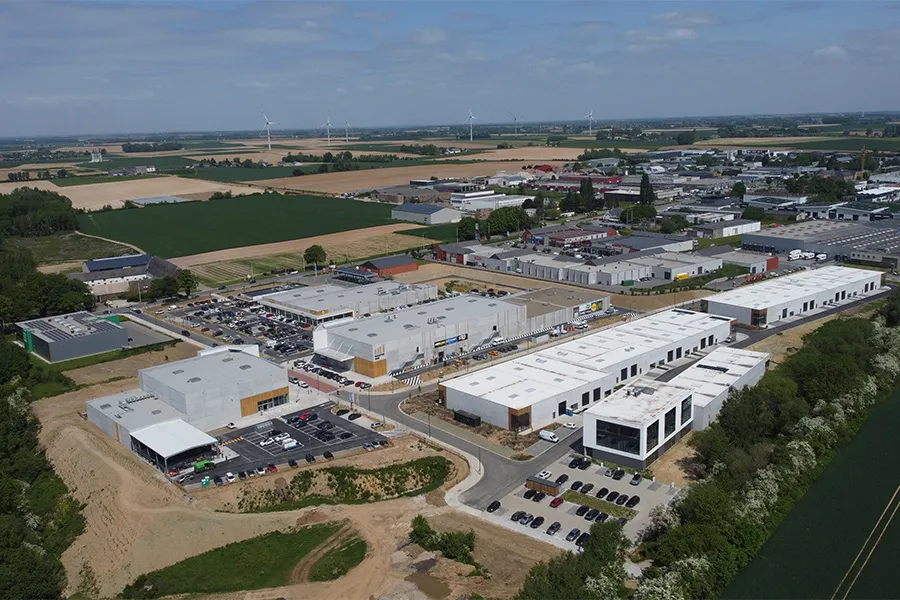
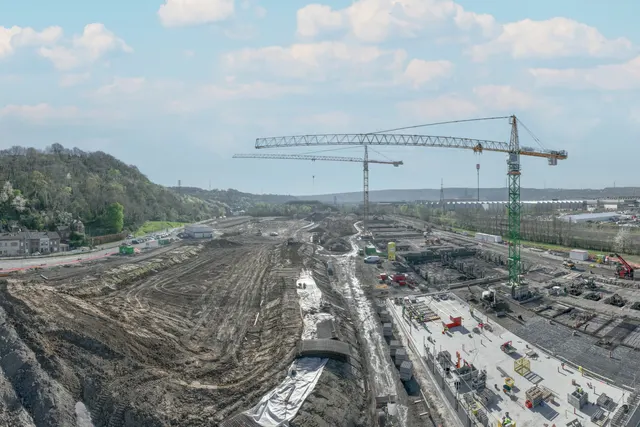
Turning 9 hectares of land into a multi-purpose district in barely a year: this is the feat achieved by main contractors Nonet S.A. and ICM (Groupe Wanty) with the recently inaugurated Quartier Énée project. For this large-scale development by property developers Mitiska REIM and LCV Real Estate, Nonet was responsible for the external works, from demolition to road construction, while ICM built 3 commercial buildings on the site. A closer look at a construction project like no other, and an example of successful collaboration between contractors.
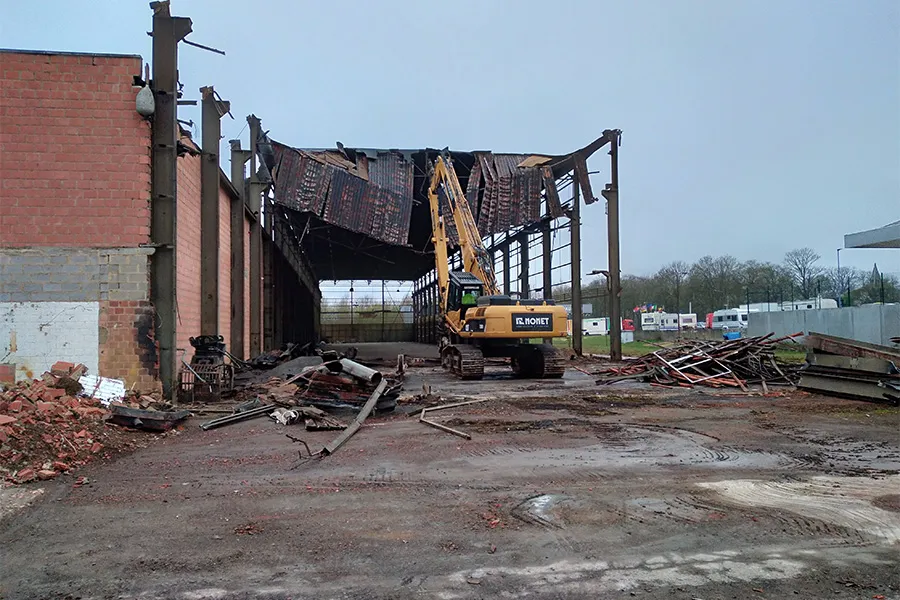
A large-scale project and a complex construction site
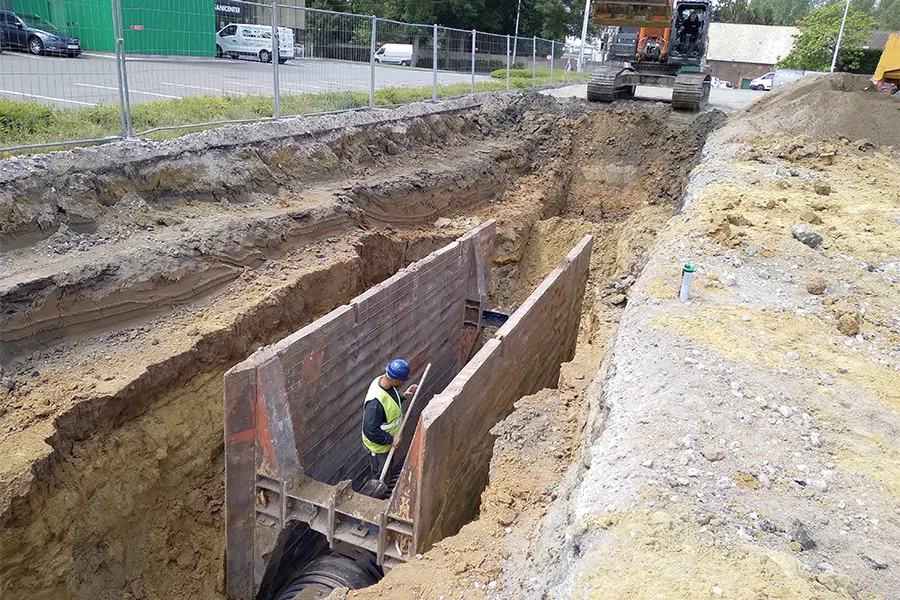
Located on the outskirts of Gembloux, Quartier Énée is home to a retail complex, food and drink establishments, leisure facilities, office buildings and SME premises. As the new complex is being built on a former industrial brownfield site, contractors Nonet and ICM each had to contend with a number of unforeseen issues, as Olivier Nulens, site manager at Nonet, explains: “During the earthworks, we discovered all kinds of buried foundations. This meant that soil from these contaminated areas could no longer be used as backfill and also had to be screened.”
Nonet’s teams also had to work to an extremely tight schedule following a series of delays. “We were due to start in November 2021, but work could not begin until March 2022, so we had to overhaul the schedule.”
Rémy Chatel, site manager at ICM, also had to contend with the vagaries of this punishing schedule. He explains: “It was a very intense project, because the schedule for shopping centres is fixed. The retail units have to be ready by the specified deadlines, as retailers have usually already signed a lease that takes effect on that very day. We had no room for error.”
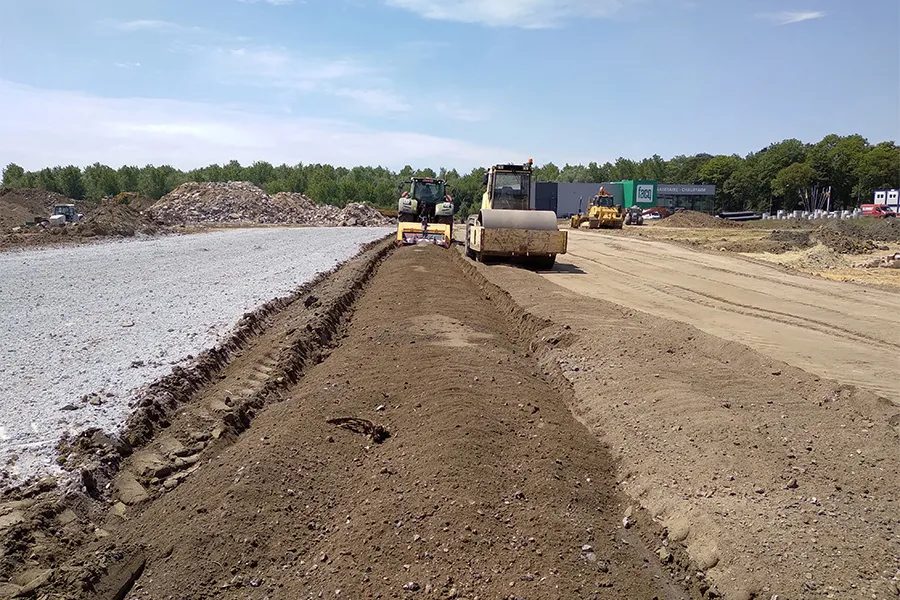
Avoiding clashes on site
It is not always easy for two contractors to work on the same site at the same time, however large it may be. “There is only one way to make it work: communication and compromise. Everyone has to give a little to achieve the best possible coordination,” explains Olivier Nulens. His colleague at ICM adds: “We made a point of respecting each other’s work, focusing on separate areas at different times. That avoids damaging the other contractor’s work. To make this happen, we scheduled weekly meetings to agree on the next tasks.”
Finally, working simultaneously on site also brings practical challenges, for example, managing access for workers and construction equipment, as well as the transport and storage of materials. “We worked almost on a just-in-time basis, with materials arriving on site on the day they were needed. This applied to all our prefabricated components, including columns, walls and floor slabs, as well as 35-metre roof beams, which of course required an abnormal-load convoy. It is very satisfying to have risen to this major challenge, once again thanks to excellent communication with Nonet’s teams,” says Rémy Chatel.
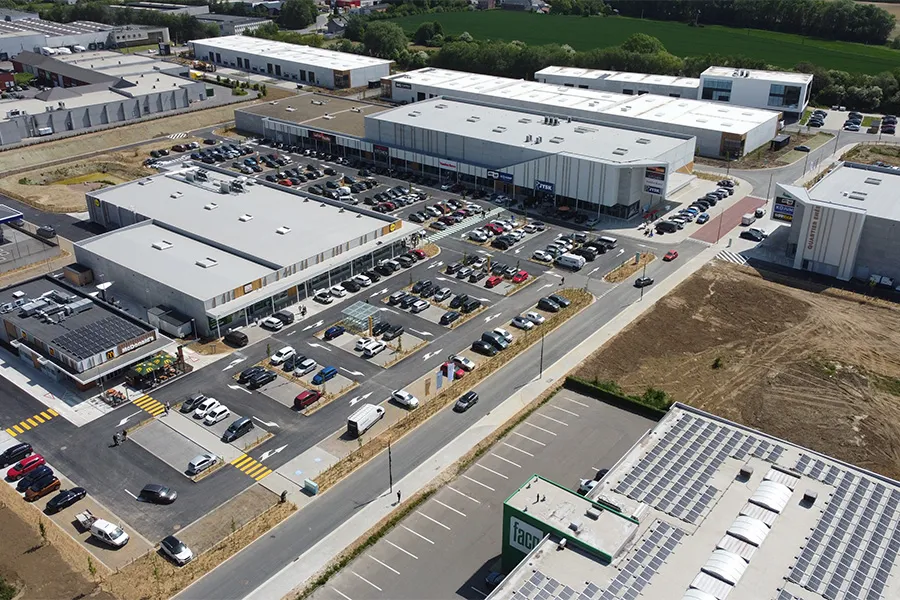
Two well-equipped contractors
Both site managers stressed how crucial it was to have a large, skilled workforce to deliver a project of this scale. Nonet has specialised teams for each of its external works activities: demolition, roadworks and utility networks. “We can carry out every aspect of a project’s external works, from A to Z. For developers, clients and architectural practices, this is a considerable advantage, as they only have to deal with one point of contact,” confirms Olivier Nulens.
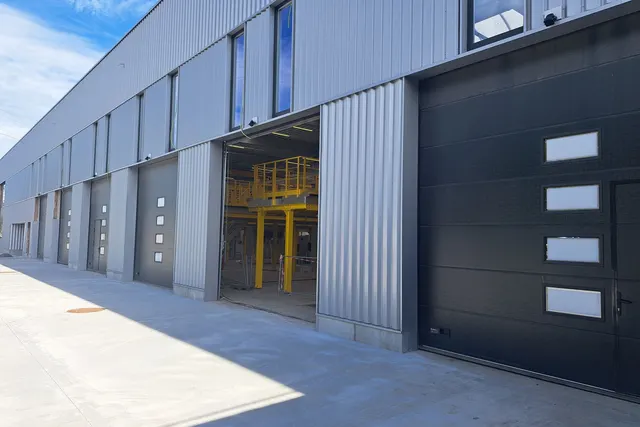
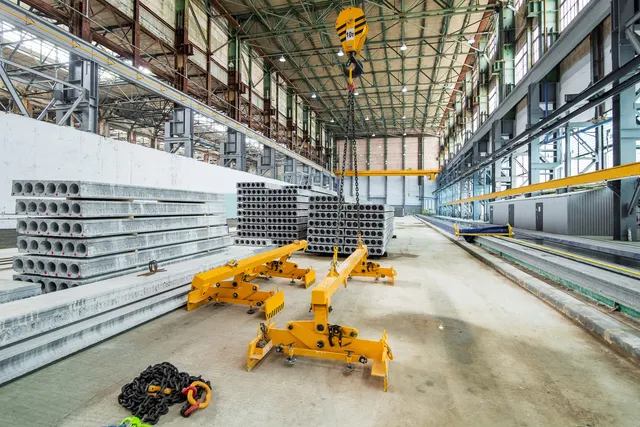
ICM echoed those comments. The company, based in Mettet, was responsible for the shell and core of three large commercial buildings on the site. This included, among other things, screw-pile foundations, a prefabricated column-and-beam load-bearing structure and the steel roof structure. “ICM is a full-service construction company specialising in prefabrication: we produce all the structural components in our workshop, then our teams assemble them on site using our own cranes. We also have our own in-house design office, which enables us to manage an entire construction project. This approach is part of our company’s DNA, and we are proud to be able to bring all our expertise to bear on a project such as Quartier Énée.”
An exemplary approach to biodiversity protection
Quartier Énée also stands out for its exemplary environmental approach. First, earthworks restored a previously buried watercourse to the open air. Green roofs and the preservation of certain semi-wetland green areas also helped conserve the site’s rich biodiversity, which included a protected endemic orchid species discovered during the works. The discovery slowed work somewhat, but the contractors and developers did everything they could to preserve the site’s biodiversity. The Quartier Énée project partners also highlighted their excellent cooperation with the local branch of environmental association Natagora, as well as its professionalism.
Question about this story? Ask your question
Keep following this
Get an email when a new story is published. No account needed.
- SubjectConstruction