











New regulations on the way for façade fire safety

Designers and contractors now have a wide range of techniques at their disposal for creating façades that are both attractive and functional.
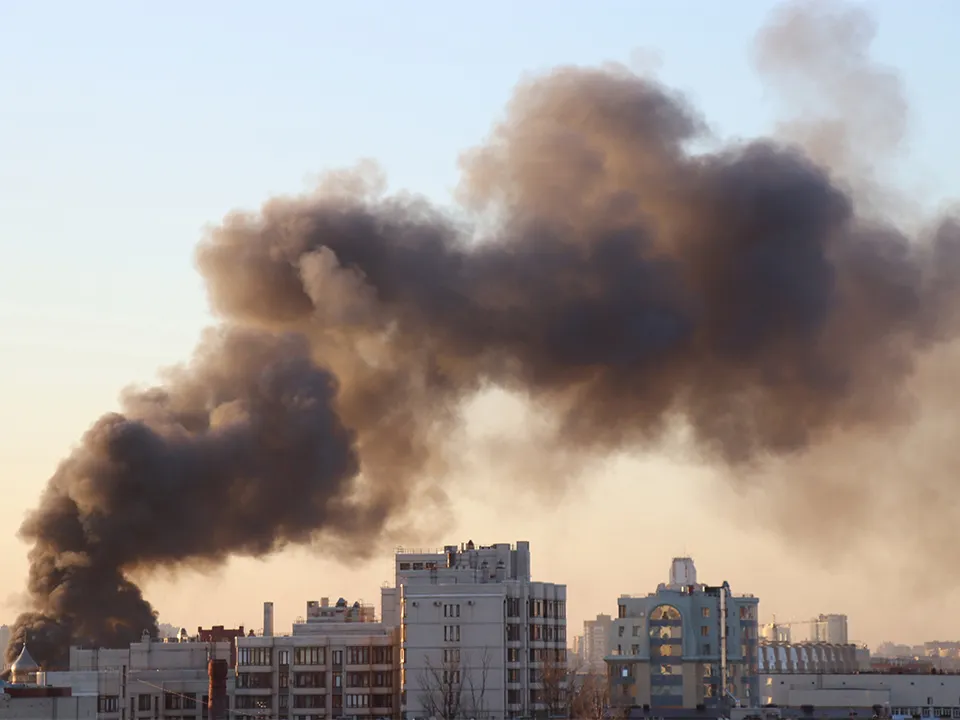
But what about fire safety? Recent examples in France and Germany, and of course the Grenfell Tower fire in London in 2017, which claimed 80 lives, have unfortunately shown that façade systems can promote the spread of fire. This is why the requirements of the Royal Decree on ‘Basic Standards’ have been revised, with the changes expected to come into force at the beginning of this year.
Fire can spread via the façade in three ways: across the façade surface, from one floor of the building to another, or within the façade system itself. While the first two scenarios were covered by Belgian regulations until now, the third was not. This prompted the revision, which is awaiting publication in the Belgian Official Gazette, and adds new requirements to prevent fire spreading within the façade itself via the ventilated cavity or a combustible element such as insulation.
The new requirements, expressed as reaction-to-fire classes for construction products, vary according to the type of façade component (although door and window profiles and glazing are exempt), the type of building (high-rise, medium-rise or low-rise) and the type of occupant. Both the requirements for the external cladding and those for the other components must be met. The former must be assessed under the conditions in which the products are used on site (end-use conditions), so not in isolation from the other layers. These requirements are more stringent for high-rise buildings (class A2 instead of B) and remain unchanged for medium-rise buildings (B-s3, d1). For low-rise buildings, a distinction is made between type 1 occupants (occupants who are not self-reliant, such as residents of care homes and hospital patients), for whom class C is now required, and type 2 or 3 occupants, for whom class D is still required.
As for the requirements for the other façade components, the first step is to distinguish between materials that are fully protected and those that are not. A material (e.g. insulation) is considered fully protected if it is protected on all sides by a construction element with a certain fire resistance. Here too, the requirements are more stringent for high-rise buildings.
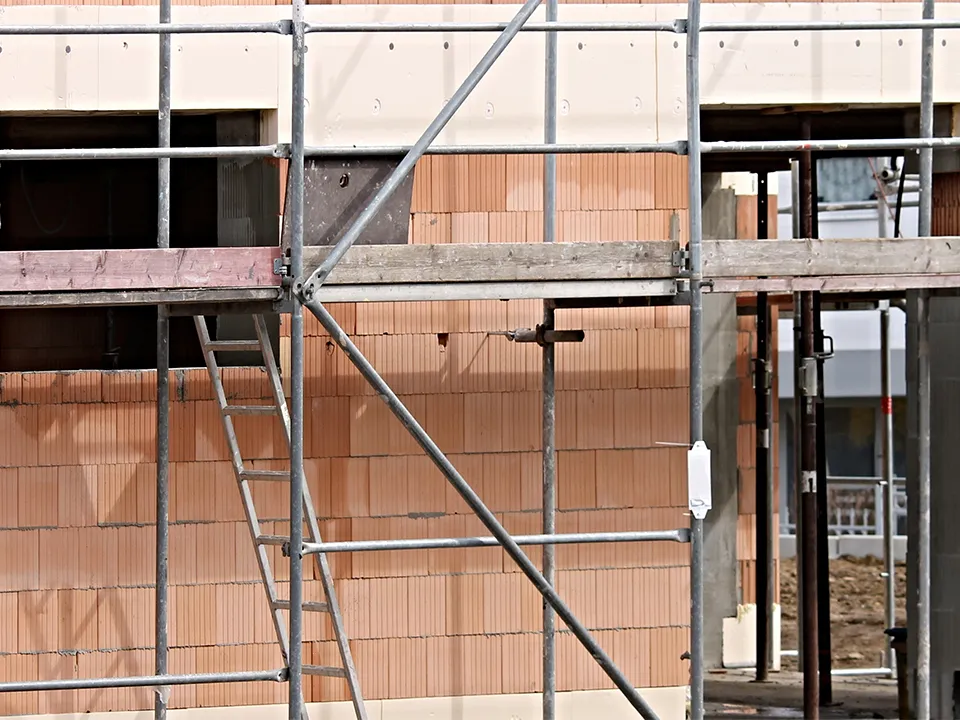
For low-rise buildings, substantial façade components that are not fully protected must therefore meet reaction-to-fire class E. If they are fully protected, there are no requirements. For medium-rise buildings, components that are not fully protected must be non-combustible (A2, except for mullions, which must be A1) or be classified E if they follow certain specifically described standard solutions or are fully protected.
The same approach applies to high-rise buildings, with the same classes, except that the standard solutions are only applicable if the components are fully protected. See CSTC publications for details of these standard solutions. Their general principle is to interrupt the continuous air cavity and combustible insulation.
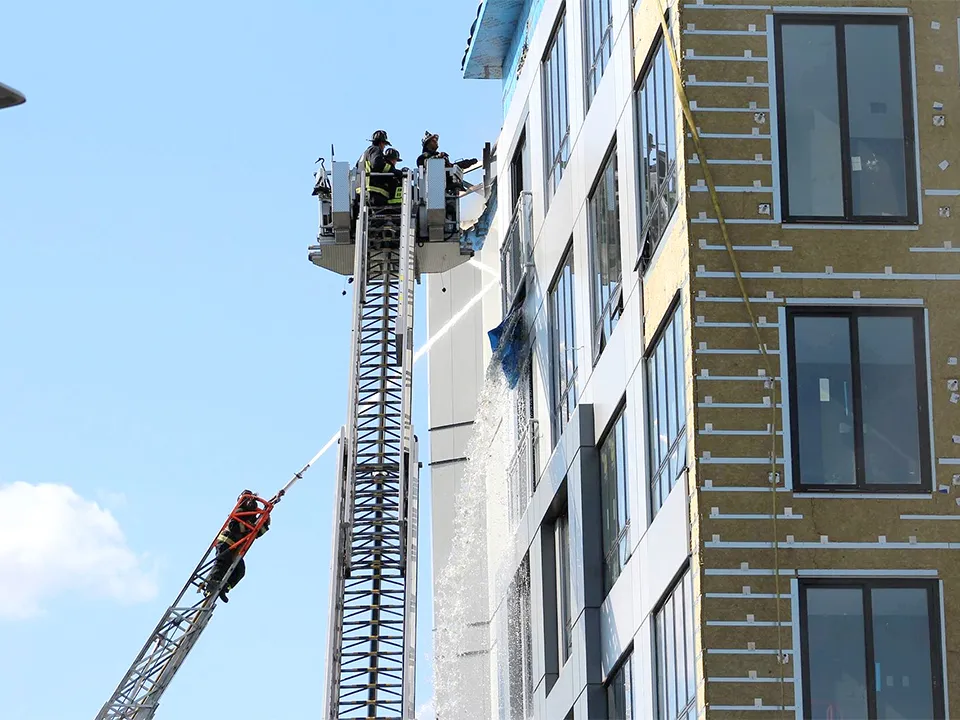
However, it is still possible to deviate from these requirements by carrying out a ‘large-scale’ façade test in accordance with British, German or French standards, pending a future European standard on the subject.
Question about this story? Ask your question
Keep following this
Get an email when a new story is published. No account needed.
- ThemeFaçades and building comfort
- SubjectConstruction







