











Good insulation keeps you warm all year round
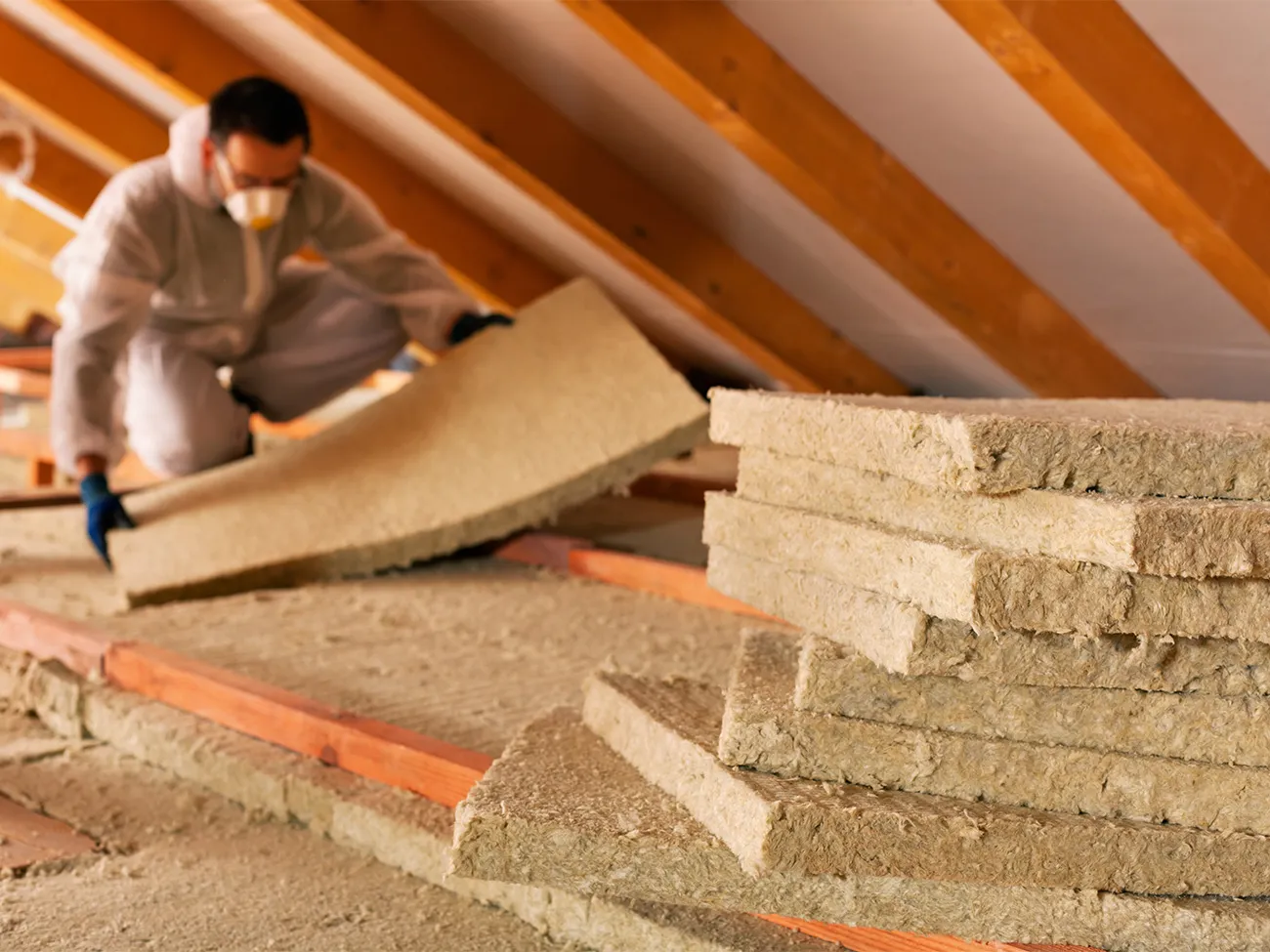
If you want to build or renovate to save energy, good insulation is essential. To help you navigate the different insulation options available, follow the advice of Confédération Construction Wallonne.
There is a wide range of techniques and products for improving the energy efficiency of insulation. In all cases, good insulation must combine meticulous airtightness work with an appropriate ventilation system.
Correct installation
The range of insulation materials available has continued to grow in recent years. Many companies are flooding the market with advice and tips on insulating a home yourself. But poorly installed insulation will not do its job and can even damage a building. It is therefore worth turning to a professional who can ensure that the insulation is installed to the highest standard.
Wool: an effective, cost-conscious choice
Insulation wool, made from mineral, plant or animal fibres, is considerably more flexible than insulation boards. This makes it well suited to providing seamless insulation between structural elements. Some types of wool are more sensitive to moisture, so particular care must be taken to manage moisture and vapour transfer through the walls.
Boards made from a range of materials
Insulation boards or panels are made by compressing materials or using a specific industrial process. As they are resistant to compression, they are often used to insulate floors and walls. These boards are easy to install, as a specialist can cut them to size. Insulation boards are available in a range of materials: polyurethane, expanded polystyrene, extruded polystyrene, plant fibres…
Spray foam insulation
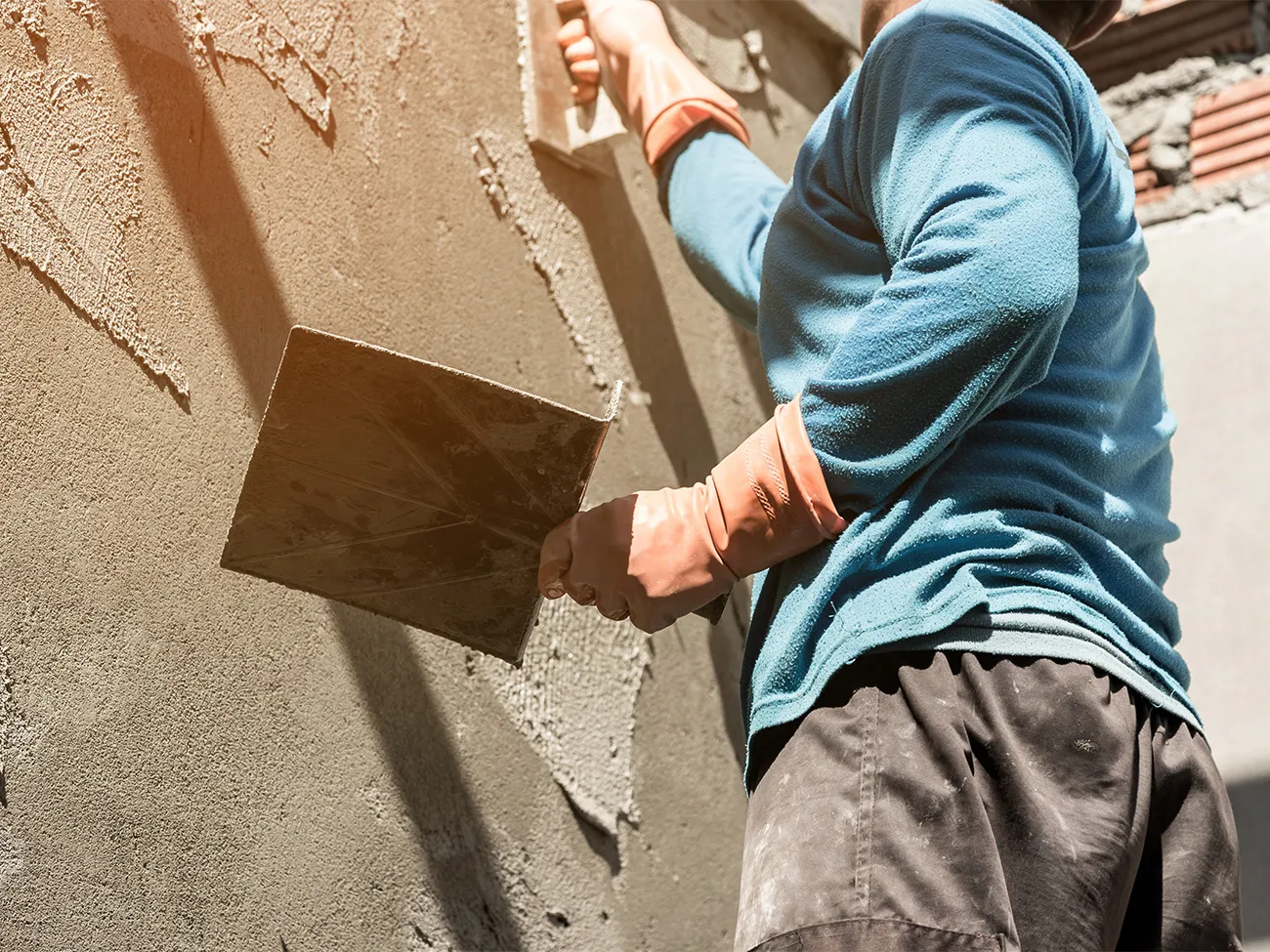
Spray-applied insulation is quick and easy to install, as the foam can readily reach every corner of the surface being insulated. The result? Seamless insulation, even around pipes and other irregularities. Spraying has therefore become a go-to solution for insulating hard-to-reach spaces such as lofts and basements.
Blown insulation for filling cavities
Blown-in insulation is another suitable technique for filling large cavities that need insulating, such as timber frames, lofts and roofs. The most commonly used blown-in materials are cellulose fibre, glass wool and wood fibre. It offers several advantages: good value for money and a wide choice of materials.
Bio-based materials
Alongside ‘traditional’ materials, bio-based materials can also be used for insulation. These include cellulose fibre, plant and animal wool, cork, hemp and straw. These materials offer various advantages but, like all materials, require particular care during installation.
Insulate from the inside or the outside?
External insulation is often the best way to retain heat in a building. It involves fixing insulation boards to the outside of the façade, protecting it from frost. The internal floor area therefore remains unchanged, and you can choose the finish for the external façade. However, planning restrictions may apply. Internal insulation is often a last resort when all other options are ruled out. It helps retain heat indoors, but reduces the usable space in the home because a layer of insulation is fitted against the inside walls. Watch out for thermal bridges!
Cavity wall insulation: quick and inexpensive
If the house was built between 1960 and 1990 and has cavity walls, you can opt for cavity wall insulation, which involves injecting or blowing insulation material into the walls. The work can be completed in a single day, with no planning permission required and no other administrative complications.
All the information you need is available at www.plateforme-isolation.be.
Question about this story? Ask your question
Keep following this
Get an email when a new story is published. No account needed.
- ThemeFaçades and building comfort
- SubjectConstruction







