A Swiss Army knife in the joinery sector
Texte Philippe Selke Photos Moury Construct
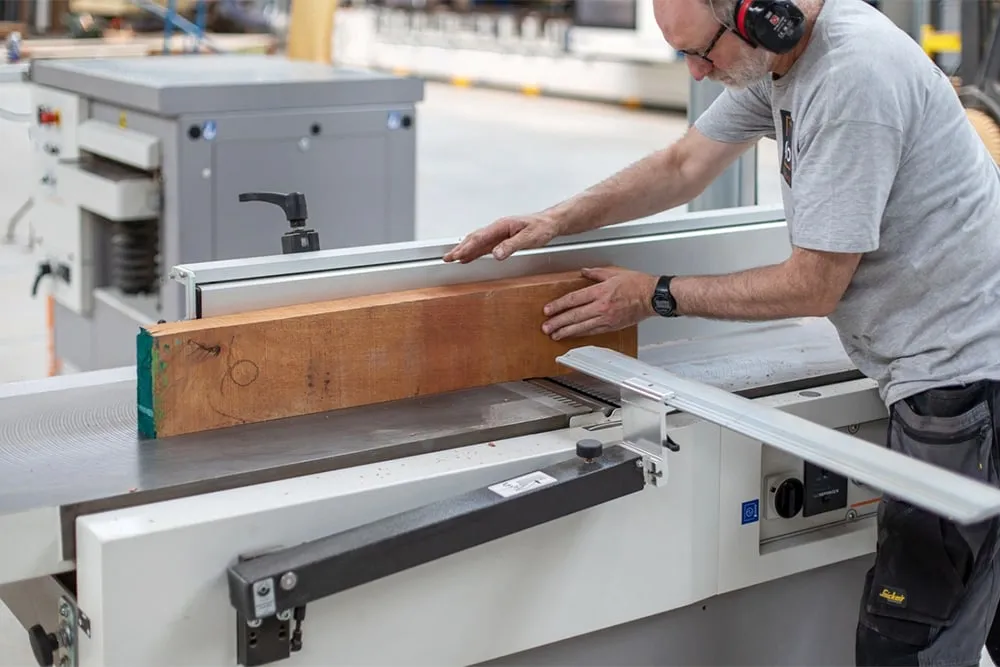
A long-standing activity previously integrated into Moury’s general contracting companies, the joinery became an independent entity in 1983 under the name Mosabois. Holding D5 accreditation, class 5, and D4 accreditation, class 1, it continues to work for companies in the group as well as external clients, and has recently added finishing works to its repertoire. Flexible and responsive thanks to its size and expertise, it is a real Swiss Army knife, as Maxime Grella, Deputy Head of Joinery, explains.
Mosabois has around 20 skilled joiners. Maxime Grella: “Some specialise in furniture, others in interior joinery, and others in exterior joinery. This range of skills, combined with the right equipment, enables us to handle a very wide variety of requests. Although joinery accounts for the smallest share of the group’s turnover, we have the advantage of being able to work with our colleagues from tendering through to project delivery, which also makes it easier to win certain contracts.”
A wide variety of projects
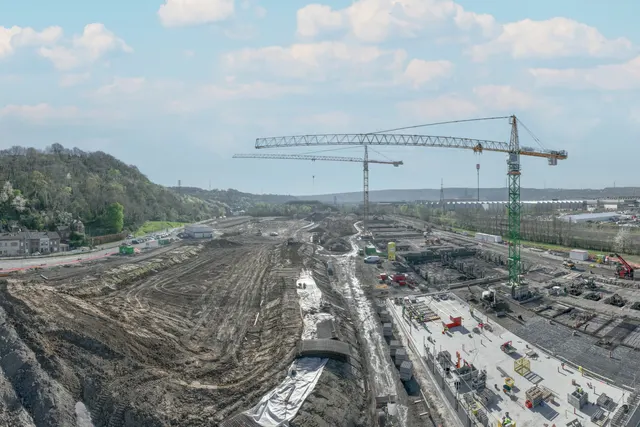
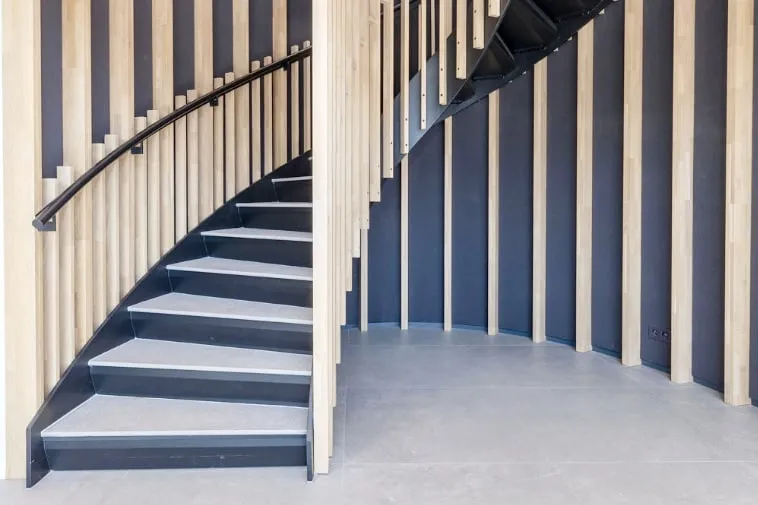
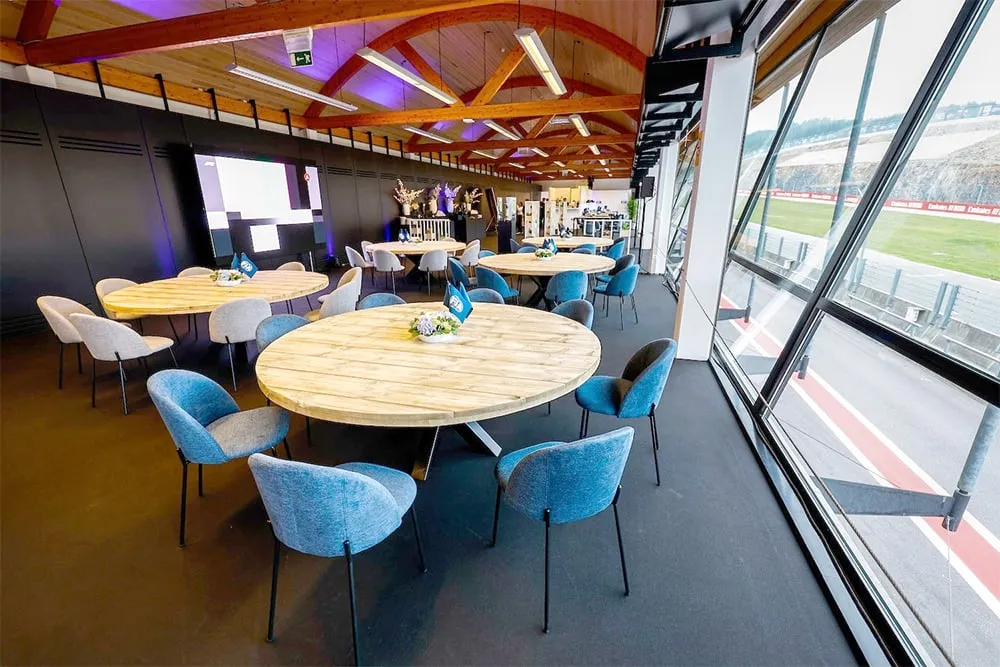
The Pôle des Savoirs on the Bavière site, the restoration of Jehay Castle, the new halls at Liège Expo, several swimming pool renovations and property developments are just a few examples of Mosabois’s versatility. While the company specialises in bespoke interior joinery, it also builds timber-frame structures for some projects, such as the Fiacre creative hub in Liège, which involves the conversion of a listed former church and the construction of a new building. For G. Moury, Mosabois carried out the interior joinery as well as the timber-frame floor and façade structures. Demonstrating the autonomy enjoyed by each company within Moury Construct, Mosabois also has clients outside the group. Maxime Grella: “Avroy38 on boulevard d’Avroy, delivered for Immopro, is one example.”
Looking to the future
Maxime Grella is confident about the future of joinery. “We are seeing sustainability criteria feature increasingly often in specifications. Structural timber also clearly has a role to play: its light weight and speed of installation are undeniable advantages on some sites.”
Mosabois has recently diversified its activities by setting up a new department dedicated to finishing works. “This allows us to tender for contracts that include second-fix work alongside joinery, such as painting, plastering, partitions and other finishes.”
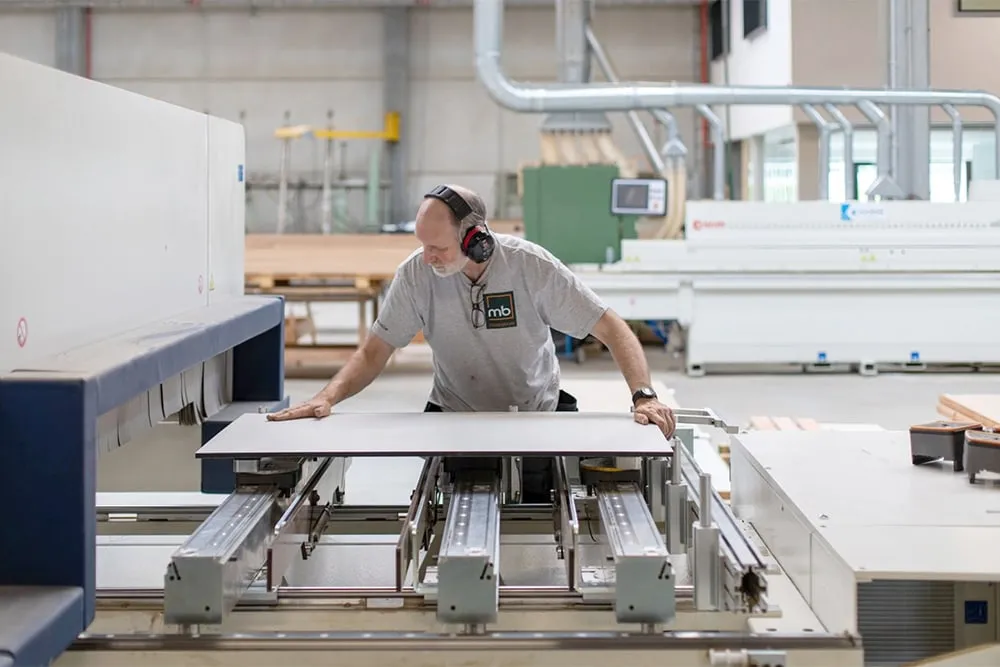
With the aim of improving its efficiency and its ability to meet a wide range of needs, Mosabois has invested in CNC machinery. “We had already invested in a CNC machine, and are building on that investment with the acquisition of two new connected CNC machines, which allow us to monitor production more effectively and improve communication along the production line.” The company also has a centralised extraction system to collect and recycle wood waste.
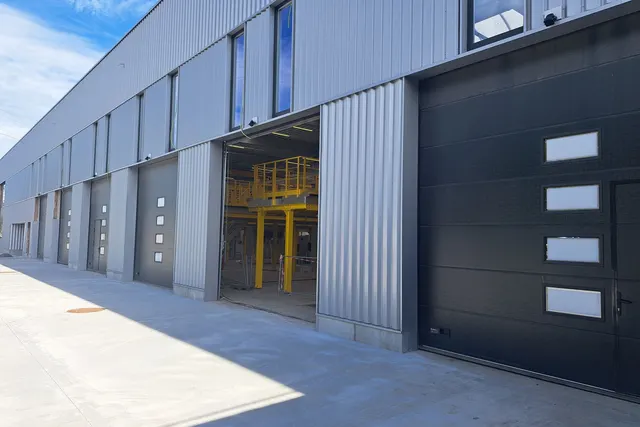
Sustainability is more than just a buzzword for the group. The building in Ans shared by Mosabois and Moury Contruct’s administrative and management teams was designed as a “photovoltaic volume”, with solar panels on the façades and roof, enabling it to generate a large proportion of the energy consumed by the workshop.
Building a future in timber
Like others in the construction industry, the company faces a shortage of skilled workers. It focuses on training and supporting young people to encourage them to stay with the company after completing their training. Another sign of its sound approach to staff management is that Mosabois employs several father-and-son pairs.
Question about this story? Ask your question
Keep following this
Get an email when a new story is published. No account needed.
- ThemeFaçades and building comfort
- SubjectConstruction