What future for concrete?
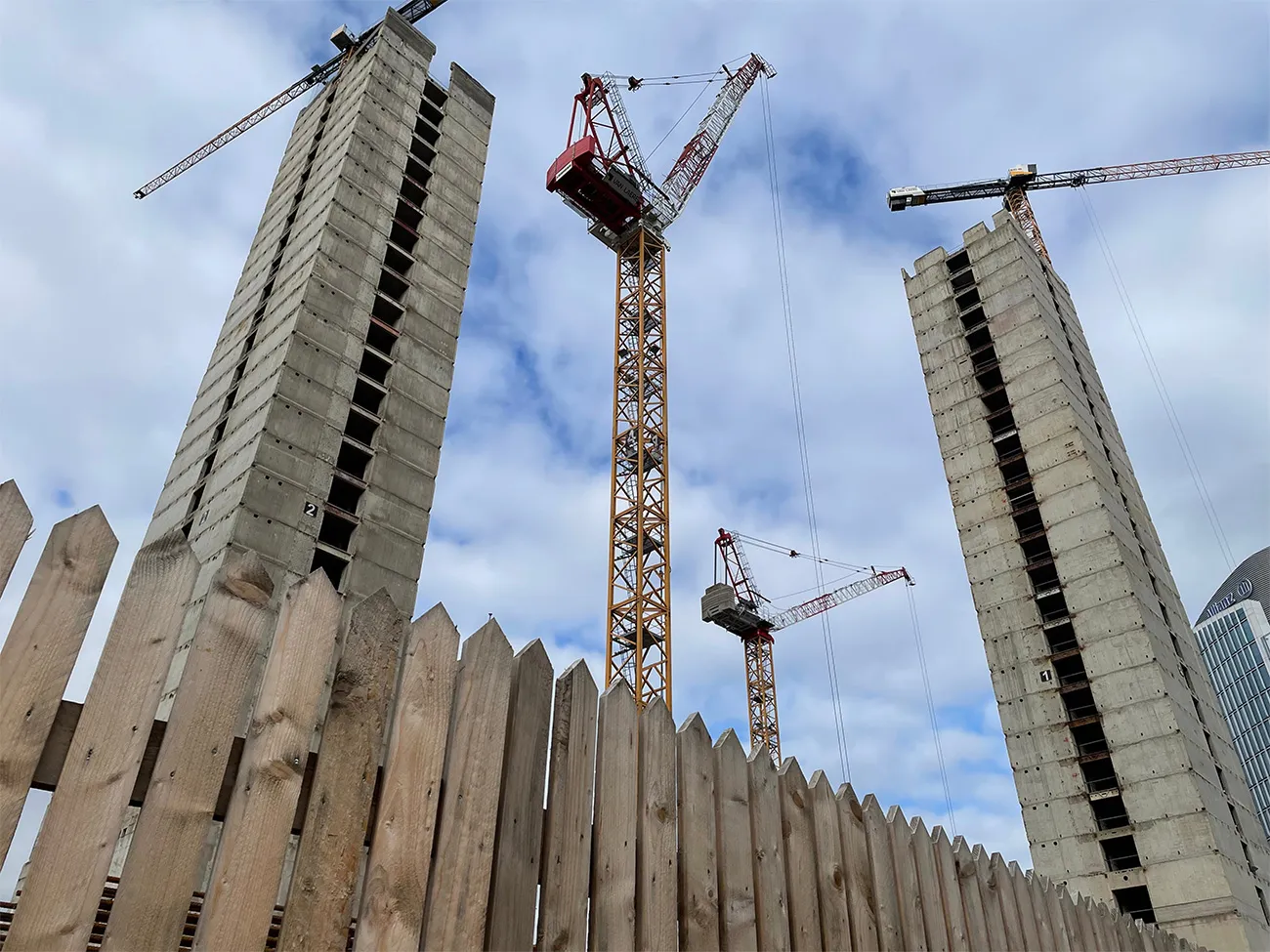
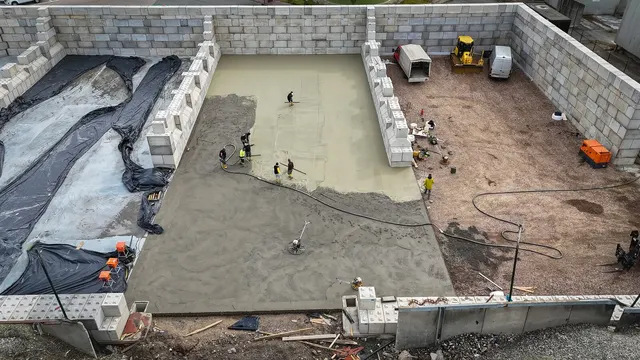
Concrete is responsible for around 8% of the planet’s carbon footprint, making it one of the industries expected to help deliver a decarbonised Europe within 30 years. Various plans are in place, and manufacturers themselves are considering how to produce less polluting concrete or recycle it. The goal is clear: to help create a circular, carbon-neutral construction industry by 2050 that will continue to use concrete.
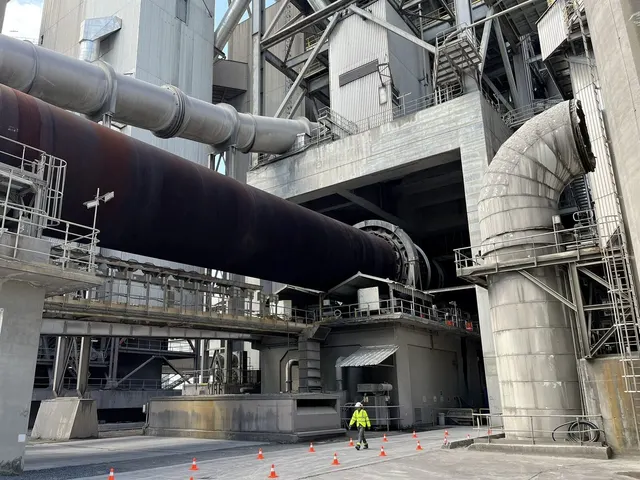
“Producing concrete requires a huge amount of fuel,” explained Lionel Devlieger of RotorDC recently. “A large amount of CO2 is released when this fuel is produced, and even more when limestone is burned. This results in a double CO2 emission. Concrete producers are well aware of the problem, which is not easy to solve because concrete production is a very particular process.”
Is eco-concrete possible?
At the end of 2019, the European Commission launched the ‘European Green Deal’ to drive the transition to a climate-neutral, circular Europe. In line with these objectives, the European URBCON project was set up to research and develop innovative forms of eco-concrete, with a view to accelerating circularity in the concrete sector by incorporating industrial waste streams and improving the recycling and upcycling of construction materials. Commissioned by URBCON, IDEA Consult launched a survey to map the acceptance of eco-concrete among construction companies and related sectors (architects, logistics, waste management, etc.). However, no results from the survey appear to be available at present.
Roadmap 2050 and Circular.concrete: on the road to the future
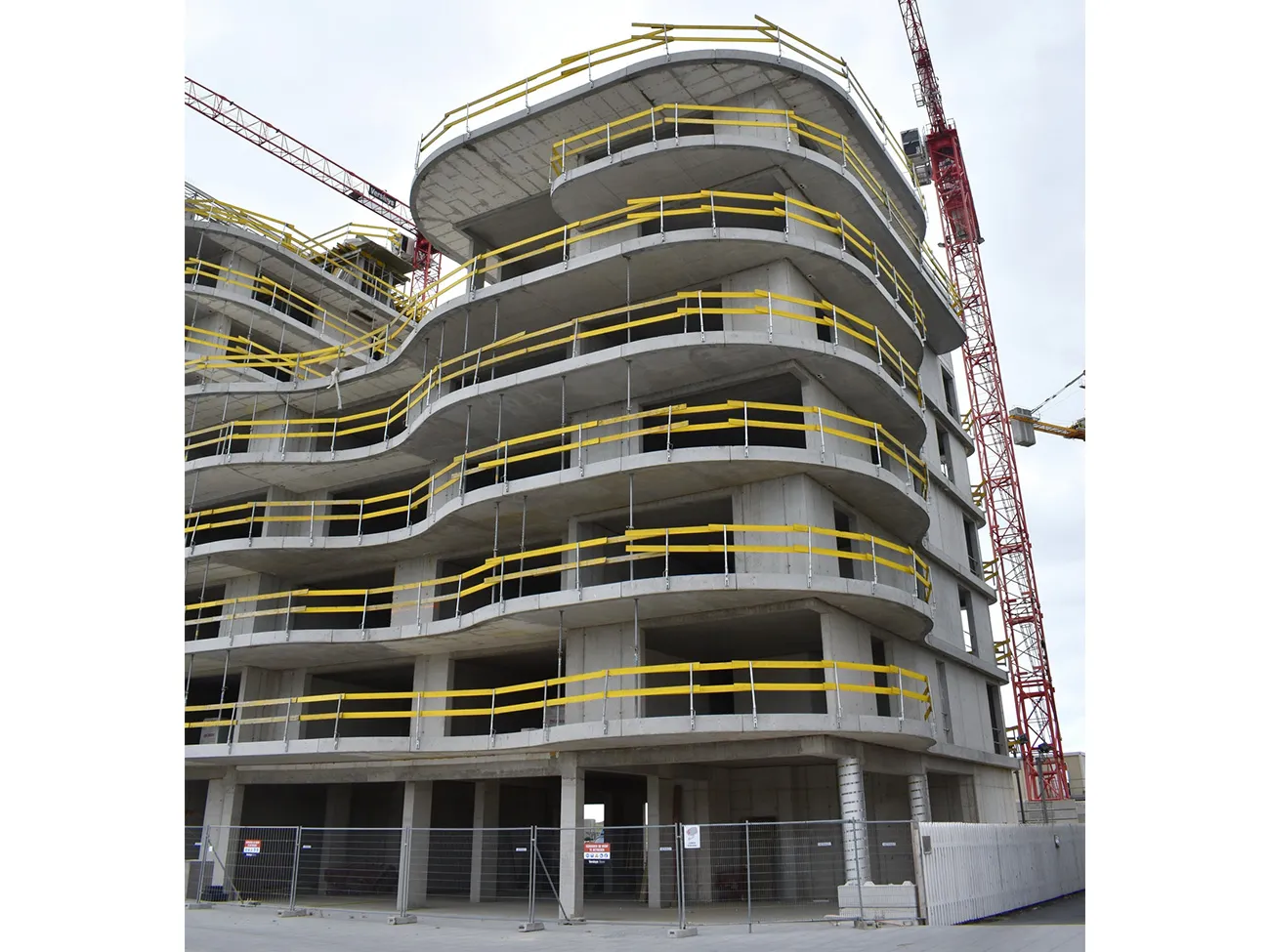
With its ‘Roadmap 2050 for cement and concrete’, the Belgian Cement Industry Federation (FEBELCEM) has developed a tool to make cement and concrete more environmentally friendly by 2050. It sets out how cement, through the production and use of concrete, could help create a circular, carbon-neutral construction industry. The Roadmap proposes a fundamental transformation of the construction value chain and requires commitment from all its stakeholders (clients, architects, materials producers, contractors and public authorities). To achieve this, the cement industry will need to step up collaboration with other industrial sectors, particularly on carbon-neutral electricity, hydrogen, and the transport and use of CO2. It should also be borne in mind that this far-reaching transformation will require enormous investment.
In 2019, FEBELCEM also launched the Circular.Concrete project with several professional partners to put technological innovations into practice. The Federation noted the growing political focus on the environmental footprint of buildings and structures, notably through the use of TOTEM, as well as on a more circular construction economy, through initiatives such as the Green Deals in Flanders and Wallonia and the Regional Circular Economy Programme in Brussels.
Manufacturers take action
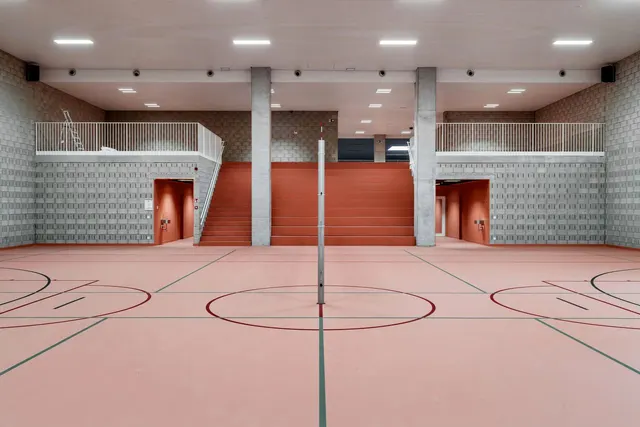
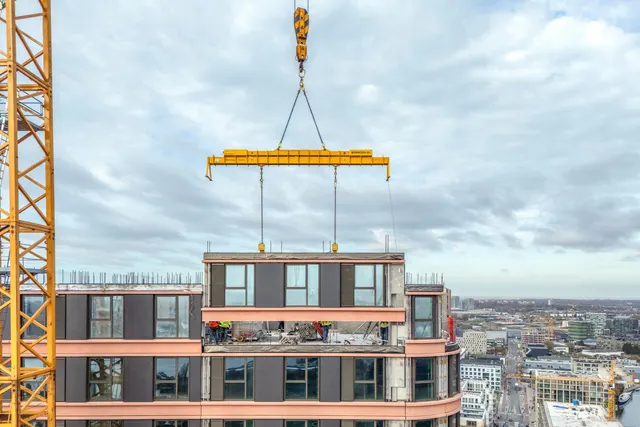
In recent years, businesses and research centres have strongly encouraged more environmentally friendly alternatives at every stage of the concrete value chain: using recycled aggregates, lower-impact cement types, reusing construction materials, and building in a more modular, demountable way, among other measures. However, it can be difficult to move from the laboratory or prototype stage to more widespread use on Belgian construction sites.
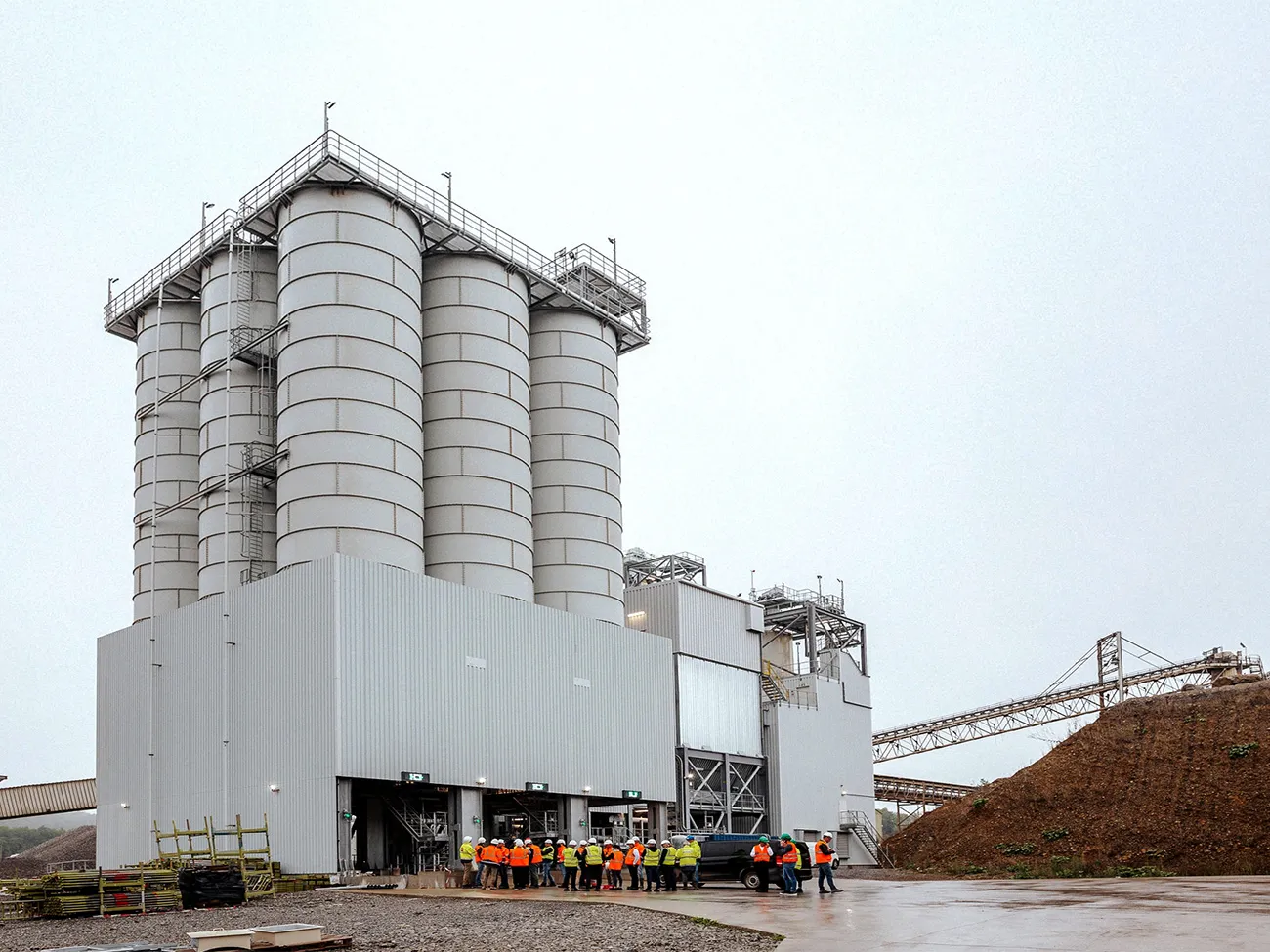
Two manufacturers have recently highlighted their progress in this field. CCB (Compagnie des Ciments Belges), whose product range has been Cradle to Cradle™️ Silver certified, meaning its products are considered safe and circular, and are manufactured responsibly. And the Carmeuse group, which recently inaugurated a new limestone filler production unit at its Aisemont site. Concrete made with 20% of this product will have considerably lower CO2 emissions during production and use (the figure cited is 130 000 t per year in Belgium alone).
Question about this story? Ask your question
Keep following this
Get an email when a new story is published. No account needed.
- ThemeBuilding with less carbon
- SubjectConcrete