Smart concrete solutions to tackle climate challenges
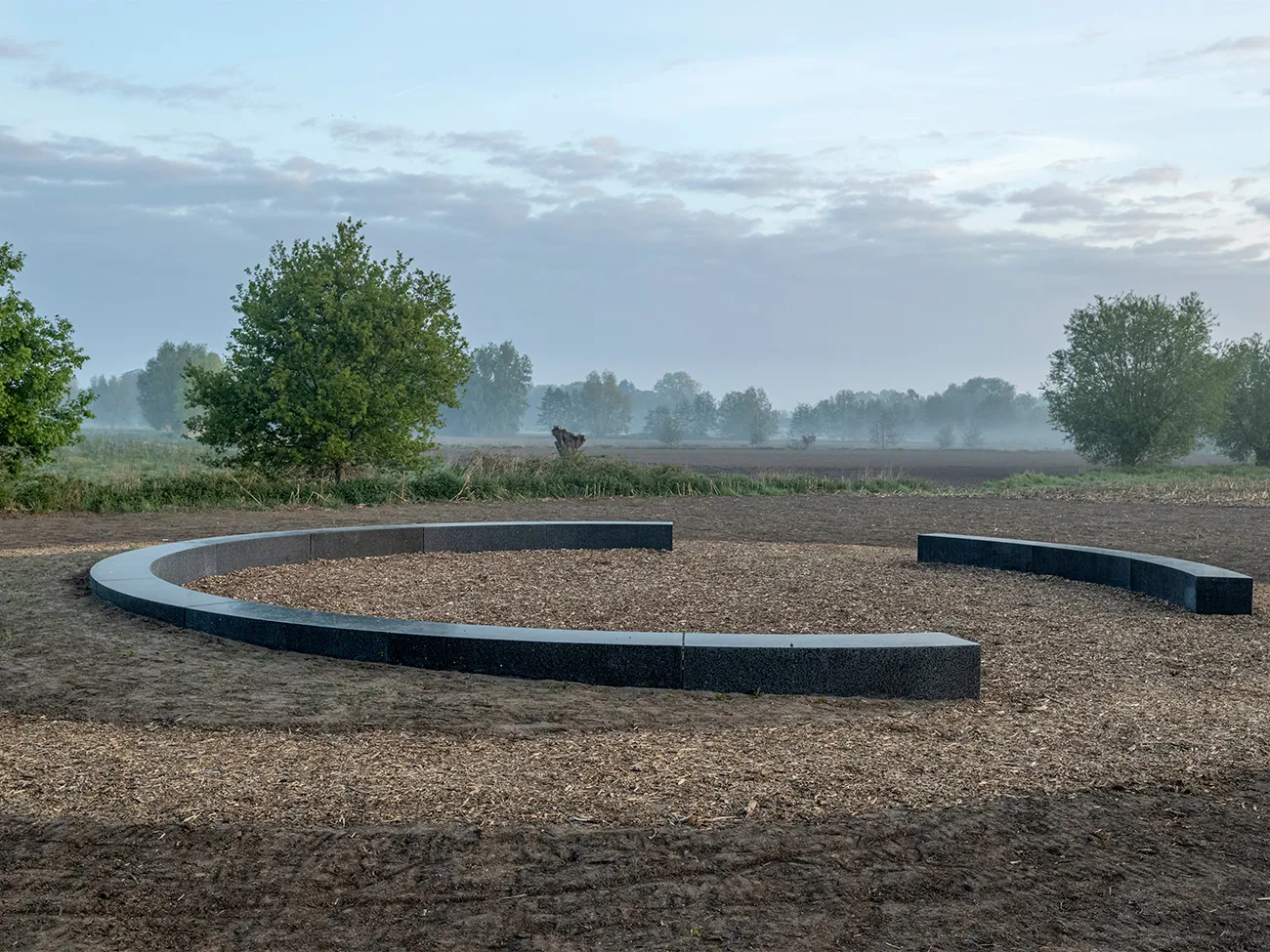
In response to climate challenges, more and more public spaces are now being designed to withstand the effects of climate change. Concrete is proving to be an excellent construction material for tackling these challenges. “We urgently need to shed the unjustified negative connotations that concrete has acquired because of the now outdated slogan ‘stop concreting’. On the contrary, concrete is an ally in the fight against climate problems,” says Maarten Mathijssen, Product Manager at Ebema.
Ebema says it aims to improve spaces. “We improve spaces for businesses, public authorities and private individuals. We make them better, more pleasant, safer, more attractive, greener, stronger… We develop state-of-the-art concrete solutions. We press or cast concrete to make paving stones and Megategels slabs, as well as bespoke products,” the company says enthusiastically. Concrete is a flexible and reliable material that can offer solutions to a wide range of challenges. “Especially when it is used intelligently,” explains Maarten Mathijssen. “The ‘stop concreting’ slogan, which has been around for years, has nothing to do with concrete itself. It is about not building on the remaining open spaces. It is therefore regrettable that this political slogan has given concrete as a material negative connotations.”
Green, blue and grey
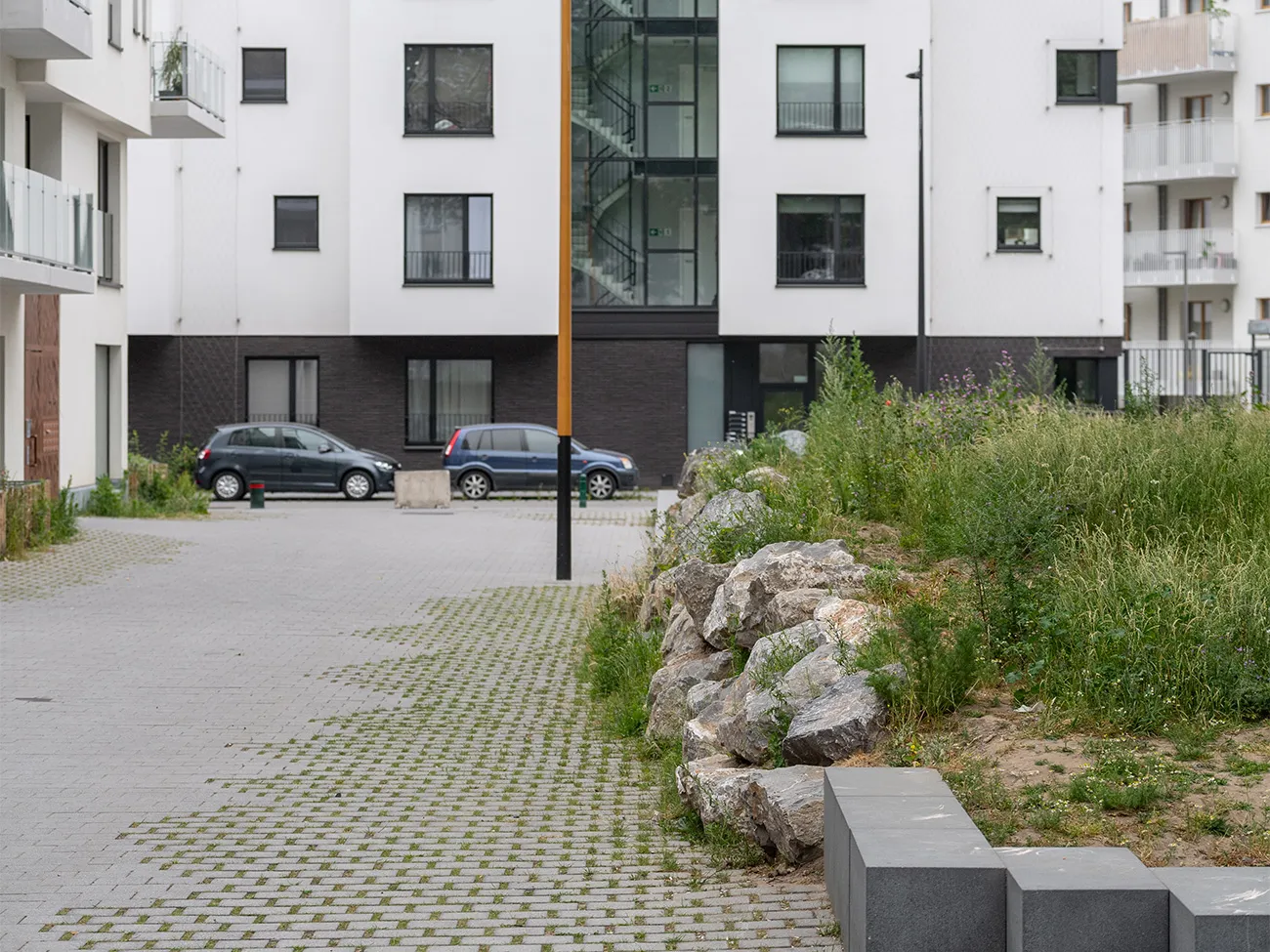
“We need to shed these negative connotations, which is why we prefer to talk about using concrete intelligently,” continues Maarten Mathijssen. “Green (nature), blue (water) and grey (concrete) go together perfectly. Ebema’s Eco solutions, for example, allow paving to be laid with ample space for water infiltration, which is crucial given falling groundwater levels. For instance, we have developed a kerb that, unlike a conventional kerb, is discontinuous, so not all rainwater flows into the sewers and some can also infiltrate into the verge.”
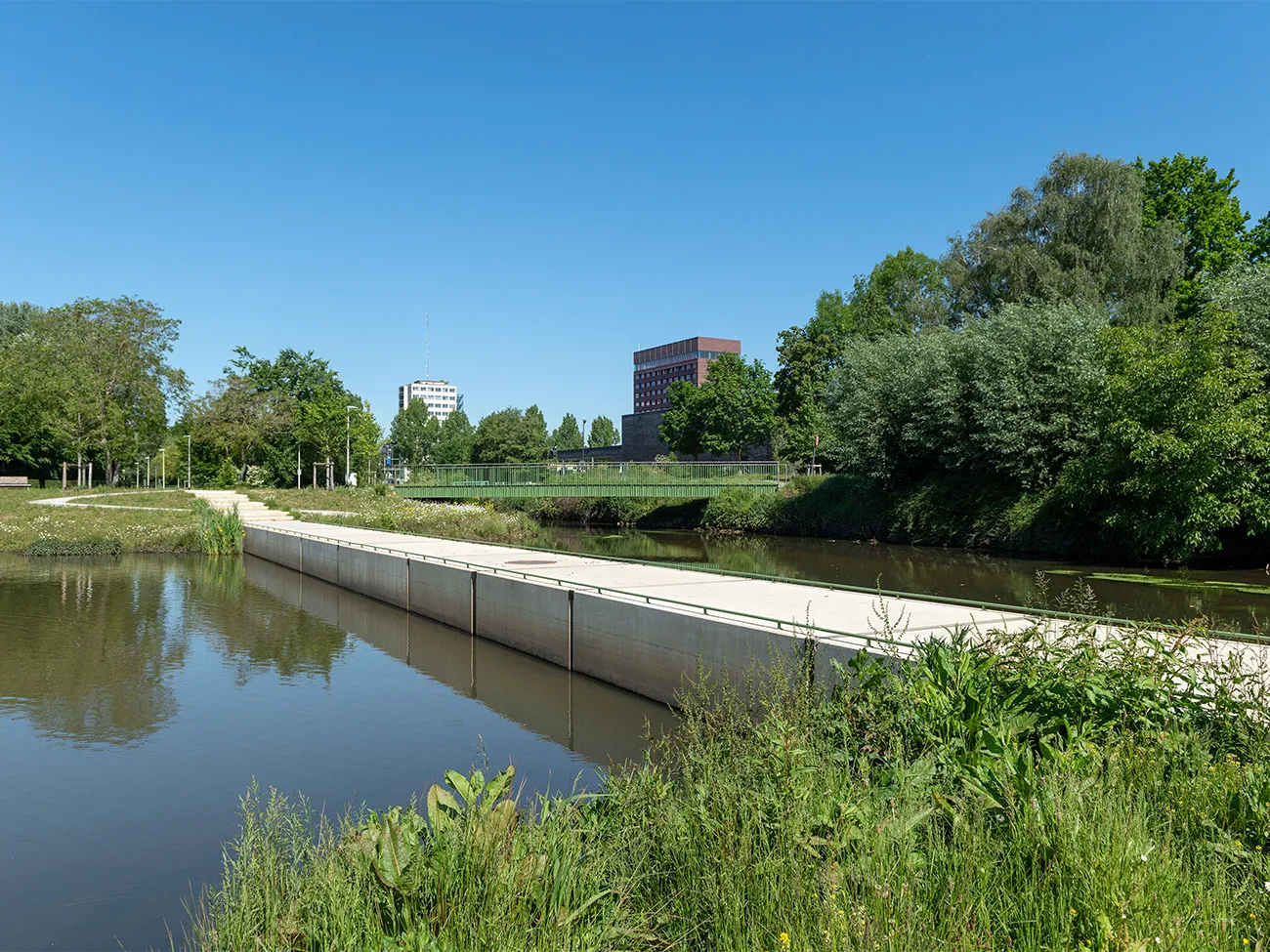
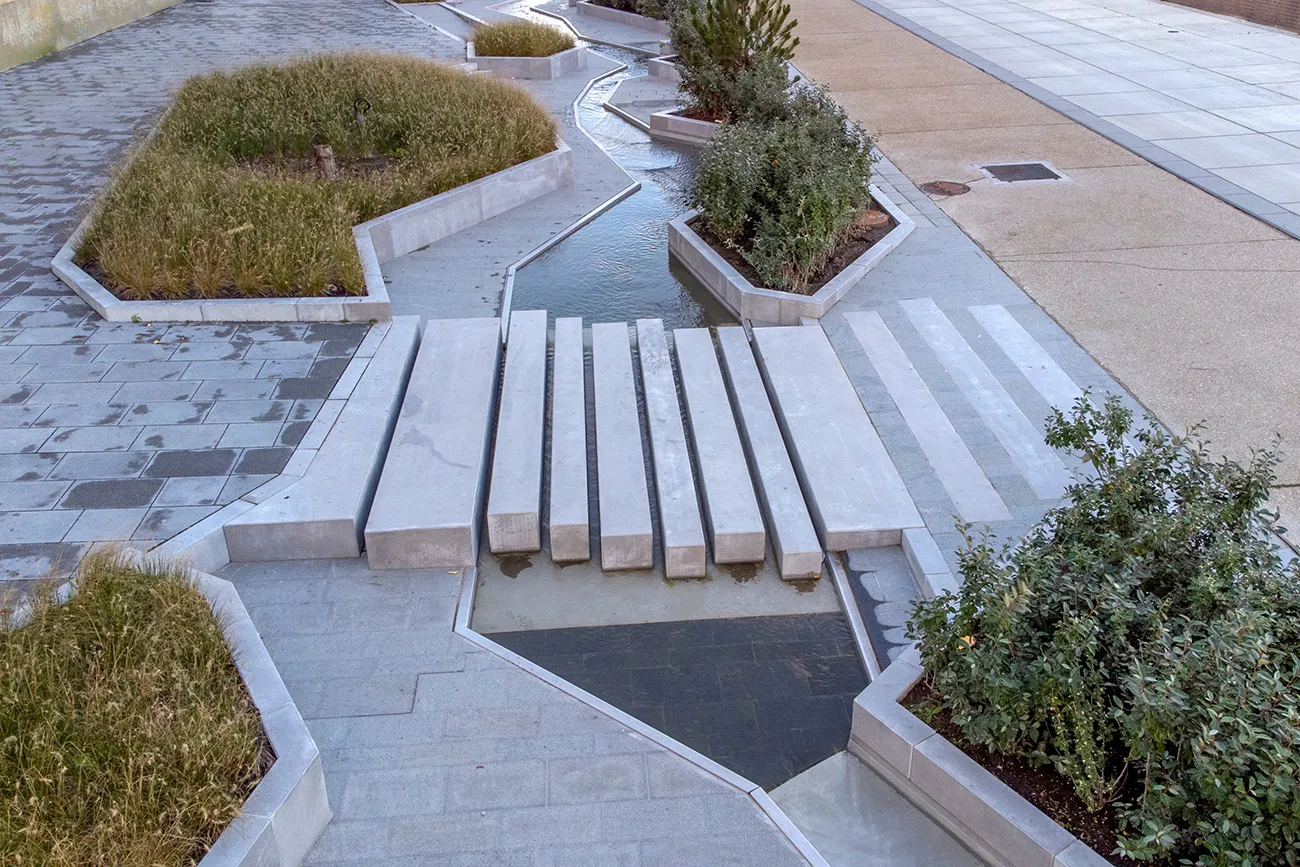
With its LivingCity range, Ebema aims to be the ideal partner for public projects. Infiltration through concrete elements with wide joints in Antwerp’s garden streets to combat flooding, a combination of permeable and solid slabs for comfortable walking on the Tivoli project in Laeken, the visually striking Cityriver retention basin in Ostend, the use of drainage elements on a road in Mortsel… These are just a few examples of the many Ebema_LivingCity projects that highlight the role of concrete in tackling climate problems. Maarten Mathijssen says: “A project that is particularly close to my heart is Kapermolenpark in Hasselt. It is a special project because of the link created between the Demer and the park’s pond. For the pond, Ebema built a path from concrete troughs measuring 3, 4 and 5 m, which were placed upside down in the basin. Gaps were left between the troughs, and these can be closed with beams. This created a water basin that allows the water in the Demer to connect with the pond in a controlled way.”
Alternative binders
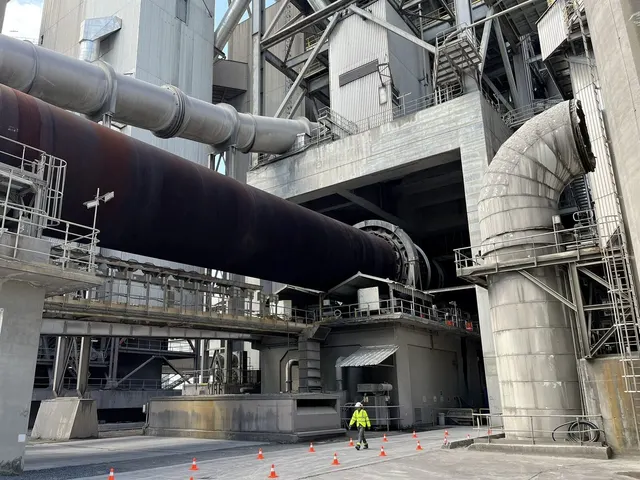
As a robust material, concrete is particularly well suited to creating such solutions. Maarten Mathijssen explains: “It is often forgotten, but concrete is and remains a natural material, made from natural raw materials. As a product, concrete is particularly durable. Of course, we recognise that the production process, especially cement production, remains a challenge. But Ebema is also actively seeking a solution to this problem. A great deal of research is being carried out into alternative binders. There is certainly still scope to improve the environmental performance of the production process. Another advantage of concrete over many other materials is its price. In an increasingly expensive world, the economic aspect should not be overlooked alongside the environmental one. And in this respect, concrete stands out positively.”
A very wide range of applications
From paving stones to technical elements and public benches, concrete also excels in terms of aesthetics and flexibility. “Through our Ebema_CustomConcrete department, we focus on clients whose requirements fall outside our standard range. These often involve specific aesthetic requirements for public spaces. Concrete is ideally suited to bespoke work, which is a major added value. Today, durability, aesthetics and price are three crucial factors for towns and municipalities seeking to make their public spaces climate-resilient. Concrete stands out positively on all three, which is quite unique,” concludes Maarten Mathijssen.
Question about this story? Ask your question
Keep following this
Get an email when a new story is published. No account needed.
- SubjectConcrete