











Premium circular products made from upcycled construction waste
Texte Philippe Selke Photos Groupe Jean Nonet
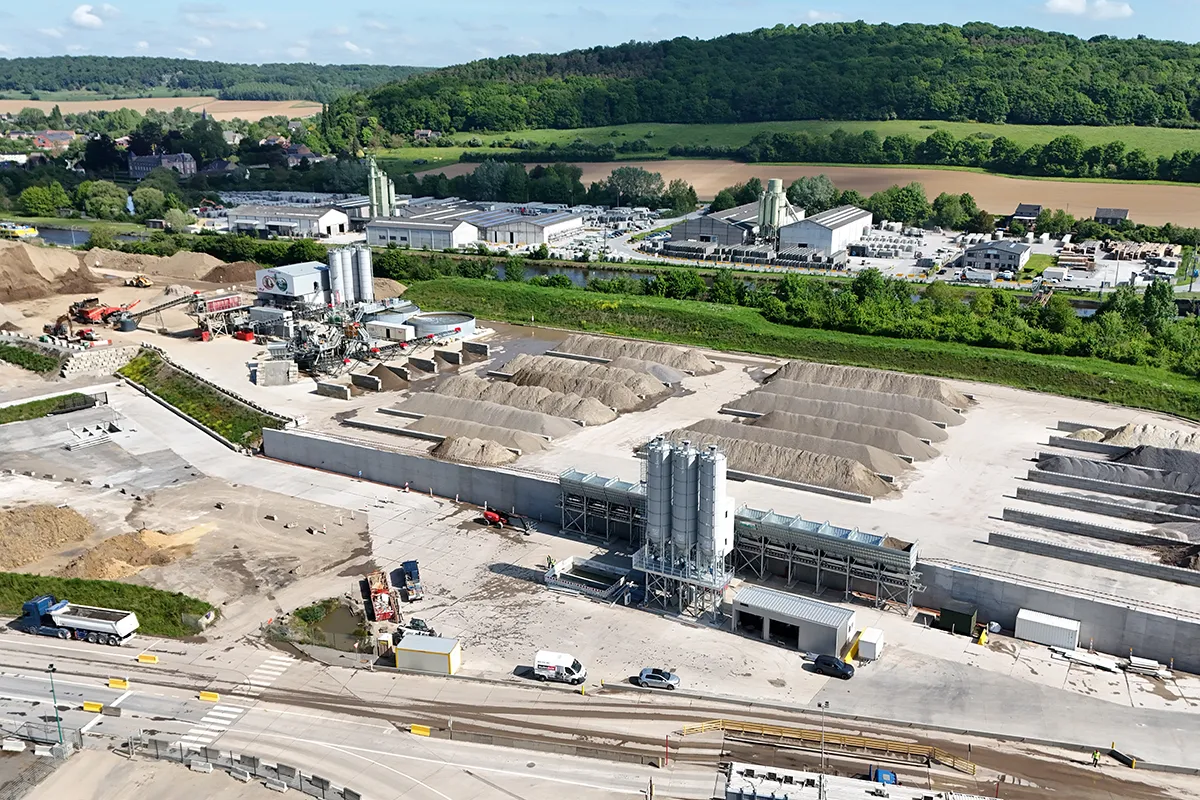
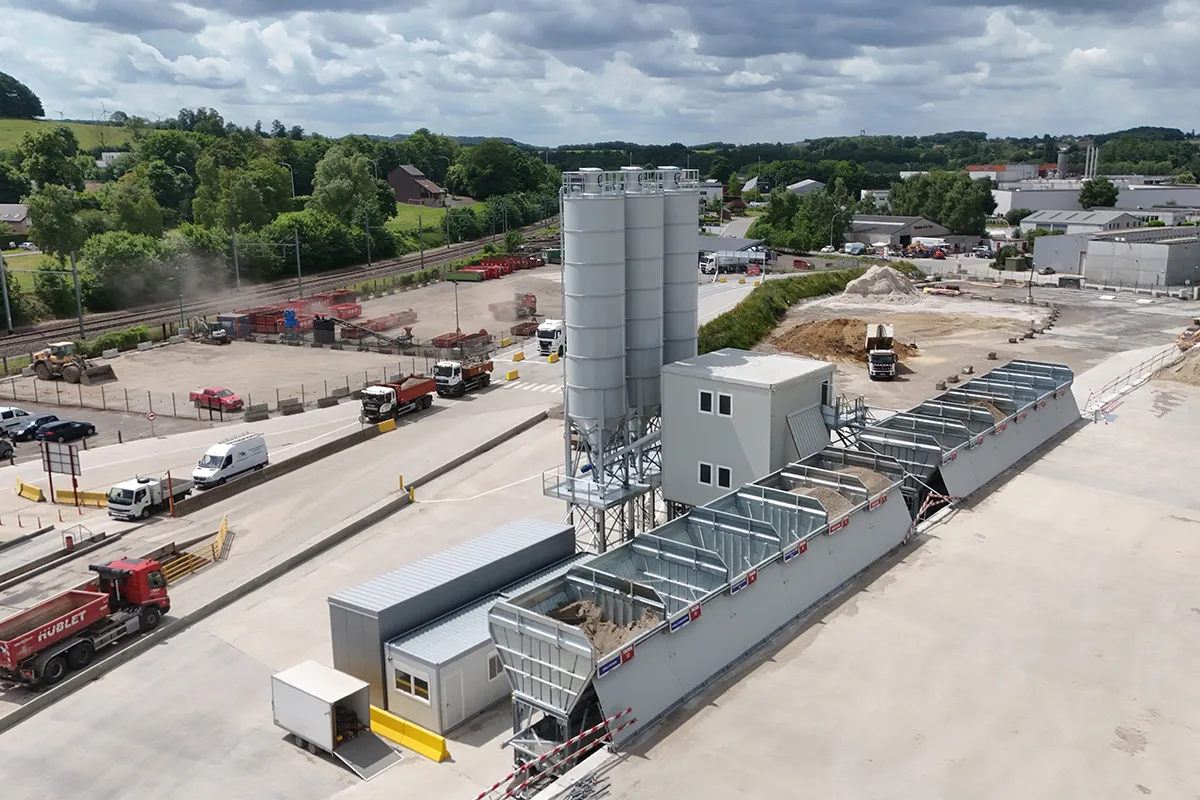
At its recycling centre in Floreffe, Hublet, a member of the Jean Nonet group since 2003, is continuing its quest to produce ever higher-quality products from construction waste. The only company in Wallonia to wash incoming waste in this way, it extracts two types of sand and four types of aggregate, which it uses on the group’s sites or sells. These high-quality products also supply a lean concrete plant, while rich concrete production has passed the tests successfully and will be launched on the market as soon as the new concrete plant is operational.
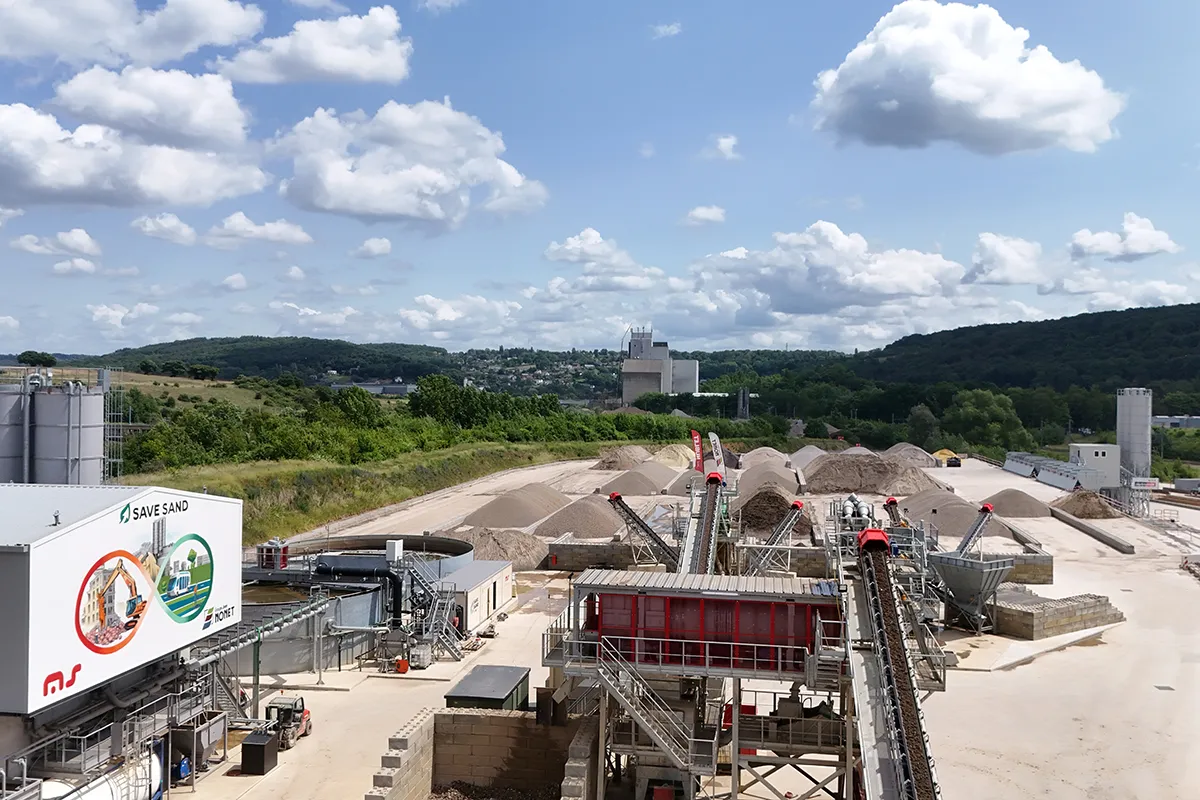
Nonet, a contractor specialising in external works, including roads, utilities and demolition, has gradually brought other companies into the fold whose trades complement its historic business: pipeline installation, asphalt paving, …. Hublet is one of them, specialising in recycling construction waste. Significant investment now makes it possible to move from R&D to commercialisation, while maintaining a circular approach aimed at reducing the carbon footprint. Richard Marchand, Recycling Director at the Jean Nonet group: « In recent years, we have steadily increased production of recycled materials. Starting with conventional screening and crushing, we first moved into producing lean concrete that combines recycled and quarried materials, and have now progressed to lean concrete made from washed waste. Our next objective, which is very close, is to market rich concrete made from washed waste alongside the conventional products made from quarried materials. »
Walloon pioneer in washing inert waste
Originally, washing was intended to eliminate the remaining non-compliant material in incoming waste streams. Hublet was able to recover 100% of crushed concrete and asphalt using screening and crushing, but only around 30% of soil-rich mixed waste, mainly from utilities and roadworks sites. Thanks to the washing plant, aptly named « Save Sand », which entered service a year ago and has since been further upgraded, the company has more than reversed that proportion, recovering over 70% of soil-rich mixed waste, with « floatables » among the materials effectively removed. Optimisation work is continuing.
Aurélien Nonet, R&D Manager for the group that bears his name, adds: « Our strategy has always been to apply the right technology to give our products as much added value as possible, rather than simply to remove a material’s waste status. We took an important step at the end of last year by laying two large slabs at our site in rich concrete made from recycled materials recovered through washing. The compliance of this concrete was confirmed by both our own laboratory and an independent laboratory. By offering products of equivalent quality to ‘virgin’ products, we will be able to feed them back into the loop indefinitely, achieving genuine circularity. Of course, standards need to keep pace, and we are working on that. »
A little, a lot, passionately, forever…
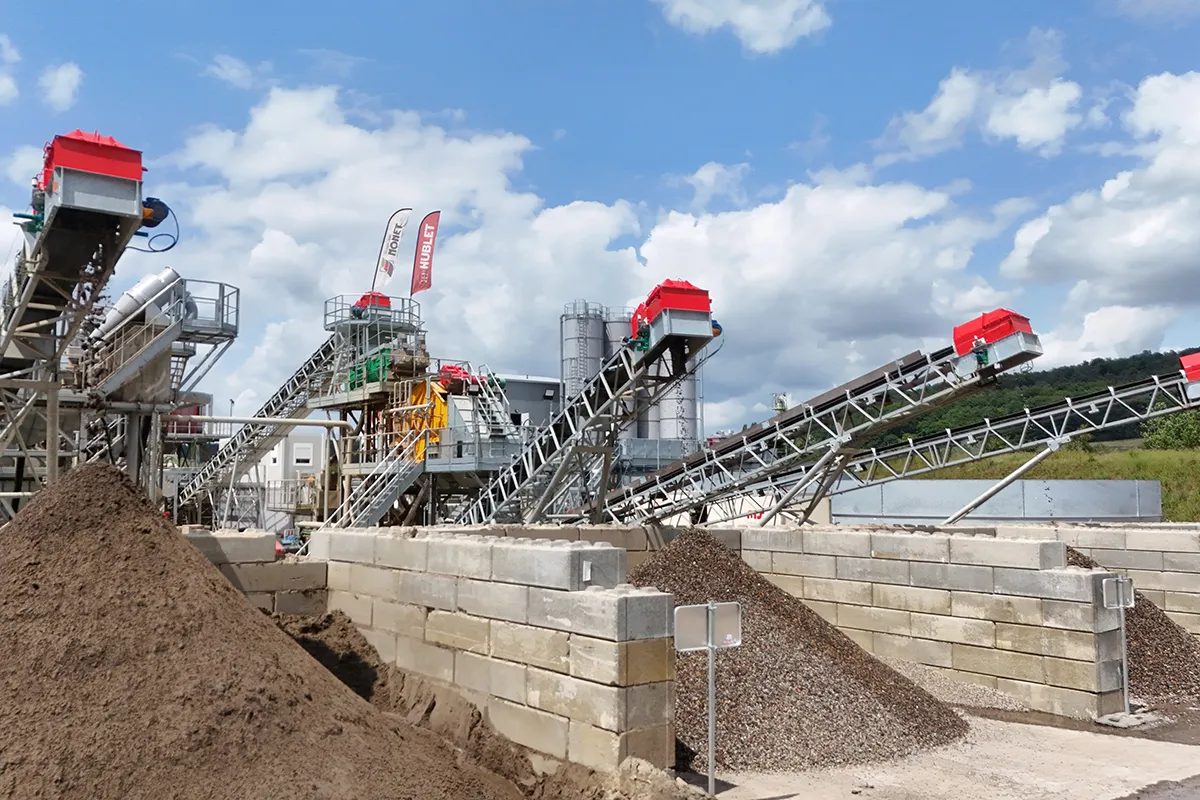
As is clear, the Jean Nonet group is ready to offer high-quality, CE2+ certified materials made from what until recently was considered construction waste, most of which was destined for landfill. Once used, the concrete produced in this way can itself be demolished and recycled dry through conventional channels until the material becomes too contaminated and has to go through a washing plant to be fed back into the loop, … indefinitely. This level of circularity goes beyond cradle-to-cradle, reaching the level of upcycling, or surcycling in French, with the new product positioned higher up the value chain than the demolished material. The result is significant progress in the local economy, reduced transport and the responsible use of natural resources such as sand.
Question about this story? Ask your question
Keep following this
Get an email when a new story is published. No account needed.
- ThemeBuilding with less carbon
- SubjectConcrete







