Making the most of soil and rubble with complete autonomy
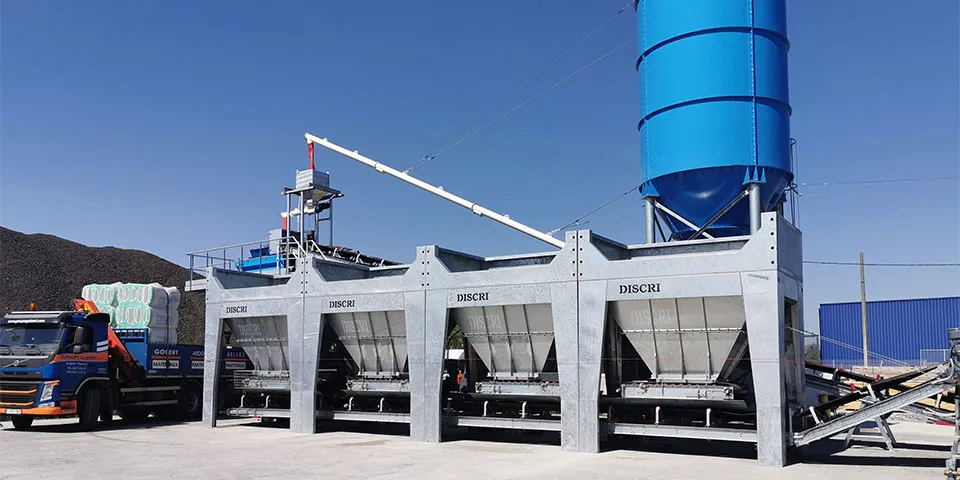
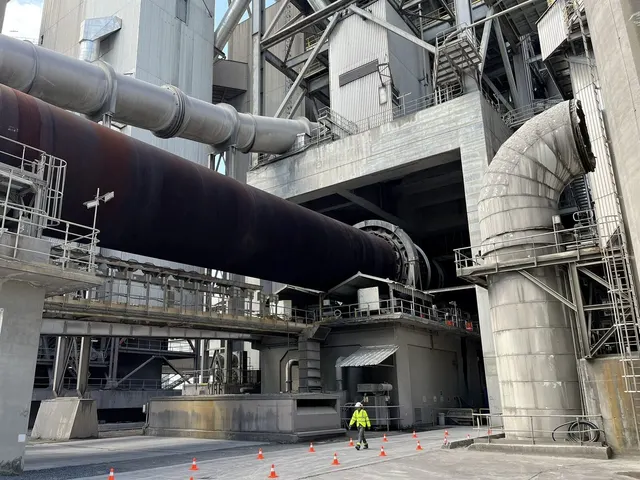
Active in northern France and the Benelux, DisCri has in recent years specialised in designing, manufacturing, installing and maintaining mixing plants for recovering excavated soil and rubble. This scalable concept gives users control over their growth, offering a level of versatility and autonomy rarely seen in the sector.
Jean Crispeels, founder of DisCri and an innovation enthusiast, has made it his mission to turn regulatory constraints into opportunities for his clients, SMEs in construction, roadbuilding and recycling.
DisCri, a young and dynamic team at your service.
The versatility clients are looking for
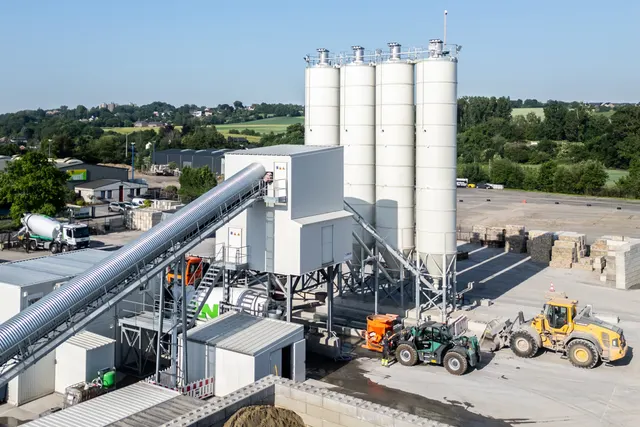
The market was clearly lacking medium-sized plants for processing soil and rubble, allowing contractors to manage the entire recycling chain for excavated or demolished materials. A high-throughput plant was therefore developed to handle the widest possible range of material types and particle sizes. Jean Crispeels: “All my plants can process either soil and lime or sand and cement, because my clients work with both. There aren’t many companies in Europe offering this.” Made from steel plate at least 5 mm thick and hot-dip galvanised, the equipment is robust and built to last.
Since the target market was SMEs, the aim was also to devise a modular concept that would let clients start with a small plant, then expand as their market grew, at minimal cost. All components are standard, and the intuitive automation means clients can handle problems themselves. Compatible with tablets and smartphones, the software even lets operators control the plant from wherever they choose.
The plant installed in Strépy occupies just 120 m2 of floor space.
The benefits of continuous processing
Although DisCri also offers plants that operate in batches, it advocates continuous processing, which uses far less energy. This system also delivers high throughput with a relatively compact plant.
This solution is also much better suited than large batch-processing plants to the new requirements for excavated soil and demolition materials. Regulations now require demolition materials to be recycled, even though they are much harder to mix. Continuous processing can handle larger particle sizes, making it ideal for recovering materials for recycling. Jean Crispeels: “What’s more, recycling centres don’t know what to do with fines: they are too heterogeneous and too costly to mix, so they are not profitable to process in a concrete batching plant. Continuous processing makes it possible to recover them.”
Jean Crispeels is not stopping there and is currently working on new projects: high-throughput mobile machines for treating soil with lime or aggregates with cement, directly on site!
Question about this story? Ask your question
Keep following this
Get an email when a new story is published. No account needed.
- SubjectConcrete